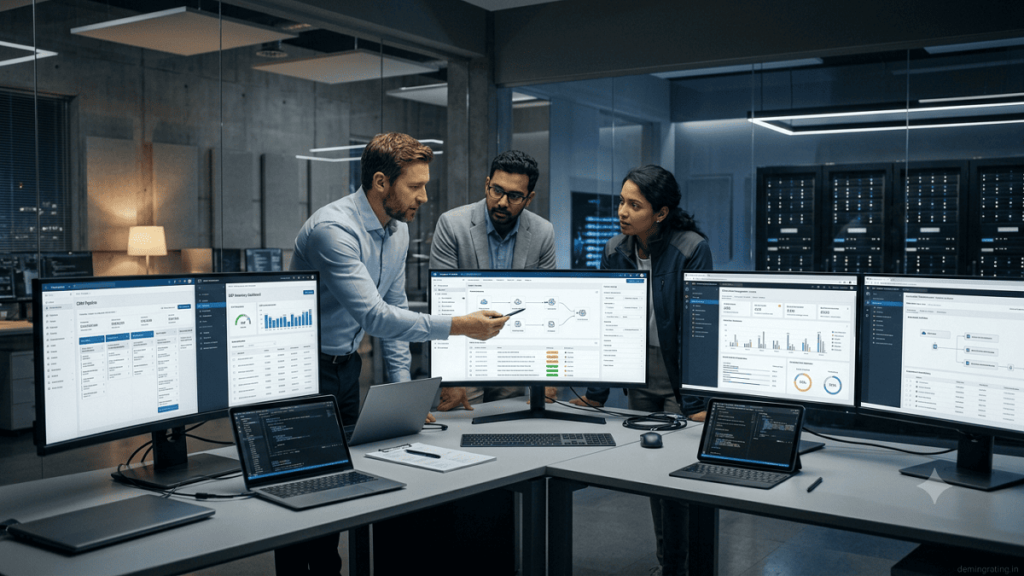
System Integration Solutions
System Integration Solutions help organizations connect applications, databases, cloud platforms, devices, and business systems to enable seamless data exchange and streamlined operations.

System Integration Solutions help organizations connect applications, databases, cloud platforms, devices, and business systems to enable seamless data exchange and streamlined operations.
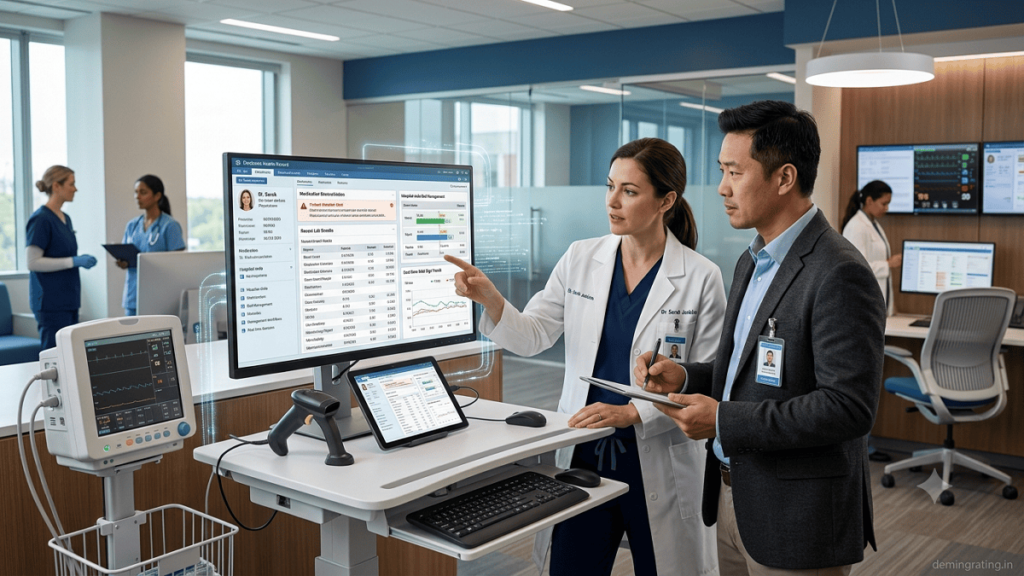
Health Informatics Consulting helps healthcare organizations improve EHR systems, clinical workflows, data management, interoperability, cybersecurity, and patient outcomes through effective use of healthcare technology and data-driven solutions.
ISO/TS 16058:2004 focuses on the interoperability of telelearning systems within health informatics, supporting real-time communication between healthcare instructors and learners.
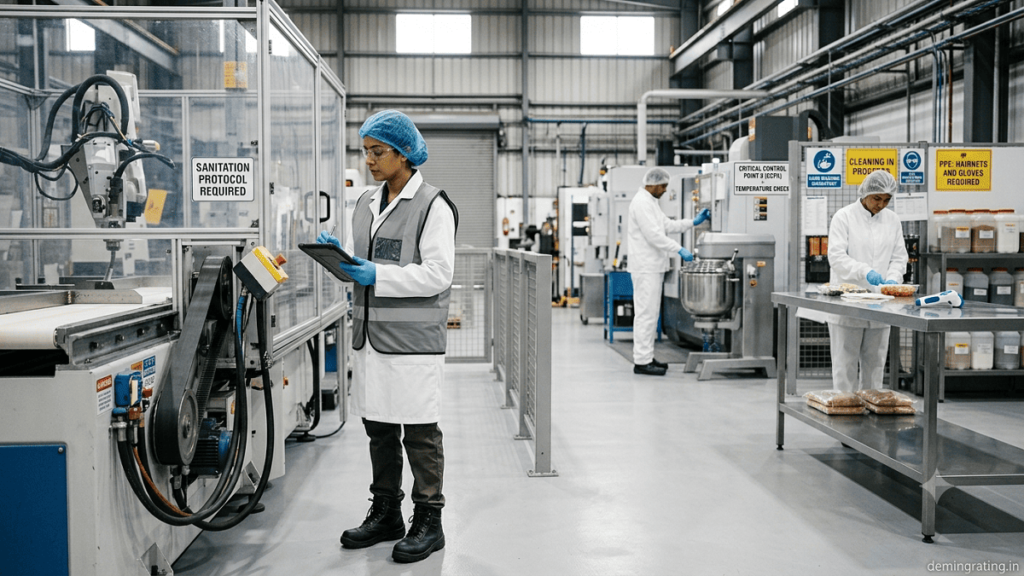
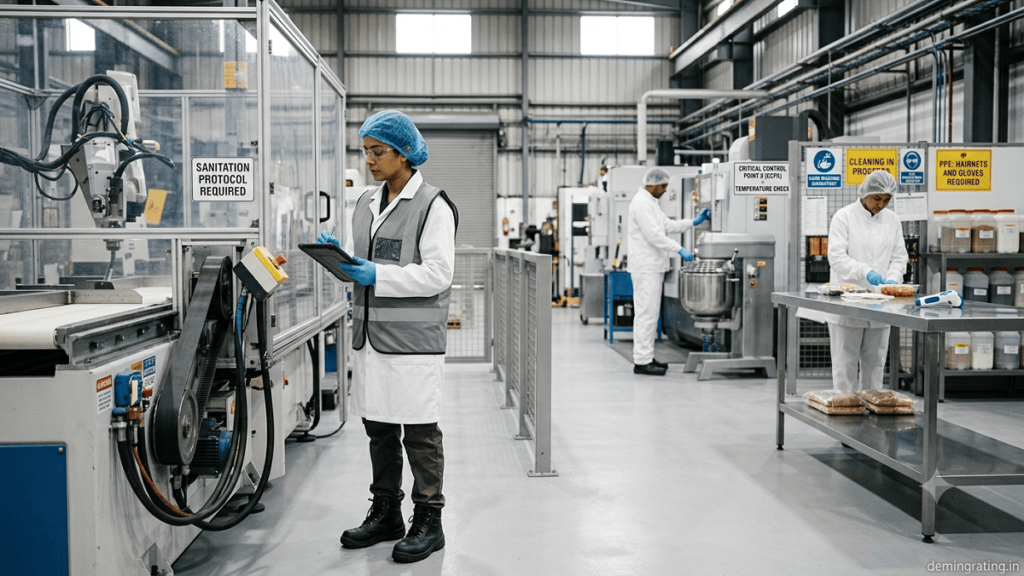
Food Safety Management Certification helps organizations and professionals develop systematic approaches to identifying food safety hazards, controlling contamination risks, maintaining hygiene standards, and supporting regulatory compliance.
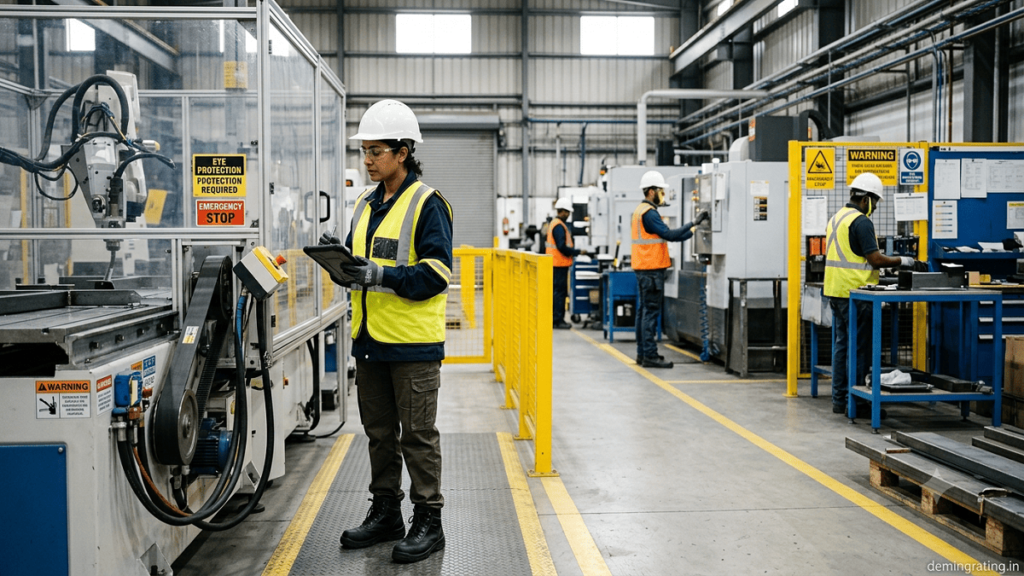
Occupational Health and Safety Certification helps professionals develop the knowledge and skills needed to identify workplace hazards, assess risks, implement safety controls, support regulatory compliance, and promote a strong workplace safety culture.
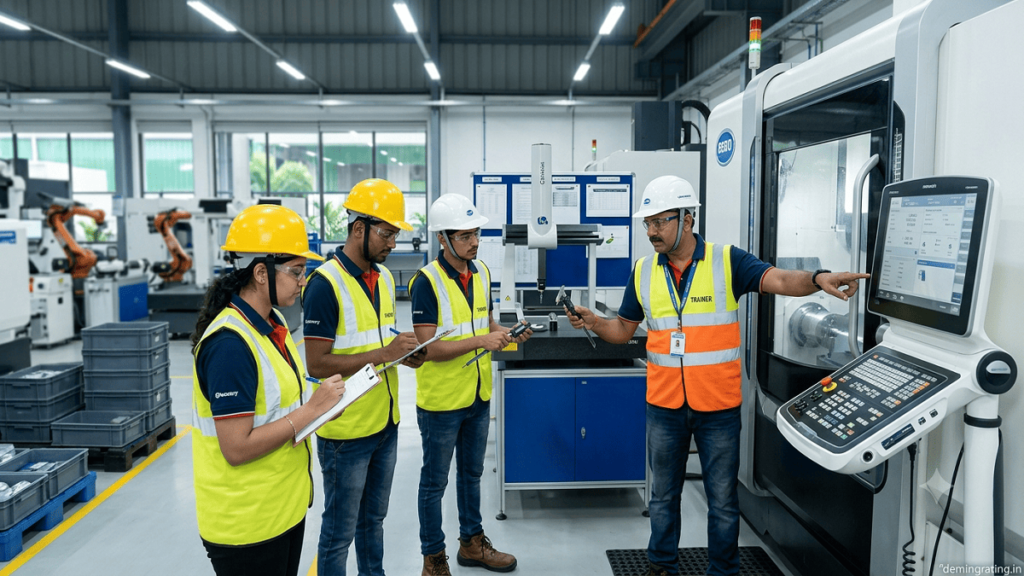
Customized Corporate Training Programs are tailored learning solutions designed to meet an organization’s specific workforce needs, industry requirements, skill gaps, and business objectives.
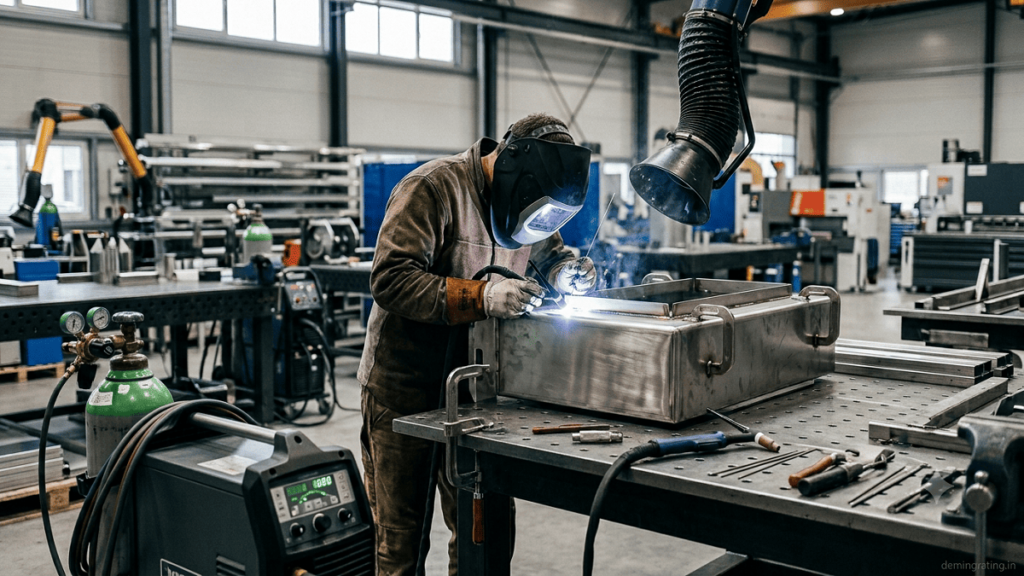
Advanced Welding Workshops provide specialized hands-on training in modern welding techniques, quality control, safety practices, certification preparation, and industry compliance.
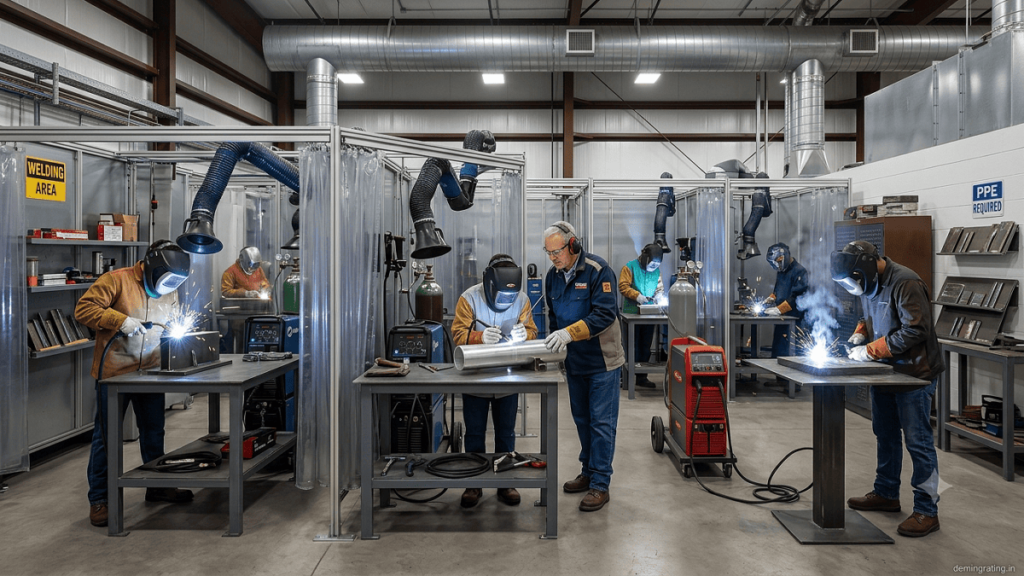
Elevating Welding Training Standards focuses on improving welding education through advanced technical skills, practical training, safety awareness, quality control, certification preparation, and industry compliance.

Custom Sterilization Solutions provide product-specific approaches to sterilization, designed around materials, device design, packaging, load configuration, and processing requirements.
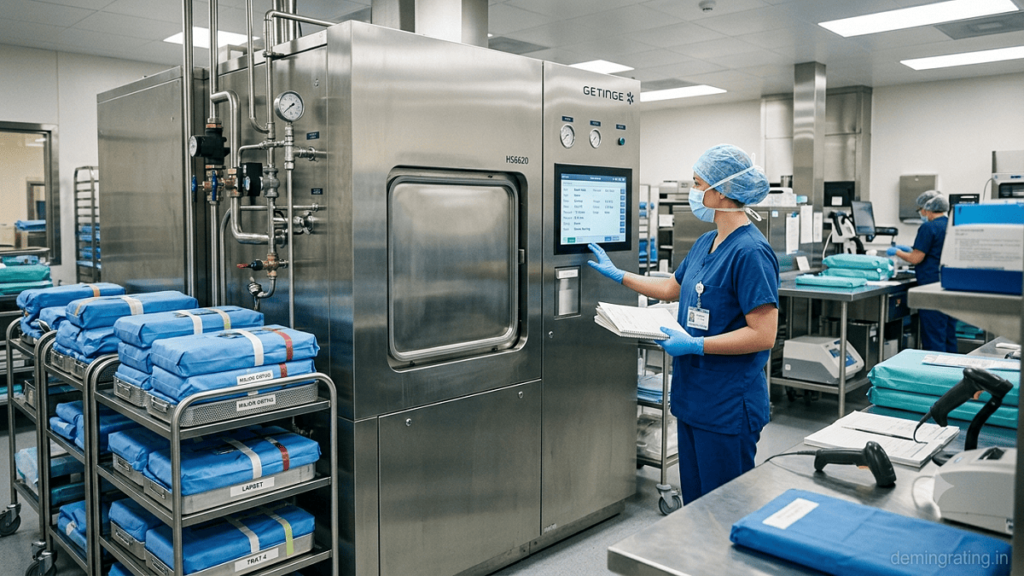
EN 285 Sterilization covers the essential requirements for large steam sterilizers, focusing on temperature, pressure, steam quality, cycle control, validation, and performance testing.
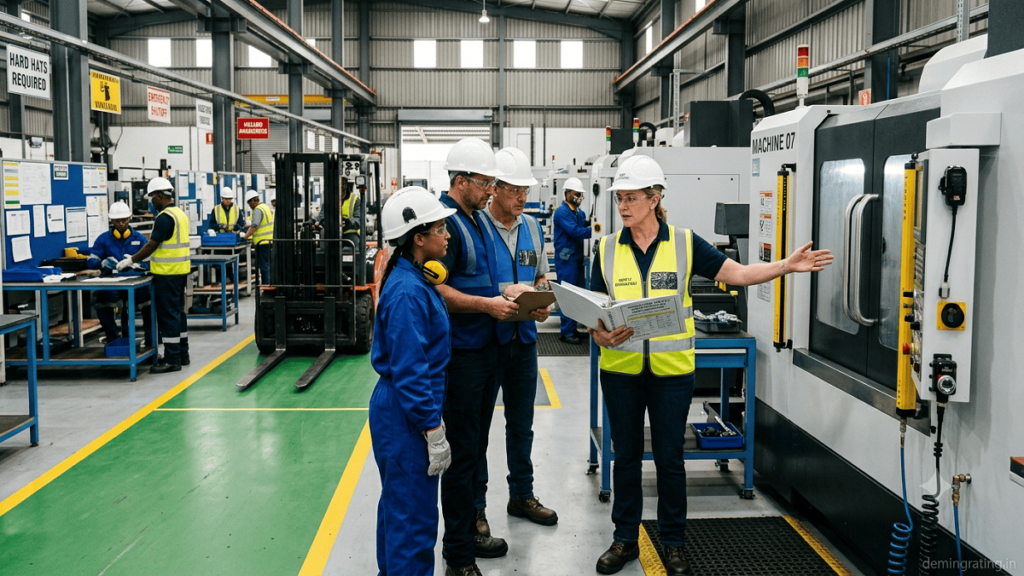
Consultation and Support helps organizations identify workplace risks, solve operational challenges, strengthen compliance, improve employee competency, and enhance overall performance.