Sustainability Tech: How Technology Is Building a Greener Future
Table of Contents
Sustainability technology, often called sustainability tech or green technology, is transforming the way businesses, governments, and individuals address environmental challenges. From renewable energy and electric vehicles to smart buildings and artificial intelligence, innovative technologies are helping reduce environmental impact while supporting economic growth. As climate change, resource depletion, and pollution become increasingly important global concerns, sustainability tech is emerging as a key part of the transition toward a more sustainable future.
What Is Sustainability Tech?
Sustainability tech refers to technologies, products, and digital solutions designed to reduce environmental harm, conserve natural resources, improve energy efficiency, and support sustainable economic development. These innovations help organizations measure their environmental impact, minimize waste, and make more responsible decisions.
For example, solar panels generate electricity from sunlight, smart energy systems optimize power consumption, and water recycling technologies help conserve freshwater resources. Digital platforms also allow businesses to monitor carbon emissions, track supply chains, and identify opportunities to improve sustainability performance.
According to the United Nations Sustainable Development Goals, technology and innovation play an important role in addressing challenges such as clean energy access, responsible consumption, and climate action.
Key Technologies Driving Sustainability
Several technologies are accelerating the adoption of sustainable practices across industries.
1. Renewable Energy: Solar, wind, and other renewable energy technologies provide alternatives to fossil fuels. Improved energy storage systems also help make renewable electricity more reliable.
2. Artificial Intelligence and Smart Systems: AI can analyze energy consumption, forecast renewable energy production, and optimize industrial operations. These applications can improve efficiency, although their own energy and computing requirements must also be considered.
3. Electric Vehicles: Electric vehicles can reduce tailpipe emissions and improve urban air quality. Their overall environmental benefits depend on electricity sources, battery production, vehicle efficiency, and battery recycling.
4. Circular Economy Technology: Digital product tracking, material recovery systems, and advanced recycling technologies help keep valuable materials in use for longer and reduce waste.
5. Sustainable Agriculture: Precision farming, soil sensors, and intelligent irrigation systems help farmers use water, fertilizers, and other resources more efficiently.
Why Is Sustainability Tech Important for Businesses?
Sustainability technology offers environmental and commercial benefits. Businesses can reduce electricity consumption, optimize logistics, minimize material waste, and improve resource management through data-driven solutions. These improvements may lower operating costs while helping companies respond to growing customer expectations and environmental regulations.
For example, a manufacturing company can install smart sensors to identify energy waste, while a retail business can use inventory analytics to reduce unnecessary production and discarded goods. Sustainability reporting software can also help organizations measure emissions and monitor progress toward environmental targets.
However, companies should evaluate each technology based on its actual environmental impact, implementation costs, and long-term performance rather than relying on marketing claims.
Challenges and the Future of Sustainability Tech
Despite its potential, sustainability tech faces several challenges, including high initial investment costs, limited infrastructure, supply-chain concerns, and difficulties recycling certain materials. Technologies such as batteries and solar panels require minerals and manufacturing processes that can create environmental impacts of their own.
Another concern is greenwashing, where businesses exaggerate their environmental achievements without sufficient evidence. Transparent reporting, reliable data, and independent verification are essential to building trust.
The future of sustainability technology will likely involve more efficient energy storage, cleaner industrial processes, advanced recycling, smart electricity grids, and AI-powered resource management. According to the International Energy Agency, clean energy technologies are increasingly important to industrial competitiveness, energy security, and the global energy transition.
Conclusion
Sustainability tech is more than an environmental trend; it is an important driver of innovation, efficiency, and responsible growth. By adopting suitable technologies, businesses can reduce resource consumption, improve operational performance, and contribute to broader climate and sustainability goals.
The most effective approach combines technological innovation with responsible planning, transparent measurement, and continuous improvement. Whether through renewable energy, smart infrastructure, or circular economy solutions, sustainability technology can help create a future where economic development and environmental responsibility work together.
Explore these external resources to learn more:
- United Nations Sustainable Development Goals
- International Energy Agency: Energy Technology Perspectives 2026
- UN Environment Programme: Renewable Energy
#GreenBusiness
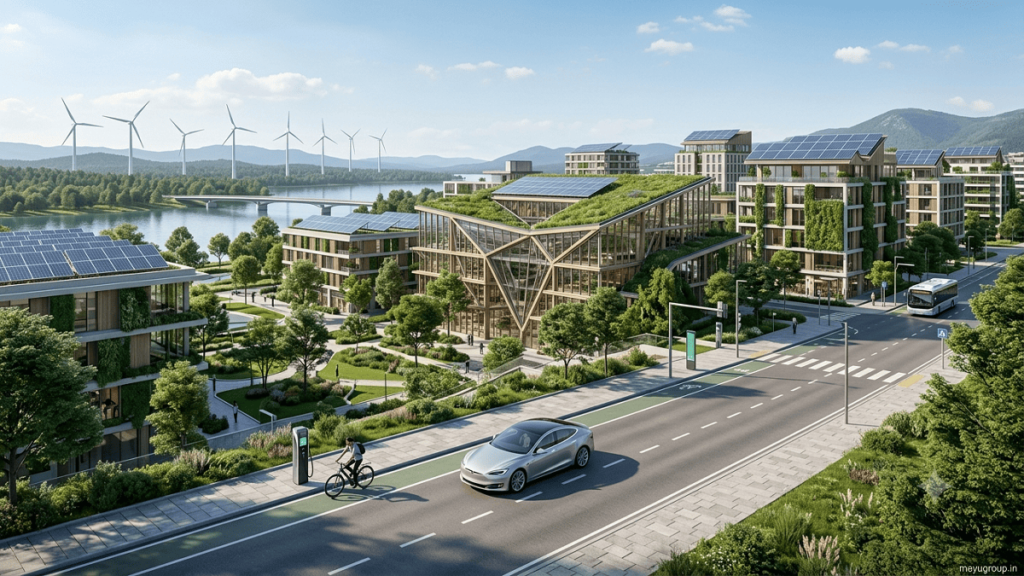
What Is Sustainability Tech? A Complete Guide to Green Innovation
Sustainability tech, also known as sustainable technology or green technology, refers to innovative tools, systems, and solutions designed to reduce environmental impact, conserve natural resources, and support long-term economic and social well-being. From renewable energy and electric vehicles to artificial intelligence and smart agriculture, sustainability technology is changing how individuals and businesses approach environmental responsibility.
As climate change, pollution, and resource depletion become increasingly important global challenges, sustainability tech is gaining attention across industries. It offers practical ways to improve efficiency, reduce waste, and create a more environmentally responsible future.
Understanding Sustainability Technology
Sustainability technology includes products and processes that help reduce greenhouse gas emissions, improve energy efficiency, minimize waste, and use natural resources more responsibly. These technologies can be applied in manufacturing, transportation, construction, agriculture, and everyday life.
For example, solar panels convert sunlight into electricity, while smart energy management systems help buildings reduce unnecessary power consumption. Similarly, water purification and recycling technologies make it possible to conserve freshwater and use resources more efficiently.
The goal is not simply to introduce new technology but to ensure that technological progress supports environmental protection and long-term sustainability.
According to the United Nations Sustainable Development Goals, innovation, clean energy, sustainable industries, and responsible consumption are important components of global sustainable development.
Key Examples of Sustainability Tech
Several technologies are helping organizations and communities adopt more sustainable practices.
1. Renewable Energy: Solar, wind, and other renewable energy systems provide alternatives to fossil fuels and can reduce emissions associated with electricity generation.
2. Electric Vehicles: Electric cars, buses, and delivery vehicles can reduce tailpipe emissions and urban air pollution. Their overall environmental benefits depend partly on electricity sources and battery manufacturing.
3. Artificial Intelligence: AI-powered systems can analyze energy consumption, optimize industrial operations, and help businesses identify opportunities to reduce waste.
4. Smart Buildings: Automated lighting, energy-efficient heating and cooling, and intelligent sensors help buildings use electricity more efficiently.
5. Circular Economy Technology: Advanced recycling, material recovery, and digital product tracking help extend product lifecycles and reduce waste.
6. Sustainable Agriculture: Precision farming, soil monitoring, and smart irrigation systems help farmers manage water and other resources more effectively.
Why Is Sustainability Tech Important?
Sustainability tech helps businesses improve operational efficiency while addressing environmental challenges. Organizations can potentially lower energy costs, reduce material waste, and monitor their environmental performance more accurately.
For consumers, these technologies can provide access to cleaner transportation, energy-efficient appliances, and more sustainable products. At a broader level, they can support climate action, resource conservation, and the development of resilient communities.
However, sustainable technology also has limitations. Manufacturing solar panels, batteries, and electronic devices requires materials and energy. Responsible sourcing, durable product design, repair, and recycling are therefore essential to maximizing environmental benefits.
The Future of Sustainability Tech
The future of sustainability technology will likely include improved battery storage, smarter electricity grids, low-carbon manufacturing, carbon monitoring systems, and more efficient recycling methods. As these solutions develop, businesses and governments will have additional opportunities to reduce environmental impacts while supporting innovation.
For further information, explore the International Energy Agency and the United Nations Environment Programme.
Conclusion
Sustainability tech combines innovation with environmental responsibility to help create a more efficient and sustainable world. By adopting suitable technologies and measuring their real-world impact, businesses and individuals can conserve resources, reduce waste, and contribute to a greener future. Its long-term success will depend on responsible implementation, transparent reporting, and continued investment in practical solutions.
#CircularEconomy
How Does Sustainability Tech Help Businesses?
Sustainability technology is becoming an important part of modern business strategy. As organizations face rising energy costs, increasing environmental expectations, and evolving regulations, many are turning to sustainable technologies to improve efficiency and reduce their environmental impact. From renewable energy systems to artificial intelligence and smart supply chain management, these solutions help businesses operate more responsibly while identifying opportunities for long-term growth.
Sustainability tech is not only about protecting the environment. When implemented effectively, it can also help companies manage costs, strengthen their reputation, improve resource efficiency, and build more resilient operations.
1. Reduces Operational Costs
One of the most immediate benefits of sustainability technology is the potential to lower operating expenses. Energy-efficient equipment, smart lighting, automated heating and cooling, and intelligent energy monitoring systems help businesses identify and eliminate unnecessary energy consumption.
For example, a manufacturing facility can use connected sensors to monitor electricity usage and identify machines that consume excessive power. Similarly, an office can install smart lighting systems that automatically adjust according to occupancy and natural daylight.
Over time, these improvements can reduce utility bills and improve operational efficiency. The actual savings depend on the technology, installation costs, and how effectively the systems are managed.
2. Improves Environmental Performance
Sustainability technology helps businesses reduce greenhouse gas emissions, minimize waste, and use natural resources more responsibly. Renewable energy systems, electric delivery vehicles, water recycling equipment, and advanced waste management solutions can all contribute to better environmental performance.
Companies can also use carbon accounting software to measure emissions across their operations and supply chains. This information helps management identify areas for improvement and establish measurable sustainability targets.
The United Nations Sustainable Development Goals highlight the importance of sustainable industry, responsible consumption, and climate action in supporting long-term development.
3. Strengthens Brand Reputation
Customers, employees, investors, and business partners increasingly pay attention to how organizations manage environmental responsibilities. Businesses that demonstrate genuine progress through measurable actions can strengthen stakeholder trust and differentiate themselves from competitors.
For instance, a retailer that reduces packaging waste or a hotel that adopts energy-efficient systems may appeal to environmentally conscious customers.
However, businesses should communicate sustainability achievements honestly and avoid unsupported environmental claims. Transparent reporting is essential to preventing greenwashing and maintaining credibility.
4. Supports Better Decision-Making
Digital sustainability platforms and artificial intelligence can turn operational data into useful insights. Businesses can monitor energy consumption, track resource usage, forecast demand, and identify inefficiencies before they become expensive problems.
For example, supply chain analytics can help companies optimize delivery routes, reduce unnecessary transportation, and avoid excess inventory. These improvements can benefit both environmental performance and business productivity.
5. Encourages Innovation and Competitive Advantage
Sustainability challenges often encourage businesses to develop better products, services, and processes. Companies may explore recyclable packaging, durable product designs, cleaner manufacturing methods, or energy-efficient equipment.
The International Energy Agency provides research and resources on how energy efficiency can support economic performance and reduce energy demand.
Conclusion
Sustainability technology helps businesses connect environmental responsibility with practical business objectives. By reducing resource consumption, improving operational efficiency, strengthening transparency, and encouraging innovation, these technologies can support long-term competitiveness.
To achieve meaningful results, businesses should choose solutions that match their operational needs, measure performance regularly, and evaluate both environmental benefits and financial costs. A well-planned sustainability strategy can help organizations become more efficient, resilient, and prepared for a changing business environment.
#EcoFriendlySolutions
What Are the Key Benefits of Sustainability Tech?
Sustainability technology is transforming how businesses, communities, and individuals address environmental challenges while improving efficiency and supporting long-term growth. From renewable energy and electric vehicles to artificial intelligence and smart resource management, these technologies offer practical solutions for reducing environmental impact. As organizations increasingly prioritize environmental responsibility, sustainability tech has become an important part of modern business strategies and sustainable development.
Understanding the key benefits of sustainability technology helps businesses make informed decisions, manage resources effectively, and prepare for a future where environmental performance and economic success are closely connected.
1. Reduces Environmental Impact
One of the most significant benefits of sustainability tech is its ability to reduce pollution, greenhouse gas emissions, and unnecessary resource consumption. Renewable energy systems, energy-efficient equipment, and advanced recycling technologies help organizations reduce their environmental footprint.
For example, installing solar panels can reduce dependence on electricity generated from fossil fuels. Similarly, water recycling systems help businesses conserve freshwater and minimize wastewater.
The United Nations Sustainable Development Goals emphasize the importance of climate action, clean energy, and responsible consumption in creating a more sustainable world.
2. Lowers Operational Costs
Sustainability technology can help businesses reduce long-term operating expenses by improving energy efficiency and minimizing waste. Smart lighting, automated climate control, and intelligent energy monitoring systems allow organizations to identify unnecessary consumption and make targeted improvements.
Manufacturers can use connected sensors to optimize equipment performance, while offices can adopt energy-efficient appliances to reduce electricity bills. Although some solutions require significant initial investment, the resulting savings may provide financial benefits over time.
The actual return depends on implementation costs, usage patterns, maintenance requirements, and local energy prices.
3. Improves Resource Efficiency
Efficient resource management is essential for businesses seeking to operate sustainably. Technologies such as precision agriculture, smart irrigation, inventory analytics, and automated production systems help organizations use materials, water, and energy more effectively.
For example, farmers can use soil sensors to determine when crops need watering, reducing unnecessary water consumption. Retailers can use demand forecasting tools to minimize overstocking and avoid preventable product waste.
These improvements can support productivity while conserving valuable natural resources.
4. Strengthens Brand Reputation
Consumers, investors, employees, and business partners increasingly expect organizations to demonstrate responsible environmental practices. Companies that make measurable progress toward sustainability goals may strengthen stakeholder confidence and differentiate themselves in competitive markets.
However, businesses should communicate their achievements accurately and provide evidence for environmental claims. Transparent reporting helps prevent greenwashing and protects long-term credibility.
5. Encourages Innovation and Competitiveness
Sustainability challenges create opportunities to develop innovative products, services, and business models. Companies may introduce recyclable packaging, energy-efficient products, circular economy services, or cleaner manufacturing processes.
These innovations can help businesses respond to changing customer expectations, improve resilience, and identify new market opportunities.
6. Supports Better Decision-Making
Digital monitoring platforms and artificial intelligence enable organizations to measure environmental performance and identify opportunities for improvement. Carbon accounting tools, for example, help companies track emissions and establish measurable reduction targets.
The International Energy Agency offers useful research on improving energy efficiency and reducing energy demand.
Conclusion
Sustainability tech offers several important benefits, including reduced environmental impact, lower operating costs, improved resource efficiency, stronger brand reputation, and increased innovation. When implemented thoughtfully, these technologies can help businesses balance financial performance with environmental responsibility.
The key to success is choosing appropriate solutions, measuring their real-world results, and continuously improving sustainability practices. By taking this approach, organizations can build more efficient operations and contribute to a healthier, more sustainable future.
#RenewableEnergy
How Can Technology Reduce Environmental Impact?
Technology plays an increasingly important role in reducing environmental impact and supporting a more sustainable future. As the world faces challenges such as climate change, air pollution, deforestation, and resource depletion, innovative solutions are helping individuals, businesses, and governments manage natural resources more responsibly. From renewable energy systems to artificial intelligence and advanced recycling, technology offers practical ways to reduce waste, improve efficiency, and protect the environment.
When implemented responsibly, these innovations can support economic development while helping communities move toward more sustainable lifestyles.
1. Promoting Renewable Energy
Renewable energy technologies, including solar panels, wind turbines, and hydropower systems, provide alternatives to fossil fuels. Since conventional electricity generation often produces greenhouse gas emissions, switching to low-emission energy sources can help reduce the carbon footprint of homes, businesses, and industries.
Energy storage systems and smart electricity grids also help balance energy supply and demand, making renewable power more practical and reliable.
According to the International Energy Agency, renewable energy is an important component of global efforts to improve energy security and reduce emissions.
2. Improving Energy Efficiency
Modern technology helps buildings, factories, and transportation systems use energy more efficiently. Smart thermostats, LED lighting, automated climate control, and connected sensors can identify unnecessary energy consumption and adjust operations accordingly.
For example, a commercial building can use occupancy sensors to switch off lights in empty rooms. Manufacturing facilities can monitor equipment performance to identify inefficiencies and reduce electricity consumption.
Improving energy efficiency can lower operating costs while reducing the environmental impact associated with energy production.
3. Reducing Waste Through Smart Technology
Digital tools and advanced recycling systems help organizations minimize waste and recover valuable materials. Artificial intelligence can improve the identification and sorting of recyclable materials, while inventory management software can help businesses prevent overproduction and unnecessary disposal.
The circular economy approach focuses on keeping products and materials in use for as long as possible through repair, reuse, refurbishment, and recycling.
The United Nations Environment Programme provides resources on resource efficiency and sustainable consumption.
4. Supporting Sustainable Transportation
Transportation contributes to air pollution and greenhouse gas emissions in many regions. Electric vehicles, public transportation technologies, cycling infrastructure, and intelligent traffic management systems can help reduce these impacts.
Electric vehicles produce no tailpipe emissions, and their overall environmental benefits depend on electricity generation, battery manufacturing, and vehicle use. Digital route-planning systems can also help delivery companies reduce unnecessary travel and fuel consumption.
Encouraging public transport and shared mobility can further reduce congestion and emissions.
5. Protecting Natural Resources
Technology helps monitor and conserve essential resources such as water, forests, and agricultural land. Smart irrigation systems provide water when crops need it, while satellite imagery and remote sensors help researchers monitor deforestation, land degradation, and changes in ecosystems.
Water treatment and recycling technologies can also reduce freshwater demand and improve access to cleaner water.
6. Using Artificial Intelligence for Environmental Solutions
Artificial intelligence can analyze environmental data, predict energy demand, detect pollution patterns, and improve resource allocation. For example, AI-powered forecasting can help renewable energy operators anticipate changes in solar and wind generation.
However, AI systems also consume electricity and require computing infrastructure, so their environmental benefits should be evaluated against their energy and material requirements.
Conclusion
Technology can reduce environmental impact by promoting clean energy, improving efficiency, minimizing waste, supporting sustainable transportation, and protecting natural resources. Nevertheless, technology alone cannot solve every environmental problem. Responsible consumption, effective policies, and careful implementation remain essential.
#ClimateAction
What Are the Latest Trends in Sustainability Tech?
1. Artificial Intelligence for Sustainability
Artificial intelligence is becoming an important tool for improving environmental performance. AI-powered platforms can analyze energy consumption, predict equipment failures, optimize supply chains, and identify opportunities to reduce waste. Businesses are also using AI to monitor carbon emissions and improve sustainability reporting.
However, AI infrastructure consumes electricity and water, making energy-efficient computing and responsible data center management increasingly important.
2. Advanced Battery Storage and Clean Energy
Energy storage is gaining momentum as solar and wind power expand. Advanced batteries help store renewable electricity and release it when demand increases or generation decreases. Emerging battery technologies, including sodium-ion and solid-state batteries, are attracting attention for their potential applications in transportation and energy storage.
The International Energy Agency’s State of Energy Innovation 2026 report highlights major advances in battery innovation and electricity infrastructure.
3. Sustainable Data Centers
The growth of cloud computing and AI is increasing demand for data center capacity. Companies are exploring efficient cooling systems, renewable electricity, heat reuse, and water conservation to reduce environmental impacts.
Sustainable data center design is becoming particularly important as organizations seek to balance digital growth with responsible resource consumption.
4. Circular Economy and Advanced Recycling
Circular economy technology focuses on keeping materials and products in use for longer. Innovations include automated waste sorting, electronic waste recovery, recyclable packaging, and digital product tracking.
These solutions help businesses reduce landfill waste, recover valuable materials, and improve resource efficiency.
5. Low-Carbon Industrial Manufacturing
Industries are exploring technologies that reduce emissions from steel, cement, chemicals, and other energy-intensive production processes. Examples include industrial electrification, low-emissions hydrogen, carbon capture, and alternative manufacturing methods.
Although some solutions remain expensive or commercially immature, continued research and investment could help reduce industrial emissions over time.
6. Next-Generation Solar Technology
Solar innovation continues through improvements in photovoltaic efficiency, manufacturing processes, and installation methods. Perovskite solar cells and tandem solar technologies are attracting interest because they may improve how efficiently sunlight is converted into electricity.
Their long-term success will depend on durability, affordability, and performance at commercial scale.
7. Digital Sustainability Reporting
Businesses increasingly use software platforms to track emissions, energy use, water consumption, and environmental targets. These systems can improve transparency, support regulatory compliance, and help organizations make evidence-based decisions.
The International Telecommunication Union’s 2026 report examines emissions, energy consumption, and climate commitments across 200 digital companies.
Conclusion
The latest sustainability tech trends highlight a shift toward intelligent resource management, cleaner energy, circular production, and measurable environmental performance. Businesses that evaluate these innovations carefully can identify opportunities to improve efficiency and reduce environmental impact. Ultimately, successful adoption depends on practical implementation, transparent measurement, and proven environmental benefits rather than technology alone.
#CleanEnergy
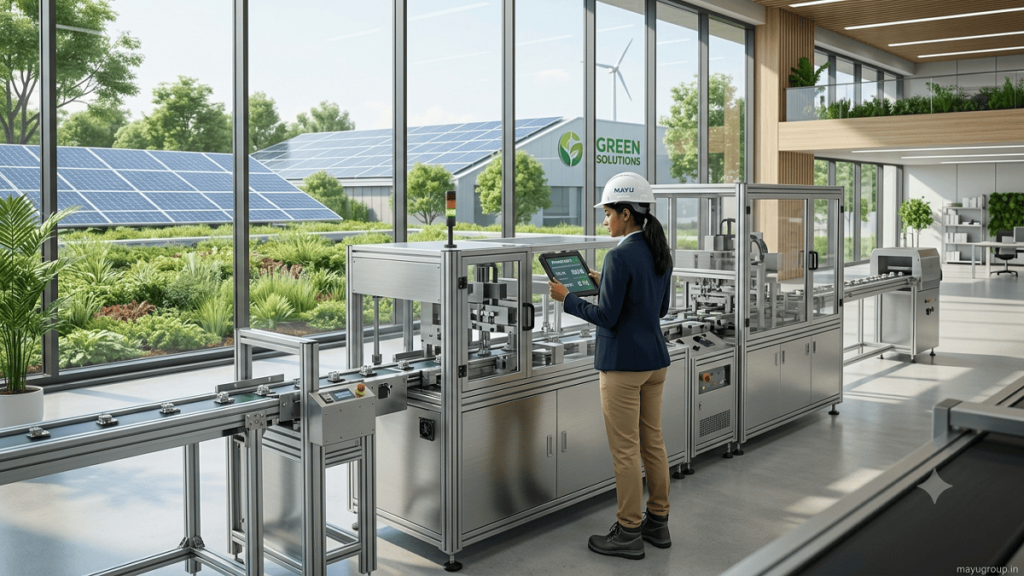
Case Study of Sustainability Tech: How Google Is Making Technology More Sustainable
Sustainability technology is helping companies reduce their environmental footprint while continuing to innovate. A strong example is Google, which has invested in clean energy, energy-efficient data centers, water conservation, and artificial intelligence solutions designed to improve environmental performance.
1. The Challenge
Google operates data centers and digital infrastructure that require substantial amounts of electricity and cooling. As cloud computing and artificial intelligence expand, managing energy consumption, water use, and carbon emissions becomes increasingly challenging.
The company must balance growing demand for digital services with its environmental commitments.
2. Sustainability Technologies Implemented
Google uses several technologies and strategies to address these challenges.
Clean energy procurement: Google signs agreements to support new clean energy projects, including renewable electricity and emerging low-carbon energy technologies. In 2025, the company signed agreements for more than 12 gigawatts of additional clean energy capacity.
Energy-efficient data centers: Advanced computing infrastructure and cooling systems help reduce the energy required to operate digital services. Google’s global data center fleet recorded an average power usage effectiveness (PUE) of 1.09 in 2025, indicating relatively low overhead energy consumption compared with the energy used by computing equipment.
Water management: Google evaluates local water availability when choosing cooling systems and explores alternatives such as recycled water and air cooling where appropriate. Its approach aims to reduce environmental impacts while maintaining reliable operations.
AI-powered efficiency: Google also develops AI tools that can help optimize electricity grids, improve transportation efficiency, and support environmental monitoring.
More details are available in Google’s 2026 Environmental Report.
3. Results and Environmental Impact
Google reported a 2% reduction in its operational emissions in 2025, despite increasing electricity demand. Its clean energy agreements and investments in efficient infrastructure are important elements of its environmental strategy.
However, these figures should be interpreted carefully. Contracted clean energy capacity does not mean every data center runs entirely on clean electricity at every hour. Likewise, improved operational efficiency does not automatically guarantee a reduction in total environmental impact.
4. Key Lessons for Other Businesses
This case study offers several practical lessons:
- Measure performance: Track electricity consumption, emissions, and water use using reliable data.
- Invest in efficiency: Improve equipment and infrastructure before focusing exclusively on offsets.
- Choose local solutions: Consider local energy availability and water scarcity when selecting technologies.
- Set measurable targets: Establish clear goals and regularly publish progress.
- Evaluate trade-offs: Consider the environmental costs of hardware, energy generation, and supply chains.
Conclusion
Google’s sustainability strategy demonstrates how technology companies can combine clean energy, efficient infrastructure, and intelligent resource management to address environmental challenges. Its experience also highlights the difficulty of reducing environmental impacts while digital services continue to grow.
For businesses of any size, the central lesson is to adopt sustainability technology strategically, measure its actual results, and improve performance continuously.
#SustainableInnovation
White Paper on Sustainability Tech: Innovations, Business Opportunities, and the Path to a Greener Future
Publication type: White Paper
Topic: Sustainability Technology and Business Transformation
Year: 2026
Executive Summary
Sustainability technology is becoming an essential part of the global transition toward a low-carbon, resource-efficient economy. Businesses, governments, and industries are increasingly adopting innovative solutions to reduce greenhouse gas emissions, improve energy efficiency, minimize waste, and manage natural resources responsibly.
This white paper examines the role of sustainability tech in addressing environmental challenges, its major applications across industries, the benefits it offers businesses, and the obstacles that can affect adoption. It also explores how organizations can develop practical sustainability strategies using clean energy, artificial intelligence, smart infrastructure, and circular economy solutions.
According to the International Energy Agency’s Energy Technology Perspectives 2026, clean energy technology supply chains, industrial competitiveness, affordability, and energy security are important considerations in the global energy transition.
1. Introduction to Sustainability Tech
Sustainability technology refers to technologies, systems, and processes designed to reduce environmental harm while supporting economic and social development. These solutions include renewable energy systems, electric transportation, energy-efficient buildings, carbon monitoring platforms, and advanced recycling technologies.
The purpose of sustainability tech is to make production, consumption, and resource management more efficient and environmentally responsible.
Digital technologies are also playing an important role. The United Nations Environment Programme highlights how digital tools can support environmental monitoring, resource conservation, and sustainable decision-making.
2. Key Technologies Transforming Sustainability
Renewable Energy
Solar and wind power are helping businesses diversify their energy sources and reduce dependence on fossil fuels. Energy storage and smart electricity grids can improve the reliability of renewable electricity.
Artificial Intelligence and Data Analytics
AI-powered systems can analyze energy usage, optimize industrial processes, forecast demand, and identify inefficiencies. These applications can help businesses make better operational decisions, although their energy consumption must also be considered.
Circular Economy Technology
Circular economy solutions focus on extending product lifecycles through repair, reuse, refurbishment, and recycling. Digital product tracking and automated waste sorting can help businesses recover materials and reduce unnecessary disposal.
Sustainable Transportation
Electric vehicles, charging infrastructure, fleet optimization, and intelligent traffic systems can help reduce transportation emissions. Their overall environmental benefits depend on factors such as electricity sources, vehicle manufacturing, and infrastructure.
Smart Buildings and Infrastructure
Energy management systems, connected sensors, efficient cooling, and automated lighting can reduce resource consumption in commercial and residential buildings.
3. Business Benefits of Sustainability Technology
Sustainability tech can create several business opportunities when adopted strategically.
Cost efficiency: Energy-efficient equipment and resource monitoring can reduce operating expenses.
Environmental performance: Renewable energy, waste reduction, and emissions tracking can help organizations improve environmental outcomes.
Risk management: Monitoring environmental impacts and supply-chain dependencies can help businesses prepare for resource shortages, changing regulations, and operational disruptions.
Innovation: Sustainable product design and circular business models can create new services and market opportunities.
Transparency: Environmental data platforms can help organizations measure progress and communicate sustainability performance more consistently.
These benefits are not automatic. Businesses should assess investment costs, implementation requirements, and measurable results before adopting new solutions.
4. Major Challenges and Barriers
Despite its potential, sustainability technology faces several challenges.
Initial investment can be a barrier for smaller organizations, particularly when new equipment or infrastructure requires significant capital. Limited technical expertise, unreliable data, and complex supply chains can also slow implementation.
Some technologies require critical minerals, substantial manufacturing energy, or specialized recycling infrastructure. Digital solutions can introduce additional electricity consumption, water demand, and electronic waste.
Organizations should therefore assess the full environmental footprint of a technology rather than considering only its operational benefits.
The UNEP Environmental and Social Sustainability Framework provides a useful reference for integrating environmental and social considerations into project planning and implementation.
5. A Practical Roadmap for Adoption
Businesses can approach sustainability technology adoption through five steps:
- Assess current performance: Establish a baseline for energy consumption, emissions, water use, and waste generation.
- Identify priorities: Focus on the activities responsible for the largest environmental impacts.
- Evaluate solutions: Compare technologies based on cost, reliability, environmental benefits, and implementation requirements.
- Run pilot projects: Test selected solutions before expanding them across the organization.
- Measure and improve: Track performance indicators, review results regularly, and adjust the strategy when necessary.
Useful indicators include energy consumption per unit of production, greenhouse gas emissions, water use, material recovery rates, and total operating costs.
6. Future Outlook
The future of sustainability technology will likely involve closer integration of clean energy, digital monitoring, intelligent automation, advanced materials, and circular production systems.
Battery innovation, low-carbon industrial processes, efficient computing infrastructure, and improved environmental data systems are important areas to watch. However, the commercial readiness and environmental benefits of individual technologies vary considerably.
Businesses should distinguish between proven solutions that can be deployed today and emerging technologies that still require testing, investment, or further development.
Conclusion
Sustainability technology offers a practical pathway toward more efficient business operations and reduced environmental impact. By combining renewable energy, digital intelligence, resource efficiency, and circular economy principles, organizations can identify opportunities to improve performance while supporting broader sustainability goals.
Successful implementation requires more than purchasing new technology. It depends on clear objectives, reliable data, responsible investment, and continuous evaluation of environmental outcomes.
Organizations that integrate sustainability into long-term planning can become better prepared for changing market conditions, resource constraints, and environmental expectations.
Additional Resources
- International Energy Agency: Energy Technology Perspectives 2026
- UNEP: Digitalization for Sustainability
- United Nations Sustainable Development Goals
- UNEP: Environmental and Social Sustainability Framework
#GreenTechnology
Industry Application of Sustainability Tech: Transforming Businesses for a Greener Future
Sustainability technology is transforming industries by helping businesses reduce environmental impact, improve operational efficiency, and manage resources more responsibly. From manufacturing and agriculture to healthcare, transportation, and construction, organizations are adopting innovative technologies to address environmental challenges while maintaining productivity and profitability.
As businesses face growing expectations around environmental responsibility, sustainability tech has become an important part of long-term industrial development. Renewable energy, artificial intelligence, smart sensors, and advanced recycling systems are enabling companies to rethink traditional processes and build more sustainable operations.
1. Manufacturing Industry
The manufacturing sector can benefit significantly from sustainability technology because industrial production often requires substantial energy, water, and raw materials.
Smart sensors and artificial intelligence help manufacturers monitor equipment performance, identify energy waste, and predict maintenance requirements. Renewable energy systems can reduce dependence on fossil fuels, while automated recycling technologies support material recovery.
For example, a manufacturing plant can install energy monitoring software to identify inefficient machinery and reduce unnecessary electricity consumption. These improvements can lower operating costs while supporting environmental objectives.
The United Nations Industrial Development Organization provides resources on sustainable industrial development and cleaner production.
2. Agriculture Industry
Agriculture relies heavily on water, soil quality, energy, and other natural resources. Sustainability technology helps farmers use these resources more efficiently.
Precision agriculture uses soil sensors, satellite imagery, drones, and data analytics to monitor crop conditions and determine when irrigation or fertilizer applications are needed. Smart irrigation systems can reduce water waste, while digital forecasting helps farmers prepare for changing weather conditions.
These technologies can improve resource efficiency, although their effectiveness depends on local conditions, affordability, and access to reliable data.
3. Transportation and Logistics
Transportation companies are increasingly adopting electric vehicles, intelligent route planning, fleet monitoring, and energy-efficient logistics systems.
Electric delivery vehicles can reduce tailpipe emissions, particularly when charged using low-emission electricity. Route optimization software can reduce unnecessary travel, fuel consumption, and delivery times.
Businesses can also improve warehouse efficiency through automated energy management and better inventory planning.
The International Energy Agency provides research on transportation technologies and efforts to reduce transport-related emissions.
4. Construction and Real Estate
Sustainable construction technology helps developers create buildings that use less energy and water throughout their lifecycles.
Examples include energy-efficient insulation, smart lighting, high-performance heating and cooling systems, water recycling, and building energy management platforms. Sustainable building materials and construction waste recovery can also reduce environmental impacts.
Green building certifications, such as those offered by LEED, provide frameworks for evaluating building sustainability.
5. Healthcare Industry
Hospitals and healthcare facilities require reliable electricity, cooling, water, and specialized equipment. Sustainability technology can help reduce resource consumption without compromising patient safety.
Energy-efficient lighting, intelligent building controls, renewable electricity, water management, and responsible medical waste systems can improve environmental performance. Digital healthcare services may also reduce some travel requirements, although their overall environmental benefits depend on implementation.
Healthcare organizations must ensure that sustainability initiatives comply with infection control, safety, and medical waste management requirements.
6. Retail and E-Commerce
Retailers can use demand forecasting, inventory analytics, sustainable packaging, and reverse logistics to reduce waste throughout their operations.
For example, predictive analytics can help businesses avoid overstocking, while reusable packaging and product take-back programs can support circular economy practices. Efficient delivery planning can also reduce transportation-related environmental impacts.
7. Energy and Utilities
Energy companies are using smart grids, advanced metering, battery storage, and digital monitoring to improve electricity distribution and integrate renewable energy.
These technologies can help balance supply and demand, detect system inefficiencies, and support more reliable electricity services. Their effectiveness depends on infrastructure investment, grid design, and appropriate system management.
Conclusion
Sustainability technology has applications across nearly every major industry. By improving energy efficiency, conserving natural resources, reducing waste, and strengthening operational monitoring, these solutions can support both environmental performance and business objectives.
However, successful adoption requires industry-specific planning, realistic investment decisions, and measurable performance indicators. Businesses should evaluate the full lifecycle impact of each technology rather than assuming that every new solution is automatically sustainable.
With responsible implementation and continuous improvement, sustainability tech can help industries become more efficient, resilient, and environmentally responsible.
Additional Resources
- United Nations Sustainable Development Goals
- International Energy Agency
- United Nations Industrial Development Organization
- U.S. Green Building Council: LEED
#SustainabilityTech
Ask FAQs
What is sustainability tech?
Sustainability tech refers to technologies and innovations designed to reduce environmental impact, conserve natural resources, improve energy efficiency, and support sustainable development. Examples include renewable energy, electric vehicles, smart agriculture, and advanced recycling systems.
How does sustainability tech benefit businesses?
Sustainability tech helps businesses reduce operating costs, minimize waste, improve resource efficiency, and monitor environmental performance. It can also strengthen brand reputation, support regulatory compliance, and create opportunities for sustainable innovation.
Which industries use sustainability technology?
Sustainability technology is used across manufacturing, agriculture, transportation, construction, healthcare, retail, and energy. Each industry applies different solutions to reduce emissions, conserve resources, and improve operational efficiency.
What are the latest trends in sustainability tech?
Major trends include AI-powered energy management, advanced battery storage, renewable energy integration, circular economy solutions, sustainable data centers, low-carbon manufacturing, and digital carbon tracking.
What challenges do businesses face when adopting sustainability tech?
Common challenges include high initial investment costs, limited technical expertise, infrastructure requirements, and difficulties measuring environmental benefits. Businesses can address these issues by evaluating suitable technologies, starting with pilot projects, and tracking measurable sustainability goals.
Disclaimer: This content is for informational and educational purposes only. Sustainability technologies, benefits, and results may vary depending on industry, implementation, and environmental conditions.