Export Management Services
Export management services help businesses plan, coordinate, and manage the complex activities involved in selling and delivering products to international markets. From documentation and customs compliance to logistics, shipment coordination, and international market requirements, these services allow exporters to focus on their core business while experienced professionals manage the operational aspects of global trade.
Exporting involves much more than simply shipping products overseas. Businesses must understand destination-country regulations, prepare accurate commercial documentation, comply with customs procedures, coordinate freight and insurance, and ensure that shipments reach customers on time. The World Trade Organization identifies trade facilitation as the simplification, modernization, and harmonization of import, export, and transit processes, highlighting the importance of efficient cross-border procedures. (World Trade Organization)
What Do Export Management Services Include?
A professional export management service can cover several stages of the export process. These may include export documentation, customs coordination, freight forwarding, shipment tracking, compliance support, logistics planning, and communication with overseas buyers or partners.
Documentation is particularly important because international shipments can require commercial invoices, packing lists, certificates of origin, bills of lading, and other supporting documents depending on the product and destination. The WTO’s Trade Facilitation Agreement encourages countries to simplify documentation requirements and develop systems such as electronic submission and single-window processing. (World Trade Organization)
Export management providers can also help businesses identify potential compliance risks, coordinate with customs brokers and logistics providers, and maintain organized records. This can reduce administrative workloads and help prevent costly delays caused by incomplete or inaccurate paperwork.
Benefits for Exporters
One of the biggest advantages of outsourcing export management is operational efficiency. Companies can access specialized knowledge without having to build a large internal export department. Professional support can also help businesses improve shipment coordination, reduce documentation errors, and manage international orders more systematically.
For Indian exporters, understanding regulatory requirements is particularly important. The Directorate General of Foreign Trade (DGFT) states that an Importer-Exporter Code (IEC) is generally required for importing into or exporting from India, subject to applicable exemptions. (DGFT Content)
Directorate General of Foreign Trade (DGFT)
World Trade Organization – Trade Facilitation
Why Export Management Matters
As businesses expand internationally, efficient export management becomes essential for controlling costs, maintaining compliance, and delivering a consistent customer experience. A reliable export management partner can provide the expertise and coordination needed to navigate international trade requirements while allowing businesses to concentrate on production, sales, and market growth.
Overall, export management services provide a structured approach to international shipping and trade operations. By combining documentation support, regulatory coordination, logistics management, and process optimization, these services can make international expansion more efficient and manageable for businesses of different sizes.
#TradeManagement
What Are Export Management Services and Why Are They Important for International Trade?
Export management services are professional solutions designed to help businesses plan, coordinate, and manage the process of selling and shipping goods or services to customers in international markets. Exporting involves several interconnected activities, including market research, documentation, regulatory compliance, logistics, customs procedures, shipment coordination, payment processes, and communication with overseas buyers. Export management services bring these activities together under a structured process, helping businesses manage international transactions more efficiently.
According to the World Trade Organization (WTO), trade facilitation focuses on simplifying, modernizing, and harmonizing export, import, and transit procedures. Efficient trade processes can reduce unnecessary paperwork, delays, and transaction costs while improving the movement of goods across borders. (World Trade Organization)
What Do Export Management Services Include?
The scope of export management services can vary depending on the business and destination market. Common services include export documentation, customs coordination, freight and logistics management, compliance support, shipment tracking, market-entry assistance, and coordination with international buyers and service providers.
Documentation is one of the most important areas because export shipments may require commercial invoices, packing lists, certificates of origin, transportation documents, and additional certificates depending on the product and destination. The U.S. International Trade Administration notes that documentation requirements vary according to the destination and type of shipment, and errors or omissions can contribute to shipment delays or other complications. (Trade.gov)
Export management can also involve selecting suitable transportation methods, understanding shipping responsibilities, and coordinating with freight forwarders or customs professionals. (Trade.gov)
Why Are Export Management Services Important?
International trade involves regulations and business practices that differ from one country to another. Professional export management helps companies navigate these differences while reducing administrative complexity. It can be particularly valuable for small and medium-sized businesses that want to enter international markets without developing a large in-house export department.
Effective export management can help businesses:
- Reduce documentation errors and administrative delays.
- Improve coordination between suppliers, carriers, customs professionals, and buyers.
- Support compliance with applicable export and import requirements.
- Improve shipment visibility and logistics planning.
- Identify suitable international markets and business opportunities.
- Reduce operational risks associated with cross-border transactions.
- Allow internal teams to focus on production, sales, and business development.
For businesses operating from India, regulatory preparation is also essential. The Directorate General of Foreign Trade (DGFT) provides guidance on the Importer-Exporter Code (IEC), which is generally required for export and import activities, subject to applicable exemptions. (DGFT Content)
The Role of Export Management in Global Business Growth
Export management services are therefore more than administrative support. They provide a systematic framework for handling international transactions from market planning through shipment and delivery. By combining compliance, documentation, logistics, market knowledge, and operational coordination, these services can help businesses enter foreign markets with greater confidence and efficiency.
Businesses looking to develop an export strategy can also consult the U.S. International Trade Administration’s export process resources and the World Trade Organization’s trade facilitation resources for additional guidance.
#InternationalBusiness
What Activities Are Typically Covered by Export Management Services?
Export management services cover the key activities required to move products efficiently and compliantly from a supplier to an international customer. Because international shipments involve multiple parties, regulations, documents, and transportation stages, professional export management helps businesses coordinate the entire process and minimize delays or errors.
1. Export Documentation
Documentation is a fundamental part of international trade. Export management providers can prepare, review, organize, and coordinate documents such as commercial invoices, packing lists, certificates of origin, bills of lading, airway bills, export declarations, and product-specific certificates. The exact requirements depend on the product, destination country, trade agreement, and transportation method. Accurate documentation helps customs authorities and other stakeholders verify the shipment and can prevent unnecessary delays. The International Trade Administration provides guidance on common documents used in export transactions.
2. Customs Clearance
Customs clearance involves submitting the required information to customs authorities and ensuring that shipments comply with applicable import and export regulations. Export management services may coordinate with customs brokers, verify shipment information, support tariff classification, and ensure that required declarations and supporting documents are available. Proper customs coordination is important because incorrect classifications, incomplete paperwork, or missing permits can result in delays, additional costs, or compliance issues.
3. Logistics Management
International logistics involves planning how goods will travel from the point of origin to the final destination. Export management providers may help arrange transportation by air, sea, road, or multimodal routes based on factors such as cost, delivery time, cargo characteristics, and destination requirements. They may also coordinate with freight forwarders, carriers, warehouses, insurance providers, and other logistics partners. The World Trade Organization emphasizes the importance of efficient trade and border procedures in facilitating international movement of goods.
4. Shipment Coordination and Tracking
Once a shipment is prepared, coordination becomes essential. Export managers may schedule pickups, confirm cargo readiness, coordinate loading, arrange transportation documents, monitor shipment milestones, and communicate updates to customers and logistics partners. Shipment tracking allows businesses to identify potential disruptions early and respond more effectively to delays or changes in transit schedules.
5. Compliance and Record Management
Export management can also include maintaining transaction records and supporting compliance with applicable export-control, customs, licensing, and destination-market requirements. For businesses exporting from India, the Directorate General of Foreign Trade (DGFT) provides important information concerning India’s foreign-trade procedures and requirements.
Overall, export management services provide end-to-end coordination across documentation, customs, logistics, and shipment execution. By placing these activities within a structured process, businesses can reduce administrative workload, improve shipment visibility, support regulatory compliance, and create a more reliable international delivery process.
#ExportCompliance

How Export Management Services Help Businesses Comply with Destination-Country Regulations and Trade Requirements
Expanding into international markets offers significant growth opportunities, but every destination country has its own customs laws, product standards, documentation requirements, and import regulations. Failing to comply with these rules can result in shipment delays, financial penalties, additional duties, or even rejection of goods at the border. Export management services help businesses navigate these complexities by ensuring that every stage of the export process meets the legal and commercial requirements of the importing country.
Understanding Destination-Country Regulations
Each country establishes specific rules governing the products that enter its market. These may include customs documentation, labeling requirements, technical standards, health and safety certifications, restricted or prohibited goods, import licenses, and tariff classifications. Export management professionals research these regulations before shipment, helping exporters prepare the correct documentation and avoid compliance issues. The International Trade Administration recommends verifying destination-specific customs regulations and documentation requirements before goods are shipped.
Accurate Documentation and Customs Compliance
One of the primary responsibilities of export management services is preparing and validating export documents. Essential documents such as commercial invoices, packing lists, certificates of origin, bills of lading, and product-specific certificates must accurately match the shipment details. Even minor errors in product descriptions, values, or tariff codes can lead to customs inspections or clearance delays. By reviewing documentation carefully, export managers reduce the likelihood of costly administrative errors.
Product Classification and Regulatory Requirements
Different countries apply varying duties and regulatory controls based on product classification. Export management providers help businesses identify the correct Harmonized System (HS) codes, determine applicable tariffs, and verify whether products require special permits or conformity certificates. They also coordinate with customs brokers and regulatory authorities to ensure shipments satisfy destination-country import procedures before departure.
Managing Logistics and Shipment Coordination
Compliance extends beyond paperwork. Export management services coordinate freight forwarders, shipping lines, insurance providers, and customs agents to ensure shipments follow the agreed delivery terms and arrive with complete supporting documentation. Continuous shipment tracking and proactive communication allow businesses to respond quickly if customs authorities request additional information or inspections. This improves supply chain visibility and minimizes unexpected disruptions.
Reducing Risk and Supporting International Growth
A well-managed compliance process protects businesses from operational and financial risks while strengthening relationships with international customers. By combining regulatory expertise, documentation accuracy, customs coordination, and logistics management, export management services enable companies to enter new markets with greater confidence. As global trade regulations continue to evolve, professional export management provides the knowledge and operational support needed to maintain compliance and achieve sustainable international business growth.
#GlobalLogistics
How Professional Export Management Reduces Shipping Risks, Delays, Costs, and Administrative Workload
International shipping is a complex process involving customs regulations, transportation providers, documentation, insurance, and cross-border compliance. Without proper coordination, businesses may face shipment delays, unexpected costs, customs penalties, or dissatisfied customers. Professional export management services help streamline these operations by managing the entire export process, reducing operational risks while improving efficiency and cost control.
Reducing Shipping Risks
One of the primary benefits of professional export management is risk reduction. Export specialists verify product classifications, destination-country regulations, Incoterms, and documentation before goods are shipped. This minimizes the likelihood of customs disputes, incorrect tariff declarations, damaged documentation, or rejected shipments. They also coordinate cargo insurance and work closely with freight forwarders to ensure goods are transported using the most appropriate shipping method.
Preventing Costly Delays
Delays in international trade are often caused by incomplete paperwork, customs inspections, inaccurate product descriptions, or missing certificates. Export management providers prepare essential documents such as commercial invoices, packing lists, certificates of origin, and transport documents with greater accuracy. They also monitor shipment progress and communicate proactively with customs brokers and logistics partners, allowing businesses to resolve issues before they disrupt delivery schedules. Efficient documentation and customs coordination significantly improve clearance times and supply chain reliability.
Lowering Transportation and Operational Costs
Professional export management helps businesses optimize shipping expenses by selecting suitable transportation routes, comparing freight options, consolidating cargo where possible, and avoiding unnecessary storage or demurrage charges. Better logistics planning reduces idle inventory, improves container utilization, and minimizes expenses associated with shipment errors or repeated customs processing. Although outsourcing export operations involves service fees, many businesses achieve overall savings through improved efficiency and fewer costly mistakes.
Reducing Administrative Workload
Managing exports internally requires significant time spent on documentation, regulatory research, customs coordination, shipment tracking, and communication with multiple stakeholders. Export management services centralize these responsibilities, allowing internal teams to focus on manufacturing, sales, customer relationships, and business growth rather than administrative paperwork. Organized record management also simplifies audits, compliance reporting, and future export transactions.
Supporting Sustainable International Growth
As companies expand into new markets, regulatory requirements become increasingly complex. Professional export management provides the expertise needed to maintain compliance while creating a more predictable and efficient shipping process. By reducing risks, preventing delays, controlling logistics costs, and handling administrative responsibilities, export management services enable businesses to build stronger international supply chains and deliver a better experience for global customers.
#SupplyChainManagement
What Are the Key Benefits of Using Export Management Services for Expanding into International Markets?
Expanding into international markets offers businesses access to new customers, diversified revenue streams, and long-term growth opportunities. However, global trade also introduces challenges such as customs regulations, documentation requirements, logistics coordination, currency considerations, and compliance with destination-country laws. Export management services provide the expertise and operational support needed to manage these complexities efficiently. By outsourcing export operations to professionals, businesses can reduce risks, improve supply chain performance, and focus on strategic growth rather than administrative tasks.
1. Simplified International Trade Operations
Export management services streamline the entire export process, from order processing to final delivery. They coordinate documentation, customs procedures, freight booking, shipment tracking, and communication with logistics partners. This integrated approach reduces operational bottlenecks and ensures that international shipments move through the supply chain more efficiently.
2. Improved Regulatory Compliance
Every country has unique import regulations, product standards, labeling rules, and customs requirements. Export management professionals stay updated on changing international trade regulations and help businesses prepare accurate export documentation, classify products correctly, and comply with destination-country requirements. Strong compliance reduces the likelihood of customs penalties, shipment holds, or rejected cargo.
3. Lower Shipping Costs and Better Logistics
Professional export managers evaluate transportation options, optimize shipping routes, coordinate freight forwarders, and recommend cost-effective logistics solutions. They can also reduce unnecessary expenses such as storage fees, demurrage charges, and delays caused by documentation errors. Efficient logistics planning helps businesses improve delivery performance while controlling operational costs.
4. Reduced Administrative Workload
Managing international shipments requires extensive paperwork and constant coordination between suppliers, carriers, customs brokers, banks, and overseas buyers. Export management services handle these administrative responsibilities, allowing internal teams to concentrate on product development, manufacturing, customer service, and business expansion instead of routine export procedures.
5. Faster Market Expansion
Entering new international markets often requires understanding local trade practices, shipping requirements, and documentation standards. Export management providers bring valuable experience that enables businesses to launch international operations more quickly and with fewer operational challenges. Their knowledge helps companies establish reliable export processes from the beginning.
6. Enhanced Customer Satisfaction
Reliable deliveries, accurate documentation, and timely communication contribute to a better customer experience. Professional shipment coordination improves delivery consistency and builds trust with international distributors, retailers, and buyers, strengthening long-term business relationships.
Conclusion
Export management services are a strategic investment for businesses seeking sustainable international growth. By combining compliance expertise, logistics coordination, documentation management, and operational efficiency, these services reduce risks while improving the speed and reliability of global trade. Businesses that leverage professional export management are better positioned to compete successfully in international markets and expand their global presence with confidence.
#ExportServices
Case Study of Export Management Services: How an Indian SME Expanded into International Markets
Introduction
Export management services play a critical role in helping small and medium-sized enterprises (SMEs) overcome the operational and regulatory challenges of international trade. This case study illustrates how a fictional Indian textile manufacturer, ABC Textiles Pvt. Ltd., successfully expanded into European markets by partnering with a professional export management service provider. The scenario reflects common export processes and best practices followed in global trade, including documentation, customs clearance, logistics coordination, and compliance management.
Company Background
ABC Textiles is a Surat-based manufacturer of premium cotton home furnishing products. The company had established a strong domestic presence but lacked experience in exporting. After receiving inquiries from distributors in Germany and the Netherlands, the management recognized the opportunity to enter international markets. However, limited knowledge of export regulations, shipping documentation, and customs procedures created significant barriers to expansion.
Challenges Before Using Export Management Services
Before outsourcing export operations, the company faced several issues:
- Incomplete knowledge of destination-country import regulations.
- Difficulty preparing commercial invoices, packing lists, and certificates of origin.
- Uncertainty regarding HS code classification and customs documentation.
- High freight costs due to inefficient logistics planning.
- Delayed communication with freight forwarders and overseas buyers.
These challenges increased the risk of shipment delays and unnecessary operational costs.
Export Management Solution
ABC Textiles partnered with a professional export management company that provided end-to-end export support. The service included:
- Preparation and verification of all export documents.
- Coordination with customs brokers for smooth clearance.
- Freight booking and route optimization for sea shipments.
- Shipment tracking and real-time communication with buyers.
- Guidance on compliance with European product labeling requirements.
The structured approach ensured that every shipment complied with international trade regulations while improving delivery efficiency. Research on export documentation and freight forwarding highlights the importance of accurate paperwork and coordinated logistics in reducing operational disruptions.
The company’s sales team was able to focus on acquiring new international customers while the export management partner handled operational execution. Industry experts also emphasize that SMEs increasingly benefit from comprehensive logistics partners rather than relying solely on transportation providers.
Conclusion
This case study demonstrates that export management services are more than logistical support—they are a strategic business solution for international expansion. By combining documentation expertise, customs compliance, freight coordination, and shipment visibility, professional export management enables SMEs to reduce risks, improve operational efficiency, and compete confidently in global markets. For businesses planning to export for the first time, investing in specialized export management can significantly accelerate market entry while ensuring regulatory compliance and customer satisfaction.
#GlobalBusiness
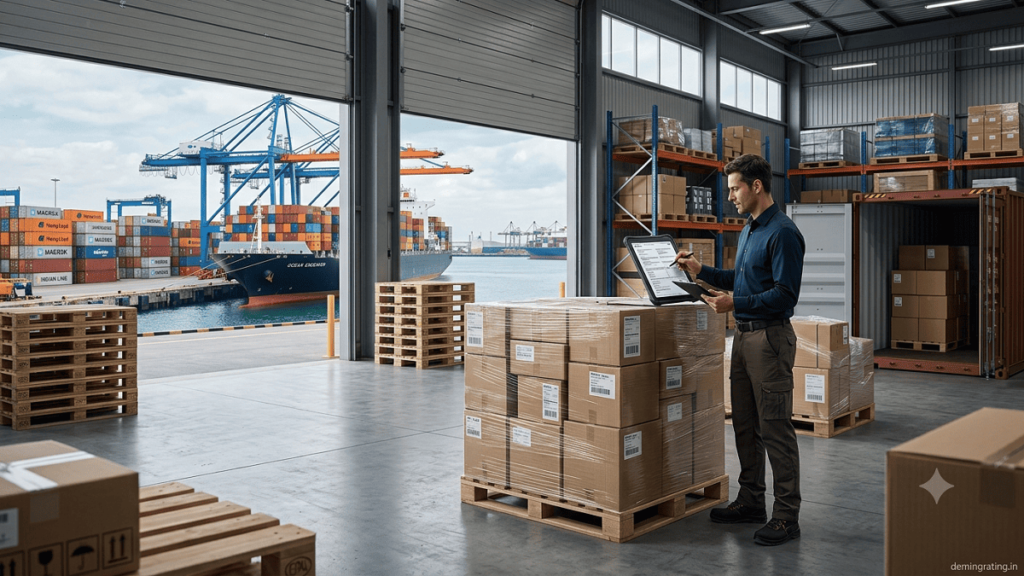
White Paper on Export Management Services
Executive Summary
Global trade has become increasingly complex as businesses expand into new international markets with different regulatory frameworks, customs procedures, and logistics requirements. Export management services (EMS) provide organizations with the expertise, processes, and operational support needed to manage cross-border trade efficiently. By integrating documentation, customs compliance, freight coordination, risk management, and shipment visibility, EMS enables businesses to reduce costs, minimize delays, and improve customer satisfaction.
This white paper explores the role of export management services, the challenges faced by exporters, key operational components, business benefits, and best practices for organizations seeking sustainable international growth.
Introduction
Exporting is one of the most effective strategies for business expansion, allowing companies to reach new customers and diversify revenue streams. However, international trade requires strict adherence to customs regulations, product standards, documentation requirements, and transportation procedures. Even minor errors in export documentation or regulatory compliance can result in shipment delays, financial penalties, or rejected goods.
Export management services provide a structured approach to managing these complexities. Rather than handling export operations internally, businesses partner with specialists who oversee the complete export lifecycle—from order confirmation to final delivery. The International Trade Administration emphasizes that accurate export documentation and proper logistics coordination are essential for successful international shipments.
The Need for Export Management Services
Modern exporters operate within an environment of evolving trade regulations, multiple transportation modes, and increasingly demanding customer expectations. Businesses must coordinate with freight forwarders, customs brokers, shipping lines, insurance providers, banks, and overseas buyers while maintaining compliance with destination-country laws.
Common Export Challenges
- Complex customs and import regulations
- Documentation errors and inconsistent paperwork
- Shipment delays caused by compliance issues
- High logistics and freight costs
- Limited visibility across the supply chain
- Administrative burden on internal teams
Professional export management addresses these challenges by creating standardized processes that improve efficiency and reduce operational risk.
Core Components of Export Management Services
1. Export Documentation
Documentation forms the foundation of every international transaction. Export management providers prepare and verify commercial invoices, packing lists, certificates of origin, bills of lading, export declarations, and other shipment-specific documents. Accurate documentation ensures smoother customs clearance and minimizes border delays.
2. Customs Compliance
Every destination country applies unique tariff classifications, import restrictions, labeling rules, and regulatory requirements. Export management specialists ensure shipments comply with applicable customs procedures and coordinate with customs brokers to facilitate clearance.
3. Logistics and Freight Coordination
Efficient logistics planning includes selecting transportation modes, booking freight, optimizing shipping routes, coordinating warehouses, and arranging cargo insurance. Professional coordination improves delivery reliability while controlling transportation costs.
4. Shipment Tracking
Real-time shipment monitoring provides visibility throughout the supply chain. Export managers communicate proactively with carriers and customers, enabling faster responses to delays or unexpected disruptions.
Strategic Value for SMEs
Small and medium-sized enterprises often lack dedicated export departments. EMS provides access to specialized expertise without requiring significant internal investment. This enables SMEs to compete globally while maintaining lean operational structures.
For Indian exporters, obtaining an Importer-Exporter Code (IEC) and complying with the Foreign Trade Policy are essential regulatory requirements managed through the Directorate General of Foreign Trade (DGFT).
Best Practices for Successful Export Management
Businesses should adopt the following practices when developing an export strategy:
- Standardize export documentation procedures.
- Verify destination-country regulatory requirements before shipment.
- Use accurate HS code classification for products.
- Partner with experienced freight forwarders and customs specialists.
- Implement shipment tracking and supply chain visibility.
- Maintain organized compliance and transaction records.
- Regularly review logistics performance and shipping costs.
These practices contribute to greater operational efficiency and long-term international competitiveness.
Future Outlook
Digital transformation is reshaping export management through electronic documentation, automated customs processing, integrated logistics platforms, and improved shipment visibility. International trade facilitation initiatives continue to encourage simplified border procedures and standardized documentation, creating opportunities for faster and more transparent cross-border commerce.
Conclusion
Export management services have evolved from administrative support into a strategic business function that enables global expansion. By combining documentation expertise, customs compliance, logistics coordination, and operational visibility, EMS reduces risks while improving efficiency across the international supply chain.
For organizations seeking sustainable growth in global markets, investing in professional export management is not merely an operational decision—it is a competitive advantage that supports regulatory compliance, cost optimization, and superior customer experience.
#InternationalTrade
Industry Applications of Export Management Services
Export management services have become an essential part of international business operations across a wide range of industries. As companies expand into overseas markets, they must manage documentation, customs requirements, logistics, compliance, transportation, and communication with international buyers. Professional export management services help businesses coordinate these activities efficiently while reducing the risks associated with cross-border trade.
Manufacturing and Industrial Products
Manufacturers commonly use export management services to ship machinery, components, equipment, chemicals, and finished products to international customers. Export specialists coordinate commercial documentation, product classification, freight arrangements, customs procedures, and delivery schedules. This allows manufacturers to concentrate on production while experienced professionals manage the complexities of international distribution.
Pharmaceuticals and Healthcare
The pharmaceutical and healthcare sectors often face strict regulatory requirements because products may be subject to specialized licensing, labeling, packaging, safety, and documentation standards. Export management services assist companies in coordinating the required paperwork, transportation, customs processes, and shipment conditions. Proper planning is particularly important for products that require controlled temperatures or specialized handling.
Food and Agriculture
Agricultural products, processed foods, beverages, and other food-related goods are exported under specific health, safety, packaging, and certification requirements. Export management providers help businesses coordinate certificates, inspections, customs documentation, freight arrangements, and delivery schedules. Efficient export planning can reduce the risk of shipment delays and help maintain product quality throughout transportation.
Textiles and Apparel
The textile and apparel industry relies heavily on international markets. Export management services support manufacturers and suppliers by coordinating purchase orders, invoices, packing lists, certificates of origin, freight bookings, customs clearance, and shipment tracking. These services are particularly valuable when businesses handle multiple international customers and frequent shipments.
Automotive and Engineering
Automotive manufacturers, component suppliers, and engineering companies often export products through complex international supply chains. Export management professionals coordinate transportation, customs classification, documentation, and delivery requirements across multiple countries. Their support helps companies maintain predictable delivery schedules and manage cross-border supply chain requirements.
E-Commerce and Consumer Goods
The growth of international e-commerce has created new opportunities for small and medium-sized businesses to sell directly to customers overseas. Export management services can help these companies manage international shipping, customs documentation, duties, returns, and logistics coordination. This makes cross-border sales more manageable without requiring businesses to develop extensive internal export departments.
Conclusion
The applications of export management services extend across manufacturing, pharmaceuticals, agriculture, textiles, engineering, e-commerce, and many other industries. By combining documentation management, customs coordination, logistics planning, compliance support, and shipment monitoring, professional export services enable businesses to enter international markets more efficiently.
Organizations can consult resources from the World Trade Organization and the International Trade Administration to better understand international trade procedures and export requirements. For Indian businesses, the Directorate General of Foreign Trade provides information on India’s export regulations and foreign-trade procedures.
#ExportManagement
Ask FAQs
What are export management services?
Export management services help businesses manage international trade activities, including export documentation, customs compliance, logistics coordination, shipment tracking, and communication with overseas buyers.
Why are export management services important for businesses?
They help businesses reduce administrative workload, minimize shipping risks, improve regulatory compliance, control logistics costs, and manage international shipments more efficiently.
Which industries can benefit from export management services?
Manufacturing, pharmaceuticals, agriculture, food processing, textiles, automotive, engineering, electronics, consumer goods, and e-commerce businesses can all benefit from professional export management support.
Can export management services help with customs clearance?
Yes. Export management providers can coordinate with customs brokers, prepare required documentation, verify shipment information, and help ensure that goods comply with applicable customs and import requirements.
How do export management services support international market expansion?
They provide expertise in documentation, compliance, logistics, and shipment coordination, allowing businesses to enter international markets with fewer operational challenges while focusing on sales, customers, and long-term global growth.
Table of Contents
Disclaimer: This content is for general informational purposes only and does not constitute legal, regulatory, customs, or professional trade advice. Export requirements may vary by country and product. Always verify current requirements with the relevant authorities or a qualified trade professional.