Customized Workshops
Table of Contents
Customized Workshops are tailored learning and development programs designed to address the specific needs, challenges, and objectives of an organization. Unlike standardized training courses, these workshops are developed around an organization’s industry, business processes, workforce capabilities, and strategic goals, making the learning experience more relevant, practical, and results-oriented.
In today’s dynamic business environment, organizations face unique operational, technical, and compliance challenges that generic training may not fully address. Customized workshops allow businesses to focus on the skills and knowledge that matter most to their employees, whether in leadership, quality management, cybersecurity, process improvement, customer service, project management, or technical operations. By aligning training with real workplace scenarios, participants gain practical experience that can be immediately applied to their daily responsibilities.
A key advantage of customized workshops is their flexibility. The content, duration, delivery method, and learning activities can be adapted for different departments, job roles, and experience levels. Organizations may choose instructor-led classroom sessions, virtual workshops, hands-on demonstrations, group problem-solving exercises, simulations, or blended learning formats depending on their operational requirements.
Practical learning is at the core of effective customized workshops. Instead of relying solely on theoretical presentations, participants engage in case studies, interactive discussions, role-playing, team activities, and real-world business challenges. This approach encourages collaboration, critical thinking, and the development of solutions that reflect the organization’s actual working environment.
Customized workshops also support continuous improvement by addressing identified skill gaps and reinforcing organizational best practices. Training outcomes can be measured through assessments, participant feedback, performance improvements, and follow-up evaluations, enabling organizations to refine future learning initiatives and maximize return on investment.
Ultimately, Customized Workshops provide a strategic approach to workforce development by delivering targeted, relevant, and engaging learning experiences. By combining expert facilitation, practical application, and organization-specific content, these workshops help improve employee performance, strengthen team collaboration, enhance operational efficiency, and support long-term business success.
#OrganizationalGrowth
What Are Customized Workshops and How Do They Differ from Standard Training Programs?
Customized workshops provide targeted, organization-specific learning experiences, while standard training programs deliver the same curriculum to a broad audience.
Customized Workshops are tailored learning and development programs created to meet the specific objectives, operational challenges, and skill requirements of an organization. Unlike standard training programs, which typically follow a fixed curriculum for a broad audience, customized workshops are designed around an organization’s industry, business processes, employee roles, and strategic goals. This personalized approach makes the learning experience more relevant, practical, and directly applicable to the workplace.
The primary purpose of a customized workshop is to address real business challenges rather than deliver generic knowledge. Organizations begin by identifying skill gaps, performance issues, compliance requirements, or improvement opportunities. Based on this assessment, training content is adapted to reflect actual workflows, technologies, policies, and operational scenarios that employees encounter in their daily responsibilities. As a result, participants are more likely to apply what they learn immediately after the workshop.
One of the most significant differences between customized workshops and standard training programs is content flexibility. Standard training generally uses pre-designed modules with limited customization, making it suitable for foundational or widely applicable topics. Customized workshops, however, allow organizations to modify learning objectives, case studies, practical exercises, assessments, and delivery methods according to departmental or role-specific needs.
Another important distinction is the emphasis on practical application. Customized workshops frequently incorporate organization-specific case studies, simulations, group discussions, role-playing, and collaborative problem-solving activities. Instead of learning from hypothetical examples, participants work on scenarios that closely resemble their own work environment, making the training more engaging and meaningful.
Customized workshops also offer greater flexibility in delivery and audience. They can be conducted as classroom sessions, virtual workshops, on-site practical demonstrations, or blended learning programs. Separate learning paths can be developed for executives, managers, technical teams, customer-facing staff, or operational employees, ensuring that each group receives training appropriate to its responsibilities and experience level.
From an organizational perspective, customized workshops often produce stronger business outcomes because they are aligned with measurable objectives. Training effectiveness can be evaluated through knowledge assessments, participant feedback, workplace performance, productivity improvements, and follow-up reviews. This continuous evaluation helps organizations refine future learning initiatives and maximize the value of their training investment.
Ultimately, customized workshops differ from standard training by prioritizing relevance, flexibility, and real-world application. By delivering targeted learning experiences tailored to organizational needs, they help employees develop practical skills, improve collaboration, solve workplace challenges more effectively, and contribute to long-term organizational success.
#ContinuousLearning
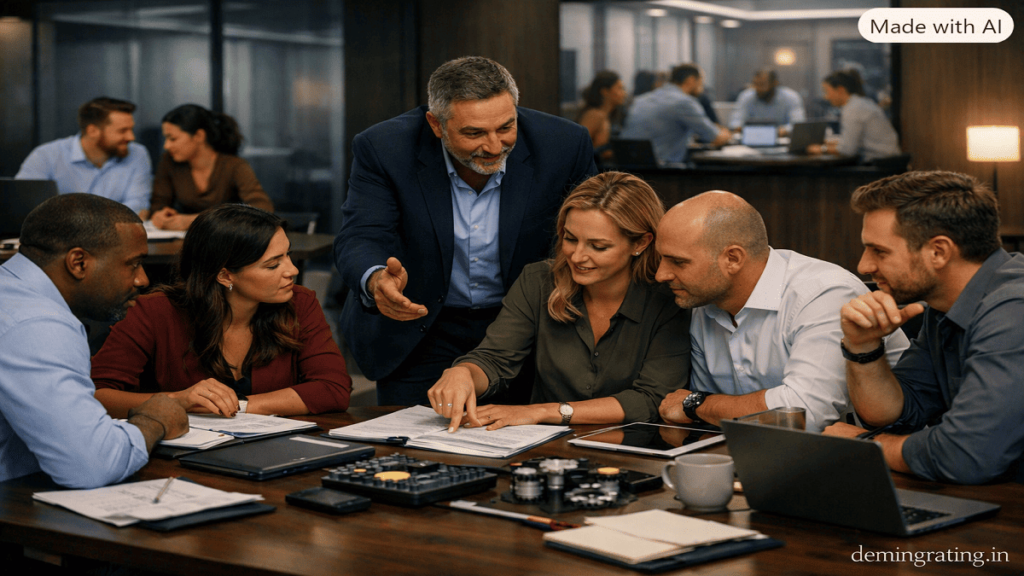
How Can Workshops Be Tailored to Meet an Organization’s Specific Goals and Skill Requirements?
Customized workshops are most effective when they are designed around an organization’s unique objectives, operational challenges, workforce capabilities, and industry requirements. Rather than delivering the same content to every audience, tailored workshops focus on the specific skills employees need to improve performance, solve workplace problems, and support strategic business goals. This targeted approach increases the relevance of training and makes it easier for participants to apply what they learn in their daily roles.
1. Conduct a Training Needs Assessment
The customization process begins with identifying organizational priorities and skill gaps. This may involve reviewing employee performance, manager feedback, customer expectations, compliance requirements, operational challenges, and future business objectives. A thorough needs assessment helps determine which competencies require development and ensures that training addresses real workplace needs rather than generic topics.
2. Align Learning With Business Objectives
Every workshop should support measurable organizational goals. For example, a company aiming to improve customer satisfaction may focus on communication and service excellence, while a manufacturing organization may prioritize quality management, process improvement, and operational efficiency. Aligning learning outcomes with business strategy helps maximize the return on training investment.
3. Customize Content for Job Roles
Different departments require different skills. Customized workshops can be designed specifically for executives, managers, engineers, sales teams, customer support staff, or technical professionals. Role-specific examples, terminology, and responsibilities make the content more meaningful and improve participant engagement.
4. Use Real Workplace Scenarios
One of the greatest strengths of customized workshops is the use of organization-specific case studies, simulations, and practical exercises. Participants work through challenges that closely resemble their actual work environment, allowing them to practice problem-solving, decision-making, and collaboration using familiar processes and situations.
5. Adapt Delivery Methods
Organizations can choose the delivery format that best fits their operations. Workshops may be delivered as instructor-led classroom sessions, virtual training, on-site practical demonstrations, blended learning, or interactive team workshops. The duration and schedule can also be adjusted to minimize disruption to business activities.
6. Measure Results and Continuously Improve
Effective customization continues after the workshop through assessments, participant feedback, manager evaluations, and performance metrics. Measuring knowledge improvement and workplace application helps organizations identify additional development needs and refine future training programs.
Conclusion
Tailored workshops create greater value by connecting learning directly to organizational priorities and employee responsibilities. By combining needs assessment, role-specific content, practical learning, flexible delivery, and measurable outcomes, organizations can develop training programs that improve skills, strengthen team performance, enhance productivity, and support long-term business success.
#LeadershipTraining
What Teaching Methods, Case Studies, and Practical Exercises Make Customized Workshops Effective?
Customized workshops are most effective when they combine engaging teaching methods, realistic case studies, and practical exercises that reflect the organization’s actual work environment. Instead of relying only on lectures or presentations, effective workshops encourage participants to actively analyze problems, collaborate with colleagues, practice new skills, and develop solutions that can be applied immediately in the workplace.
Interactive Teaching Methods
Interactive teaching is central to successful customized workshops. Instructor-led discussions can introduce important concepts, while group discussions encourage participants to share experiences and perspectives. Role-playing and simulations allow employees to practice communication, leadership, decision-making, customer service, or problem-solving skills in realistic situations. Demonstrations and guided exercises can also help participants understand technical processes and apply specific tools or methodologies.
Organization-Specific Case Studies
Case studies make training more relevant by connecting concepts to realistic business situations. Customized workshops can use scenarios based on common organizational challenges, such as quality problems, customer complaints, process inefficiencies, cybersecurity incidents, project delays, or leadership challenges. Participants can examine the situation, identify contributing factors, evaluate possible solutions, and discuss the potential business impact of different decisions.
Practical Problem-Solving Exercises
Hands-on exercises transform theoretical knowledge into practical capability. Participants may analyze sample data, identify root causes, develop corrective actions, conduct process simulations, or create improvement plans. Team-based problem-solving activities are particularly valuable because they encourage collaboration and demonstrate how different departments can work together to resolve operational challenges.
Role-Based Simulations
Role-based exercises can be customized according to participant responsibilities. Managers may practice decision-making and delegation, technical teams may troubleshoot operational scenarios, and customer-facing employees may handle simulated service situations. These exercises provide a safe environment where participants can practice skills, make mistakes, receive feedback, and improve before applying the techniques in real situations.
Assessments and Feedback
Quizzes, knowledge checks, practical demonstrations, presentations, and scenario-based assessments help trainers evaluate learning outcomes. Immediate feedback allows participants to understand areas requiring improvement, while facilitators can adjust activities based on the group’s performance.
Continuous Improvement
Effective customized workshops also include follow-up activities such as action plans, workplace assignments, coaching sessions, and post-training evaluations. These activities help ensure that learning continues after the workshop and that new skills contribute to measurable improvements.
Ultimately, the strongest customized workshops combine interactive instruction, relevant case studies, hands-on exercises, realistic simulations, assessments, and continuous feedback. This approach creates an engaging learning environment while helping employees develop practical capabilities that directly support organizational goals and workplace performance.
#SkillDevelopment
How Can Customized Workshops Improve Employee Engagement, Collaboration, and Problem-Solving Skills?
Customized workshops can significantly improve employee engagement, collaboration, and problem-solving by creating learning experiences that are directly connected to employees’ roles, workplace challenges, and organizational objectives. When training feels relevant and practical, employees are more likely to participate actively, share ideas, and apply newly developed skills in their daily work.
Improving Employee Engagement
Customized workshops make learning more meaningful by focusing on real challenges employees encounter. Instead of relying exclusively on generic examples, participants can work with organization-specific scenarios, processes, and situations. Interactive discussions, simulations, role-playing, demonstrations, and hands-on activities encourage employees to participate rather than simply listen. This active involvement can increase motivation, confidence, and ownership of the learning process.
Strengthening Collaboration
Workshops can bring employees from different departments and experience levels together to work toward common objectives. Team exercises and group discussions encourage participants to exchange knowledge, understand different perspectives, and develop solutions collectively. This can help break down communication barriers between departments and strengthen teamwork.
For example, a workshop addressing process improvement could bring together quality, operations, engineering, and management employees. By analyzing the same workplace challenge from different perspectives, participants can better understand how their responsibilities affect other teams.
Developing Problem-Solving Skills
Customized workshops provide a structured environment for employees to practice identifying problems, analyzing causes, evaluating alternatives, and selecting appropriate solutions. Case studies and realistic simulations can challenge participants to respond to workplace situations without the pressure or consequences associated with making mistakes in actual operations.
Problem-solving activities may include root cause analysis, scenario-based decision-making, process mapping, brainstorming, risk assessment, and corrective-action planning. These exercises help employees develop critical thinking and encourage them to approach challenges systematically rather than relying on assumptions.
Encouraging Knowledge Sharing
Experienced employees can contribute practical knowledge while newer employees bring fresh perspectives. Facilitated discussions allow participants to exchange experiences, best practices, and lessons learned. This creates a collaborative learning environment where knowledge is shared across teams rather than remaining within individual departments.
Supporting Long-Term Improvement
The benefits of customized workshops can extend beyond the training session through action plans, follow-up activities, coaching, and workplace assignments. Employees can apply workshop concepts to actual projects and report their results, creating a connection between professional development and measurable organizational improvement.
Overall, customized workshops create an engaging and collaborative learning environment where employees can participate actively, learn from one another, practice practical problem-solving techniques, and apply new skills to real workplace challenges. This makes training more relevant while supporting stronger teamwork, employee capability, and organizational performance.
#WorkforceDevelopment
What Are the Benefits of Customized Workshops for Organizational Growth, Productivity, and Continuous Learning?
Customized workshops can provide significant benefits for organizations by aligning employee development with business objectives, operational requirements, and future growth plans. Because the content is tailored to specific organizational needs, these workshops can create a more relevant learning experience and help employees develop skills that can be applied directly to their responsibilities.
1. Supports Organizational Growth
Customized workshops help organizations build workforce capabilities that support strategic goals. Training can focus on leadership, technical skills, quality management, communication, project management, customer service, or other competencies required for business expansion. Developing these capabilities internally can help organizations prepare employees for new responsibilities and changing business requirements.
2. Improves Employee Productivity
Training that addresses actual workplace challenges can help employees perform their responsibilities more efficiently. Practical exercises, process-based scenarios, and role-specific learning allow participants to identify inefficiencies and apply improved methods. Better knowledge and stronger skills can contribute to improved work quality, reduced errors, faster decision-making, and more effective use of organizational resources.
3. Strengthens Problem-Solving
Customized workshops provide employees with opportunities to analyze realistic business problems and develop appropriate solutions. Case studies, simulations, root cause analysis, brainstorming, and team exercises encourage employees to approach challenges systematically. This can support better decision-making and help organizations address recurring operational issues.
4. Encourages Collaboration
Workshops can bring employees from different departments together to solve common challenges. Collaborative activities encourage communication, knowledge sharing, and cross-functional understanding. Stronger collaboration can improve coordination between teams and help create a more unified approach to organizational objectives.
5. Builds a Culture of Continuous Learning
Customized workshops can become part of an ongoing employee development strategy rather than a one-time training event. Organizations can use feedback, performance results, assessments, and emerging business requirements to continuously update workshop content. This encourages employees to keep developing their knowledge and adapting to changes in technology, processes, and market expectations.
6. Provides Measurable Business Value
Organizations can evaluate workshop effectiveness through participant assessments, employee feedback, performance indicators, productivity measures, and improvement initiatives. Linking training outcomes to measurable objectives helps organizations understand the value of their learning investments and identify areas for further development.
Conclusion
Customized workshops support organizational growth by connecting employee development directly to business needs. They can improve productivity, strengthen collaboration, develop problem-solving capabilities, and encourage continuous learning. By regularly adapting training to changing organizational requirements, businesses can create a more skilled, engaged, and adaptable workforce capable of supporting sustainable long-term performance.
#EmployeeTraining

Case Study: Customized Workshops for Improving Workforce Performance
Organization Background
ABC Business Solutions is a fictional professional services organization with approximately 300 employees across operations, customer service, project management, and administrative teams. As the organization expanded, management identified inconsistent communication, varying levels of digital proficiency, and challenges with cross-functional collaboration. Existing standardized training programs were not sufficiently addressing the organization’s specific workplace requirements.
Identifying the Training Needs
ABC Business Solutions conducted employee surveys, manager interviews, performance reviews, and workflow assessments to identify the most important development areas. The assessment revealed gaps in communication, teamwork, problem-solving, leadership capabilities, and effective use of workplace technologies.
Rather than implementing a generic training course, management decided to develop a series of Customized Workshops aligned with the organization’s actual processes, employee responsibilities, and strategic objectives.
Customized Workshop Approach
The organization developed separate learning modules for different employee groups. Managers participated in workshops focused on leadership, delegation, communication, and decision-making, while operational teams focused on process improvement, problem-solving, collaboration, and digital tools.
The workshops incorporated expert-led instruction, organization-specific case studies, role-playing, group exercises, simulations, and practical problem-solving activities. Participants were encouraged to analyze realistic workplace situations and develop solutions that could be applied within their own departments.
Implementation and Employee Participation
The workshops were delivered through a combination of classroom and interactive sessions. Employees worked in cross-functional teams to address simulated business challenges, allowing participants from different departments to understand how their responsibilities affected overall organizational performance.
Facilitators also provided individual and group feedback throughout the sessions. Participants created action plans identifying specific skills and practices they intended to apply after completing the workshops.
Outcomes
Following implementation, ABC Business Solutions reported several positive outcomes. Employees demonstrated stronger confidence in using workplace technologies and improved their ability to communicate across departments. Managers reported better delegation and team coordination, while employees became more comfortable participating in collaborative problem-solving activities.
The organization also observed greater awareness of process inefficiencies and increased participation in internal improvement initiatives. Follow-up assessments helped management identify additional learning requirements and refine future workshops.
Key Lessons
The case study demonstrates that customized training can be more effective when it is closely connected to organizational needs. Key lessons included:
- Training should begin with a clear assessment of skill gaps and business objectives.
- Content should reflect employees’ actual roles and workplace challenges.
- Practical exercises can improve the transfer of knowledge into workplace performance.
- Cross-functional activities can strengthen collaboration and knowledge sharing.
- Follow-up assessments help sustain learning and identify future development needs.
Conclusion
The experience of ABC Business Solutions illustrates how Customized Workshops can support employee development while addressing specific organizational challenges. By combining tailored content, practical learning, collaboration, and measurable follow-up, organizations can create more relevant training experiences that contribute to improved employee capabilities, productivity, teamwork, and continuous organizational growth.
#ProfessionalDevelopment
White Paper: Customized Workshops for Workforce Development and Organizational Performance
Executive Summary
Organizations operate in environments shaped by changing technologies, customer expectations, regulatory requirements, and competitive pressures. As a result, employees need training that is relevant to their specific responsibilities and organizational objectives. Customized Workshops provide a flexible approach to workforce development by adapting learning content, teaching methods, practical exercises, and assessments to address identified business and skill requirements.
Unlike standardized training programs, customized workshops focus on the organization’s specific processes, challenges, workforce capabilities, and strategic priorities. This approach can improve learning relevance, employee engagement, collaboration, problem-solving, and the practical application of newly acquired knowledge.
1. Understanding Customized Workshops
Customized Workshops are structured learning programs developed specifically for an organization, department, or employee group. They may address technical competencies, leadership, communication, quality management, cybersecurity, compliance, project management, customer service, or process improvement.
The customization process generally begins with an assessment of organizational objectives and workforce skill gaps. Training content is then developed around the identified requirements, ensuring that participants receive knowledge and practical experience that are directly applicable to their roles.
2. Key Components of Effective Customized Workshops
Successful workshops typically combine several learning elements:
- Needs assessment: Identifying performance gaps, business priorities, and development requirements.
- Tailored content: Adapting topics and examples to organizational processes and objectives.
- Interactive instruction: Using discussions, demonstrations, presentations, and facilitated activities.
- Practical exercises: Providing opportunities to apply concepts through realistic workplace scenarios.
- Case studies: Using relevant challenges to develop analysis and decision-making skills.
- Simulations and role-playing: Allowing participants to practice skills in a controlled environment.
- Assessments: Measuring knowledge, understanding, and practical application.
- Follow-up activities: Reinforcing learning through action plans, coaching, and workplace assignments.
3. Benefits for Organizations
Customized workshops can contribute to organizational performance in several ways. Role-specific training can improve employee capability and confidence, while practical exercises help participants transfer knowledge into workplace activities.
Organizations may also benefit from improved collaboration when employees from different departments participate in shared problem-solving exercises. By examining common challenges together, teams can develop a better understanding of cross-functional dependencies and identify opportunities for process improvement.
Customized learning can also support productivity by focusing on specific operational issues. Instead of spending significant training time on topics that are not relevant to participants, organizations can concentrate resources on competencies that directly support business objectives.
4. Supporting Employee Engagement and Continuous Learning
Employee engagement is strengthened when participants understand how training relates to their responsibilities and career development. Relevant examples, interactive activities, and opportunities to contribute personal experiences can create a more engaging learning environment.
Customized workshops can also become part of a continuous learning strategy. Organizations can regularly review employee performance, business requirements, technology changes, and feedback to update workshop content. This creates an ongoing development cycle rather than treating training as a one-time activity.
5. Measuring Workshop Effectiveness
Training effectiveness should be evaluated using measurable indicators. Organizations can assess participant knowledge through quizzes and practical demonstrations, while longer-term evaluation can examine changes in workplace performance.
Potential measures include employee feedback, skill assessments, productivity indicators, quality improvements, error reduction, project performance, customer satisfaction, and successful completion of improvement initiatives. Combining learning assessments with workplace performance data provides a stronger understanding of training value.
6. Implementation Considerations
Organizations should establish clear objectives before developing a customized workshop. The target audience, required competencies, delivery format, duration, learning activities, and success measures should be defined in advance.
Trainer expertise is also important. Facilitators should understand both the subject matter and the practical context in which participants will apply their knowledge. Regular communication between organizational stakeholders and training providers can help ensure that the final program remains aligned with business requirements.
Conclusion
Customized Workshops provide organizations with a flexible and targeted approach to employee development. By combining needs assessment, tailored content, practical learning, relevant case studies, interactive teaching, and measurable outcomes, organizations can create training experiences that are closely connected to real workplace requirements.
When implemented as part of a broader continuous learning strategy, customized workshops can help strengthen employee capabilities, collaboration, productivity, problem-solving, and organizational adaptability. Their greatest value comes from connecting learning directly to the challenges and objectives that matter most to the organization.
#CorporateTraining
Industry Application of Customized Workshops
Customized Workshops can be applied across a wide range of industries because training content, practical exercises, and learning objectives can be adapted to specific operational requirements. By connecting professional development with real workplace challenges, organizations can build relevant skills while supporting productivity, quality, compliance, and continuous improvement.
1. Manufacturing
Manufacturing organizations can use customized workshops for quality management, process improvement, lean operations, workplace safety, equipment efficiency, and problem-solving. Practical exercises can use production scenarios, quality issues, process data, and root cause analysis to help employees apply improvement techniques directly to manufacturing operations.
2. Healthcare
Healthcare organizations can develop workshops around patient safety, communication, leadership, compliance, infection-control practices, technology adoption, and operational efficiency. Role-playing and realistic scenarios can help healthcare teams strengthen communication, decision-making, teamwork, and service quality.
3. Financial Services
Banks, financial institutions, and other financial organizations can customize workshops covering risk management, customer service, cybersecurity awareness, compliance, leadership, and data protection. Scenario-based exercises can help employees understand how to respond to operational risks, customer situations, and regulatory requirements.
4. Information Technology and Cybersecurity
IT organizations can use customized workshops to strengthen technical capabilities, cybersecurity awareness, incident response, cloud technologies, project management, and service management. Hands-on simulations and technical exercises allow employees to practice responding to realistic technology and security challenges.
5. Retail and E-Commerce
Retail organizations can tailor workshops around customer experience, sales performance, digital tools, inventory management, leadership, and service quality. Employees can participate in customer-service simulations and problem-solving activities designed around realistic purchasing and service scenarios.
6. Automotive and Engineering
Automotive and engineering organizations can use customized workshops for quality tools, process improvement, technical skills, project management, risk assessment, and operational excellence. Practical case studies can focus on product defects, process variation, engineering challenges, and continuous improvement opportunities.
7. Government and Public Sector
Government organizations can customize workshops around leadership, public service, communication, compliance, digital transformation, project management, and organizational efficiency. Workshops can be structured around public-sector processes and service-delivery challenges.
8. Professional Services
Consulting, legal, accounting, and other professional service organizations can use customized workshops to develop leadership, communication, client management, technology, teamwork, and business-development capabilities. Training can be tailored to different career levels and professional responsibilities.
Conclusion
The flexibility of Customized Workshops makes them valuable across diverse industries. By aligning training content with industry requirements, employee responsibilities, organizational objectives, and real-world challenges, businesses can create more relevant learning experiences. Whether the goal is improving technical capability, strengthening leadership, enhancing customer service, managing risk, or supporting continuous improvement, customized workshops can help organizations develop a more capable, adaptable, and high-performing workforce.
#CustomizedWorkshops
Ask FAQs
What are Customized Workshops?
Customized Workshops are tailored training programs designed around an organization’s specific goals, employee skill requirements, operational challenges, and industry needs.
How do Customized Workshops differ from standard training?
Standard training generally follows a predefined curriculum, while Customized Workshops adapt content, examples, exercises, and assessments to the organization’s specific requirements.
Who can benefit from Customized Workshops?
Organizations of all sizes and across industries can benefit, including employees, managers, technical teams, leadership groups, and specialized departments.
What methods are used in Customized Workshops?
Common methods include interactive discussions, case studies, role-playing, simulations, demonstrations, group activities, practical exercises, assessments, and workplace-based problem-solving.
What are the key benefits of Customized Workshops?
They can improve employee engagement, collaboration, problem-solving, productivity, skill development, and continuous learning while aligning workforce capabilities with organizational objectives.
Disclaimer: This content is for general informational purposes only and should not be considered professional training, legal, or compliance advice.