Comprehensive Export Management
Comprehensive Export Management is an end-to-end approach to managing the activities involved in selling and delivering products to international markets. It brings together export planning, documentation, regulatory compliance, customs coordination, logistics, shipment tracking, international sales support, and risk management within a structured process. For businesses expanding globally, comprehensive export management can simplify complex cross-border operations while improving efficiency and reliability.
International exporting involves multiple stakeholders, including manufacturers, suppliers, freight forwarders, customs brokers, carriers, banks, distributors, and overseas customers. Without effective coordination, businesses can experience documentation errors, customs delays, unexpected logistics expenses, and communication gaps. Comprehensive export management provides centralized coordination between these parties.
Key Components of Comprehensive Export Management
Export Documentation:
Professional export management includes preparing and reviewing essential documents such as commercial invoices, packing lists, certificates of origin, transport documents, export declarations, and product-specific certificates. Accurate documentation supports efficient customs processing and helps reduce shipment delays.
Customs and Regulatory Compliance:
Different countries have different import regulations, product standards, labeling requirements, tariffs, and licensing procedures. Export management professionals help businesses identify applicable requirements and coordinate with customs specialists. The International Trade Administration provides resources for understanding export regulations and international trade procedures.
International Logistics:
Logistics management involves selecting appropriate transportation methods, coordinating freight bookings, managing warehouses, arranging cargo insurance, and monitoring delivery schedules. Efficient planning can help businesses control transportation costs while maintaining reliable delivery performance.
Shipment Coordination and Tracking:
Comprehensive export management extends through the shipment lifecycle. Export teams monitor cargo movement, coordinate with carriers and logistics partners, provide updates to customers, and respond to potential delays or disruptions.
Risk and Performance Management:
Businesses must consider currency fluctuations, payment risks, regulatory changes, supply-chain disruptions, and market-specific challenges. Export management services can help establish procedures for identifying and mitigating these risks while monitoring key performance indicators such as delivery times, logistics costs, export revenue, and customer retention.
Benefits for Businesses
A comprehensive approach can reduce administrative workload and allow internal teams to focus on manufacturing, sales, and customer relationships. It can also improve documentation accuracy, shipment visibility, regulatory compliance, and overall supply-chain coordination.
For Indian exporters, the Directorate General of Foreign Trade (DGFT) provides official information regarding India’s Foreign Trade Policy, export procedures, and regulatory requirements.
Conclusion
Comprehensive Export Management provides businesses with a coordinated framework for handling international trade from planning through delivery. By integrating documentation, compliance, customs, logistics, shipment coordination, and risk management, companies can reduce operational complexity and create more reliable export processes. This makes comprehensive export management an important component of sustainable international business growth.
#GlobalTrade
What Is Comprehensive Export Management and Why Is It Important for Successful International Trade?
Comprehensive export management is an end-to-end approach to planning, coordinating, and controlling the activities involved in exporting products from one country to customers in another. Instead of treating documentation, customs, transportation, compliance, and customer delivery as separate tasks, comprehensive export management connects them into one coordinated process. This approach helps businesses manage international transactions efficiently while reducing operational risks.
International trade involves several stakeholders, including exporters, overseas buyers, freight forwarders, customs brokers, shipping companies, financial institutions, insurers, and government authorities. Effective coordination between these parties is essential because an issue in one part of the process can affect the entire shipment.
What Does Comprehensive Export Management Include?
A comprehensive export management program generally covers market and order planning, export documentation, customs coordination, regulatory compliance, freight management, shipment tracking, and delivery coordination.
Documentation is a particularly important component. Depending on the transaction, exporters may need commercial invoices, packing lists, certificates of origin, bills of lading or airway bills, export declarations, and product-specific certificates. The International Trade Administration explains that export documentation requirements can vary according to the product, destination, and transaction.
Customs and regulatory compliance are equally important. Exporters must understand applicable tariffs, product classifications, import regulations, licenses, labeling requirements, and destination-country standards. Professional export management helps businesses identify these requirements and coordinate with relevant customs and logistics professionals.
Logistics management covers transportation planning, freight booking, cargo insurance, warehousing, route selection, and shipment tracking. The World Trade Organization emphasizes the importance of efficient trade facilitation and streamlined border procedures for international commerce.
Why Is It Important?
Comprehensive export management is important because it can reduce delays, control costs, minimize compliance risks, and improve shipment visibility. Businesses can also reduce the administrative burden on internal teams by having specialists coordinate multiple export activities.
For companies expanding internationally, this integrated approach provides greater consistency and helps establish repeatable export processes. It can also improve customer satisfaction because buyers receive more reliable delivery schedules and better shipment communication.
For Indian exporters, the Directorate General of Foreign Trade (DGFT) provides official information on India’s Foreign Trade Policy, export procedures, and related requirements.
Conclusion
Comprehensive export management provides businesses with a structured framework for handling international trade from order processing to final delivery. By integrating documentation, customs, compliance, logistics, shipment coordination, and risk management, businesses can simplify complex export operations and improve their ability to compete in global markets. For companies pursuing long-term international growth, effective export management can serve as an important foundation for efficient, compliant, and reliable global trade.
#SupplyChainManagement
What Activities Should a Comprehensive Export Management System Cover?
A comprehensive export management system should cover the complete international trade cycle, from identifying suitable markets and acquiring overseas customers to processing orders, completing documentation, coordinating customs, arranging transportation, and confirming final delivery. An integrated approach helps businesses maintain control over each stage of an export transaction while reducing administrative errors, delays, and compliance risks.
1. Market Research and Opportunity Identification
The process should begin with international market research. Businesses can assess target countries based on customer demand, market size, competition, purchasing power, tariffs, regulations, logistics infrastructure, and growth potential. Market research helps exporters prioritize countries where their products have a realistic commercial opportunity. The International Trade Administration provides resources for researching foreign markets and identifying potential opportunities.
2. Customer and Order Management
Once a target market has been identified, export management should support customer identification, quotation preparation, negotiation, order confirmation, and contract management. Businesses should establish clear payment terms, delivery responsibilities, product specifications, and applicable Incoterms before accepting an international order.
3. Product and Compliance Verification
Before shipment, exporters should confirm that the product meets destination-country requirements. This may involve checking HS classification, import restrictions, labeling requirements, technical standards, licenses, and certifications. Early verification can prevent problems during customs clearance.
4. Export Documentation
Documentation is a central part of export management. Depending on the transaction, required documents can include commercial invoices, packing lists, certificates of origin, bills of lading or airway bills, export declarations, and product-specific certificates. The International Trade Administration provides guidance on common export documents and their purposes.
5. Customs Clearance
A comprehensive system should coordinate customs-related activities, including document submission, tariff classification, customs declarations, inspections, and communication with customs brokers. Proper preparation helps reduce clearance delays and unexpected costs.
6. Logistics and Freight Management
Export management should coordinate transportation from the supplier’s facility to the overseas customer. This includes selecting carriers, booking freight, arranging warehousing, preparing cargo, managing insurance, and selecting appropriate transportation routes and modes.
7. Shipment Tracking and Delivery
After dispatch, businesses should monitor shipment progress and communicate important updates to customers and logistics partners. Tracking helps exporters identify delays or disruptions and take corrective action. Final delivery should also be documented and confirmed.
8. Payment, Records, and Performance Monitoring
A complete system should also support payment monitoring, transaction records, compliance documentation, and performance analysis. Key indicators can include export revenue, profit margins, shipping costs, delivery performance, customs delays, and customer retention.
Conclusion
A comprehensive export management system should connect market research, customer acquisition, order processing, compliance, documentation, customs, logistics, shipment tracking, payment, and delivery into one coordinated workflow. This end-to-end approach enables businesses to reduce operational complexity, improve visibility, control costs, and create a more reliable international trade process.
For Indian exporters, the Directorate General of Foreign Trade (DGFT) is an important source for current export policies and procedures, while the World Trade Organization provides resources on international trade facilitation.
#InternationalBusiness

How Can Exporters Manage Customs Compliance, Certifications, Logistics, Shipping, Insurance, and International Payment Requirements?
Managing an international export transaction requires coordination across regulatory, logistical, financial, and documentation functions. A comprehensive approach helps exporters reduce shipment delays, avoid compliance problems, control costs, and protect their revenue. Businesses should establish a standardized export process covering each stage from order confirmation through payment and final delivery.
1. Manage Customs Compliance
Exporters should first identify the destination country’s customs requirements, applicable tariffs, product classifications, import restrictions, and documentation requirements. Correct HS classification, accurate product descriptions, and consistent shipment information are essential for smooth customs processing. Requirements can vary considerably between countries, so exporters should verify them with official authorities, the overseas buyer, customs brokers, or experienced freight forwarders. (Trade.gov)
2. Verify Certifications and Standards
Some products require certificates related to safety, health, quality, technical standards, origin, or product conformity. Exporters should determine these requirements before accepting an order and allow sufficient time for testing or certification. Certificates of origin may also be required by customs authorities or buyers, particularly where preferential tariff arrangements apply. (Trade.gov)
3. Coordinate Logistics and Shipping
Exporters should select transportation methods based on product characteristics, delivery deadlines, destination, and total landed cost. They may work with freight forwarders, carriers, customs brokers, and third-party logistics providers to arrange cargo pickup, packing, freight booking, customs clearance, and delivery.
Using appropriate Incoterms is also important because they clarify which party is responsible for transportation, insurance, documentation, customs clearance, costs, and risks. (Trade.gov)
4. Protect Shipments With Appropriate Insurance
Cargo insurance can protect exporters or buyers against eligible loss or damage during transportation. Coverage should be selected according to the type of goods, transportation method, route, contractual responsibilities, and risk exposure. Exporters should confirm who is responsible for insurance under the agreed Incoterm and ensure the required insurance documentation is available. (Trade.gov)
5. Manage International Payments
Payment terms should be agreed before shipment and selected according to the level of risk for both parties. Options can include advance payment, documentary collections, letters of credit, open-account arrangements, and other agreed methods. Exporters should assess buyer creditworthiness and clearly define payment deadlines and required banking documents. The International Trade Administration notes that choosing an appropriate payment method is important for managing payment risk in international transactions. (Trade.gov)
For Indian exporters, foreign-exchange and export-realization requirements should be managed through the applicable banking and regulatory framework. DGFT’s e-BRC system provides electronic confirmation of export proceeds and supports related trade-policy and tax processes. (DGFT Content)
Conclusion
Effective export management requires an integrated system covering customs compliance, certifications, logistics, shipping, insurance, documentation, and international payments. Standardized procedures, reliable logistics partners, accurate records, and regular compliance reviews can significantly reduce operational risks. By managing these areas systematically, exporters can improve delivery reliability, protect financial interests, and build stronger long-term relationships with international customers. (Trade.gov)
#ExportCompliance
How Can Effective Export Management Reduce Regulatory Risks, Shipment Delays, Costs, and Operational Challenges?
Effective export management provides a structured system for controlling the regulatory, logistical, financial, and administrative activities involved in international trade. By coordinating these activities from order confirmation through final delivery, businesses can reduce avoidable errors, improve shipment reliability, and control the costs associated with cross-border transactions. The World Trade Organization notes that trade facilitation measures such as simplified procedures, improved customs processes, digitalization, and more efficient logistics can reduce bureaucracy, delays, and transaction costs. (World Trade Organization)
1. Reducing Regulatory Risks
Exporters must comply with both their own country’s export regulations and the destination country’s import requirements. These can include product standards, licenses, labeling rules, certifications, tariffs, customs procedures, and documentation requirements. Effective export management establishes a compliance process for identifying these requirements before goods are shipped.
Businesses can also maintain standardized checklists, verify product classifications, review customer and destination information, and work with qualified customs professionals. Since documentation requirements vary between countries and shipment types, verifying requirements in advance is essential. (Trade.gov)
2. Preventing Shipment Delays
Incorrect or incomplete documentation is a common source of export delays. Export management reduces this risk by reviewing commercial invoices, packing lists, certificates, transport documents, and other required paperwork before dispatch.
Shipment planning also involves selecting appropriate transportation methods, preparing cargo correctly, coordinating freight forwarders, and monitoring shipments. The International Trade Administration emphasizes that proper documentation, shipping preparation, and appropriate transportation choices are important for getting goods delivered safely and on time. (Trade.gov)
3. Controlling Export Costs
Effective export management can reduce costs by comparing freight options, optimizing routes, coordinating shipments, reducing documentation errors, and preventing avoidable storage, detention, or demurrage charges. Selecting appropriate Incoterms is particularly important because they define responsibilities for costs, risks, shipping, insurance, documentation, and customs activities between buyers and sellers. (Trade.gov)
The WTO also identifies transport, information, transaction, and regulatory factors as important determinants of international trade costs. (Trade Cost Index)
4. Improving Operational Efficiency
International shipments involve multiple parties, including suppliers, warehouses, carriers, customs brokers, banks, insurers, and overseas customers. A centralized export management process assigns responsibilities clearly and ensures that information moves efficiently between stakeholders.
Digital documentation, shipment tracking, standardized workflows, and centralized record keeping can further reduce administrative workload and improve visibility. This allows employees to spend less time resolving routine export problems and more time focusing on sales and business development.
Conclusion
Effective export management reduces international trade challenges by combining regulatory compliance, accurate documentation, logistics planning, cost control, shipment monitoring, and stakeholder coordination. By identifying potential problems before goods leave the country and maintaining visibility throughout the shipment process, businesses can reduce regulatory risks, prevent delays, control expenses, and create more reliable export operations. This structured approach ultimately strengthens supply-chain performance and supports sustainable international growth. (World Trade Organization)
#GlobalLogistics
What Strategies Can Businesses Use to Improve Export Performance, Customer Satisfaction, and Long-Term International Market Growth?
Businesses seeking sustainable international growth should treat export management as an ongoing strategic process rather than a series of individual shipments. A strong export strategy combines market research, customer understanding, competitive pricing, reliable logistics, regulatory compliance, and continuous performance measurement. The International Trade Administration recommends using a flexible export plan with defined objectives and milestones, then comparing actual results with planned outcomes and adjusting the strategy as market knowledge develops. (Trade.gov)
1. Focus on the Right International Markets
Export performance improves when companies concentrate resources on markets with genuine demand and attractive commercial potential. Businesses should regularly evaluate market size, growth trends, competition, landed costs, tariffs, regulations, and customer requirements. Comparing several potential markets can help exporters prioritize opportunities rather than spreading resources too thinly. (Trade.gov)
2. Understand and Serve International Customers
Customer satisfaction depends on more than product quality. Exporters should understand local purchasing behavior, delivery expectations, communication preferences, payment practices, and after-sales requirements. Gathering customer feedback, monitoring repeat orders, and resolving complaints quickly can strengthen relationships and improve retention.
Businesses should also work with reliable overseas distributors or representatives when local market knowledge is important. Properly evaluating potential partners can reduce commercial risks and improve market access. (Trade.gov)
3. Improve Logistics and Delivery Reliability
Reliable delivery is a major contributor to customer satisfaction. Companies should evaluate freight providers, transportation routes, inventory levels, packaging, customs processes, and shipment-tracking systems. Digital documentation and streamlined trade procedures can reduce paperwork, delays, and transaction costs. (World Trade Organization)
The WTO’s research also indicates that customs delays can negatively affect export performance, demonstrating why efficient border and logistics processes should be a strategic priority. (World Trade Organization)
4. Optimize Pricing and Total Export Costs
Export pricing should account for production, packaging, freight, insurance, duties, taxes, distributor margins, currency movements, and other market-entry costs. Businesses should periodically review these factors to ensure that pricing remains competitive while protecting profitability.
5. Strengthen Compliance and Risk Management
Companies should continuously monitor changes in destination-country regulations, certifications, product standards, tariffs, and customs procedures. Maintaining accurate documentation and standardized compliance procedures reduces the risk of shipment holds, penalties, and customer disruption.
6. Track Export Performance
Businesses should establish KPIs such as export revenue, profit margin, customer retention, repeat orders, market share, on-time delivery, logistics cost per shipment, customs delays, and order-cycle time. Regular performance reviews help management identify underperforming markets and make evidence-based adjustments.
7. Diversify for Long-Term Growth
Relying heavily on one country, customer, or product can increase exposure to economic and regulatory changes. Gradually expanding into additional suitable markets and developing multiple customer segments can create a more resilient export portfolio. Export diversification can also create opportunities for new products and destinations. (wtochairs.wto.org)
Conclusion
Long-term export success depends on continuous improvement rather than one-time market entry. Businesses can strengthen international performance by selecting the right markets, understanding customers, optimizing costs, improving logistics, maintaining compliance, measuring KPIs, and diversifying their international presence. A flexible, data-driven export strategy enables companies to respond to changing market conditions while improving customer satisfaction and building sustainable global growth.
#InternationalTrade
Case Study of Comprehensive Export Management
Introduction
Comprehensive export management becomes particularly valuable when an international shipment involves multiple regulatory, documentation, logistics, and payment requirements. A recent case involving Ixoreal Biomed, the producer of KSM-66 Ashwagandha, demonstrates how an integrated export order-management system can improve operational efficiency. According to the published case study, Ixoreal distributed products across the United States, Canada, and Asia-Pacific, with export orders requiring extensive customs documentation.
The Challenge
As export volumes increased, Ixoreal’s team was managing customs documentation manually through multiple Excel files. Each shipment required a specific collection of compliance documents, while staff had to repeatedly enter, verify, and cross-check information.
This created several operational challenges. Manual document preparation consumed significant employee time and increased the possibility of errors. Because an incorrect document could delay customs clearance, the company needed a more reliable way to manage the complete export order lifecycle.
The situation illustrates a common challenge faced by growing exporters: increasing international sales can create an administrative burden that becomes difficult to manage through disconnected spreadsheets and manual processes. Research on export documentation in Indian logistics operations similarly identifies documentation errors and customs delays as important operational challenges.
Comprehensive Export Management Solution
Ixoreal implemented a customized export order-management platform that brought key export activities together within a single system.
Customers could submit export orders through a dedicated portal, while the internal team could review, approve, and manage those orders from one interface. Most customs-clearance documents were automatically generated using information already entered into the order, reducing the need for repeated manual document preparation.
The system also incorporated payment tracking, shipment monitoring, delivery confirmation, and document management. Instead of maintaining information across separate spreadsheets and communication channels, the company could manage the export lifecycle through one centralized platform.
Results
The published case study reports an 80% reduction in manual document processing for customs-clearance documentation. It also states that the entire export lifecycle, from order intake through delivery tracking, was managed through the centralized platform.
These improvements demonstrate several important benefits of comprehensive export management:
- Reduced manual documentation workload
- Greater consistency across export documents
- Improved shipment and payment visibility
- Centralized access to historical export records
- More efficient coordination between export activities
- Reduced dependence on repetitive spreadsheet-based processes
Key Lessons for Exporters
The case demonstrates that comprehensive export management is not limited to freight forwarding or customs clearance. Effective systems should connect order processing, compliance documentation, payment monitoring, shipping, tracking, and record management.
For growing exporters, digitizing repetitive activities can also create a more scalable operating model. Instead of increasing administrative resources every time export volume grows, businesses can standardize workflows and automate appropriate processes.
Another important lesson is that export management should be designed around the complete transaction. Documentation, logistics, payments, and delivery are interconnected, so managing them separately can create information gaps and unnecessary duplication.
Conclusion
The Ixoreal case demonstrates how comprehensive export management can transform a complex export operation into a more structured and scalable process. By integrating order management, automated documentation, payment tracking, shipment monitoring, and document storage, the company significantly reduced manual documentation work while gaining greater control over its international export lifecycle.
For businesses expanding internationally, the case provides a practical lesson: efficient export management requires coordination across the entire transaction, not simply the movement of goods. Combining standardized processes, accurate documentation, technology, and logistics coordination can help exporters reduce administrative complexity and build more reliable international operations.
#ExportManagement
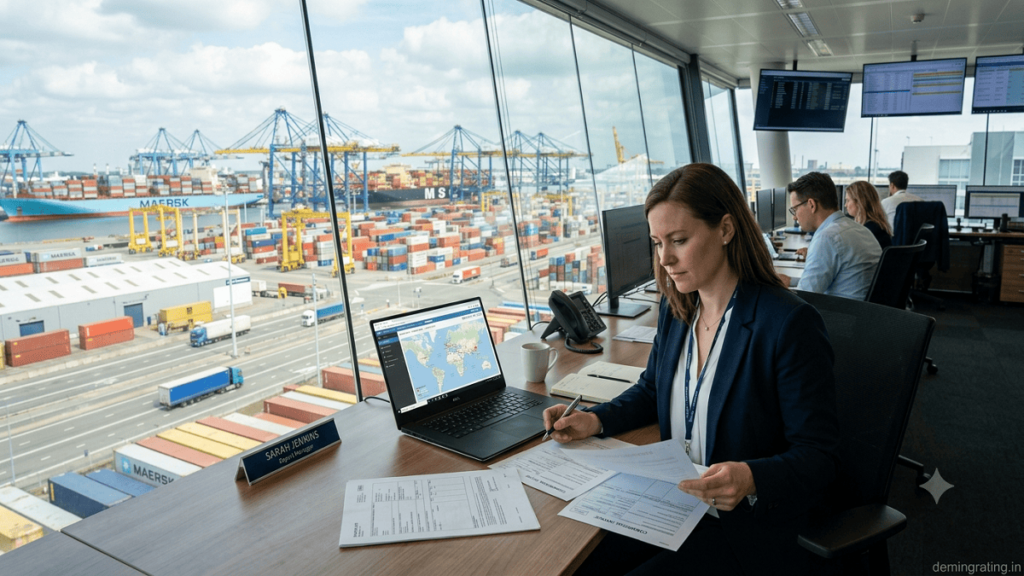
White Paper on Comprehensive Export Management
Executive Summary
Comprehensive Export Management is an integrated approach to managing the complete export lifecycle, from international market planning and customer orders to documentation, customs compliance, logistics, shipment tracking, payment, and final delivery. As businesses expand across borders, managing these activities separately can create documentation errors, regulatory exposure, shipment delays, unexpected costs, and administrative complexity.
A comprehensive export management framework connects these functions through standardized processes, clear responsibilities, technology, and performance monitoring. The International Trade Administration identifies market entry, foreign buyers, payment, shipping, and transaction completion as interconnected parts of the export process. (Trade.gov)
1. Introduction
International trade involves considerably more complexity than domestic commerce. An exporter may need to coordinate with overseas buyers, suppliers, freight forwarders, customs authorities, carriers, banks, insurers, warehouses, and government agencies.
Each transaction can involve different documentation, customs procedures, product requirements, tariffs, certifications, transportation arrangements, and payment conditions. Comprehensive export management provides a structured system for coordinating these activities and maintaining visibility throughout the transaction.
The objective is not simply to move goods from one country to another. It is to create an efficient, compliant, predictable, and scalable export operation.
2. Core Elements of Comprehensive Export Management
Market and Customer Management
Export management begins before an order is shipped. Businesses should evaluate target markets, customer requirements, competitors, pricing conditions, trade restrictions, and commercial opportunities.
Once customers are identified, businesses should establish appropriate quotation, contract, payment, delivery, and communication procedures. Understanding customer requirements early can prevent problems later in the export process.
Order Processing
An effective export system should provide a standardized workflow for receiving and reviewing international orders. Important information includes product specifications, quantities, pricing, delivery terms, destination, buyer details, payment conditions, and agreed Incoterms.
Order information should be checked before production or shipment begins to identify potential compliance, pricing, or logistics problems.
Export Documentation
Documentation is one of the most important elements of export management. Depending on the transaction, exporters may need commercial invoices, packing lists, transport documents, certificates of origin, export declarations, licenses, and product-specific certificates.
The International Trade Administration explains that documentation requirements vary according to the destination and type of shipment and that errors or omissions can cause delays, nonpayment, or other serious problems. (Trade.gov)
For Indian exporters, the DGFT Foreign Trade Policy specifies mandatory export documents including a bill of lading or equivalent transport document, commercial invoice-cum-packing list, and shipping bill or bill of export, subject to applicable requirements and exemptions. (DGFT Content)
3. Customs and Regulatory Compliance
Customs compliance should be incorporated into export planning rather than handled only when a shipment reaches the border.
Exporters should verify product classification, applicable duties, restrictions, licenses, country-of-origin requirements, certifications, labeling rules, and destination-country import requirements. The WTO Trade Facilitation Agreement emphasizes making trade procedures and documentation accessible and reducing unnecessary complexity and compliance costs. (World Trade Organization)
Businesses can establish compliance checklists and review procedures to ensure that the information appearing on invoices, packing lists, customs declarations, and transport documents remains consistent.
4. Logistics and Shipment Management
Comprehensive export management should coordinate the physical movement of goods from the exporter to the overseas customer.
Key activities include:
- Freight planning and carrier selection
- Packaging and cargo preparation
- Warehouse coordination
- Freight booking
- Transportation scheduling
- Cargo insurance
- Customs clearance
- Shipment tracking
- Delivery coordination
- Exception and delay management
Businesses should evaluate logistics options based on reliability, delivery time, total cost, cargo characteristics, and destination requirements rather than focusing solely on the lowest freight price.
The WTO identifies trade facilitation as a means of simplifying and modernizing export, import, and transit processes while reducing unnecessary paperwork, delays, and transaction costs. (World Trade Organization)
5. International Payment Management
Payment management is another critical component. Exporters should establish appropriate payment terms based on the customer relationship, transaction value, country risk, and level of commercial exposure.
Depending on the transaction, businesses may use advance payment, documentary collections, letters of credit, open-account arrangements, or other agreed payment methods. Export documentation should be consistent with the payment terms because discrepancies can create banking or collection problems.
6. Technology and Digitalization
Technology can significantly improve export-management efficiency. Businesses can use centralized systems to manage customer orders, documents, shipment information, compliance records, payments, and delivery status.
Digital trade processes can also reduce repetitive data entry and improve information sharing. The WTO identifies digitalization, electronic documentation, electronic payments, and single-window systems as important tools for improving trade facilitation. (World Trade Organization)
India has also introduced digital reforms in its export ecosystem. Government initiatives include digital processing through DGFT and integration with systems such as ICEGATE and GSTN, while the e-Certificate of Origin platform supports electronic certificate processing. (Press Information Bureau)
7. Risk Management
International exporters face several categories of risk, including:
- Regulatory and compliance risk
- Currency risk
- Payment and credit risk
- Transportation risk
- Cargo damage or loss
- Customs delays
- Political and economic risk
- Supply-chain disruption
- Documentation errors
A comprehensive management system should identify these risks before shipment and establish appropriate mitigation measures. These may include customer due diligence, cargo insurance, appropriate payment terms, documentation reviews, supplier diversification, and contingency logistics planning.
8. Performance Measurement
Export management should be continuously measured using relevant Key Performance Indicators (KPIs). Important indicators include:
| Performance Area | Example KPI |
|---|---|
| Sales | Export revenue growth |
| Profitability | Export profit margin |
| Logistics | On-time delivery rate |
| Cost | Average logistics cost per shipment |
| Compliance | Customs/documentation error rate |
| Customer Service | Repeat-order rate |
| Operations | Order-to-delivery cycle time |
| Risk | Number of compliance incidents |
Regular KPI reviews help businesses identify operational weaknesses and improve their export processes over time.
9. Strategic Benefits
A comprehensive export management system can provide several business benefits. Centralized processes can reduce administrative duplication, while standardized documentation can improve accuracy. Better logistics coordination can improve delivery reliability, and proactive compliance management can reduce regulatory exposure.
The approach can also improve customer satisfaction because international buyers receive clearer communication, better shipment visibility, and more predictable delivery performance.
For growing exporters, scalability is another important advantage. A standardized export workflow can make it easier to increase international order volumes without increasing administrative complexity at the same rate.
10. Implementation Framework
Businesses can implement comprehensive export management through five stages:
Stage 1: Plan
Define export objectives, target markets, products, customers, pricing, and responsibilities.
Stage 2: Prepare
Verify compliance requirements, documentation, certifications, logistics arrangements, payment terms, and customer information.
Stage 3: Execute
Process orders, prepare documents, coordinate customs, arrange transportation, and dispatch goods.
Stage 4: Monitor
Track shipments, payments, customs status, delivery performance, and customer communication.
Stage 5: Improve
Review KPIs, identify recurring problems, reduce unnecessary costs, and update procedures based on experience and regulatory changes.
Conclusion
Comprehensive Export Management provides businesses with an integrated framework for managing international trade from market and order planning through documentation, customs, logistics, payment, shipment tracking, and final delivery.
Its value lies in connecting activities that are often handled independently. By standardizing processes, using appropriate technology, monitoring compliance, coordinating logistics partners, and measuring performance, exporters can reduce operational complexity and improve reliability.
For businesses seeking sustainable international growth, comprehensive export management is more than an administrative function. It is a strategic capability that can support regulatory compliance, cost control, operational efficiency, customer satisfaction, and scalable global expansion.
Indian exporters should consult the Directorate General of Foreign Trade for current policies and procedures, while businesses operating internationally can use resources from the World Trade Organization and the International Trade Administration to support export planning and compliance research. (DGFT Content)
#ComprehensiveExportManagement
Ask FAQs
What is Comprehensive Export Management?
Comprehensive Export Management is an end-to-end approach to handling international trade activities, including order processing, export documentation, customs compliance, certifications, logistics, shipping, insurance, payment coordination, and final delivery.
Why is Comprehensive Export Management important for international businesses?
It helps businesses streamline complex export processes, reduce documentation errors, manage regulatory requirements, control logistics costs, minimize delays, and improve coordination between customers, carriers, customs authorities, and other trade partners.
What activities are included in Comprehensive Export Management?
Typical activities include market and customer coordination, order processing, product compliance, documentation, customs clearance, freight booking, shipment tracking, cargo insurance, international payment management, delivery coordination, and export performance monitoring.
How does Comprehensive Export Management reduce export risks?
It uses standardized procedures, compliance checks, accurate documentation, shipment monitoring, partner coordination, and risk-management practices to reduce regulatory problems, customs delays, payment issues, cargo risks, and supply-chain disruptions.
Which industries can benefit from Comprehensive Export Management?
Manufacturing, pharmaceuticals, food and agriculture, textiles, automotive, engineering, electronics, chemicals, consumer goods, and e-commerce businesses can benefit from structured export management tailored to their products and international markets.
Table of Contents
Disclaimer: This content is for general informational purposes only and does not constitute legal, customs, financial, or trade advice. Export requirements vary by country and industry; verify current regulations with relevant authorities or qualified professionals.