ISO 12402:2006 Personal Flotation Devices
Table of Contents
ISO 12402:2006 Personal Flotation Devices (PFDs) is an internationally recognized safety standard developed by the International Organization for Standardization (ISO) to establish the design, performance, testing, and classification requirements for lifejackets and buoyancy aids. The standard was created to improve water safety for individuals engaged in recreational, commercial, and professional activities on or near water. It provides manufacturers, regulators, and users with clear guidelines for selecting flotation devices that offer reliable protection against drowning risks in different aquatic environments.
Unlike traditional lifejackets that focused mainly on emergency marine use, ISO 12402:2006 introduced a comprehensive classification system based on buoyancy performance and intended application. The standard covers inherently buoyant, inflatable, and hybrid flotation devices while emphasizing wearer comfort, durability, visibility, ISO 12402:2006 and ease of use. Its objective is to encourage continuous wear, ensuring that flotation protection is available before an accident occurs rather than being stored for emergencies.
Performance Levels and Classification
ISO 12402:2006 categorizes personal flotation devices into five primary performance levels according to the amount of buoyancy they provide:
| Performance Level | Typical Use |
|---|---|
| 50 Newton | Sheltered waters, sports, and competent swimmers |
| 100 Newton | General inland and coastal waters |
| 150 Newton | Offshore boating and rough conditions |
| 275 Newton | Extreme offshore environments and heavy protective clothing |
| Special Purpose | Rescue, industrial, or specialized applications |
Higher buoyancy levels provide greater support, improved face-up turning capability, and increased freeboard, making them suitable for severe weather and offshore operations. Lower levels prioritize mobility for activities such as kayaking, sailing, and paddle sports where users are expected to actively assist themselves in the water.
Key Safety Requirements
The ISO 12402:2006 standard specifies rigorous safety and performance requirements that every compliant PFD must satisfy. These include buoyancy stability, material strength, resistance to environmental degradation, secure fastening systems, and reliable flotation performance after repeated testing. Inflatable models must also demonstrate dependable activation mechanisms, while inherently buoyant devices are evaluated for long-term durability and water resistance.
Additionally, compliant PFDs require clear labeling that identifies the performance level, intended user weight range, maintenance instructions, and inspection guidelines. High-visibility colors and retroreflective materials are recommended to improve wearer detection during rescue operations, particularly in low-light or rough sea conditions.
Applications Across Industries
ISO 12402:2006 is widely applied across multiple sectors, including commercial shipping, offshore energy, fishing, water sports, rescue services, and leisure boating. Employers often use the standard when selecting protective equipment for workers operating near water, while recreational manufacturers rely on it to produce certified lifejackets for consumers. The standard supports consistent safety practices across international markets ISO 12402:2006 and facilitates product certification in many regions.
Although ISO 12402:2006 served as the global benchmark for many years, it has since been superseded by the updated ISO 12402:2020 series, which introduces revised terminology, enhanced testing methods, and updated safety requirements while maintaining the same overall performance-based approach. Organizations purchasing new equipment are generally encouraged to follow the latest edition where applicable.
External Resources
- ISO Official Standard: ISO 12402-10:2020 – Personal Flotation Devices
- International Organization for Standardization (ISO): www.iso.org
- BSI Standards Information: BS EN ISO 12402-10:2006 Overview
#SafetyStandards
What is ISO 12402:2006 and Why Is It Important for Personal Flotation Devices?
ISO 12402:2006 is an internationally recognized safety standard that establishes the requirements for Personal Flotation Devices (PFDs), including lifejackets and buoyancy aids. Developed by the International Organization for Standardization (ISO), the standard provides comprehensive guidelines for the design, performance, testing, labeling, and selection of flotation equipment used in recreational, commercial, and industrial water activities. Its primary purpose is to reduce the risk of drowning by ensuring that flotation devices provide reliable buoyancy, stability, and protection in a wide range of water conditions.
The ISO 12402 series introduced a performance-based classification system that allows users to choose the most appropriate PFD according to their environment and level of risk. Rather than treating all lifejackets as identical, the standard defines different buoyancy levels measured in Newtons (N), including 50N, 100N, 150N, and 275N. Lower buoyancy aids are designed for sheltered waters and active water sports, while higher-performance lifejackets provide greater support and are intended for offshore or rough-water conditions where unconscious wearers require face-up flotation.
Why ISO 12402:2006 Is Important
The importance of ISO 12402:2006 lies in its ability to create a consistent global benchmark for flotation safety. Manufacturers must demonstrate that their products meet strict performance and durability requirements through standardized laboratory and in-water testing. These evaluations assess buoyancy retention, material strength, inflation reliability for inflatable models, resistance to environmental wear, and secure fastening systems, helping ensure that certified PFDs perform effectively during emergencies.
Another significant advantage of the standard is its focus on user safety and comfort. A flotation device is only effective when it is worn correctly, so ISO 12402 encourages ergonomic designs that promote continuous wear without unnecessarily restricting movement. This is particularly valuable for sailors, kayakers, fishermen, rescue personnel, and offshore workers who may wear PFDs for extended periods.
The standard also improves purchasing decisions by requiring clear product labeling. Certified devices display information such as buoyancy level, user weight range, intended application, maintenance instructions, and inspection guidance. These markings help individuals and organizations select equipment that matches their operational needs and complies with workplace or maritime safety requirements.
Although ISO 12402:2006 has been superseded by the updated ISO 12402:2020 series, it remains an important milestone in the evolution of marine safety standards and continues to be referenced in many industries and legacy certifications. Understanding its principles helps users recognize certified flotation devices and appreciate the engineering standards that contribute to safer activities on and around water.
External Resources
- ISO Official Standard: ISO 12402-10:2006(E)
- International Organization for Standardization (ISO): ISO Official Website
- European Harmonized PFD Guidance: EN ISO 12402 Personal Flotation Devices Guidance
#OffshoreSafety

What Are the Different Types and Buoyancy Levels of PFDs Covered by ISO 12402?
ISO 12402:2006 established a classification system for Personal Flotation Devices (PFDs) based primarily on their buoyancy performance and intended operating environment. The standard distinguishes between buoyancy aids, lifejackets, and special-purpose flotation devices, allowing users to select protection appropriate to the conditions in which the equipment will be used. The main buoyancy levels covered by the 2006 series are 50 N, 100 N, 150 N, and 275 N. (ISO)
50 N Buoyancy Aids
ISO 12402-5:2006 covered Level 50 buoyancy aids, providing at least 50 Newtons of buoyancy. These devices were intended primarily for sheltered waters where assistance and rescue are close at hand. They are relatively lightweight and allow considerable freedom of movement, making them suitable for activities such as sailing, canoeing, and other active water sports. However, they require the wearer to actively participate in staying safe and are not intended to provide the same protection as a full lifejacket. (ISO)
100 N Lifejackets
ISO 12402-4:2006 specified Level 100 lifejackets, providing at least 100 N of buoyancy. These devices offer greater flotation and protection than Level 50 buoyancy aids and are intended for general use where some assistance may be available. They are appropriate for calmer inland and coastal waters, depending on the specific design and conditions.
150 N Lifejackets
ISO 12402-3:2006 covered Level 150 lifejackets, designed for more demanding conditions. With at least 150 N of buoyancy, these PFDs provide greater support and are intended for situations where users may encounter more challenging water conditions. They are commonly associated with offshore and coastal applications where stronger flotation performance is required.
275 N Lifejackets
At the highest standard performance level, ISO 12402-2:2006 specified Level 275 lifejackets. These provide at least 275 N of buoyancy and are intended for extreme offshore conditions, particularly where users may be wearing heavy protective or foul-weather clothing. The increased buoyancy helps compensate for the additional weight and bulk of such clothing. (ISO)
Special-Purpose PFDs
The 2006 series also included ISO 12402-6:2006, covering special-purpose lifejackets and buoyancy aids. These devices were designed for particular applications requiring additional or specialized performance characteristics beyond the standard buoyancy levels. (ISO)
| Level | PFD Type | Typical Application |
|---|---|---|
| 50 N | Buoyancy aid | Sheltered waters and active sports |
| 100 N | Lifejacket | General inland/coastal use |
| 150 N | Lifejacket | Offshore and rougher conditions |
| 275 N | Lifejacket | Extreme offshore conditions |
It is important to note that the 2006 editions have since been withdrawn and replaced by the ISO 12402:2020 series. The current ISO series retains the 50 N, 100 N, 150 N, and 275 N performance levels while updating requirements and terminology. (ISO)
External resources: ISO 12402:2006 — Level 50 Buoyancy Aids | ISO Personal Flotation Devices Standards
#MaritimeSafety
How Are Personal Flotation Devices Tested to Verify Safety and Performance Requirements?
Personal Flotation Devices (PFDs) are subjected to a range of standardized tests to verify that they can provide adequate buoyancy, remain securely attached to the wearer, and withstand the environmental conditions for which they are designed. Under the ISO 12402 series, testing covers the complete device as well as its materials and components. ISO 12402-7:2006 specifically established minimum requirements for the construction and performance of PFD materials and components, together with the relevant test methods. (ISO)
Buoyancy Testing
One of the most important tests is buoyancy performance. A PFD must demonstrate that it can provide the minimum buoyancy associated with its designated performance level. Testing determines whether the device can support the required load in water and maintain sufficient flotation. Different performance levels, such as 50 N, 100 N, 150 N, and 275 N, are intended for different operating conditions and levels of risk.
Strength and Durability Tests
PFDs must also withstand forces that may occur during normal use or an emergency. Test procedures evaluate components such as straps, buckles, fasteners, seams, lifting arrangements, and attachment points. Materials are assessed to ensure that they retain their required properties and that the construction does not fail when subjected to appropriate loads.
Material and Environmental Testing
Because PFDs can be exposed to sunlight, saltwater, moisture, temperature changes, and repeated use, their materials and components require durability assessment. ISO 12402-7 addresses construction and performance requirements for these materials and components. The objective is to ensure that deterioration does not compromise the device’s safety performance. (ISO)
Wearer and Performance Evaluation
Testing also considers how the PFD performs when worn. Depending on the device and applicable requirements, evaluation can include aspects such as fit, stability, flotation position, turning performance, and freedom of movement. These characteristics are important because a PFD must not only float but also provide useful protection in realistic emergency situations.
Evaluation and Certification
The ISO 12402 framework includes a dedicated evaluation component. ISO 12402-9:2020 specifies processes for evaluating PFDs against the requirements in Parts 2 through 6, providing a systematic approach to determining whether a product meets the applicable safety requirements. (ISO)
It is important to distinguish the 2006 edition from the current standards. ISO 12402-7:2006 and ISO 12402-9:2006 have been withdrawn and replaced by their 2020 editions. Manufacturers and organizations therefore need to determine which edition and regulatory requirements apply to their particular product or market. (ISO)
External resources: ISO 12402-7:2020 — Materials, Components and Test Methods | ISO 12402-9:2020 — Evaluation | ISO 12402 Committee Catalogue
#WaterSafety
What Marking, Labeling, and User Information Requirements Apply to ISO 12402-Compliant PFDs?
Marking and labeling are important parts of the ISO 12402 Personal Flotation Device (PFD) requirements because users need clear information to select, wear, maintain, and use a flotation device correctly. Under the ISO 12402:2006 series, the relevant product standards include specific sections covering marking, manufacturer-supplied information, and consumer information at the point of sale. For example, ISO 12402-2:2006 includes dedicated requirements for “Marking,” “Information supplied by the manufacturer,” and “Consumer information at point of sale.” (ISO)
Information Marked on the PFD
An ISO 12402-compliant PFD must have permanent and legible markings. The 2006 requirements specify that information should generally be provided in the official language or languages of the destination country. Where appropriate, standardized pictograms can be used, either alone or together with text. This approach helps users understand critical information even when language barriers exist. (Scribd)
The marking includes important identification and performance information, such as the manufacturer’s or representative’s identification, the applicable PFD class and performance level, and the appropriate size or user range. Depending on the design, information may include body mass or chest-girth ranges. Inflatable PFDs also require appropriate warnings concerning their inflation status; for example, an inflatable device may need to indicate that it is not a functional PFD until fully inflated. (Scribd)
Manufacturer’s Instructions
The PFD should be accompanied by an explanatory leaflet or equivalent user information. This information provides practical instructions for safe use. Requirements in the 2006 series include information corresponding to the markings, instructions for putting on and using the device, and guidance concerning accessories such as whistles or lights when fitted. (Scribd)
Manufacturer information should also explain limitations of use, including relevant water or environmental conditions, temperature limitations, service life, and other restrictions. Where applicable, instructions should cover spare parts, servicing, maintenance, storage, and packing. Users should also be advised to familiarize themselves with the PFD and, where appropriate, try it out before relying on it in an emergency. (Scribd)
Consumer Information at Point of Sale
ISO 12402:2006 also addresses information provided when the PFD is offered for sale. Required information may be presented through plain text, pictograms, or both, and it needs to be clearly visible and legible when the product is presented for purchase. The objective is to ensure that consumers can understand the device’s characteristics, intended application, and limitations before making a selection. (Scribd)
It is important to note that the 2006 editions have been withdrawn and replaced by the ISO 12402:2020 series. Organizations specifying or purchasing new PFDs should therefore verify the edition applicable to their product, certification, and regulatory market. (ISO)
External resources: ISO 12402-2:2006 — Lifejackets, Performance Level 275 | ISO 12402-7:2020 — Materials, Components and Test Methods
#WaterSafety
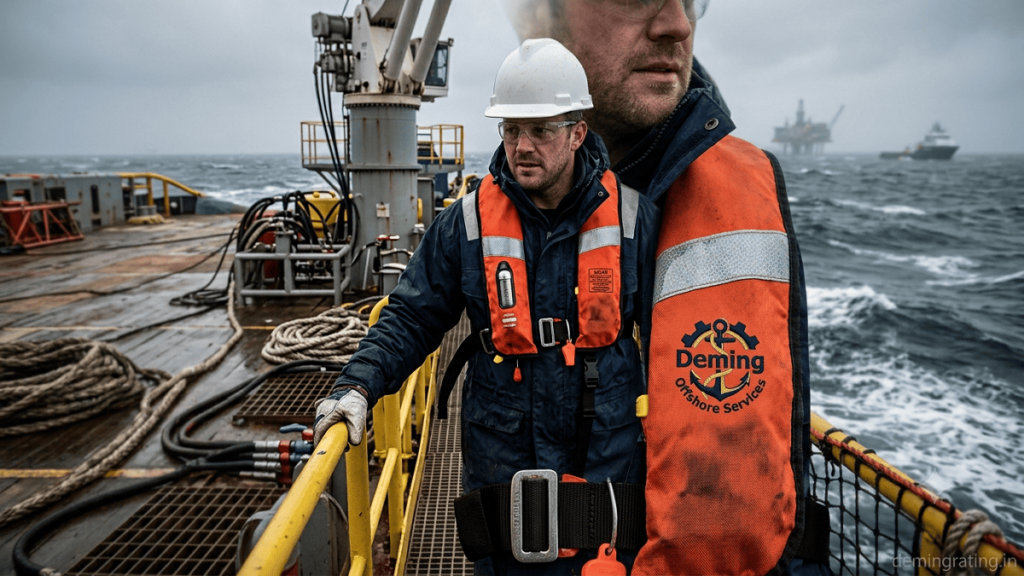
What Are the Benefits of Using ISO 12402:2006-Compliant Personal Flotation Devices for Water Safety and Regulatory Compliance?
Using ISO 12402:2006-compliant Personal Flotation Devices (PFDs) provides an important combination of safety assurance, standardized performance, and support for regulatory requirements. The ISO 12402 series was developed to provide internationally agreed requirements for lifejackets, buoyancy aids, materials, components, accessories, testing, and the selection of appropriate flotation equipment. Its overall objective is to reduce the risk of drowning and ensure that flotation equipment performs effectively when needed. (ISO)
1. Improved Protection Against Drowning
One of the primary benefits is reliable flotation performance. ISO 12402:2006 established different performance levels, including 50 N, 100 N, 150 N, and 275 N, allowing PFDs to be selected according to the user’s circumstances and operating environment. For example, Level 50 buoyancy aids were designed for sheltered waters where rescue is close at hand and the wearer can actively participate in staying afloat. Higher-performance lifejackets provide progressively greater flotation for more demanding conditions. (ISO)
2. Standardized Safety and Performance
ISO compliance gives manufacturers and purchasers a consistent technical benchmark. The series addresses safety requirements and testing for PFDs, while separate parts address materials, components, accessories, and test methods. This helps ensure that critical features such as flotation performance and construction are assessed against defined requirements rather than relying solely on manufacturer claims. (ISO)
3. Appropriate Equipment Selection
The standard helps users choose flotation equipment based on the intended application. ISO 12402 recognizes that a lightweight buoyancy aid suitable for sheltered recreational activities should not be treated as equivalent to a high-buoyancy offshore lifejacket. This performance-based approach helps organizations match PFD specifications to operational risks. (ISO)
4. Support for Regulatory and Procurement Requirements
Using PFDs manufactured and assessed against recognized ISO requirements can support regulatory compliance, safety policies, procurement specifications, and workplace risk-management programs. However, ISO compliance by itself should not automatically be interpreted as legal approval in every country. Maritime authorities may impose additional requirements, certification schemes, or equipment rules, so organizations should verify the regulations applicable to their location and activity.
5. Internationally Recognized Safety Framework
ISO 12402 provides a common framework that can simplify communication between manufacturers, suppliers, operators, regulators, and users across international markets. This is particularly valuable for commercial marine operations and organizations purchasing safety equipment for multiple locations.
Important: The 2006 editions of the ISO 12402 series have been withdrawn and replaced by the ISO 12402:2020 series. Therefore, organizations purchasing new PFDs should check whether the current 2020 requirements or specific national regulations apply. (ISO)
External resources: ISO 12402 Personal Flotation Devices | ISO 12402-5:2020 — Buoyancy Aids | ISO 12402-10:2020 — Selection and Application
#Lifejackets
Case Study: Implementation of ISO 12402:2006 Personal Flotation Devices
Personal Flotation Devices (PFDs) are critical safety equipment for workers and recreational users operating on or near water. ISO 12402:2006 established a structured international framework for the design, performance, testing, and application of lifejackets and buoyancy aids. A practical case study can demonstrate how applying this standard helps organizations improve water safety while establishing a consistent approach to equipment selection and inspection.
Background
Consider a hypothetical offshore marine-services company employing personnel who regularly work around coastal and offshore waters. Before implementing a standardized PFD program, the company used several types of flotation devices purchased from different suppliers. Employees had difficulty determining which device was appropriate for specific activities, and inspection procedures varied between departments.
The company decided to establish its PFD program around the requirements of the ISO 12402:2006 series. The organization first assessed its operational risks, including water temperature, distance from shore, weather conditions, protective clothing, and the likelihood that an employee might enter the water unexpectedly.
Selecting the Appropriate PFD
The company categorized its PFD requirements according to the intended operating environment. ISO 12402:2006 included different performance levels, with Level 50 buoyancy aids and Level 100, 150, and 275 lifejackets addressing progressively different operational needs. For example, ISO 12402-3:2006 specified safety requirements for Level 150 lifejackets, while ISO 12402-2:2006 addressed Level 275 lifejackets intended for extreme offshore conditions.
For higher-risk offshore operations, the company selected higher-performance lifejackets capable of providing the flotation and support appropriate to those conditions. Personnel involved in less demanding activities were provided with equipment appropriate to their specific tasks rather than using one type of PFD for every situation.
Testing and Inspection Program
The organization also introduced documented inspection procedures. PFDs were checked for damaged fabric, deteriorated components, defective fasteners, damaged straps, and other conditions that could affect performance. Inflatable equipment received additional checks of its inflation system and associated components.
The company used manufacturer instructions and applicable ISO requirements as the basis for maintenance, storage, and periodic inspection. This created a consistent process and made it easier for supervisors to identify equipment requiring repair or replacement.
Results
Following implementation, the company achieved several operational improvements. Employees received clearer guidance about which PFD to use, supervisors had a consistent inspection procedure, and procurement personnel could specify required performance levels when purchasing new equipment. The organization also improved its safety documentation and training records.
Most importantly, the company moved from treating flotation equipment as a generic safety item to managing it according to risk, performance level, intended application, and maintenance requirements.
Key Lessons
This case demonstrates that the value of ISO 12402 extends beyond simply purchasing a compliant PFD. Organizations should assess the operating environment, select an appropriate performance level, train personnel in correct use, maintain equipment properly, and periodically review whether the selected devices remain suitable.
It is also important to recognize that the ISO 12402:2006 editions are now withdrawn. ISO records show that Parts 2, 3, 6, 7, 8, 9, and 10 from the 2006 series have been replaced by corresponding 2020 editions. Organizations specifying new PFDs should therefore verify the current applicable edition and any national or maritime regulatory requirements.
For current guidance on selection and application, organizations can refer to ISO 12402-10:2020, which provides requirements and recommendations for selecting and applying PFDs according to the circumstances in which they will be used.
Conclusion
The case study illustrates how a structured PFD program based on ISO 12402 principles can improve equipment selection, inspection, training, and overall water-safety management. By matching flotation performance to operational risk and maintaining documented inspection and maintenance procedures, organizations can establish a more reliable approach to protecting personnel working around water.
External resources: ISO 12402 Standards Catalogue | ISO 12402-3:2006 — Performance Level 150 | ISO 12402-2:2006 — Performance Level 275 | ISO 12402-10:2020 — Selection and Application
#PFD
White Paper: ISO 12402:2006 Personal Flotation Devices
Executive Summary
Personal Flotation Devices (PFDs) are essential safety equipment for individuals working, traveling, or participating in recreational activities on or near water. ISO 12402:2006 established an internationally recognized framework for the design, performance, testing, materials, accessories, marking, and application of personal flotation devices. The series was designed to help manufacturers produce reliable flotation equipment and help users select devices appropriate to specific water-related risks.
The 2006 series divided PFDs into different performance levels, including 50 N buoyancy aids and 100 N, 150 N, and 275 N lifejackets, as well as special-purpose devices. The different levels recognize that a flotation device suitable for sheltered recreational waters may not provide adequate protection in demanding offshore conditions.
ISO’s current catalogue confirms that the major 2006 editions have been withdrawn and replaced by the corresponding ISO 12402:2020 standards. Consequently, ISO 12402:2006 remains important when discussing legacy equipment, historical certifications, or existing technical documentation, but organizations purchasing or specifying new PFDs should determine the applicable current requirements. (ISO)
1. Purpose and Scope
The fundamental purpose of ISO 12402 is to establish consistent technical requirements for personal flotation equipment. The standard addresses more than simple buoyancy. It provides a systematic framework covering the construction and performance of PFDs, materials and components, accessories, evaluation procedures, and appropriate selection and application.
The 2006 series included separate standards for different performance levels. ISO 12402-2:2006 addressed Level 275 lifejackets, Part 3 covered Level 150, Part 4 covered Level 100, and Part 5 covered Level 50 buoyancy aids. Part 6 addressed special-purpose lifejackets and buoyancy aids, while Parts 7 and 8 addressed materials, components, and accessories. Part 9 provided test methods, and Part 10 addressed selection and application. ISO’s catalogue now identifies these 2006 editions as withdrawn. (ISO)
2. Performance Levels
A central feature of the standard is its performance-level approach. Rather than treating every flotation device as suitable for every environment, ISO 12402 recognizes different levels of protection.
50 N buoyancy aids are associated with sheltered-water activities where the wearer can actively assist themselves and rescue is relatively accessible. 100 N lifejackets provide a higher level of flotation for appropriate general applications. 150 N lifejackets are intended for more demanding conditions, while 275 N lifejackets provide the highest buoyancy level in this classification and are associated with severe offshore environments, including situations involving heavy protective clothing.
The correct selection depends on environmental conditions, clothing, user characteristics, activity, and rescue circumstances rather than buoyancy alone.
3. Safety and Testing
ISO 12402 incorporates requirements intended to verify that PFDs perform reliably under specified conditions. Testing and evaluation address relevant characteristics of the complete device, while separate requirements apply to materials, components, and accessories.
This approach provides manufacturers with defined technical criteria and gives purchasers a basis for comparing products. Proper testing is particularly important because PFD performance can be affected by construction quality, materials, fastening systems, inflation mechanisms, and environmental exposure.
4. Selection, Application, and Risk Management
A compliant PFD is only effective when the correct device is selected and correctly worn. The selection principle therefore considers the environment in which the device will be used.
This risk-based philosophy remains evident in the current ISO 12402-10:2020, which provides requirements and recommendations for selecting and applying PFDs according to the circumstances of use. It specifically aims to assist manufacturers, suppliers, users, and regulators in appropriate PFD selection. (ISO)
Organizations should therefore consider factors such as water conditions, distance from assistance, weather, temperature, protective clothing, activity type, and the possibility of an unconscious wearer entering the water.
5. Marking, Information, and Maintenance
Product information is another important aspect of PFD safety. Users need to understand the device’s performance level, intended application, size or user range, limitations, and instructions for use and maintenance.
Clear manufacturer information supports correct selection and operation. Inspection and maintenance are equally important because deterioration, damaged components, poor storage, or incorrect servicing can compromise the performance of flotation equipment.
6. Regulatory and Operational Significance
ISO 12402 provides a common technical reference for manufacturers, purchasers, marine operators, safety professionals, and regulators. Using standardized performance requirements can improve procurement specifications and help organizations establish consistent PFD-selection and inspection procedures.
However, ISO compliance should not automatically be interpreted as legal approval in every jurisdiction. National maritime authorities, occupational-safety regulations, vessel requirements, or other applicable legislation may impose additional certification or equipment requirements. Organizations should therefore verify the regulations governing their particular operation.
7. Transition from ISO 12402:2006 to ISO 12402:2020
One of the most important considerations when referencing ISO 12402:2006 today is its status. ISO’s official catalogue lists the 2006 editions as withdrawn and the corresponding 2020 editions as current standards. For example, ISO 12402-10:2020 replaced ISO 12402-10:2006, and the current series includes updated requirements for PFD selection, application, materials, components, accessories, and evaluation. (ISO)
Therefore, organizations should not assume that an old reference to ISO 12402:2006 represents the current applicable specification. Existing equipment may need to be assessed against the requirements applicable to its certification and jurisdiction, while new procurement should normally reference the latest applicable standard.
Conclusion
ISO 12402:2006 played an important role in establishing a structured international approach to Personal Flotation Device safety. Its classification of flotation performance, technical requirements, testing framework, and guidance for selection helped create greater consistency in the development and use of lifejackets and buoyancy aids.
Although the 2006 editions have been withdrawn, their principles remain relevant when evaluating legacy equipment and understanding the development of modern PFD standards. For current projects, manufacturers, marine operators, and safety professionals should consult the applicable ISO 12402:2020 requirements and relevant national regulations before specifying or purchasing PFDs.
External Resources
- ISO 12402 Standards Catalogue — ISO/TC 188/SC 1
- ISO 12402-10:2020 — Selection and Application of PFDs
- ISO 12402-10:2020 — ISO Official Page
#PersonalFlotationDevices
Industry Application of ISO 12402:2006 Personal Flotation Devices
ISO 12402:2006 Personal Flotation Devices (PFDs) provided an internationally recognized framework for applying lifejackets and buoyancy aids across a wide range of water-based industries. The standard was designed to address different operating environments rather than treating every PFD as suitable for every situation. ISO notes that the series was intended to improve the performance, safety, and usability of flotation equipment for both leisure and commercial applications, including onshore and offshore activities. (ISO)
Marine and Commercial Shipping
The commercial marine sector is one of the most important applications of PFD standards. Crews working on commercial vessels, service boats, and other marine operations may face risks from accidental falls overboard, severe weather, and unexpected immersion. Appropriate lifejackets can provide flotation while rescue procedures are initiated.
For higher-risk offshore environments, the 275 N performance level was designed for severe conditions, including situations where users may be wearing protective clothing or carrying additional loads. This makes higher-performance PFDs particularly relevant to offshore marine operations. (ISO)
Offshore Oil and Gas
Offshore oil and gas operations involve personnel working around platforms, supply vessels, transfer systems, and marine transportation. PFD selection is therefore an important element of a broader personal protective equipment program. Workers may require higher-performance lifejackets depending on weather, water conditions, protective clothing, and the availability of rescue assistance.
Organizations can use the ISO framework when establishing equipment specifications, procurement requirements, inspection procedures, and worker training.
Fishing and Aquaculture
Commercial fishing and aquaculture operations can expose workers to significant risks of falling into water. PFDs selected according to operating conditions can provide essential flotation during an emergency. Equipment selection should consider the vessel type, working environment, water temperature, weather, and the clothing normally worn by personnel.
Recreational Boating and Water Sports
ISO 12402 also applies to recreational activities. Lower-buoyancy devices can provide greater freedom of movement for activities such as sailing and other water sports. ISO identifies Level 50 buoyancy aids as being intended for sheltered waters where assistance is close and the wearer can actively participate in staying afloat. (ISO)
Rescue and Special Applications
Special-purpose flotation equipment can be used in rescue, professional training, and other specialized environments where conventional recreational PFDs may not be appropriate. The ISO 12402 framework includes provisions for special-application lifejackets and buoyancy aids. (ISO)
Importance for Industry
The major advantage of applying ISO 12402 principles is standardized equipment selection based on operational risk. Organizations can specify appropriate flotation performance instead of relying on generic lifejackets. This supports consistent procurement, employee training, inspection, and safety-management procedures.
It is important, however, to distinguish historical ISO 12402:2006 requirements from current standards. ISO’s official catalogue lists the 2006 editions as withdrawn, with corresponding 2020 editions now published. For example, ISO 12402-10:2020 provides current guidance on the selection and application of PFDs according to the circumstances in which they will be used. (ISO)
External Resources
- ISO 12402 Standards Catalogue
- ISO 12402-10:2020 — Selection and Application
- ISO 12402-2:2020 — Performance Level 275
- ISO — Keeping Your Head Above Water
#ISO12402
Ask FAQs
What is ISO 12402:2006?
ISO 12402:2006 is an international standard series that specified requirements for the design, performance, testing, materials, and application of Personal Flotation Devices, including lifejackets and buoyancy aids.
What buoyancy levels are covered by ISO 12402:2006?
The standard classified PFDs into 50 N, 100 N, 150 N, and 275 N performance levels. The appropriate level depends on the intended activity, water conditions, clothing, and rescue circumstances.
Why is ISO 12402:2006 important for water safety?
It provides standardized requirements intended to ensure that PFDs deliver reliable flotation and remain suitable for their intended operating conditions. This helps organizations and users select appropriate flotation equipment for different water-related risks.
Where are ISO 12402-compliant PFDs used?
PFDs based on the ISO 12402 framework can be used across commercial shipping, offshore operations, fishing, recreational boating, water sports, rescue activities, and other marine applications. The appropriate performance level should always match the operating environment.
Is ISO 12402:2006 still the current standard?
No. The major ISO 12402:2006 editions have been withdrawn and replaced by the ISO 12402:2020 series. Organizations purchasing new equipment should check the current applicable ISO requirements as well as relevant national maritime and workplace regulations.
Disclaimer: This information is for general educational purposes only and should not replace official ISO standards, manufacturer instructions, or applicable local regulations. Always verify the latest requirements before selecting or using a Personal Flotation Device.