Logistics and Supply Chain Optimization
Logistics and supply chain optimization is the process of improving how goods, materials, information, and resources move from suppliers to customers while achieving the best possible balance between cost, speed, efficiency, reliability, and customer service. It involves analyzing and improving activities such as procurement, transportation, inventory management, warehousing, order fulfillment, distribution, and coordination with suppliers and customers. The broader concept of supply chain management connects sourcing, procurement, production, logistics, and collaboration across multiple organizations. (Research Guides)
Logistics optimization focuses particularly on making the movement and storage of products more efficient. Businesses may optimize transportation routes, warehouse layouts, inventory levels, delivery schedules, and carrier selection. Supply chain optimization takes a wider view by coordinating these activities across the entire supply network. Modern optimization increasingly relies on technologies such as data analytics, artificial intelligence, warehouse management systems, transportation management systems, and real-time tracking.
Why Is Supply Chain Optimization Important?
For businesses, an optimized supply chain can directly influence profitability and competitiveness. Inefficient transportation, excess inventory, warehouse delays, poor demand forecasting, and unreliable suppliers can increase operating expenses and create delivery problems. By identifying these inefficiencies, companies can reduce unnecessary costs while improving operational performance.
Lower operating costs are one of the most important benefits. Optimizing delivery routes can reduce transportation expenses, while better inventory planning can minimize storage costs and reduce the risk of obsolete or excess stock.
Improved customer satisfaction is another major advantage. Customers increasingly expect products to be available when needed and delivered accurately and on time. Reliable logistics helps businesses meet these expectations and build stronger customer relationships. The World Bank emphasizes that speed and reliability are central to effective logistics performance. (lpi.worldbank.org)
Optimization also improves supply chain visibility and resilience. Businesses can monitor shipments, identify potential disruptions, evaluate supplier performance, and respond more quickly to unexpected events. The World Bank’s current Logistics Performance Indicators emphasize connectivity, speed, reliability, and the ability to identify supply chain bottlenecks using shipment-level data. (lpi.worldbank.org)
Ultimately, logistics and supply chain optimization helps businesses create a more cost-effective, responsive, and resilient operation. Whether a company operates locally or manages an international network, optimizing the flow of products and information can improve profitability, strengthen customer service, and provide a sustainable competitive advantage.
Relevant external resources: World Bank – Logistics Performance Indicators | World Bank – Logistics Performance Index Data
#TransportationManagement
What Strategies Can Improve Transportation Routes, Delivery Times, and Distribution Efficiency?
Improving transportation routes, delivery times, and distribution efficiency requires businesses to combine accurate planning, real-time data, technology, and effective coordination. Transportation is often one of the largest components of logistics costs, so even small improvements in route planning, vehicle utilization, and delivery scheduling can have a significant impact on overall supply chain performance. Modern logistics operations increasingly use route optimization software, Transportation Management Systems (TMS), GPS tracking, analytics, and artificial intelligence to make transportation decisions more efficient. (DHL)
1. Use Route Optimization Software
One of the most effective strategies is to use software that automatically identifies efficient delivery routes. Instead of relying only on fixed routes or manual planning, route optimization tools can consider distance, traffic conditions, delivery locations, vehicle capacity, driver availability, and customer delivery windows. This helps businesses reduce unnecessary mileage, fuel consumption, and travel time while improving on-time deliveries. (DHL)
2. Implement a Transportation Management System
A Transportation Management System (TMS) can centralize transportation planning and provide greater control over shipments. Businesses can use TMS platforms to compare carriers, manage transportation rates, plan shipments, monitor deliveries, and analyze transportation performance. Real-time visibility also enables logistics teams to identify delays and take corrective action before they significantly affect customers. (DHL)
3. Use Real-Time Tracking and Dynamic Routing
GPS, telematics, and Internet of Things (IoT) technologies allow companies to monitor vehicles and shipments while they are in transit. When traffic congestion, road closures, weather conditions, or unexpected delays occur, logistics teams can adjust routes accordingly. AI-supported systems can also analyze multiple variables and dynamically optimize delivery sequences, helping improve delivery predictability and first-attempt success rates. (DHL Freight Connections)
4. Improve Vehicle Utilization and Consolidate Shipments
Businesses should aim to maximize vehicle capacity without compromising service requirements. Shipment consolidation can combine multiple compatible orders into fewer trips, reducing transportation costs and unnecessary vehicle movements. Selecting the appropriate vehicle size and balancing loads can further improve fleet utilization.
5. Optimize Distribution Networks
Route optimization should extend beyond individual deliveries. Businesses can evaluate the location of warehouses, distribution centers, cross-docking facilities, and transportation hubs to determine whether their network supports customer demand efficiently. Coordinating multiple transportation modes can also help reduce transit times and handling costs. (DHL Logistics of Things)
6. Measure Key Transportation KPIs
Finally, companies should regularly monitor metrics such as on-time delivery rate, transportation cost per shipment, fuel consumption, vehicle utilization, average delivery time, order cycle time, and miles traveled. These measurements help identify recurring inefficiencies and provide a foundation for continuous improvement.
Overall, combining technology, optimized routing, efficient vehicle utilization, real-time visibility, and performance measurement can create a faster and more cost-effective distribution network. The result is not only lower logistics expenses but also more reliable deliveries, better customer satisfaction, and stronger supply chain performance.
Relevant external resources:
DHL – Logistics Management Strategies
DHL Supply Chain – Data-Driven Decision Making
INFORMS – Transportation Network Optimization Research
#WarehouseOptimization
How can technology, automation, and data analytics improve supply chain visibility and decision-making?
Technology, automation, and data analytics have transformed supply chain management by giving businesses greater visibility into inventory, shipments, suppliers, warehouse operations, and customer demand. Instead of relying on disconnected spreadsheets or delayed reports, companies can use integrated digital systems to monitor supply chain activities in near real time and make faster, more informed decisions.
Improving Supply Chain Visibility
Technology enables businesses to create a single, connected view of supply chain operations. Enterprise resource planning (ERP) systems, warehouse management systems (WMS), transportation management systems (TMS), IoT sensors, GPS tracking, and cloud platforms can collect information from different stages of the supply chain.
For example, GPS and IoT-enabled tracking can provide information about shipment location, temperature, delays, and estimated arrival times. This allows logistics teams to identify disruptions earlier and communicate accurate delivery information to customers. The IBM Supply Chain Intelligence Suite highlights how AI and data can help organizations improve supply chain visibility and resilience.
Using Automation to Improve Efficiency
Automation reduces manual work and minimizes human errors in repetitive supply chain processes. Automated warehouse systems can support activities such as inventory counting, picking, sorting, packing, and replenishment. Robotic systems and automated material-handling equipment can also help warehouses process orders more quickly.
Software automation is equally valuable. Businesses can automate purchase-order generation, inventory alerts, shipment notifications, invoice processing, and exception management. This allows employees to focus on higher-value activities such as supplier management, planning, and strategic decision-making.
Turning Data Into Better Decisions
Data analytics allows companies to move from simply monitoring supply chain activity to predicting potential problems and opportunities. Businesses can analyze historical sales, inventory levels, transportation performance, supplier reliability, lead times, and customer behavior to identify patterns.
Predictive analytics can help forecast demand and anticipate potential inventory shortages. Prescriptive analytics can go further by recommending actions, such as adjusting inventory levels, changing transportation routes, or selecting alternative suppliers. According to MIT Sloan Management Review, organizations can gain significant value when analytics becomes integrated into operational and strategic decision-making.
Supporting Faster and More Accurate Responses
Real-time dashboards and automated alerts can notify managers when important performance indicators move outside acceptable limits. For instance, a company could receive an alert when a shipment is delayed, inventory falls below its safety-stock level, or a supplier fails to meet an agreed performance target.
Artificial intelligence can further improve decision-making by analyzing large amounts of data and identifying relationships that may be difficult to detect manually. However, businesses still need reliable data, appropriate governance, and human oversight to ensure that technology produces useful decisions.
Ultimately, technology, automation, and data analytics create a more transparent, responsive, and intelligent supply chain. They help businesses identify disruptions earlier, optimize resources, reduce operational costs, improve forecasting, and respond quickly to changing market conditions. When these capabilities are integrated effectively, organizations can make decisions based on current evidence rather than assumptions or outdated information.
Relevant external resources:
IBM – Supply Chain Intelligence
MIT Sloan Management Review – Analytics-Driven Enterprise
World Economic Forum – Supply Chain and Logistics Insights
#SupplyChainManagement
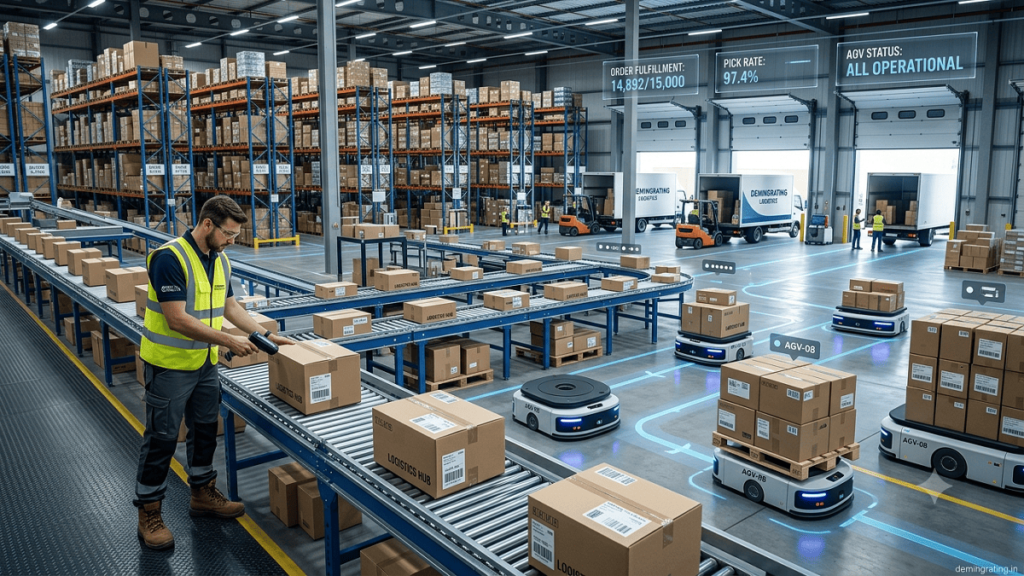
How Can Businesses Identify Supply Chain Risks and Develop Strategies for Greater Resilience and Continuity?
Supply chain risks can arise from many sources, including supplier failures, transportation disruptions, natural disasters, geopolitical events, cyberattacks, labor shortages, demand fluctuations, and unexpected changes in costs or regulations. Because modern supply chains often involve multiple suppliers, countries, transportation modes, and distribution points, a disruption in one area can affect the entire network. Businesses can reduce this exposure by systematically identifying vulnerabilities and developing strategies that allow operations to continue during unexpected events.
Identify and Assess Supply Chain Risks
The first step is to create a clear map of the supply chain. Businesses should understand their key suppliers, manufacturing locations, warehouses, transportation routes, critical materials, and major customers. Mapping these relationships helps companies identify single points of failure and dependencies that may not be obvious.
Businesses should then conduct regular risk assessments. Each risk can be evaluated based on its likelihood and potential impact. For example, depending on the industry, relying on a single supplier for a critical component may represent a high-impact risk even if the supplier has historically been reliable. Organizations should also monitor external factors such as political developments, extreme weather, economic conditions, cybersecurity threats, and regulatory changes.
Diversify Suppliers and Sourcing Locations
One of the most effective resilience strategies is supplier diversification. Depending entirely on one supplier or geographic region can make a business vulnerable when that source experiences disruption. Developing qualified alternative suppliers gives companies additional options when normal supply channels are interrupted.
Businesses should also evaluate supplier financial health, production capacity, quality performance, lead times, and geographic exposure. Supplier performance monitoring can help organizations identify warning signs before they become major disruptions.
Build Strategic Inventory and Capacity Buffers
Maintaining appropriate safety stock for critical products or materials can provide valuable protection against unexpected delays. However, resilience does not mean simply holding large quantities of inventory. Excessive inventory can increase storage costs and tie up working capital. Companies should identify which materials and products are most critical and establish inventory policies based on demand variability, supplier lead times, and business impact.
Use Technology for Risk Visibility
Technology and data analytics can improve supply chain resilience by providing earlier warning of potential disruptions. Real-time shipment tracking, supplier dashboards, predictive analytics, and automated alerts allow businesses to monitor important changes and respond more quickly. The National Institute of Standards and Technology (NIST) provides guidance on managing supply chain risks, including risks associated with suppliers and technology.
Develop and Test Business Continuity Plans
A strong resilience strategy should include documented contingency and business continuity plans. These plans should define what employees need to do if a critical supplier stops operating, transportation routes become unavailable, technology systems fail, or demand changes unexpectedly. Businesses should conduct simulations and regularly update their plans based on lessons learned.
Ultimately, supply chain resilience comes from preparation, visibility, diversification, collaboration, and continuous improvement. Companies that regularly assess risks and maintain practical contingency plans are better positioned to protect operations, minimize financial losses, maintain customer service, and recover quickly when disruptions occur. Resilience should therefore be treated as an ongoing management process rather than a one-time risk assessment.
Relevant external resources:
NIST – Supply Chain Risk Management
CISA – ICT Supply Chain Risk Management
World Economic Forum – Supply Chains and Logistics
#LogisticsManagement
Case Study: How UPS Optimized Logistics and Supply Chain Operations Through Data and Route Optimization
United Parcel Service (UPS) provides a strong real-world example of how technology, data analytics, and logistics optimization can transform large-scale delivery operations. With thousands of drivers completing deliveries and pickups every day, even small inefficiencies in transportation routes can create significant increases in fuel consumption, labor requirements, vehicle usage, and delivery costs. To address this challenge, UPS developed ORION (On-Road Integrated Optimization and Navigation), a technology-driven system designed to optimize delivery and pickup routes.
The Challenge
UPS faced a complex transportation planning problem. Drivers needed to complete numerous deliveries and pickups within specific time requirements while traveling through different road networks and dealing with changing traffic and customer locations. Traditional route planning could result in unnecessary mileage, inefficient sequencing, and higher fuel consumption.
The company therefore needed a solution capable of analyzing large volumes of operational data and determining efficient routes while maintaining service requirements. According to research published by INFORMS, ORION was developed through a long-term effort beginning in 2003 and eventually provided optimized routes for approximately 55,000 U.S. drivers.
The Optimization Strategy
ORION uses data and optimization algorithms to determine the sequence in which drivers should complete their deliveries and pickups. The system considers factors such as delivery locations, pickup requirements, route characteristics, and historical operational information.
UPS subsequently expanded the system with navigation capabilities through UPSNav, which provides drivers with detailed directions to delivery and pickup locations. The technology can also account for locations such as loading docks and receiving areas that may not be accurately represented by conventional mapping systems.
The system demonstrates an important principle of supply chain optimization: rather than optimizing individual activities separately, businesses can use data to improve the performance of the entire transportation process.
Results and Business Benefits
The results demonstrate the financial and operational value of logistics optimization. Research published by INFORMS reported that ORION cost more than $295 million to build and deploy but was expected to generate approximately $300–$400 million in annual savings. The system was also expected to contribute to annual reductions of approximately 100,000 tons of CO₂ emissions.
The U.S. Federal Highway Administration has also documented UPS’s use of ORION, reporting substantial reductions in miles traveled and fuel consumption associated with optimized routing.
Key Lessons for Businesses
The UPS case study demonstrates that logistics optimization is not limited to reducing transportation costs. Businesses can combine data analytics, automation, route optimization, real-time information, and employee adoption to improve operational efficiency while maintaining service quality.
The most important lesson is that successful optimization requires more than purchasing technology. Companies must integrate reliable data, appropriate algorithms, operational processes, and employee training. When these elements work together, logistics optimization can reduce costs, improve resource utilization, support sustainability objectives, and create a more responsive supply chain.
For businesses looking to optimize their own logistics operations, the UPS example shows how investing in data-driven decision-making can produce measurable improvements at scale.
Relevant external resources:
INFORMS – UPS Optimizes Delivery Routes
UPS – Customer Success Stories
Federal Highway Administration – UPS ORION Route Navigation System
#SupplyChainOptimization
White Paper: Logistics and Supply Chain Optimization
Executive Summary
Logistics and supply chain optimization has become a strategic priority for businesses seeking to control costs, improve customer service, manage disruptions, and remain competitive in increasingly complex markets. Modern supply chains connect suppliers, manufacturers, warehouses, transportation providers, distributors, retailers, and customers across multiple geographic locations. As these networks become more interconnected, businesses need greater visibility and stronger coordination across every stage of the supply chain.
The World Bank’s Logistics Performance Indicators emphasize that supply chain performance depends on factors including connectivity, speed, reliability, infrastructure, logistics services, tracking, and timeliness. Its latest LPI 2.0 uses shipment-level operational data to evaluate international logistics performance, demonstrating the growing importance of measurable, data-driven supply chain management.
This white paper examines the major principles, technologies, strategies, and benefits associated with logistics and supply chain optimization. It also provides a practical framework that businesses can use to improve efficiency, resilience, visibility, and long-term performance.
1. Introduction
Logistics refers primarily to the planning and management of the movement and storage of goods, materials, and related information. Supply chain management encompasses a broader network that includes sourcing, procurement, production, inventory, logistics, distribution, and collaboration among supply chain partners.
Optimization involves continuously improving these activities to achieve an effective balance between cost, speed, inventory availability, service quality, resilience, and sustainability.
Poorly optimized supply chains can result in excessive inventory, transportation delays, inefficient warehouse operations, stockouts, unnecessary freight costs, and poor customer experiences. Conversely, an optimized supply chain can improve resource utilization and allow businesses to respond more effectively to changing demand and unexpected disruptions.
2. Key Challenges in Modern Supply Chains
Businesses face several challenges when managing modern supply networks. These include demand uncertainty, supplier dependency, transportation disruptions, rising operating costs, labor shortages, geopolitical risks, regulatory requirements, cybersecurity threats, and limited visibility across supply chain partners.
Global disruptions have demonstrated the importance of reliability and resilience. The World Bank reports that the largest delays in international trade can occur at ports, airports, and multimodal facilities, highlighting the importance of improving infrastructure, processes, and digital technologies.
Another challenge is the increasing complexity of supply chain data. Information may be distributed across ERP platforms, warehouse systems, transportation systems, supplier databases, spreadsheets, and third-party logistics providers. Without integration, decision-makers may lack a complete and timely view of operations.
3. Core Strategies for Supply Chain Optimization
Inventory Optimization
Inventory optimization focuses on maintaining sufficient stock to meet customer demand without unnecessarily tying up capital. Businesses can use demand forecasting, safety-stock calculations, ABC analysis, cycle counting, and automated replenishment to improve inventory performance.
The objective is to reduce excess and obsolete inventory while protecting against stockouts.
Warehouse Optimization
Warehouse efficiency can be improved through better facility layouts, optimized storage locations, barcode and RFID technologies, warehouse management systems, automation, and workforce planning.
Fast-moving products can be positioned closer to picking and dispatch areas, while automated systems can reduce repetitive manual activities and improve inventory accuracy.
Transportation Optimization
Transportation optimization involves selecting appropriate carriers, shipment modes, routes, delivery schedules, and vehicle capacities. Transportation management systems and route optimization tools can help companies reduce empty miles, improve vehicle utilization, consolidate shipments, and increase delivery reliability.
Supplier Optimization
Supplier performance should be evaluated using measurable criteria such as quality, cost, lead time, reliability, capacity, financial stability, and responsiveness.
Businesses should also avoid excessive dependence on a single source for critical materials. Supplier diversification and contingency planning can reduce vulnerability to disruptions.
4. The Role of Technology and Data Analytics
Digital technology is increasingly central to supply chain optimization. ERP, WMS, TMS, IoT devices, GPS tracking, cloud platforms, artificial intelligence, and advanced analytics can connect information across multiple supply chain activities.
Real-time tracking provides visibility into shipment locations and delivery status, while analytics can identify patterns in demand, inventory, transportation, and supplier performance.
The World Bank’s LPI 2.0 illustrates this broader shift toward operational data. Instead of relying only on perception-based assessments, the updated system incorporates large-scale tracking data from maritime, aviation, and postal operations to measure supply chain speed, connectivity, and reliability.
Artificial intelligence can also support demand forecasting, route planning, anomaly detection, inventory optimization, and predictive maintenance. However, successful implementation depends on accurate data, appropriate system integration, cybersecurity, and employee adoption.
5. Supply Chain Risk and Resilience
Optimization should not focus solely on minimizing cost. An extremely lean supply chain may become vulnerable if it lacks alternative suppliers, sufficient safety stock, transportation alternatives, or contingency plans.
Supply chain risk management involves identifying vulnerabilities and threats throughout the supply network and developing appropriate mitigation strategies. NIST defines supply chain risk management as a systematic process for identifying susceptibilities, vulnerabilities, and threats and developing strategies to address them.
Businesses can strengthen resilience by:
- Mapping critical suppliers and dependencies
- Diversifying suppliers and sourcing locations
- Establishing contingency transportation options
- Maintaining strategic safety stock
- Monitoring supplier performance and financial health
- Developing business continuity plans
- Using real-time risk monitoring
- Conducting regular disruption simulations
- Strengthening cybersecurity controls
Resilience should therefore be treated as an ongoing process rather than a one-time project.
6. Key Performance Indicators
Businesses cannot optimize what they cannot measure. A structured KPI program allows organizations to identify inefficiencies and evaluate improvement initiatives.
Important logistics and supply chain KPIs include:
| Performance Area | Example KPI |
|---|---|
| Inventory | Inventory turnover, stockout rate, carrying cost |
| Warehouse | Picking accuracy, order cycle time, warehouse utilization |
| Transportation | Cost per shipment, on-time delivery, vehicle utilization |
| Suppliers | Lead time, defect rate, supplier reliability |
| Customer Service | Perfect order rate, delivery accuracy, customer complaints |
| Resilience | Recovery time, supplier concentration, disruption frequency |
| Sustainability | Fuel consumption, emissions, energy usage |
The World Bank’s logistics framework similarly emphasizes dimensions such as tracking and tracing, shipment timeliness, infrastructure, logistics service quality, customs efficiency, and competitive shipment arrangements.
7. Implementation Framework
A successful optimization program should follow a structured approach.
Step 1: Assess the current state.
Document existing processes, costs, systems, suppliers, transportation networks, inventory levels, and performance gaps.
Step 2: Identify priorities.
Determine which problems have the greatest financial, operational, or customer impact.
Step 3: Establish measurable objectives.
Set targets for cost reduction, delivery performance, inventory availability, warehouse productivity, and resilience.
Step 4: Improve processes.
Redesign inefficient workflows before introducing technology. Automation should support a well-designed process rather than automate unnecessary complexity.
Step 5: Integrate data and technology.
Connect relevant ERP, WMS, TMS, analytics, tracking, and supplier systems to improve information flow.
Step 6: Monitor performance.
Use dashboards and KPIs to measure results continuously.
Step 7: Continuously improve.
Optimization should be treated as an ongoing cycle involving measurement, analysis, implementation, and refinement.
8. Business Benefits
Effective logistics and supply chain optimization can produce benefits across the organization. These include lower transportation and warehousing costs, improved inventory turnover, fewer stockouts, better warehouse productivity, faster delivery, greater supply chain visibility, and improved customer satisfaction.
Optimization can also improve working-capital management. Reducing unnecessary inventory releases capital that can potentially be invested elsewhere in the business.
In addition, resilient supply chains can recover more effectively from disruptions. This is increasingly important as global supply networks face operational, environmental, geopolitical, and technological risks.
9. Future Outlook
The future of logistics and supply chain management will increasingly depend on real-time data, artificial intelligence, automation, digital connectivity, and resilience-focused planning.
Supply chain leaders are moving from reactive management toward predictive and prescriptive decision-making. Instead of waiting for a shipment delay or inventory shortage to occur, organizations can increasingly use data to identify potential problems in advance and determine appropriate responses.
Sustainability is also becoming an important optimization objective. Businesses are evaluating transportation modes, warehouse energy consumption, packaging, fuel efficiency, and network design alongside traditional cost and service measures.
The World Bank notes that supply chain digitalization can improve logistics reliability and that investments in technology, infrastructure, and more sustainable logistics can contribute to better performance.
Conclusion
Logistics and supply chain optimization is no longer simply an operational cost-reduction exercise. It is a strategic capability that influences profitability, customer satisfaction, resilience, sustainability, and competitive advantage.
Businesses that combine efficient processes, accurate data, integrated technology, optimized inventory, effective transportation, supplier diversification, and risk management can create supply chains that are both efficient and adaptable.
The most successful approach is not to optimize one isolated activity. Instead, organizations should evaluate the supply chain as an interconnected system and continuously balance cost, service, speed, availability, risk, and sustainability.
As supply chains become increasingly digital and interconnected, organizations that invest in visibility, analytics, automation, and resilience will be better positioned to respond to market changes and deliver consistent value to customers.
Recommended Resources
- World Bank – Logistics Performance Indicators 2.0
- World Bank – Connecting to Compete 2023
- NIST – Supply Chain Risk Management
- NIST – Cyber Supply Chain Risk Management
#SupplyChain
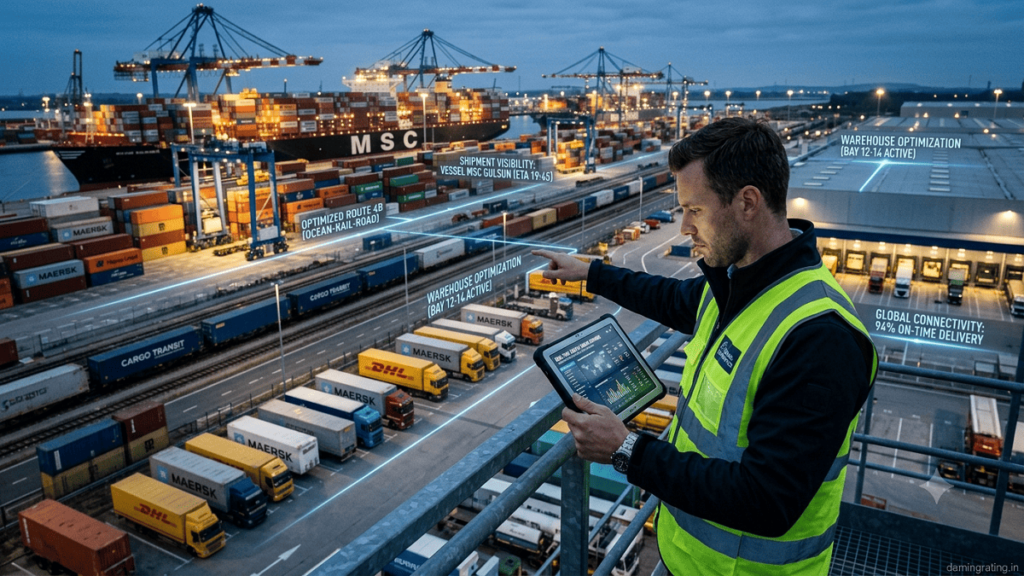
Industry Applications of Logistics and Supply Chain Optimization
Logistics and supply chain optimization has become an important business strategy across industries because organizations must balance cost, speed, product availability, quality, and customer expectations. Although the specific requirements vary by sector, the underlying objective remains the same: ensuring that products, materials, information, and resources move through the supply chain as efficiently and reliably as possible.
From manufacturing and retail to healthcare, food, automotive, and e-commerce, businesses are using technologies such as artificial intelligence, automation, real-time tracking, data analytics, warehouse management systems, and transportation management systems to improve supply chain performance.
1. Manufacturing
Manufacturing companies rely on the timely availability of raw materials, components, machinery, and finished goods. Supply chain optimization helps manufacturers coordinate procurement, production schedules, inventory, warehousing, and transportation.
Demand forecasting can help manufacturers determine how much material to purchase, while production planning can align manufacturing capacity with expected customer demand. Automated inventory monitoring can also reduce shortages and excess stock.
For manufacturers operating complex global networks, supplier diversification and risk monitoring can improve resilience and reduce dependency on individual suppliers.
2. Retail and E-Commerce
Retailers and e-commerce companies face intense pressure to maintain product availability while delivering orders quickly and economically. Inventory optimization helps businesses determine how much stock should be held at stores, fulfillment centers, and regional warehouses.
Advanced analytics can forecast demand based on historical sales, seasonal trends, promotions, and customer behavior. Warehouse automation can accelerate picking and packing, while route optimization helps improve last-mile delivery.
This is particularly important in e-commerce, where customers increasingly expect accurate delivery estimates, flexible delivery options, and rapid fulfillment.
3. Healthcare and Pharmaceuticals
Healthcare supply chains require high levels of reliability because shortages or delivery delays can affect patient care. Hospitals and pharmaceutical companies must carefully manage medicines, medical equipment, vaccines, and other critical supplies.
Inventory optimization can help healthcare organizations maintain appropriate stock levels while reducing waste. For temperature-sensitive products, IoT sensors can monitor environmental conditions throughout transportation and storage.
Supply chain visibility also helps organizations track products and identify potential disruptions before they affect availability.
4. Food and Beverage
The food and beverage industry must manage perishability, temperature requirements, demand fluctuations, and strict quality standards. Logistics optimization can reduce waste by improving inventory rotation, demand forecasting, warehouse management, and delivery scheduling.
Businesses can use technologies such as temperature monitoring and real-time tracking to protect products during transportation. Applying appropriate inventory rotation methods can also reduce spoilage and improve product freshness.
5. Automotive
Automotive manufacturing depends on thousands of components sourced from multiple suppliers. A delay involving a single critical component can potentially interrupt production.
Supply chain optimization enables automotive companies to coordinate suppliers, production facilities, warehouses, and transportation providers. Just-in-time and just-in-sequence approaches can reduce unnecessary inventory while ensuring that components reach production lines according to manufacturing requirements.
However, the disruptions experienced by global automotive supply chains have also highlighted the importance of supplier diversification, visibility, and contingency planning.
6. Construction
Construction companies manage materials, equipment, subcontractors, and deliveries across multiple project locations. Logistics optimization helps coordinate when materials are required, where they should be delivered, and how transportation resources should be allocated.
Better planning can reduce material delays, equipment downtime, unnecessary transportation, and on-site storage requirements.
7. Energy and Utilities
Oil, gas, renewable energy, electricity, and utility companies operate supply networks involving specialized equipment, spare parts, fuel, and technical resources. Supply chain optimization can improve procurement, inventory planning, transportation, maintenance, and emergency response.
Predictive analytics can help organizations anticipate equipment maintenance requirements and ensure that critical spare parts are available when needed.
8. Aerospace and Defense
Aerospace supply chains require strict quality control, traceability, regulatory compliance, and highly reliable delivery. Companies often manage complex networks of specialized suppliers and high-value components.
Digital supply chain systems can improve visibility into component availability, supplier performance, inventory, and transportation. Better data integration can also support traceability and compliance requirements.
9. Agriculture
Agricultural supply chains involve seasonal production, unpredictable weather, perishability, storage requirements, and transportation challenges. Optimization can help coordinate farm production, processing facilities, cold storage, transportation, and distribution.
Demand forecasting and real-time monitoring can help reduce post-harvest losses and ensure that agricultural products reach markets efficiently.
The Common Value Across Industries
Despite their differences, these industries share several supply chain objectives: reducing unnecessary costs, improving product availability, increasing operational visibility, minimizing waste, improving delivery reliability, and strengthening resilience.
The World Bank’s Logistics Performance Indicators demonstrate the importance of logistics reliability, infrastructure, shipment timeliness, tracking, and logistics service quality to international supply chain performance.
The most effective industry applications therefore combine process improvement with technology. Organizations that integrate accurate data, automation, predictive analytics, real-time visibility, and risk management can make faster decisions and respond more effectively to changing market conditions.
Ultimately, logistics and supply chain optimization is not limited to one particular industry. It is a flexible management approach that can be adapted to the specific products, customers, regulations, risks, and operational requirements of virtually any sector.
Relevant External Resources
- World Bank – Logistics Performance Indicators
- NIST – Supply Chain Risk Management
- U.S. Department of Transportation – Freight Management
#Logistics
Ask FAQs
What is logistics and supply chain optimization?
Logistics and supply chain optimization is the process of improving the movement, storage, and management of goods, materials, information, and resources to reduce costs, improve efficiency, increase product availability, and strengthen customer service.
Why is supply chain optimization important for businesses?
It helps businesses reduce transportation and inventory costs, improve delivery performance, minimize operational inefficiencies, increase visibility, manage risks, and respond more effectively to changes in customer demand and market conditions.
How does technology improve logistics and supply chain optimization?
Technologies such as artificial intelligence, IoT, GPS tracking, warehouse management systems, transportation management systems, and data analytics provide real-time visibility and support better forecasting, route planning, inventory management, and decision-making.
How can businesses reduce supply chain risks?
Businesses can reduce risks by diversifying suppliers, maintaining appropriate safety stock, monitoring supplier performance, mapping critical dependencies, using real-time tracking, establishing alternative transportation options, and developing comprehensive business continuity plans.
What are the main benefits of logistics and supply chain optimization?
Key benefits include lower operating costs, faster deliveries, improved inventory accuracy, better warehouse productivity, increased product availability, greater supply chain visibility, improved customer satisfaction, and stronger resilience against disruptions.
Table of Contents
Disclaimer: This content is for general informational purposes only. Businesses should evaluate their specific requirements and consult qualified professionals before making logistics or supply chain decisions.