Supply Chain Optimization Services: Improving Efficiency, Reducing Costs, and Building Resilience
Table of Contents
In today’s competitive business environment, efficient supply chain management is essential for maintaining profitability, meeting customer expectations, and supporting long-term growth. Supply chain optimization services help businesses streamline operations, improve resource utilization, reduce unnecessary expenses, and ensure products reach customers at the right time. By combining advanced technology, data-driven planning, and operational expertise, organizations can build more efficient, flexible, and resilient chains.
What Are Supply Chain Optimization Services?
Supply chain optimization services involve analyzing and improving the processes involved in sourcing raw materials, manufacturing products, managing inventory, transporting goods, and delivering orders. The primary objective is to create a well-coordinated chain that balances operational costs, product availability, delivery speed, and customer satisfaction.
These services can benefit manufacturers, retailers, wholesalers, e-commerce companies, and logistics providers. Whether a business operates locally or manages an international distribution network, optimization helps identify inefficiencies and develop practical solutions aligned with its goals.
Key Benefits of Supply Chain Optimization
One of the most significant benefits is cost reduction. Businesses can identify unnecessary transportation expenses, excess inventory, inefficient warehouse operations, and procurement inefficiencies. Addressing these issues helps improve margins without compromising product quality or service standards.
Another important advantage is better inventory management. Accurate demand forecasting and inventory planning help organizations maintain appropriate stock levels, reducing both overstocking and stockouts. This improves cash flow while ensuring products remain available when customers need them.
Supply chain optimization also supports faster, more reliable deliveries. By improving transportation routes, coordinating suppliers, and streamlining order fulfillment, companies can reduce delays and provide a better customer experience.
Additionally, optimized supply chains are better prepared to handle disruptions such as supplier shortages, changing demand, transportation delays, and unexpected market conditions.
Core Supply Chain Optimization Services
Businesses can improve performance through several specialized services:
- Demand forecasting and planning: Uses historical sales data, market trends, and analytics to estimate future demand and support informed purchasing and production decisions.
- Inventory optimization: Establishes suitable stock levels, safety stock requirements, and replenishment strategies to minimize carrying costs while maintaining product availability.
- Transportation and logistics optimization: Improves delivery routes, shipment consolidation, carrier selection, and transportation planning to reduce freight expenses and delivery delays.
- Warehouse optimization: Enhances warehouse layouts, storage utilization, picking processes, and order fulfillment to improve productivity.
- Supplier and procurement optimization: Evaluates supplier performance, purchasing costs, lead times, and sourcing risks to strengthen supplier relationships and purchasing efficiency.
- Supply chain analytics and technology: Uses integrated planning platforms, dashboards, artificial intelligence, and predictive analytics to support faster, data-driven decisions.
For additional information, explore EY’s supply chain transformation services and SAS supply chain optimization solutions.
The Role of Technology in Supply Chain Optimization
Modern technology plays an important role in improving supply chain visibility and decision-making. Artificial intelligence and machine learning can support demand forecasting, identify potential disruptions, and help businesses evaluate different planning scenarios. Warehouse management systems and transportation management systems can also improve operational coordination and shipment tracking.
However, technology alone does not guarantee better results. Organizations need reliable data, clearly defined processes, employee training, and continuous performance monitoring to achieve sustainable improvements. Businesses should select solutions that integrate with existing systems and address their specific operational challenges.
How to Choose the Right Supply Chain Optimization Partner
When selecting a service provider, businesses should evaluate industry experience, analytical capabilities, technology expertise, implementation methods, and performance measurement practices. A reliable partner should begin with a detailed assessment of current operations, identify improvement opportunities, and develop a strategy aligned with business objectives.
Performance should be measured through relevant indicators, including inventory turnover, order fulfillment rates, on-time delivery, transportation costs, forecast accuracy, and total supply chain costs.
Conclusion
Supply chain optimization services help businesses build efficient, cost-effective, and resilient operations. By improving inventory planning, procurement, warehousing, transportation, and supply chain visibility, organizations can reduce waste, respond more effectively to market changes, and deliver better customer experiences. A structured optimization strategy, supported by appropriate technology and continuous improvement, enables businesses to strengthen operational performance and achieve sustainable long-term growth.
#DigitalSupplyChain
What Are Supply Chain Optimization Services?
Supply chain optimization services help businesses improve the efficiency, reliability, and cost-effectiveness of their supply chain operations. These services focus on streamlining processes such as procurement, inventory management, production planning, warehousing, transportation, and order fulfillment. The main objective is to ensure that products move smoothly from suppliers to customers while minimizing operational costs and maintaining high service standards.
In today’s competitive business environment, an optimized supply chain is essential for meeting customer expectations, managing resources effectively, and maintaining profitability. Businesses across manufacturing, retail, e-commerce, healthcare, and logistics industries can benefit from professional supply chain optimization solutions.
How Do Supply Chain Optimization Services Work?
Supply chain optimization typically begins with an assessment of existing operations. Specialists examine purchasing procedures, supplier relationships, inventory levels, transportation networks, warehouse processes, and delivery performance to identify inefficiencies and potential risks.
Based on this assessment, they develop strategies to improve operational performance. For example, a company experiencing frequent stock shortages may benefit from better demand forecasting and inventory planning. Similarly, a business facing high transportation costs may improve profitability through route optimization, shipment consolidation, and more effective carrier selection.
Data analytics and modern supply chain technologies also help organizations make informed decisions. Businesses can use real-time information, predictive analytics, and planning software to anticipate demand changes, monitor performance, and respond to disruptions more effectively.
Key Benefits of Supply Chain Optimization Services
One of the primary benefits is cost reduction. By eliminating unnecessary expenses, improving resource allocation, and optimizing transportation and storage, businesses can reduce their overall supply chain costs.
Another important advantage is improved inventory management. Maintaining appropriate inventory levels helps prevent overstocking, reduce storage expenses, and minimize the risk of stockouts. Better planning also improves cash flow by reducing the amount of capital tied up in excess inventory.
Supply chain optimization services can also improve delivery performance and customer satisfaction. Efficient logistics planning, better supplier coordination, and streamlined order processing help businesses deliver products more reliably.
Additionally, these services strengthen supply chain resilience by helping organizations identify risks, evaluate alternative suppliers, and prepare for unexpected disruptions.
Why Are Supply Chain Optimization Services Important?
As markets become more dynamic and customer expectations continue to rise, businesses need supply chains that are flexible, transparent, and responsive. Optimization enables organizations to make better operational decisions, adapt to changing demand, and maintain consistent service quality.
Companies can explore resources such as Oracle Supply Chain Planning and IBM Supply Chain Solutions to learn more about technologies and strategies that support supply chain performance.
Conclusion
Supply chain optimization services provide businesses with practical strategies to reduce costs, improve efficiency, strengthen supplier relationships, and enhance customer satisfaction. By combining operational improvements with data-driven planning and appropriate technology, organizations can create more resilient supply chains and support sustainable business growth. Investing in the right optimization approach helps companies remain competitive while delivering greater value to customers.
#ProcurementManagement
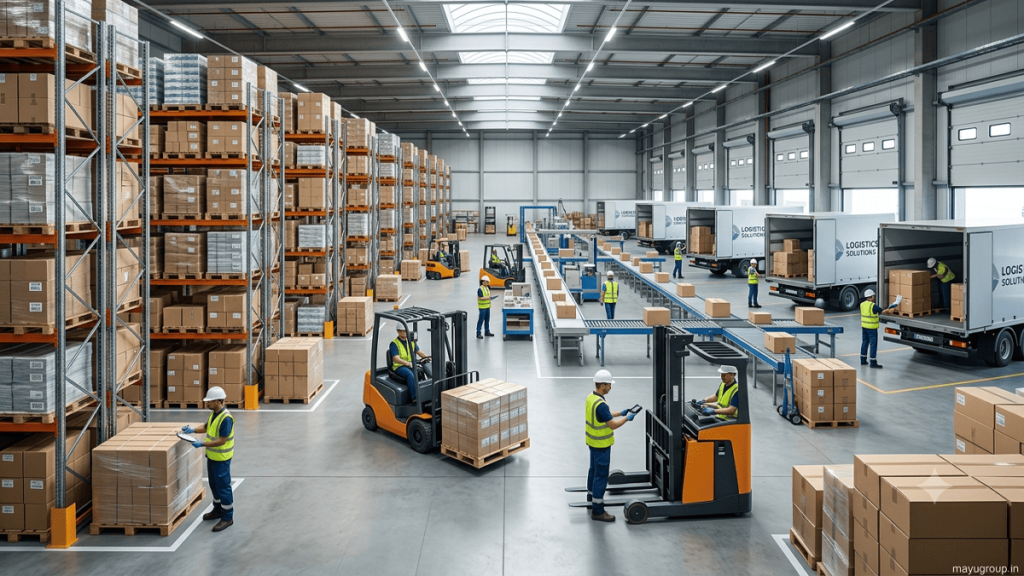
How Can Supply Chain Optimization Services Reduce Business Costs?
Managing operational expenses is a major priority for businesses seeking to improve profitability and maintain a competitive advantage. Supply chain optimization services help organizations identify inefficiencies, streamline processes, and make better use of available resources. By improving procurement, inventory management, transportation, warehousing, and demand forecasting, businesses can reduce unnecessary spending while maintaining product quality and customer satisfaction.
1. Improving Inventory Management
Excess inventory can tie up working capital, increase storage expenses, and create a risk of product obsolescence. On the other hand, insufficient inventory can lead to stockouts, delayed orders, and lost sales.
Supply chain optimization services help businesses establish appropriate inventory levels by analyzing historical sales, demand patterns, supplier lead times, and seasonal fluctuations. Better forecasting and replenishment planning enable companies to purchase the right quantities at the right time, reducing carrying costs and improving cash flow.
2. Reducing Transportation and Logistics Expenses
Transportation is often a significant component of total supply chain expenditure. Inefficient routes, partially filled vehicles, unnecessary shipments, and poor carrier selection can increase logistics costs.
Optimization specialists evaluate delivery routes, shipment schedules, transportation modes, and carrier performance to identify savings opportunities. Route planning and shipment consolidation can reduce fuel consumption, minimize empty vehicle journeys, and improve delivery efficiency. These improvements help businesses lower transportation expenses without compromising service quality.
3. Optimizing Procurement and Supplier Management
Purchasing decisions directly influence product costs and operational efficiency. Supply chain optimization services help organizations evaluate supplier pricing, contract terms, delivery reliability, and material quality.
By consolidating purchasing requirements, negotiating better agreements, and developing reliable supplier relationships, businesses may secure more competitive prices and reduce procurement-related expenses. Maintaining alternative suppliers can also help minimize costly disruptions caused by shortages or unexpected price increases.
4. Increasing Warehouse Efficiency
Poor warehouse organization can lead to higher labor costs, inefficient picking processes, wasted storage space, and order fulfillment errors.
Warehouse optimization improves facility layouts, storage allocation, inventory tracking, and material handling. Businesses can also introduce warehouse management systems to automate repetitive tasks and improve operational visibility. These measures help increase productivity, reduce errors, and make better use of existing warehouse capacity.
5. Using Data Analytics to Improve Decisions
Data analytics helps businesses identify cost patterns, forecast demand, and monitor operational performance. By examining purchasing trends, transportation expenses, inventory turnover, and supplier performance, organizations can make informed decisions instead of relying on assumptions.
Predictive analytics can also help companies anticipate disruptions and adjust purchasing or production plans before problems become expensive.
For further insights, businesses can explore IBM Supply Chain Solutions and Oracle Supply Chain Planning.
6. Preventing Disruptions and Unexpected Expenses
Supply chain disruptions can result in production downtime, emergency shipments, missed deadlines, and lost revenue. Optimization services help businesses identify vulnerabilities, assess supplier risks, and develop contingency plans.
Maintaining appropriate safety stock, diversifying critical suppliers, and improving supply chain visibility can reduce the financial impact of unexpected events.
Conclusion
Supply chain optimization services reduce business costs by improving inventory control, streamlining transportation, strengthening procurement, increasing warehouse productivity, and supporting data-driven decisions. Rather than focusing exclusively on short-term savings, businesses should evaluate their total supply chain costs and prioritize improvements that deliver measurable, sustainable results. With the right optimization strategy, organizations can improve profitability, strengthen operational resilience, and provide better value to customers.
#SupplyChainEfficiency
What Are the Key Benefits of Supply Chain Optimization Services?
Supply chain optimization services help businesses improve operational efficiency, control expenses, and deliver better customer experiences. In an increasingly competitive marketplace, organizations must manage procurement, inventory, transportation, warehousing, and distribution effectively to remain profitable. By identifying inefficiencies and implementing data-driven strategies, supply chain optimization enables businesses to use resources more effectively and build stronger operational foundations.
Whether a company operates in manufacturing, retail, e-commerce, or logistics, optimizing its supply chain can provide several long-term advantages.
1. Reduced Operational Costs
One of the primary benefits of supply chain optimization services is cost reduction. Inefficient transportation, excessive inventory, poor procurement decisions, and underutilized warehouse space can increase operating expenses.
Optimization specialists analyze these activities to identify unnecessary spending and recommend practical improvements. Better route planning, supplier negotiations, shipment consolidation, and resource allocation can help businesses reduce costs while maintaining product quality and service standards.
2. Improved Inventory Management
Effective inventory management helps businesses maintain the right quantity of products at the right time. Excess stock increases storage costs and ties up working capital, while insufficient inventory can result in lost sales and dissatisfied customers.
Supply chain optimization uses demand forecasting, inventory analysis, and replenishment planning to balance stock levels with customer demand. This approach can improve cash flow, reduce waste, and support more consistent product availability.
3. Faster and More Reliable Deliveries
Customers increasingly expect accurate delivery estimates and dependable service. Supply chain optimization improves delivery performance by coordinating suppliers, warehouses, transportation providers, and order fulfillment teams.
Optimized delivery routes and better shipment scheduling can reduce transit delays and improve order processing. Reliable deliveries also strengthen customer trust and encourage repeat business.
4. Better Demand Forecasting and Planning
Accurate demand forecasting helps organizations anticipate future sales and prepare resources accordingly. By analyzing historical sales, seasonal trends, market conditions, and customer behavior, businesses can make more informed purchasing and production decisions.
Better planning reduces the likelihood of overproduction, stock shortages, and emergency procurement. It also helps companies respond more effectively to changing market conditions.
5. Greater Supply Chain Visibility
Supply chain visibility allows businesses to monitor inventory, shipments, supplier performance, and order status across their operations. Digital platforms and analytics tools provide useful information that supports faster decision-making.
Improved visibility helps organizations identify potential bottlenecks, detect delays, and resolve problems before they significantly affect operations.
6. Stronger Risk Management and Resilience
Supply chains can face disruptions caused by supplier shortages, transportation delays, changing regulations, natural disasters, and unexpected demand fluctuations.
Optimization services help businesses identify vulnerabilities, evaluate alternative suppliers, and develop contingency plans. These measures can reduce disruption-related costs and support business continuity.
7. Increased Productivity and Customer Satisfaction
Streamlined workflows, improved warehouse layouts, and appropriate automation can reduce repetitive tasks and operational errors. Employees can focus more effectively on activities that create value.
At the same time, accurate orders, consistent product availability, and reliable deliveries improve the overall customer experience. These improvements can contribute to stronger customer relationships and sustainable business growth.
Conclusion
Supply chain optimization services provide measurable opportunities to improve efficiency, reduce expenses, strengthen resilience, and enhance customer satisfaction. By combining effective planning, reliable data, modern technology, and continuous performance monitoring, businesses can build supply chains that support long-term growth.
#LogisticsManagement
How Do Supply Chain Optimization Services Improve Inventory Management?
Effective inventory management is essential for maintaining business profitability, meeting customer expectations, and ensuring smooth daily operations. Businesses must maintain enough stock to fulfill customer orders without investing excessive capital in products that may remain unsold. Supply chain optimization services help organizations achieve this balance by improving demand forecasting, inventory planning, replenishment strategies, and stock visibility.
By combining data analytics, modern technology, and efficient processes, businesses can reduce inventory-related costs while improving product availability and operational performance.
1. Improving Demand Forecasting
Accurate demand forecasting helps businesses estimate how much inventory they will need in the future. Supply chain optimization services analyze historical sales, seasonal trends, market conditions, and customer purchasing behavior to identify demand patterns.
These insights help businesses plan purchasing and production more effectively. For example, a retailer can prepare for seasonal demand increases without accumulating excessive stock that may become difficult to sell later.
Better forecasting reduces the risk of overstocking and stockouts, helping businesses use their working capital more efficiently.
2. Maintaining Optimal Stock Levels
Maintaining appropriate inventory levels is one of the most important aspects of inventory management. Excess inventory increases storage, insurance, handling, and obsolescence costs. Insufficient stock can cause delayed deliveries, lost sales, and customer dissatisfaction.
Supply chain optimization specialists evaluate sales patterns, supplier lead times, and product importance to establish suitable stock levels. They may recommend safety stock policies, reorder points, and inventory classification methods to help businesses prioritize essential products.
This approach ensures that inventory decisions are based on actual operational requirements rather than guesswork.
3. Automating Inventory Tracking
Manual inventory tracking can lead to inaccurate records, duplicate entries, and delayed replenishment decisions. Modern inventory management systems help businesses monitor stock movements, purchase orders, and product availability more accurately.
Barcode scanning, radio-frequency identification (RFID), and integrated warehouse management systems can improve inventory visibility across multiple locations.
With more reliable information, businesses can identify discrepancies quickly, reduce manual errors, and make informed decisions about purchasing and distribution.
4. Optimizing Replenishment Processes
Supply chain optimization services help businesses determine when and how much inventory to reorder. Replenishment strategies consider sales velocity, supplier reliability, lead times, and expected demand.
Automated reorder alerts and inventory planning tools can reduce the likelihood of running out of important products. They also help prevent unnecessary purchasing that increases storage expenses.
For additional information, explore Oracle Supply Chain Planning, which explains how planning technologies support inventory and supply chain decisions.
5. Reducing Inventory Holding Costs
Inventory holding costs include warehouse rent, handling expenses, insurance, capital costs, and potential losses from damaged or obsolete products.
Optimization services help businesses identify slow-moving items, improve warehouse space utilization, and align purchasing decisions with actual demand. Techniques such as ABC inventory analysis can help organizations focus greater attention on high-value or strategically important products.
Reducing unnecessary stock can release working capital for other business priorities, including product development, marketing, and expansion.
6. Strengthening Supplier Coordination
Reliable supplier relationships are essential for maintaining consistent inventory availability. Supply chain optimization services evaluate supplier lead times, delivery performance, order accuracy, and sourcing risks.
Better coordination enables businesses to schedule purchases more effectively, respond to delays, and reduce the need for excessive safety stock. Where appropriate, businesses can also establish alternative suppliers to reduce dependence on a single source.
Conclusion
Supply chain optimization services improve inventory management by strengthening demand forecasting, maintaining appropriate stock levels, automating inventory tracking, and improving replenishment planning. These improvements help businesses reduce costs, prevent stock shortages, increase operational efficiency, and maintain customer satisfaction.
By combining accurate data, suitable technology, and continuous performance monitoring, organizations can develop a more responsive inventory management strategy that supports sustainable growth.
#SupplyChainSolutions
How to Choose the Right Supply Chain Optimization Service?
Choosing the right supply chain optimization service is an important decision for businesses seeking to reduce operational costs, improve efficiency, and strengthen their supply chain performance. The right service provider can help organizations streamline procurement, optimize inventory levels, improve transportation planning, and respond more effectively to changing market demands. However, with different providers offering varying technologies and consulting approaches, businesses need to evaluate their options carefully before making a decision.
1. Identify Your Business Requirements
Before selecting a supply chain optimization provider, identify the challenges affecting your current operations. These may include high transportation costs, inaccurate demand forecasts, excess inventory, supplier delays, or inefficient warehouse processes.
Understanding these challenges helps you determine which services will deliver the greatest value. For example, a manufacturing company may prioritize production planning and supplier coordination, while an e-commerce business may focus on inventory visibility, order fulfillment, and last-mile delivery.
Clearly defined objectives also make it easier to measure the success of an optimization project.
2. Evaluate Industry Experience and Expertise
Every industry has different supply chain requirements. A healthcare distributor must consider product traceability and storage conditions, while a retailer may need to manage seasonal demand and multiple distribution locations.
Look for a provider with relevant industry experience, practical knowledge, and a proven approach to solving similar operational challenges. Ask about previous projects, measurable outcomes, and the methods used to achieve improvements.
A knowledgeable partner should understand your business model and recommend solutions tailored to your operational needs rather than offering a generic strategy.
3. Assess Technology and Analytical Capabilities
Modern supply chain optimization often relies on technologies such as artificial intelligence, predictive analytics, warehouse management systems, and transportation management software.
Evaluate whether the provider offers tools that improve inventory visibility, demand forecasting, supplier coordination, and operational reporting. It is equally important to confirm that these solutions can integrate with your existing enterprise resource planning (ERP) and business systems.
Explore Oracle Supply Chain Planning and IBM Supply Chain Solutions to understand how digital technologies can support supply chain planning and decision-making.
4. Compare Costs and Expected Return on Investment
Price should not be the only factor when comparing supply chain optimization services. A lower-cost provider may not deliver the capabilities needed to achieve meaningful improvements.
Review implementation fees, software licensing, consulting charges, training requirements, and ongoing support costs. Ask providers to explain how they will measure results, using indicators such as inventory carrying costs, on-time delivery rates, order fulfillment accuracy, and transportation expenses.
A clear return-on-investment framework helps you determine whether the proposed service justifies its cost.
5. Prioritize Scalability and Flexibility
Your supply chain requirements may change as your business expands into new markets, introduces products, or increases order volumes. Choose a provider that can adapt its solutions to changing operational needs.
Flexible services and scalable technology help businesses expand without repeatedly replacing their systems or redesigning their entire supply chain strategy.
6. Review Communication, Support, and Implementation
Successful optimization requires collaboration between your internal teams and the service provider. Assess the provider’s implementation timeline, communication process, employee training, and post-implementation support.
A reliable partner should explain recommendations clearly, establish realistic milestones, and monitor performance after implementation. Ongoing reviews help identify new inefficiencies and ensure that improvements remain effective.
Conclusion
Choosing the right supply chain optimization service requires a careful assessment of business needs, industry expertise, technology capabilities, cost-effectiveness, scalability, and ongoing support. Businesses should compare providers based on measurable outcomes rather than promises alone.
By selecting a partner that understands their operational challenges and long-term objectives, organizations can improve efficiency, control costs, strengthen supply chain resilience, and deliver better customer experiences. A well-planned selection process creates a strong foundation for sustainable business growth.
#InventoryManagement
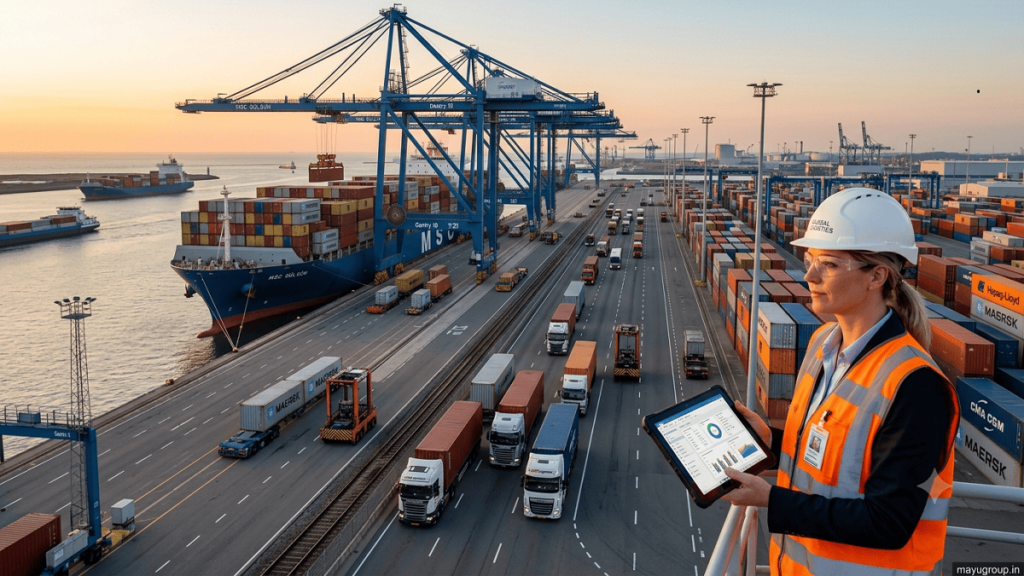
Case Study of Supply Chain Optimization Services: How Walmart Improved Efficiency and Reduced Costs
Supply chain optimization services help businesses improve logistics performance, manage inventory more effectively, and reduce unnecessary operational expenses. A well-optimized supply chain enables organizations to deliver products faster, use resources efficiently, and maintain consistent product availability. Walmart, one of the world’s largest retailers, provides a useful real-world example of how advanced analytics, transportation planning, and supply chain optimization can deliver measurable business benefits.
Company Background
Walmart operates an extensive retail and distribution network that serves customers through physical stores and online channels. Managing this network requires coordination among suppliers, distribution centers, transportation providers, and retail locations.
The company must ensure that products reach the right locations at the right time while controlling transportation expenses and maintaining its commitment to competitive prices. These operational requirements make supply chain efficiency a critical part of its business strategy.
The Supply Chain Challenges
Walmart’s large distribution network creates complex planning challenges. Delivering products across numerous locations requires efficient truck routing, effective shipment consolidation, accurate inventory allocation, and careful coordination between distribution centers and stores.
Inefficient transportation routes can increase fuel consumption and operating costs. Poor shipment planning can also lead to unnecessary journeys, underutilized truck capacity, and additional pressure on logistics operations.
At the same time, inventory must be positioned according to customer demand to reduce shortages and avoid excessive stock in individual locations.
Optimization Strategies Implemented
Walmart has invested in advanced optimization systems that connect strategic supply chain planning with day-to-day transportation decisions.
1. Advanced transportation planning
Walmart developed optimization capabilities to improve truck routing and shipment loading. These systems help determine more efficient ways to transport products across its distribution network.
According to research published in the INFORMS Journal on Applied Analytics, Walmart’s optimization framework eliminated approximately 108,000 truck routes, covering 33 million miles, during fiscal year 2023.
2. Data-driven decision-making
The company uses analytical models and simulation tools to evaluate supply chain decisions. These capabilities help planners assess network configurations, transportation requirements, and operational scenarios before implementing changes.
3. Better shipment consolidation
Combining shipments and improving truck utilization can reduce unnecessary transportation activity. In May 2026, Walmart announced an expanded Prepaid Consolidation program designed to combine supplier shipments before distributing inventory across its regional distribution centers.
4. Technology-enabled logistics
Walmart has also made its AI-powered Route Optimization technology available to other businesses through Walmart Commerce Technologies, demonstrating how supply chain optimization capabilities can support organizations beyond its own retail network.
Measurable Results
The documented results of Walmart’s transportation optimization initiative demonstrate the potential value of data-driven logistics planning.
According to the INFORMS research publication, during fiscal year 2023, the company achieved:
- $91.5 million in savings through its routing and loading optimization framework.
- 108,000 truck routes eliminated, reducing unnecessary transportation activity.
- 33 million miles avoided, improving transportation efficiency.
- 98.6 million pounds of CO₂ emissions prevented, supporting environmental objectives.
These figures relate to the specific optimization framework described in the research and should not be interpreted as total savings across Walmart’s entire supply chain.
Sources: INFORMS Journal on Applied Analytics and Walmart’s Route Optimization announcement.
Key Lessons for Other Businesses
Walmart’s experience highlights several lessons that organizations can apply to their own supply chains.
First, businesses should use operational data to identify inefficiencies and guide decisions. Second, transportation planning should consider complete routes, shipment loads, and network requirements rather than optimizing individual deliveries in isolation. Third, technology investments should support measurable objectives, including lower costs, better service levels, and reduced environmental impact.
Small and medium-sized businesses can apply similar principles through route-planning software, improved inventory forecasting, shipment consolidation, and supplier coordination without needing Walmart’s scale of investment.
Conclusion
This case study demonstrates how supply chain optimization services can improve efficiency and deliver measurable cost savings when supported by suitable technology and effective planning. Walmart’s experience shows that optimizing transportation routes, consolidating shipments, and using advanced analytics can reduce unnecessary mileage, lower logistics expenses, and improve environmental performance.
For businesses seeking similar improvements, the most effective starting point is to assess current supply chain operations, identify the largest sources of waste, and implement targeted solutions with clearly defined performance indicators. Continuous monitoring and gradual improvement can help organizations build more efficient, resilient, and cost-effective supply chains over time.
#LogisticsOptimization
White Paper on Supply Chain Optimization Services: Strategies for Efficiency, Cost Reduction, and Sustainable Growth
Executive Summary
Supply chain optimization services help organizations improve operational efficiency, reduce unnecessary costs, strengthen supplier relationships, and enhance customer satisfaction. As businesses face fluctuating demand, rising logistics expenses, global sourcing challenges, and increasing customer expectations, optimizing supply chain operations has become a strategic priority.
This white paper explores the importance of supply chain optimization, the technologies and strategies involved, the benefits organizations can achieve, and the practical steps required to implement an effective optimization framework. It also highlights how data-driven decision-making and continuous improvement can help businesses develop more resilient and competitive supply chains.
1. Introduction to Supply Chain Optimization
A supply chain includes the interconnected activities involved in sourcing raw materials, manufacturing products, managing inventory, transporting goods, and delivering orders to customers. Inefficiencies at any stage can increase operating expenses, delay deliveries, and reduce profitability.
Supply chain optimization services address these challenges by analyzing existing processes and implementing improvements across procurement, inventory management, warehousing, transportation, and distribution.
The objective is not simply to minimize costs. Effective optimization balances cost efficiency, product availability, delivery performance, operational flexibility, and customer satisfaction.
2. Major Challenges in Supply Chain Management
Businesses encounter several challenges that can limit supply chain performance.
Demand fluctuations make it difficult to maintain appropriate inventory levels. Excess stock increases storage expenses and ties up working capital, while shortages can lead to missed sales and production delays.
Transportation inefficiencies, including poorly planned routes, fragmented shipments, and limited shipment visibility, can increase logistics costs. Supplier unreliability and extended lead times can further disrupt production schedules and order fulfillment.
Additionally, disconnected software systems and inaccurate operational data can prevent businesses from making timely, informed decisions.
Supply chain optimization services help organizations identify these challenges, assess their financial and operational impact, and develop targeted improvement strategies.
3. Core Supply Chain Optimization Services
Demand Forecasting and Planning
Demand forecasting uses historical sales, seasonal patterns, market information, and analytical models to estimate future requirements. Better forecasts help businesses align purchasing, production, and distribution with expected demand.
Inventory Optimization
Inventory optimization establishes appropriate stock levels, reorder points, and safety stock policies. These practices help reduce inventory holding costs while maintaining product availability.
Transportation and Logistics Optimization
Transportation optimization improves route selection, shipment consolidation, carrier allocation, and delivery scheduling. Businesses can use these strategies to reduce transportation expenses and improve delivery reliability.
Warehouse and Distribution Optimization
Warehouse optimization focuses on storage layouts, picking processes, inventory accuracy, labor utilization, and order fulfillment. Appropriate warehouse management technology can improve productivity and reduce processing errors.
Procurement and Supplier Optimization
Supplier optimization evaluates purchasing costs, supplier performance, delivery reliability, and sourcing risks. Businesses can use these insights to negotiate better agreements and establish more dependable supplier networks.
4. The Role of Technology and Data Analytics
Digital transformation is increasingly important in supply chain optimization. Artificial intelligence, machine learning, predictive analytics, and integrated planning systems can help organizations identify demand patterns, evaluate risks, and compare alternative operational decisions.
Enterprise resource planning systems, warehouse management systems, and transportation management systems improve coordination by connecting relevant information across business functions.
However, technology alone does not guarantee successful optimization. Organizations also need reliable data, clearly defined processes, trained employees, and effective implementation plans.
For further information, consult IBM Supply Chain Solutions and Oracle Supply Chain Planning.
5. Business Benefits of Supply Chain Optimization
Supply chain optimization can deliver several important business benefits.
First, it can reduce operating costs by identifying waste, improving transportation efficiency, and controlling inventory expenses. Second, it can improve working capital management by reducing unnecessary stock and aligning purchasing with demand.
Third, optimized operations can improve order accuracy, delivery reliability, and customer satisfaction. Fourth, better visibility and supplier risk management can help organizations respond more effectively to disruptions.
Optimization can also support sustainability goals by reducing unnecessary transportation activity, improving resource utilization, and limiting avoidable product waste.
The results depend on the organization’s starting position, implementation quality, and ability to maintain improvements over time.
6. Implementation Framework
A structured implementation process helps businesses achieve meaningful and measurable results.
Step 1: Assess current operations. Review procurement, inventory, transportation, warehousing, and distribution processes to identify performance gaps.
Step 2: Establish measurable objectives. Define targets for inventory costs, delivery reliability, forecast accuracy, order fulfillment, and overall supply chain expenditure.
Step 3: Analyze data and identify priorities. Use operational information to determine which inefficiencies have the greatest financial or service impact.
Step 4: Select appropriate solutions. Choose consulting services, planning tools, automation, or process improvements that address the identified challenges.
Step 5: Implement changes gradually. Pilot improvements in selected facilities, product categories, or transportation routes before expanding them across the organization.
Step 6: Monitor and improve performance. Review key performance indicators regularly and adjust strategies as business requirements evolve.
7. Measuring Supply Chain Optimization Performance
Organizations should evaluate optimization initiatives through clearly defined key performance indicators (KPIs).
Important measures include inventory turnover, inventory carrying costs, order fulfillment rates, on-time delivery, transportation cost per shipment, forecast accuracy, and supplier lead-time consistency.
Businesses should establish baseline measurements before implementation and compare subsequent results against those baselines. This approach helps determine whether an initiative has produced meaningful improvements rather than simply introducing new technology or processes.
8. Recommendations for Businesses
Organizations should begin with their most significant operational challenges instead of attempting to optimize every supply chain function simultaneously.
Prioritizing high-impact opportunities can help businesses achieve early improvements while controlling implementation costs. Companies should also encourage collaboration among procurement, finance, operations, logistics, and customer service teams.
When selecting an optimization partner, businesses should evaluate industry experience, analytical capabilities, technology integration, implementation methodology, and ongoing support.
A successful optimization strategy should remain flexible enough to accommodate changing customer demand, supplier conditions, and business growth.
Conclusion
Supply chain optimization services provide organizations with a structured approach to improving efficiency, controlling costs, strengthening resilience, and delivering better customer experiences. By combining effective planning, reliable data, appropriate technology, and continuous performance measurement, businesses can build supply chains that support long-term operational and financial objectives.
The most effective approach begins with a clear understanding of current performance, followed by targeted improvements and consistent monitoring. Organizations that treat optimization as an ongoing business process rather than a one-time project are better positioned to adapt to market changes and maintain a competitive advantage.
References and Further Reading
- IBM Supply Chain Solutions
- Oracle Supply Chain Planning
- ASCM — Association for Supply Chain Management
- MIT Center for Transportation & Logistics
#SupplyChainManagement
Industry Applications of Supply Chain Optimization Services
Supply chain optimization services play an important role in helping businesses across different industries improve operational efficiency, control costs, and meet customer expectations. As markets become more competitive and customer demands continue to evolve, organizations need reliable strategies to manage procurement, inventory, transportation, warehousing, and distribution. Supply chain optimization combines data analysis, advanced technologies, and process improvements to help businesses coordinate these activities more effectively.
From manufacturing and retail to healthcare and e-commerce, optimized supply chains enable organizations to reduce waste, improve resource utilization, and build long-term operational resilience.
1. Manufacturing Industry
Manufacturing companies depend on a consistent supply of raw materials, components, and production resources. Delays in procurement or inefficient production planning can increase costs and disrupt delivery schedules.
Supply chain optimization services help manufacturers improve demand forecasting, coordinate supplier deliveries, manage production schedules, and maintain appropriate inventory levels. These improvements can reduce production downtime, minimize excess materials, and improve manufacturing efficiency.
For example, a manufacturer can use demand planning software to align raw material purchases with expected production requirements, reducing unnecessary storage costs while ensuring materials are available when needed.
2. Retail and E-Commerce
Retailers and e-commerce businesses must manage large product assortments, fluctuating demand, seasonal sales, and customer expectations for fast delivery.
Supply chain optimization supports inventory allocation, warehouse operations, order fulfillment, and transportation planning. By analyzing purchasing patterns and sales trends, retailers can position products closer to areas of demand and reduce the risk of stock shortages.
E-commerce companies can also improve last-mile delivery planning, shipment consolidation, and returns management. These improvements help control fulfillment costs while providing customers with more reliable service.
3. Healthcare and Pharmaceutical Industry
Healthcare organizations and pharmaceutical companies require dependable supply chains to ensure the availability of medicines, medical devices, and essential supplies. Some products also require strict temperature control, traceability, and compliance with regulatory requirements.
Supply chain optimization services help organizations improve demand planning, monitor inventory expiration dates, coordinate distribution, and maintain appropriate safety stock. Temperature monitoring and shipment tracking can support the safe handling of sensitive products.
Better planning helps reduce product wastage, prevent shortages, and maintain continuity of supply for healthcare providers.
Additional guidance is available through the World Health Organization’s health product supply chain resources.
4. Food and Beverage Industry
Food and beverage businesses face challenges involving product freshness, seasonal availability, fluctuating demand, and strict storage requirements.
Optimization services help businesses coordinate sourcing, production, cold-chain transportation, and distribution. Demand forecasting and inventory rotation practices can reduce spoilage and improve product availability.
For perishable goods, effective scheduling and temperature-controlled logistics are especially important because delays can lead to product losses and additional costs.
5. Automotive Industry
The automotive industry relies on complex networks of component suppliers, manufacturing facilities, and distribution partners. A shortage of even one critical component can disrupt an entire production line.
Supply chain optimization helps automotive manufacturers coordinate supplier deliveries, improve production scheduling, and manage component inventories. Risk assessment and alternative sourcing strategies can also reduce dependence on individual suppliers.
These measures support production continuity, more predictable lead times, and better coordination throughout the automotive supply chain.
6. Logistics and Transportation
Logistics providers must coordinate shipments, vehicle capacity, delivery routes, warehouses, and customer requirements. Inefficient planning can increase fuel consumption, labor expenses, and delivery delays.
Transportation optimization services help improve route selection, consolidate shipments, allocate vehicles effectively, and monitor delivery performance. Data-driven planning can also help logistics companies identify bottlenecks and improve fleet utilization.
7. Construction and Infrastructure
Construction projects depend on the timely availability of building materials, equipment, and specialized components. Delayed deliveries can increase labor costs, extend project timelines, and disrupt site operations.
Supply chain optimization helps construction companies coordinate purchasing, supplier schedules, material storage, and deliveries to project sites. Better forecasting and procurement planning can reduce excess materials and limit costly project interruptions.
Conclusion
Supply chain optimization services provide valuable benefits across manufacturing, retail, healthcare, food and beverage, automotive, logistics, and construction industries. Although each sector has unique requirements, the common objectives remain consistent: reducing unnecessary expenses, improving resource utilization, increasing supply chain visibility, and delivering reliable service.
By combining industry-specific strategies with suitable technology and continuous performance monitoring, organizations can develop more efficient and resilient supply chains. Investing in optimization enables businesses to respond to market changes, manage operational risks, and support sustainable long-term growth.
#SupplyChainOptimization
Ask FAQs
What Are Supply Chain Optimization Services?
Supply chain optimization services help businesses improve procurement, inventory management, transportation, warehousing, and distribution. These services use data analytics, technology, and process improvements to reduce operational costs, increase efficiency, and improve customer satisfaction.
How Do Supply Chain Optimization Services Reduce Business Costs?
These services reduce costs by improving transportation routes, minimizing excess inventory, streamlining warehouse operations, and strengthening supplier relationships. Better demand forecasting and resource allocation also help businesses avoid unnecessary expenses and improve profitability.
Which Industries Benefit From Supply Chain Optimization Services?
Industries such as manufacturing, retail, e-commerce, healthcare, pharmaceuticals, automotive, food and beverage, construction, and logistics can benefit from supply chain optimization. These services help organizations manage industry-specific challenges, improve resource utilization, and maintain reliable product availability.
How Does Technology Improve Supply Chain Optimization?
Technologies such as artificial intelligence, predictive analytics, inventory management software, and transportation management systems help businesses make informed decisions. They improve demand forecasting, shipment tracking, inventory visibility, and operational planning while helping organizations identify inefficiencies and potential disruptions.
How Can Businesses Choose the Right Supply Chain Optimization Provider?
Businesses should evaluate a provider’s industry experience, technology capabilities, service offerings, implementation approach, pricing, and customer support. It is also important to establish measurable performance indicators, such as inventory costs, on-time delivery rates, and order fulfillment accuracy, to assess the provider’s effectiveness.
Disclaimer: The information provided is for general informational purposes only. Actual results from supply chain optimization services may vary depending on business needs, industry conditions, and implementation strategies.