Indie Game Funding
Table of Contents
The independent gaming industry has grown into a significant part of the global video game market, giving small studios and individual developers opportunities to create original games without the resources of major publishers. However, developing a game requires more than creativity and technical skills. Developers may need funding for programming, art and animation, sound design, software, testing, marketing, platform fees, and other production costs. Indie game funding provides developers with financial resources to turn game concepts into finished, marketable products.
Indie game funding refers to the different ways independent developers and small studios can raise money for game development. Unlike traditional game development, where a large publisher may finance production, indie developers often need to combine several funding sources. These can include personal savings, crowdfunding, grants, publisher funding, investors, early-access sales, and revenue from previous games.
One of the most accessible approaches is self-funding, where developers use their own savings or existing business revenue to finance development. This gives creators greater control over their projects but also places the financial risk directly on the developer. Crowdfunding is another popular option, allowing developers to present their concepts to potential players and raise money from supporters. Platforms such as Kickstarter have helped creators raise funding directly from their communities.
Government and nonprofit programs can also provide valuable opportunities. For example, the UK Games Fund supports eligible game developers and studios in the United Kingdom. Developers should research programs available in their own countries because eligibility, application requirements, and funding amounts can vary considerably.
Publisher funding is another potential source of capital. A publisher may provide development financing, marketing support, distribution, or other resources in exchange for agreed commercial terms. While this can reduce the developer’s financial burden, developers should carefully review contracts covering intellectual property ownership, revenue sharing, milestones, and publishing rights.
Successful funding generally begins with a clear development plan and realistic budget. Developers should understand how much money is required, what the funding will be used for, how long development is expected to take, and what milestones need to be achieved. A well-developed pitch deck, playable prototype, production roadmap, and financial plan can make a funding proposal more credible.
Ultimately, indie game funding is not simply about obtaining money to build a game. It is about finding a sustainable financial strategy that allows developers to maintain creative control while covering development and marketing costs. With careful planning, appropriate funding sources, and disciplined budget management, independent developers can improve their ability to transform promising game ideas into commercially viable releases.
#GamingBusiness
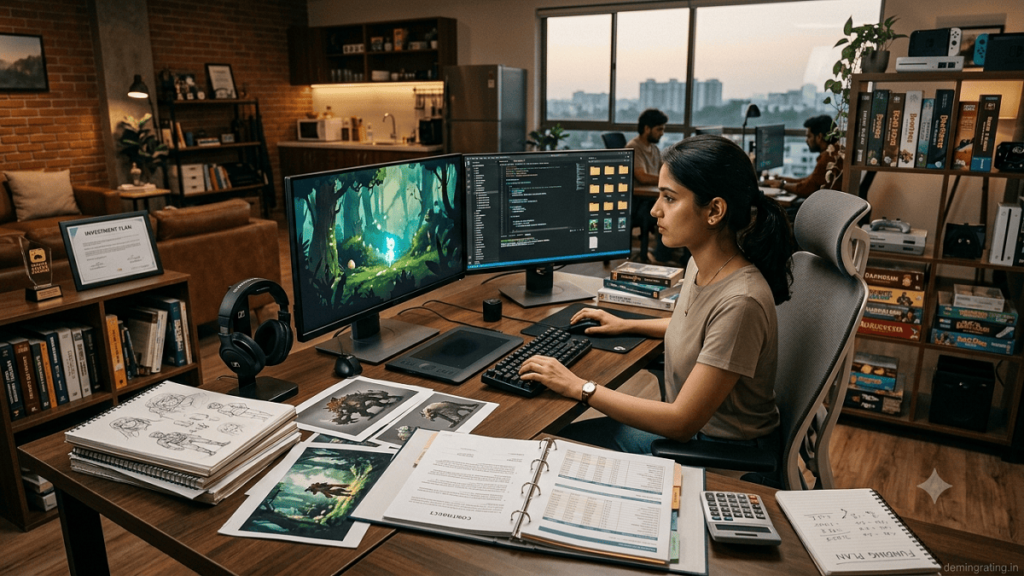
What Is Indie Game Funding and Why Is It Important?
Indie game funding refers to the financial resources independent game developers and small studios use to create, launch, and promote video games. Unlike large game companies that may have substantial internal budgets or established publishing relationships, indie developers often have limited resources and must find alternative ways to finance development. Funding can cover expenses such as programming, art, animation, music, software, testing, marketing, platform fees, and business operations.
Indie game funding can come from several sources, including personal savings, crowdfunding, grants, investors, publishers, early-access revenue, and funding programs designed specifically for game developers. The most appropriate option depends on the project’s development stage, budget, commercial potential, and the amount of creative and financial control the development team wants to maintain.
Why Is Indie Game Funding Important?
The most obvious reason funding is important is that game development requires significant time and resources. Even a small independent game can require months or years of development. Developers need to dedicate time to programming, design, art, sound, testing, and optimization. Financial support can allow team members to work on the project consistently instead of developing it only during their spare time.
Funding can also improve game quality. Access to sufficient capital may allow developers to hire professional artists, composers, writers, programmers, or quality-assurance testers. Investing in specialized expertise can help transform an early prototype into a more polished final product.
Another important benefit is marketing and distribution. Creating a high-quality game does not automatically guarantee that players will discover it. Funding can support promotional campaigns, trailers, events, influencer outreach, public relations, and other activities designed to increase visibility.
Crowdfunding platforms such as Kickstarter provide one possible way for developers to raise money while building an early community around a project. Meanwhile, organizations such as the UK Games Fund demonstrate how specialized funding programs can support eligible game developers.
Funding can also provide developers with greater financial stability during production. Without adequate resources, projects may face delays, reduced scope, or cancellation. A realistic funding plan can help developers establish achievable milestones and manage production expenses more effectively.
However, funding should be approached strategically. Developers should understand the terms associated with each funding source, including repayment obligations, revenue sharing, intellectual property rights, publishing arrangements, and investor expectations.
Ultimately, indie game funding is important because it gives independent developers the financial capacity to turn creative concepts into finished games. When funding is combined with realistic budgeting, careful project management, and a strong development strategy, it can significantly improve an indie studio’s ability to create, launch, and sustain commercially viable games.
#GameDevelopers
What Funding Options Are Available to Independent Game Developers?
Independent game developers have more funding opportunities today than ever before, but choosing the right source of capital can be challenging. Game development can involve substantial costs for programming, art, audio, software, testing, marketing, and distribution. Depending on the project’s stage, budget, and commercial goals, developers can combine multiple funding sources rather than relying on a single option.
1. Self-Funding
Self-funding, sometimes called bootstrapping, involves using personal savings or income from other work to finance development. It gives developers maximum creative control and does not require sharing ownership or future revenue with external parties. However, it also places the financial risk on the developer and may limit the project’s scope.
2. Crowdfunding
Crowdfunding allows developers to raise money directly from potential players and supporters. Developers typically present their game concept, prototype, development plans, and funding target through a crowdfunding platform. Kickstarter is one well-known platform used by creators to finance creative projects.
Beyond raising money, a successful campaign can help developers build an early community and validate interest in a game. However, crowdfunding requires significant preparation, marketing, communication, and fulfillment planning.
3. Grants and Government Programs
Game development grants can provide funding without requiring traditional loan repayment, although programs usually have specific eligibility requirements and application processes. Developers should research local and national programs because availability varies by location.
For example, the UK Games Fund provides support for eligible game development businesses in the United Kingdom.
4. Publisher Funding
Game publishers may provide development funding in exchange for publishing and distribution rights or an agreed share of revenue. Publishers can also contribute marketing, quality assurance, localization, platform relationships, and industry expertise.
Before signing an agreement, developers should carefully review provisions covering intellectual property ownership, milestones, recoupment, revenue sharing, termination, and publishing rights.
5. Investors
Some indie studios seek investment from angel investors, venture capital firms, or specialized gaming investors. Investment can provide substantial capital for studios with ambitious growth plans, but it may involve giving investors equity or decision-making influence.
6. Early Access and Pre-Orders
Platforms such as Steam offer developers opportunities to release games through Early Access. Revenue generated from early players can contribute toward continued development, while player feedback can help developers improve the game.
Choosing the Right Option
The best funding strategy depends on the game’s budget, development stage, team size, and long-term objectives. Developers should compare funding amounts, eligibility requirements, costs, ownership implications, revenue-sharing arrangements, and creative restrictions.
Ultimately, combining funding sources can sometimes provide greater flexibility than relying on one method. A clear production plan, realistic budget, strong prototype, and well-defined business strategy can also improve the chances of securing suitable funding.
#GameIndustry
How Can Indie Developers Create a Strong Funding Proposal or Pitch?
For independent game developers, a strong funding proposal can be the difference between attracting financial support and having a promising project overlooked. Investors, publishers, grant organizations, and crowdfunding audiences need to understand not only what the game is, but also why it has commercial potential and how the requested funding will be used. A successful pitch should combine a compelling creative vision with realistic financial and development plans.
Start With a Clear Game Concept
The proposal should immediately explain what makes the game interesting. Developers should briefly describe the genre, gameplay mechanics, target platform, intended audience, and unique selling proposition. Avoid filling the opening with technical details. Instead, communicate the core player experience and explain what differentiates the game from competing titles.
A playable prototype or vertical slice can make the concept significantly easier to evaluate. Visual materials such as gameplay footage, concept art, screenshots, or a short trailer can also strengthen the presentation.
Demonstrate Market Potential
Funders want to understand who will buy or play the game. Developers should identify their target audience and research comparable games. Include information about the genre’s audience, competing products, platform strategy, and potential market positioning.
The goal is not to claim that a game will become the next major hit, but to demonstrate that the team understands its market and has realistic expectations.
Present a Realistic Development Plan
A strong proposal should explain how the game will be developed. Include major milestones such as prototype completion, production, testing, Early Access if applicable, launch, and post-launch support. Identify the development team and explain the experience or skills each key member contributes.
Platforms such as Steamworks provide developers with resources covering game distribution and preparation for publishing on Steam.
Explain the Funding Requirement
Be specific about how much funding is required and how it will be allocated. A clear budget might include programming, art, audio, software, contractors, quality assurance, marketing, legal expenses, and contingency reserves.
Developers should also explain what milestones the requested funding will help achieve. This makes the funding request more measurable and credible.
Explain the Business Model
The proposal should clearly describe how the game is expected to generate revenue. Depending on the project, this could involve premium sales, Early Access, downloadable content, subscriptions, or another model. Developers should avoid unrealistic revenue projections and clearly explain the assumptions behind any financial forecasts.
Keep the Pitch Professional and Focused
A strong pitch should be concise, visually polished, and easy to understand. Developers should tailor the proposal to the recipient, whether it is a publisher, investor, grant organization, or crowdfunding audience.
Resources from organizations such as UK Games Fund can also help developers understand opportunities and expectations within structured game-development funding programs.
Ultimately, an effective indie game funding proposal should answer five essential questions: What is the game, who is it for, why will it stand out, how will it be developed, and exactly what will the funding accomplish? Clear answers to these questions can make a pitch more persuasive while demonstrating that the development team has both creative ambition and sound business planning.
#IndieDevelopers
What Factors Should Developers Consider When Choosing a Funding Source?
Choosing the right funding source is one of the most important financial decisions an independent game developer can make. Different options, including grants, crowdfunding, publisher financing, investors, and self-funding, can provide access to capital but may also involve different obligations and levels of creative control. Developers should therefore evaluate more than the amount of money being offered and consider how each funding arrangement could affect the project and studio over the long term.
1. Funding Amount and Project Requirements
Developers should first determine how much capital the game actually requires. A detailed production budget should account for programming, art, audio, software, contractors, testing, marketing, platform costs, and contingency expenses. The chosen funding source should provide enough capital to reach meaningful development milestones without encouraging unnecessary borrowing or dilution of ownership.
2. Ownership and Creative Control
Ownership is particularly important for independent developers who want to maintain control over their intellectual property. Publisher or investor agreements may include provisions affecting IP ownership, licensing, sequel rights, revenue sharing, or creative decisions.
Developers should carefully review these terms before signing an agreement and seek qualified legal advice when necessary.
3. Repayment and Financial Risk
Not all funding works in the same way. Loans may require repayment regardless of whether the game becomes commercially successful, while investment may involve giving up equity or a share of future returns. Grants may have different reporting or eligibility requirements.
Developers should evaluate the financial risk associated with each option and consider whether their studio could remain operational if sales are lower than expected.
4. Revenue Sharing and Recoupment
Publisher and investment agreements may include revenue-sharing or recoupment arrangements. Developers should understand when the funder recovers its investment, what expenses can be recouped, and how revenue is divided afterward.
A seemingly large funding offer may be less attractive if the associated commercial terms significantly reduce the developer’s long-term returns.
5. Additional Support
Money is not always the only benefit a funding source provides. Publishers may offer marketing, localization, distribution, quality assurance, platform relationships, or industry expertise. Similarly, investors may provide business guidance and professional connections.
For developers considering Steam distribution, Steamworks provides official resources for developers and publishers.
6. Reputation and Track Record
Developers should research potential funders before entering an agreement. Review their previous projects, developer relationships, contract reputation, and history of supporting games through launch. Government or industry-backed programs may also offer structured opportunities. For example, UK Games Fund provides information about funding and support for eligible UK game businesses.
7. Alignment With the Game’s Goals
Finally, the funding source should align with the project’s creative and commercial objectives. A developer seeking maximum independence may prefer self-funding or grants, while a studio planning a larger commercial release may benefit from a publisher or strategic investor.
Ultimately, developers should compare funding amount, ownership, control, repayment obligations, revenue sharing, additional support, funder reputation, and long-term strategic fit. The best funding source is not necessarily the one offering the most money, but the one that provides the resources needed to complete the game while preserving a sustainable future for the developer or studio.
#GameFunding

How Can Indie Game Funding Support Game Development, Marketing, and Long-Term Growth?
Indie game funding can provide independent developers and small studios with the financial resources needed to move a game from an early concept to a commercial release. While funding is often associated with development costs, its role can extend much further. Well-planned financing can support production, marketing, distribution, post-launch improvements, and long-term studio growth.
Supporting Game Development
Game development requires investment in multiple areas, including programming, game design, art, animation, audio, software, quality assurance, and hardware. Adequate funding allows developers to dedicate more time and resources to these activities rather than relying entirely on personal savings or secondary employment.
Funding can also enable studios to hire specialized contractors or employees. For example, a small team might outsource music composition, character animation, localization, or quality assurance to professionals with specific expertise. This can improve production quality while helping the core team concentrate on its primary responsibilities.
Financing Marketing and Promotion
Creating a good game does not guarantee that players will discover it. Marketing is therefore an important part of an indie game’s commercial strategy. Funding can be allocated toward trailers, promotional artwork, public relations, influencer campaigns, advertising, gaming events, press outreach, and community-building activities.
Developers can also use funding to prepare store pages and promotional assets for distribution platforms. Steamworks provides official resources for developers and publishers preparing games for release on Steam.
Crowdfunding can serve both financial and marketing purposes. Platforms such as Kickstarter can help developers raise capital while introducing a game to potential players and building an early community.
Supporting Post-Launch Development
Funding can remain valuable after launch. Developers may need resources for bug fixes, patches, downloadable content, localization, customer support, server expenses, or additional platform releases. Maintaining the game after launch can improve the player experience and potentially extend its commercial lifespan.
Building Long-Term Studio Growth
Strategic funding can also help an indie studio become more sustainable. Revenue or investment can be reinvested into better development tools, improved production processes, marketing capabilities, employee hiring, and the development of future projects.
Organizations such as UK Games Fund demonstrate how specialized funding and support programs can contribute to the development of eligible game businesses.
However, funding should be managed carefully. Developers should establish a detailed budget, prioritize essential expenses, monitor cash flow, and avoid assuming that future game sales will automatically cover financial obligations.
Ultimately, indie game funding can support the entire game lifecycle—from development and marketing to post-launch support and future projects. When capital is aligned with clear milestones and realistic business objectives, it can give independent developers a stronger foundation for creating quality games while building sustainable studios over the long term.
#GameDevelopment
Case Study of Indie Game Funding: How Crowdfunding Supported Hollow Knight
A useful example of indie game funding is Hollow Knight, developed by Team Cherry. The game demonstrates how crowdfunding can help an independent studio finance development while simultaneously building a community around its project. The case also illustrates the importance of a strong concept, a compelling presentation, and clear communication with potential backers.
The Funding Challenge
Team Cherry was a small independent development team working on Hollow Knight, a hand-drawn action-adventure game. Developing an ambitious game independently required resources for programming, artwork, animation, music, design, and other production expenses. Rather than relying exclusively on personal funds, the team turned to crowdfunding to expand its financial resources.
In 2014, Team Cherry launched a campaign on Kickstarter. The campaign had an initial funding goal of A$35,000. It ultimately raised more than A$57,000 from over 2,000 backers, giving the developers additional resources to continue development.
Why the Campaign Worked
Several elements contributed to the campaign’s appeal. First, Hollow Knight had a distinctive visual identity, supported by detailed hand-drawn artwork and a clearly defined atmosphere. The campaign also communicated the game’s concept and development vision through gameplay information, artwork, and development details.
The campaign’s reward structure provided supporters with different ways to participate, while stretch goals helped communicate how additional funding could contribute to the project’s development.
Importantly, crowdfunding provided more than capital. It created an early community of people who had a direct interest in the game’s progress. This community could provide feedback, follow development updates, and eventually become part of the game’s initial audience.
Lessons for Indie Developers
The Hollow Knight example demonstrates several useful principles for developers seeking funding. A strong visual presentation can make an unfinished game easier for potential supporters to understand. A clear funding target also helps communicate exactly what the campaign is attempting to accomplish.
Developers should be transparent about their development plans, budgets, risks, and expected milestones. They should also avoid promising features or release schedules that cannot realistically be delivered.
Team Cherry’s official Hollow Knight website provides additional information about the game and its development.
Conclusion
The Hollow Knight case demonstrates how indie game funding can combine financial support with community building. Crowdfunding allowed Team Cherry to obtain additional development resources while establishing an audience before the game’s commercial release.
For modern indie developers, the key lesson is that successful funding depends on more than asking for money. A compelling game concept, credible development plan, strong presentation, realistic funding requirements, and consistent communication can help turn potential supporters into an engaged community. While crowdfunding does not guarantee commercial success, it can provide independent developers with valuable resources and early market validation when used strategically.
#IndieGames
White Paper on Indie Game Funding
Executive Summary
Independent game development has created opportunities for small studios and individual developers to bring innovative games to global audiences without relying entirely on major publishers. However, transforming a game concept into a commercially viable product requires significant financial resources. Development expenses can include programming, art, animation, audio, software, testing, marketing, localization, distribution, and post-launch support.
Indie game funding refers to the various financial resources available to independent developers and studios to finance these activities. Funding may come from personal savings, crowdfunding, grants, publishers, investors, early-access sales, or other financing arrangements. Selecting an appropriate funding strategy can influence a studio’s creative control, financial risk, development schedule, and long-term sustainability.
The Funding Challenge
Independent developers frequently operate with smaller teams and limited budgets. Unlike established publishers, they may not have substantial internal capital to finance lengthy development cycles. A project can also experience unexpected expenses, production delays, or changes in scope.
Funding therefore plays an important role in reducing financial constraints. A well-prepared budget allows developers to estimate production costs and determine how much capital is required to reach important milestones.
Major Sources of Indie Game Funding
Self-funding provides maximum control because developers do not generally have to answer to external financiers. However, it exposes personal finances to development risk.
Crowdfunding provides another route. Platforms such as Kickstarter allow developers to present projects directly to potential supporters. Beyond raising money, crowdfunding can help establish an early community and test audience interest.
Grants and industry programs can provide additional opportunities for eligible developers. For example, UK Games Fund provides support to qualifying game businesses and development teams in the United Kingdom.
Publisher financing can provide both capital and additional services, including marketing, distribution, localization, and quality assurance. However, developers must carefully evaluate agreements involving intellectual property, revenue sharing, milestones, and publishing rights.
Investors may provide larger amounts of capital to studios with significant growth ambitions. In return, developers may need to provide equity or accept investor involvement in business decisions.
Strategic Use of Funding
Funding should be connected to measurable development objectives. Capital may be allocated to completing a prototype, hiring specialized talent, producing a vertical slice, finishing development, marketing the game, or supporting post-launch updates.
Developers should maintain detailed financial records and regularly compare actual expenses with their budget. Steamworks also provides official resources for developers preparing games for distribution on Steam.
Risk Management
Every funding method carries potential risks. Loans may create repayment obligations, investors may require ownership or influence, and publisher agreements may affect creative and commercial control. Crowdfunding can also create delivery obligations to backers.
Developers should therefore evaluate the total financial cost, contractual requirements, intellectual property implications, revenue-sharing arrangements, and potential effect on future projects before accepting funding.
Conclusion
Indie game funding is a critical component of sustainable independent game development. Access to appropriate capital can enable developers to improve production quality, expand development capacity, reach audiences, and maintain projects through launch and beyond.
The most effective strategy is not necessarily to secure the largest possible amount of funding. Instead, developers should seek financing that matches their project’s needs while preserving manageable financial risk and appropriate creative control.
By combining realistic budgeting, careful funding selection, strong project management, and disciplined financial planning, independent developers can improve their ability to transform creative ideas into successful games and build studios capable of supporting future projects.
#IndieGameDevelopment
Industry Application of Indie Game Funding
Indie game funding has applications across the broader gaming and interactive entertainment industry, helping independent developers finance production, acquire specialized talent, promote their games, and build sustainable studios. While funding requirements vary according to game genre, platform, team size, and development stage, access to capital can help smaller teams compete in an increasingly competitive global market.
Game Development Studios
For independent studios, funding can provide the resources required to move a project from concept and prototyping into full production. Capital may be used for programming, game design, animation, character development, sound design, quality assurance, and specialized contractors.
Funding can also allow studios to establish more predictable production schedules by enabling core team members to work consistently on the project rather than depending entirely on outside employment.
Mobile Game Development
Mobile developers often require funding for development tools, testing across multiple devices, user acquisition, analytics, and ongoing updates. Because mobile games can depend heavily on visibility and player acquisition, marketing budgets may be particularly important.
Funding can help developers test different acquisition strategies and improve a game after its initial release based on player behavior and feedback.
PC and Console Development
PC and console games can require substantial investment in high-quality artwork, optimization, platform certification, localization, testing, and marketing. Funding can help indie studios meet these technical and production requirements.
For developers preparing games for PC distribution, Steamworks provides official resources covering publishing, distribution, and development on Steam.
Virtual Reality and Emerging Technologies
VR, augmented reality, and other emerging gaming technologies can require specialized hardware and technical expertise. Indie funding can help developers acquire development equipment, hire specialized programmers, create prototypes, and test new interaction models.
Because emerging platforms can involve greater technical uncertainty, careful budgeting and milestone-based financing can be particularly important.
Game Publishing and Marketing
Funding is not limited to production. Independent publishers and developers may use capital for trailers, public relations, influencer outreach, advertising, events, localization, and community management. Crowdfunding platforms such as Kickstarter can simultaneously provide financial support and help developers build an audience before launch.
Studio Expansion
Once a successful project generates revenue, funding can be reinvested into future games, additional employees, improved technology, marketing capabilities, and production infrastructure. This can help transform a single successful project into a sustainable development business.
Programs such as UK Games Fund also demonstrate how targeted support can contribute to the growth of eligible game development businesses.
Conclusion
The industry application of indie game funding extends from initial concept development to production, marketing, distribution, post-launch support, and future studio expansion. By matching funding with specific business and development objectives, independent developers can improve production capacity while managing financial risk.
Ultimately, effective funding should support both the immediate game and the long-term health of the studio. A disciplined approach to budgeting, milestone planning, and financing can give indie developers a stronger foundation for competing in the global gaming industry.
#IndieGameFunding
Ask FAQs
What is indie game funding?
Indie game funding refers to the financial resources independent developers and small studios use to develop, market, launch, and maintain video games.
What are the main funding options for indie developers?
Common options include self-funding, crowdfunding, grants, publisher funding, investors, and early-access revenue. Developers can combine multiple sources depending on their project requirements.
How can indie developers improve their chances of securing funding?
Developers should prepare a strong game concept, playable prototype, realistic budget, development roadmap, target-market analysis, and professional pitch that clearly explains how the funding will be used.
Can funding affect creative control or game ownership?
Yes. Some funding arrangements, particularly publisher or investor deals, may involve revenue sharing, intellectual property rights, equity, or creative and business conditions. Developers should carefully review all agreements before signing.
How can indie game funding support long-term growth?
Funding can help studios invest in development talent, marketing, technology, post-launch support, and future projects. When managed responsibly, it can help an indie studio build a sustainable business rather than finance only a single game.
Disclaimer: This content is for informational purposes only and is not financial, legal, or investment advice. Funding terms and eligibility vary by provider and location. Consult a qualified professional before making funding decisions.