Premium Website Sections
Table of Contents
Premium website sections are professionally designed areas of a website that are created to present information in a visually appealing, organized, and user-focused manner. Rather than simply filling a webpage with text, images, and buttons, premium sections are carefully structured to support a website’s purpose, strengthen its visual identity, and guide visitors toward important actions. These sections are commonly used on business websites, portfolios, e-commerce platforms, SaaS websites, landing pages, and corporate websites.
A premium website may include several specialized sections, such as a hero section, about section, services or product section, features section, testimonials, portfolio, pricing, frequently asked questions, call-to-action sections, and contact forms. Each section has a specific role in communicating the brand message and helping visitors find relevant information quickly.
The quality of these sections depends on more than attractive graphics. Effective website sections should have a logical content hierarchy, clear headings, intuitive navigation, responsive layouts, readable typography, and well-positioned calls to action. The W3C Web Accessibility Initiative recommends clear page structures, meaningful headings, consistent navigation, and designs that work across different viewport sizes.
A key characteristic of premium website sections is user experience. Visitors should be able to understand what a business offers without having to search through confusing layouts. Organizing information into logical sections makes websites easier to scan and navigate. W3C guidance also emphasizes creating clear site hierarchies and grouping related content into understandable sections.
Premium sections can also contribute to stronger brand perception. Consistent colors, typography, imagery, spacing, and design elements create a professional visual identity and can make a website appear more trustworthy. However, premium design should not sacrifice usability for visual effects. A sophisticated website still needs fast, accessible, responsive, and straightforward interfaces.
Ultimately, premium website sections combine design, content, usability, and functionality to create a polished digital experience. They help businesses communicate their value, highlight important information, build credibility, and encourage visitors to take meaningful actions such as making a purchase, requesting a consultation, submitting an inquiry, or signing up for a service. When strategically planned, these sections become more than decorative elements—they form the foundation of an effective and professional website.
#WebDesignTrends
What Are Premium Website Sections and Why Are They Important?
Premium website sections are professionally designed areas of a webpage that organize content, communicate a brand’s value, and create a polished user experience. Instead of presenting all information in one continuous layout, a premium website divides its content into purposeful sections, such as a hero banner, about section, services, features, testimonials, portfolio, pricing, FAQs, and contact or call-to-action areas. Each section is designed to serve a specific purpose while maintaining a consistent visual style throughout the website.
The term “premium” does not simply mean adding expensive graphics, animations, or visual effects. A premium section combines visual design, content hierarchy, usability, responsiveness, accessibility, and functionality. Professional typography, balanced spacing, high-quality imagery, clear navigation, compelling calls to action, and consistent branding all contribute to how visitors perceive the quality of a website.
Why Are Premium Website Sections Important?
One of the main benefits of premium website sections is that they make information easier to understand and navigate. A well-organized page allows visitors to quickly identify important information and move naturally from one section to another. The W3C Web Accessibility Initiative recommends logical page structures, meaningful headings, and appropriately organized content because these features help users navigate websites more efficiently.
Premium sections are also important for user experience and engagement. For example, a strong hero section can immediately communicate what a business offers, while a well-designed services section can explain products or solutions clearly. Testimonials can establish credibility, and a strategically placed call-to-action can encourage visitors to contact the company, request a quote, make a purchase, or sign up for a service.
Another important factor is website performance and usability. A visually impressive design should still load efficiently, work well on mobile devices, and remain easy to use. Google explains that good page experience includes factors such as Core Web Vitals, mobile presentation, secure connections, and avoiding intrusive elements.
Premium website sections can also support SEO and accessibility when they are structured correctly. Logical headings and clearly organized content help users understand a page, while properly structured HTML can make content easier for assistive technologies and search engines to interpret.
Ultimately, premium website sections create a balance between appearance, information, usability, and business objectives. They transform a basic webpage into a structured digital experience that can strengthen brand credibility, improve navigation, communicate value effectively, and encourage visitors to take action. When every section has a clear purpose and works together as part of the overall design, the website becomes more professional, engaging, and effective.
#WebsiteOptimization
What Key Sections Should a Professional and Modern Website Include?
A professional and modern website should do more than look visually appealing. It should communicate a brand’s value, provide useful information, establish credibility, and guide visitors toward meaningful actions. The exact structure will depend on the business and its objectives, but several key sections are commonly important for creating an effective website.
1. Header and Navigation
The header is usually the first element visitors interact with. It should contain the company logo, primary navigation, and an easily identifiable call-to-action, such as “Get Started,” “Request a Quote,” or “Contact Us.” Navigation should remain simple and organized so users can quickly find important pages.
2. Hero Section
The hero section introduces the website and communicates its primary value proposition. It typically includes a strong headline, supporting text, relevant imagery, and a prominent call-to-action. A well-designed hero section should immediately answer what the business offers and why visitors should continue exploring.
3. About Section
An About section gives visitors insight into the company, its experience, mission, values, or approach. This section is particularly useful for building trust and creating a stronger connection between the business and its audience.
4. Services or Products
This is one of the most important sections for commercial websites. Businesses should clearly explain their main services or products, highlighting important features, benefits, and differentiators. Information should be presented in an easily scannable format rather than through large blocks of text.
5. Features or Benefits
A dedicated benefits section can explain how a product or service solves customer problems. Instead of simply describing what the business provides, this section should focus on the outcomes customers can expect.
6. Testimonials, Reviews, or Case Studies
Social proof can strengthen credibility. Customer testimonials, ratings, client logos, case studies, and project results can demonstrate previous experience and help potential customers feel more confident about choosing a business.
7. Portfolio or Projects
For agencies, designers, developers, architects, photographers, and other creative professionals, a portfolio section can demonstrate the quality of previous work. Relevant project descriptions and measurable results can make this section more persuasive.
8. FAQ Section
Frequently Asked Questions address common concerns before a visitor contacts the business. A well-organized FAQ can reduce uncertainty and help users find answers without navigating to another page.
9. Contact and Call-to-Action Section
A professional website should make it easy for visitors to take the next step. A contact form, phone number, email address, location, booking option, or strong CTA can provide a clear conversion path.
10. Footer
The footer provides important secondary navigation and supporting information. It may include contact details, social links, privacy information, terms, important page links, and copyright information.
Structure, Accessibility, and SEO
These sections should be organized logically rather than added simply for visual appeal. The W3C Web Accessibility Initiative recommends meaningful page structures and logical headings because they improve navigation for users, including people using assistive technologies.
A logical website structure can also help search engines understand how pages relate to one another. Google Search Central recommends organizing websites logically and creating useful, well-structured content.
Ultimately, a modern website should not include every possible section. Each section should have a clear purpose, support the visitor’s journey, and contribute to the website’s business goals. A carefully planned combination of navigation, compelling content, trust-building elements, and clear calls to action can create a website that is professional, accessible, user-friendly, and conversion-focused.
#DigitalBranding
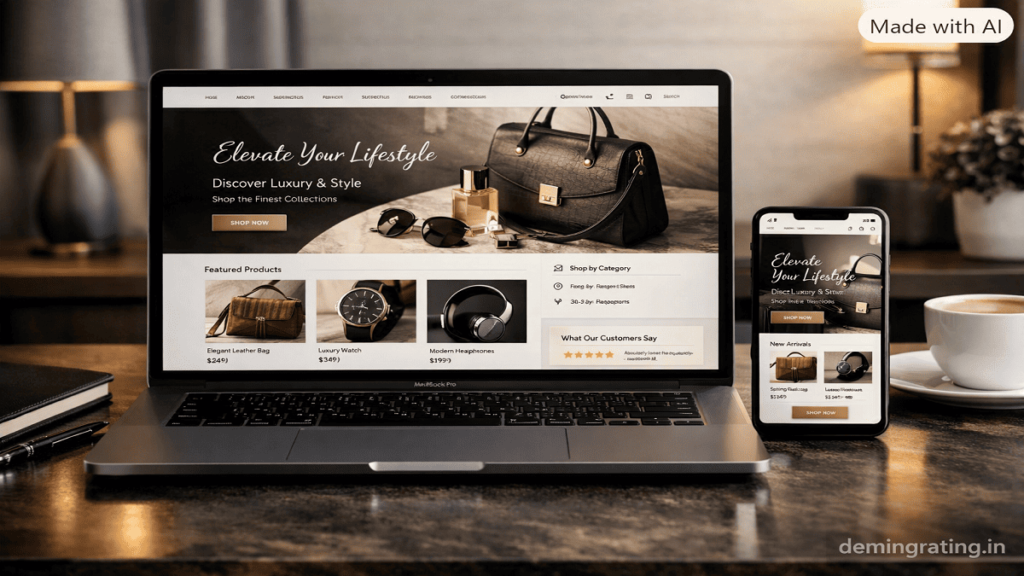
How Can Premium Website Sections Improve User Experience and Engagement?
Premium website sections can significantly improve user experience and engagement by presenting information in a clear, visually appealing, and purposeful way. A professionally structured website helps visitors understand a brand, find relevant information, and complete desired actions without unnecessary confusion. Rather than focusing only on appearance, premium sections combine design, usability, content, and functionality to create a smoother digital experience.
1. Create a Clear Information Hierarchy
Premium sections organize content into logical categories, making pages easier to scan and understand. A strong headline can introduce the main message, while supporting text, visuals, and calls to action provide additional information. This hierarchy helps visitors identify important content quickly instead of searching through large blocks of text.
2. Make Navigation Easier
Well-planned sections create a natural journey through a website. Visitors can move from an introductory hero section to services, benefits, testimonials, FAQs, and finally a contact or conversion section. Consistent navigation and recognizable layouts reduce friction and make websites easier to explore. The W3C Web Accessibility Initiative recommends using meaningful headings and logical page structures to help users navigate content effectively. (w3.org)
3. Increase Visual Engagement
Professional typography, high-quality images, appropriate spacing, icons, and carefully designed layouts can make content more engaging. Visual elements should support the message rather than distract users. When design and content work together, visitors are more likely to continue exploring the website.
4. Build Trust and Credibility
Sections such as testimonials, client logos, case studies, certifications, portfolios, and company information provide evidence that a business is reliable. Including relevant social proof at appropriate points in the visitor journey can reduce uncertainty and help potential customers make decisions.
5. Encourage Meaningful Actions
Premium website sections can guide visitors toward specific actions. Strategically placed calls to action can encourage users to request information, book a service, purchase a product, or contact a business. Effective CTAs should be clear and relevant to the content surrounding them rather than appearing randomly throughout the page.
6. Improve Mobile Experiences
Modern websites must work effectively across smartphones, tablets, and desktop computers. Responsive sections automatically adapt layouts, typography, images, and interactive elements to different screen sizes. Google highlights mobile usability and overall page experience as important considerations for websites. (developers.google.com)
7. Support Accessibility and Usability
Premium design should be inclusive. Readable text, appropriate heading structures, sufficient contrast, keyboard accessibility, descriptive alternative text, and intuitive controls can make websites easier for a wider range of users to access. The Web Content Accessibility Guidelines (WCAG) provide internationally recognized recommendations for accessible web content.
Ultimately, premium website sections improve engagement by giving every part of a webpage a clear purpose. When visual design, content organization, accessibility, responsiveness, and conversion goals are carefully combined, visitors can navigate the website more comfortably and interact with it more confidently. A premium website is therefore not simply one that looks sophisticated—it is one that makes the user journey clear, efficient, and valuable.
#UXDesign
How Do Design, Content, Responsiveness, and Branding Influence Website Effectiveness?
A website’s effectiveness depends on more than its technical functionality. Design, content, responsiveness, and branding work together to determine how visitors perceive a business, how easily they find information, and whether they take the desired action. When these four elements are carefully planned, they can create a website that is attractive, informative, accessible, memorable, and focused on business goals.
1. The Role of Design
Website design influences a visitor’s first impression and determines how easily they can interact with the site. A professional design uses appropriate typography, spacing, imagery, colors, layouts, and visual hierarchy to organize information clearly. Good design should guide attention toward important elements such as key benefits, products, services, and calls to action.
However, effective design is not simply about visual appearance. Overly complex layouts, excessive animations, or confusing navigation can make a website difficult to use. The W3C Web Accessibility Initiative recommends logical page structures and meaningful headings to improve navigation and accessibility.
2. The Importance of Content
Content communicates what a business offers and why visitors should choose it. Clear headlines, informative descriptions, service details, product information, testimonials, FAQs, and calls to action help users understand the website and make informed decisions.
High-quality content should be useful, accurate, easy to read, and relevant to the target audience. Google Search Central emphasizes creating helpful, reliable, people-first content rather than content designed solely to manipulate search rankings.
3. The Impact of Responsiveness
A responsive website automatically adapts its layout and content to different screen sizes and devices. Since users may access websites through smartphones, tablets, laptops, or desktop computers, responsive design is essential for maintaining usability across platforms.
Responsive layouts can improve readability, navigation, and interaction on smaller screens. Google also considers mobile usability and overall page experience when evaluating websites. (developers.google.com)
4. The Value of Consistent Branding
Branding gives a website a recognizable identity. Consistent use of logos, colors, typography, imagery, messaging, and other visual elements helps visitors associate the website with the business. Strong branding can also create a more professional and trustworthy impression.
Consistency should extend across website pages and other customer touchpoints so that the overall brand experience feels unified.
Bringing the Four Elements Together
Design attracts attention, content provides information, responsiveness ensures accessibility across devices, and branding creates recognition and consistency. These elements should therefore be planned as interconnected parts of the same website strategy.
A visually impressive website with weak content may fail to communicate value, while excellent content presented through a confusing or non-responsive interface may discourage visitors from engaging. Similarly, inconsistent branding can weaken recognition and reduce the professional appearance of a business.
Ultimately, website effectiveness comes from balancing visual appeal, useful information, technical usability, and brand identity. When these elements work together, a website can provide a stronger user experience, build credibility, increase engagement, and support important business objectives such as generating leads, increasing sales, or encouraging customer inquiries.
#UserExperience
What Are the Benefits of Premium Website Sections for Brand Visibility, Conversions, and Customer Trust?
Premium website sections can play an important role in strengthening a brand’s online presence, increasing conversions, and building customer trust. A well-designed website does more than display information; it creates a structured digital experience that communicates a company’s identity, demonstrates its value, and guides visitors toward taking action. When each section is designed with a clear purpose, the website can become an effective tool for both marketing and customer engagement.
1. Improve Brand Visibility
Premium website sections help businesses create a consistent and recognizable online identity. Strategic use of brand colors, typography, imagery, messaging, and visual elements allows visitors to associate the website with the company more easily. Sections such as hero banners, service highlights, portfolios, product showcases, and brand stories can communicate what makes a business different from its competitors.
A clear website structure can also make important information easier for visitors to discover. Search-engine-friendly headings, descriptive content, and logical page organization can support discoverability when combined with a broader SEO strategy. Google Search Central provides guidance on creating useful content and organizing websites effectively.
2. Increase Conversions
Premium sections can guide visitors through a deliberate conversion journey. For example, a hero section can introduce the main value proposition, a services section can explain the available solutions, testimonials can provide social proof, and a final call-to-action can encourage visitors to contact the business or make a purchase.
Clear calls to action are particularly important because visitors should understand what they can do next. Instead of overwhelming users with multiple competing options, strategically positioned CTAs can create a more focused experience.
3. Build Customer Trust
Trust is essential when visitors are deciding whether to purchase a product or use a service. Premium website sections can strengthen credibility by presenting testimonials, reviews, case studies, client logos, certifications, guarantees, company information, and transparent contact details.
Professional design can also influence how visitors perceive a business. Consistent branding, accurate information, readable layouts, and reliable functionality can contribute to a sense of professionalism. However, visual quality should be supported by genuine information and authentic customer evidence rather than being used as a substitute for credibility.
4. Improve the Overall Customer Experience
Premium sections can make websites easier to understand and navigate. Logical content organization, responsive layouts, accessible design, and clear headings help visitors find information with less effort. The W3C Web Accessibility Initiative recommends meaningful headings and logical page structures to improve navigation and accessibility.
Ultimately, premium website sections create value by connecting brand presentation, customer communication, and conversion strategy. A strong combination of consistent branding, persuasive content, social proof, intuitive navigation, and clear calls to action can help businesses become more recognizable, encourage more visitors to engage, and establish greater confidence among potential customers. When thoughtfully planned, premium sections are not merely decorative website elements; they become strategic components of a company’s digital marketing and customer experience.
#WebDevelopment
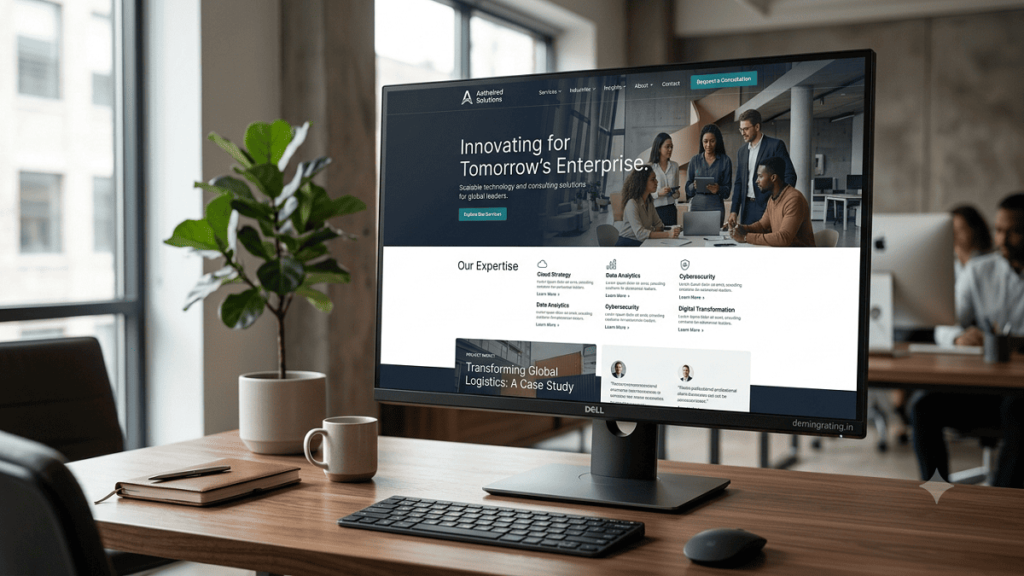
Case Study of Premium Website Sections
A practical way to understand the value of premium website sections is to examine how a website redesign can improve the visitor journey, strengthen credibility, and increase conversions. One recent redesign case study involving a professional services company demonstrates how strategically structured sections can address common website problems. The original website had a high bounce rate, limited social proof, text-heavy service pages, and no clear call to action above the fold. (Net Soft Solutions)
The Initial Challenge
The company already had an established business and regular website visitors, but the website was not effectively converting that traffic into enquiries. Important information was difficult to scan, service descriptions focused heavily on the company rather than customer outcomes, and testimonials or case studies were not prominently displayed. The contact form was also difficult to reach.
This illustrates an important principle of premium website design: a premium website is not simply a visually attractive website. Its sections need to solve specific communication and conversion problems.
The Premium Section Strategy
The redesigned website introduced a clearer content hierarchy. The homepage began with a benefit-focused hero section containing a prominent call to action. Social proof was positioned early in the visitor journey, helping establish credibility before visitors reached the service information.
The service sections were also restructured around customer needs. Instead of relying on lengthy descriptions, each service page followed a logical sequence covering the customer problem, proposed solution, methodology, evidence of results, and a relevant call to action. Testimonials and case studies were incorporated to provide additional credibility. (Net Soft Solutions)
A similar approach can be seen in other redesign projects. For example, one e-commerce case study used clearer product information, trust indicators, simplified navigation, and more accessible calls to action to improve the purchasing experience. (SE Software Tech)
Measurable Results
Following the redesign described in the professional services case study, monthly visitors increased from 3,240 to 4,890, while the mobile PageSpeed score improved from 31 to 91. The project also reported improvements in engagement and enquiry generation. (Net Soft Solutions)
The key lesson is that individual sections should work together as part of a complete customer journey. The hero section attracts attention, service sections communicate value, testimonials establish trust, case studies demonstrate capability, FAQs address objections, and strategically placed CTAs encourage action.
Key Takeaway
This case study demonstrates why premium website sections should be planned around user intent, brand credibility, accessibility, performance, and conversion goals. When every section has a defined purpose, a website can move beyond being an online brochure and become an effective business and marketing asset.
For additional guidance on website structure and user experience, the W3C Web Accessibility Initiative provides recognized recommendations for creating accessible and usable websites. (Net Soft Solutions)
#WebsiteDesign
White Paper on Premium Website Sections
Introduction
A website is often the first major point of interaction between a business and its potential customers. As digital competition continues to increase, simply having a website is no longer enough. Businesses need websites that communicate their value clearly, create a strong brand impression, and guide visitors toward meaningful actions. Premium website sections provide a structured approach to achieving these objectives by combining professional design, strategic content, usability, responsiveness, and conversion-focused elements.
Premium website sections are individual areas of a webpage that are intentionally designed to fulfill specific communication or business objectives. Common examples include hero sections, service sections, product showcases, testimonials, case studies, portfolios, FAQs, pricing sections, and calls to action.
The Strategic Role of Premium Website Sections
The effectiveness of a premium website depends on how well its individual sections work together. The hero section establishes the first impression and communicates the primary value proposition. Service and product sections explain what the business provides, while benefits-focused content demonstrates how those offerings address customer needs.
Trust-building sections are equally important. Testimonials, reviews, client logos, certifications, case studies, and portfolios provide evidence of expertise and can reduce uncertainty for potential customers. A final call-to-action then gives visitors a clear next step, such as requesting a consultation, making a purchase, or submitting an enquiry.
This structure creates a logical customer journey rather than presenting information randomly. Each section contributes to the overall objective of moving visitors from awareness to understanding, trust, and action.
Design and User Experience
Premium design should prioritize usability as much as visual appeal. Consistent typography, spacing, imagery, colors, navigation, and content hierarchy can make information easier to understand. Responsive design is also essential because visitors access websites from a wide range of devices.
Accessibility should be considered throughout the design process. Clear headings, readable content, appropriate contrast, descriptive links, and logical navigation can make websites more usable for a wider audience. The W3C Web Accessibility Initiative provides internationally recognized guidance for creating accessible web experiences.
Content and SEO
Content is another critical component of premium website sections. Effective content should be useful, accurate, easy to understand, and relevant to the target audience. Rather than filling sections with generic marketing statements, businesses should communicate specific benefits, solutions, evidence, and differentiators.
Well-structured content can also support search visibility. Google recommends creating helpful, reliable, people-first content and organizing websites logically so that both users and search engines can understand the information.
Relevant internal and external links can provide additional context and help users discover related information. Google also notes that links can help search engines discover pages and understand their relevance.
Conversion and Business Impact
Premium website sections should ultimately contribute to measurable business objectives. Strategically positioned calls to action, simplified forms, product information, pricing details, and trust signals can reduce friction and make it easier for visitors to take action.
However, premium design should not rely on visual effects alone. Excessive animation, complicated layouts, or unnecessary content can distract visitors. The strongest approach is to combine attractive presentation with clear communication and straightforward functionality.
Conclusion
Premium website sections represent a strategic approach to website design rather than simply a collection of attractive visual components. When thoughtfully planned, they create a consistent brand experience, improve information discovery, strengthen credibility, support accessibility, and guide visitors toward conversion.
The most effective premium websites balance design, content, responsiveness, branding, usability, accessibility, SEO, and business objectives. Each section should have a defined purpose and contribute to the overall visitor journey. By adopting this approach, businesses can transform their websites from basic digital brochures into professional platforms capable of communicating value, building customer confidence, and supporting long-term digital growth.
For further guidance, businesses can consult Google Search Central’s SEO Starter Guide for recommendations on creating search-friendly, useful, and well-organized website content.
#WebDesign
Industry Application of Premium Website Sections
Premium website sections have applications across almost every industry because businesses increasingly depend on their websites to communicate value, build credibility, generate leads, and support customer decisions. Although the basic principles of professional website design remain consistent, the sections used and the way they are presented should be adapted to the expectations and objectives of each industry.
E-Commerce
In e-commerce, premium website sections can improve product discovery and encourage purchases. Product showcases, category sections, promotional banners, customer reviews, comparison features, and frequently asked questions can help shoppers understand products before making a decision. Trust signals such as secure payment information, shipping details, return policies, and authentic reviews can further reduce purchase hesitation.
Healthcare
Healthcare websites require clarity, accessibility, and trust. Premium sections can include information about medical services, doctors and specialists, treatment options, facilities, patient resources, and appointment procedures. Content should be presented carefully and professionally because visitors may be looking for important health-related information. The W3C Web Accessibility Initiative provides accessibility guidance that can help organizations create more inclusive digital experiences.
Financial Services
Banks, financial advisors, insurance companies, and fintech businesses can use premium sections to simplify complex information. Service explanations, product comparisons, calculators, FAQs, security information, customer reviews, and clear contact or consultation CTAs can help visitors understand financial offerings while reinforcing professionalism and transparency.
Technology and SaaS
Technology companies often use premium website sections to explain products that may be technically complex. Feature sections, product demonstrations, integrations, pricing plans, use cases, customer success stories, and technical resources can help prospects understand how a solution works and what benefits it provides.
Real Estate
Real estate websites can use property galleries, search and filtering sections, neighborhood information, agent profiles, property details, testimonials, and enquiry forms. High-quality visuals are particularly valuable because potential buyers and renters often depend heavily on images and detailed property information when evaluating listings.
Hospitality and Travel
Hotels, resorts, restaurants, and travel businesses can use premium sections to showcase destinations, rooms, amenities, menus, experiences, customer reviews, and booking options. Strong visual presentation combined with clear booking calls to action can create an engaging experience and encourage reservations.
Professional Services
Law firms, consulting companies, marketing agencies, accounting firms, and similar businesses can benefit from service descriptions, industry expertise, case studies, client testimonials, team profiles, and consultation forms. These sections demonstrate experience while helping potential clients understand the company’s capabilities.
Education
Schools, universities, training providers, and online learning platforms can use premium sections to present programs, courses, faculty information, student outcomes, admissions details, testimonials, and frequently asked questions. Clear organization is particularly important when visitors need to compare programs or understand application requirements.
Conclusion
The industry application of premium website sections demonstrates that effective website design should be purpose-driven rather than one-size-fits-all. An e-commerce website may prioritize product presentation and reviews, while a healthcare website may emphasize accessibility and service information. Similarly, a SaaS website may focus on features and demonstrations, whereas a professional services firm may rely more heavily on expertise and case studies.
Google recommends creating helpful, reliable, people-first content that serves visitors rather than designing content solely for search engines. (developers.google.com) By combining this content approach with responsive design, strong branding, accessibility, intuitive navigation, and strategically placed calls to action, businesses in different industries can create premium website experiences that meet user expectations and support measurable business objectives.
#PremiumWebsiteSections
Ask FAQs
What are premium website sections?
Premium website sections are professionally designed webpage areas that organize content, strengthen branding, improve usability, and guide visitors toward specific actions. Common examples include hero sections, services, testimonials, portfolios, FAQs, and call-to-action sections.
Why are premium website sections important?
They help create a professional first impression while making website content easier to understand and navigate. Well-planned sections can improve user experience, build customer trust, increase engagement, and support lead generation or sales.
Which sections should a modern professional website include?
A modern website commonly includes a header and navigation, hero section, about section, services or products, benefits, testimonials, portfolio or case studies, FAQs, call-to-action, contact section, and footer. The exact structure should depend on the business and its target audience.
How do premium website sections improve conversions?
Strategically designed sections guide visitors through the decision-making process. Clear value propositions, benefit-focused content, testimonials, trust signals, and prominent calls to action can reduce uncertainty and encourage visitors to contact a business, request a quote, sign up, or make a purchase.
How can businesses make website sections more effective?
Businesses should focus on clear content, consistent branding, responsive design, accessibility, fast performance, intuitive navigation, and relevant calls to action. Every section should have a specific purpose and contribute to the overall user journey and business objectives.
Disclaimer: This content is for general informational purposes only. Website design, features, and strategies should be tailored to the specific needs and goals of each business.