Donation Crowdfunding
Donation Crowdfunding is a fundraising model in which individuals, organizations, or communities collect small financial contributions from a large number of people, usually through online platforms. Unlike equity or reward-based crowdfunding, contributors do not expect financial returns, ownership rights, or material rewards. Donations are made voluntarily to support a cause, project, emergency, or social initiative. This model has become increasingly popular due to the widespread use of digital platforms and social media, which enable fundraisers to reach a broad audience quickly and efficiently.
Concept and Working Mechanism
Donation crowdfunding operates on the principle of collective giving. A fundraiser creates an online campaign describing the purpose of the funding requirement, the target amount, and how the funds will be utilized. Potential donors review the campaign and contribute any amount they choose. The campaign is then shared through social media, email, and personal networks to maximize visibility and attract support. Crowdfunding platforms facilitate payment processing, campaign management, and communication between fundraisers and donors.
Major Applications
Donation crowdfunding is widely used across various sectors, including:
- Medical Emergencies – Raising funds for surgeries, treatments, and healthcare expenses.
- Disaster Relief – Supporting victims of natural disasters, accidents, and humanitarian crises.
- Education – Funding tuition fees, scholarships, and educational projects.
- Community Development – Financing local infrastructure, environmental projects, and social initiatives.
- Non-Profit and Charitable Activities – Supporting NGOs and charitable organizations in achieving their missions.
Advantages
Donation crowdfunding offers several benefits. It provides rapid access to funds without requiring loans or investment commitments. The model enables individuals and organizations to reach global audiences, increasing fundraising potential. It also promotes social engagement by allowing donors to participate directly in causes they care about. Additionally, crowdfunding campaigns can raise awareness about important social, medical, or humanitarian issues while building communities of supporters.
Challenges and Limitations
Despite its advantages, donation crowdfunding faces several challenges. Campaign success often depends on visibility, storytelling ability, and social network reach. Some genuine causes may receive limited support due to inadequate exposure. There is also a risk of fraud or misuse of funds if campaign organizers lack transparency. Donors may find it difficult to verify the authenticity of campaigns, making trust a critical factor. Furthermore, crowdfunding outcomes can be unpredictable, with many campaigns failing to achieve their fundraising targets.
Best Practices for Successful Campaigns
Successful donation crowdfunding campaigns typically include a compelling narrative, clear funding goals, transparent use of funds, regular progress updates, and strong engagement with donors. Visual content such as photographs and videos can enhance credibility and encourage contributions. Effective promotion through social media and community networks also significantly improves fundraising outcomes.
References
- ImpactGuru – What is Crowdfunding?
- UK Crowdfunding Association – What is Crowdfunding?
- Federal Trade Commission – Donating Through Crowdfunding Platforms
- Britannica – Crowdfunding Overview
- Idealist – What is Crowdfunding?
#Donation Crowdfunding in Maharashtra
What is Donation Crowdfunding?
Donation crowdfunding is a method of raising money from a large number of people, typically through online platforms, to support a specific cause, project, individual, or organization. In this model, contributors voluntarily donate funds without expecting any financial return, ownership stake, or material reward. The primary motivation for donors is to support a cause they believe in, such as medical treatment, disaster relief, education, community development, charitable initiatives, or social welfare projects.
The concept of donation crowdfunding is based on collective contributions, where many individuals donate small or large amounts that together help achieve a fundraising goal. Modern crowdfunding platforms have made this process more accessible by providing digital tools that enable fundraisers to create campaigns, share their stories, set funding targets, and receive donations from supporters across the world.
How Donation Crowdfunding Works
The process begins when an individual, nonprofit organization, or community group creates a fundraising campaign on a crowdfunding platform. The campaign typically includes details about the purpose of the fundraising effort, the amount required, and how the collected funds will be used. Supporting materials such as photographs, videos, and personal stories are often included to increase transparency and encourage donor engagement.
Once the campaign is published, it is promoted through social media, email, websites, and personal networks. Interested individuals can then contribute any amount they wish. The crowdfunding platform facilitates secure payment processing and often provides tools for tracking donations and communicating with supporters.
Common Uses of Donation Crowdfunding
Donation crowdfunding is widely used for various purposes, including:
- Medical emergencies and healthcare expenses
- Disaster relief and humanitarian aid
- Educational programs and scholarships
- Community development projects
- Environmental conservation initiatives
- Charitable and nonprofit fundraising
- Social welfare and public service campaigns
Benefits of Donation Crowdfunding
One of the key advantages of donation crowdfunding is its ability to quickly mobilize financial support from a large audience. It enables fundraisers to access funds without taking loans or giving up ownership. The model also increases public awareness of important social issues and encourages community participation. Additionally, online platforms make fundraising more efficient, transparent, and accessible to people regardless of geographic location.
Challenges
Despite its benefits, donation crowdfunding faces certain challenges. Campaign success often depends on effective storytelling, strong promotional efforts, and public trust. Fraudulent campaigns or lack of transparency can reduce donor confidence. Furthermore, not all campaigns achieve their fundraising goals, particularly when they fail to gain sufficient visibility or support.
Conclusion
Donation crowdfunding has become an important fundraising tool in the digital age, allowing individuals and organizations to gather financial support from a broad network of donors. By leveraging online platforms and social connections, it provides an effective way to fund charitable causes, emergency needs, and community initiatives while fostering a culture of collective giving.
References
- Britannica – Crowdfunding Overview
- Federal Trade Commission – Crowdfunding Donations Guide
- ImpactGuru – What is Crowdfunding?
- UK Crowdfunding Association
#Donation Crowdfunding in Ahemadabad
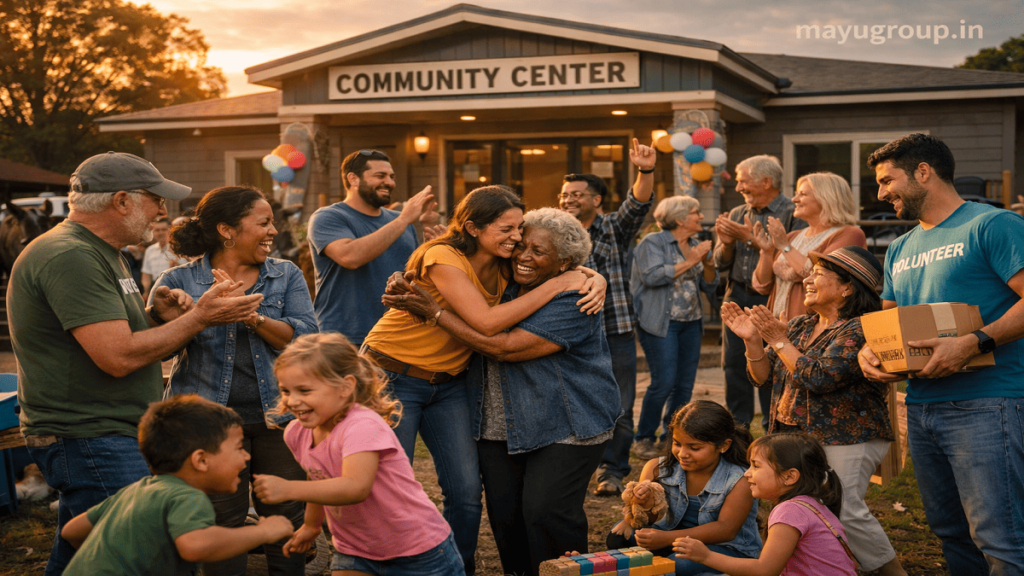
How Does Donation Crowdfunding Work?
Donation crowdfunding is a fundraising process that enables individuals, nonprofit organizations, community groups, or social enterprises to collect financial contributions from a large number of people through online platforms. Unlike other forms of crowdfunding, donors contribute money without expecting financial returns, ownership rights, or tangible rewards. Their primary motivation is to support a cause, help individuals in need, or contribute to a social, educational, medical, or humanitarian initiative.
The Donation Crowdfunding Process
The donation crowdfunding process typically begins when a fundraiser creates a campaign on a crowdfunding platform. The campaign includes a detailed description of the cause, the fundraising goal, the amount required, and information about how the funds will be utilized. Campaign organizers often include photographs, videos, testimonials, and supporting documents to establish credibility and encourage donations.
Once the campaign is published, it becomes accessible to potential donors through the internet. Fundraisers then promote the campaign using social media platforms, email marketing, messaging applications, websites, and personal networks. Effective promotion plays a crucial role in attracting supporters and increasing campaign visibility.
Interested individuals can visit the campaign page, learn about the cause, and make contributions using secure online payment methods such as credit cards, debit cards, digital wallets, or bank transfers. Donors may contribute any amount according to their willingness and financial capacity.
The crowdfunding platform collects donations and provides tools for tracking campaign performance, monitoring fundraising progress, and communicating with supporters. Many platforms display real-time updates showing the amount raised and the number of donors who have contributed.
Key Steps in Donation Crowdfunding
- Campaign Creation – The fundraiser develops a campaign with clear objectives and funding requirements.
- Storytelling and Presentation – Relevant information, images, and videos are added to explain the cause.
- Campaign Launch – The fundraising campaign is published on a crowdfunding platform.
- Promotion and Sharing – The campaign is shared through social media, email, and community networks.
- Donation Collection – Supporters contribute funds through secure payment systems.
- Fund Disbursement – The collected funds are transferred to the fundraiser according to platform policies.
- Updates and Reporting – Campaign organizers provide updates regarding fund utilization and project progress.
Factors Contributing to Success
Successful donation crowdfunding campaigns often feature compelling stories, realistic fundraising targets, transparent financial information, and regular communication with donors. Trust and credibility are essential because donors want assurance that their contributions will be used appropriately. Campaigns that effectively engage supporters and demonstrate measurable impact are generally more successful.
Benefits of the Process
Donation crowdfunding allows fundraisers to reach a global audience, raise funds quickly, and increase awareness about important causes. It reduces dependence on traditional fundraising methods and enables ordinary individuals to support meaningful initiatives regardless of their location.
Conclusion
Donation crowdfunding works by connecting people who need financial support with individuals willing to contribute toward a cause. Through online platforms, effective storytelling, and digital communication, fundraisers can mobilize collective contributions from a large audience, making donation crowdfunding a powerful and accessible fundraising mechanism in today’s digital economy.
References
- Federal Trade Commission – Donating Through Crowdfunding Platforms
- Britannica – Crowdfunding Overview
- ImpactGuru – Crowdfunding Guide
- UK Crowdfunding Association – What is Crowdfunding?
#Donation Crowdfunding in Hyderabad
What Causes Commonly Use Donation Crowdfunding?
Donation crowdfunding is widely used to raise financial support for causes that address personal needs, social challenges, humanitarian crises, and community development projects. Because donors contribute without expecting financial returns, this form of crowdfunding is particularly effective for causes that inspire empathy, social responsibility, and collective action. Online crowdfunding platforms have enabled individuals and organizations to reach a broad audience, making it easier to secure funding for a variety of initiatives.
Medical and Healthcare Expenses
One of the most common uses of donation crowdfunding is funding medical treatments and healthcare-related expenses. Individuals often launch campaigns to cover the costs of surgeries, hospital bills, medications, rehabilitation programs, and treatments for serious illnesses. In many cases, crowdfunding helps patients access urgent medical care when insurance coverage is insufficient or unavailable.
Disaster Relief and Emergency Assistance
Donation crowdfunding plays a significant role in supporting victims of natural disasters, accidents, and humanitarian emergencies. Campaigns are frequently organized following earthquakes, floods, hurricanes, wildfires, and other crises. Funds raised are used for emergency shelter, food, medical assistance, rebuilding efforts, and recovery programs. The speed and accessibility of online crowdfunding make it an effective tool during emergencies.
Education and Academic Support
Educational causes are another major category that benefits from donation crowdfunding. Students, schools, and educational organizations use crowdfunding to finance tuition fees, scholarships, educational materials, research projects, and learning infrastructure. Many students rely on crowdfunding to pursue higher education opportunities that might otherwise be financially inaccessible.
Charitable and Nonprofit Initiatives
Nonprofit organizations frequently use donation crowdfunding to support charitable programs and community services. These campaigns help fund activities such as poverty alleviation, healthcare outreach, child welfare programs, elderly care, and social support services. Crowdfunding enables nonprofits to expand their donor base and engage supporters directly in their missions.
Community Development Projects
Local communities often utilize donation crowdfunding to improve public facilities and support neighborhood projects. Examples include building community centers, playgrounds, libraries, sports facilities, and public parks. Community-driven crowdfunding campaigns encourage residents to participate actively in local development efforts.
Environmental and Conservation Projects
Environmental organizations and activists use crowdfunding to support conservation initiatives, wildlife protection, tree-planting campaigns, clean energy projects, and environmental awareness programs. These campaigns allow individuals who care about sustainability and environmental protection to contribute directly to meaningful projects.
Social Causes and Advocacy Campaigns
Donation crowdfunding is commonly used to support social justice initiatives, human rights programs, public awareness campaigns, and advocacy efforts. Campaigns may focus on issues such as gender equality, disability support, mental health awareness, and community empowerment. Crowdfunding helps amplify these causes while generating financial resources for their activities.
Animal Welfare and Rescue Efforts
Animal shelters, rescue organizations, and wildlife conservation groups often use crowdfunding to raise money for animal care, rescue operations, veterinary treatment, and adoption programs. Donors are frequently motivated by compassion for animals and a desire to support their well-being.
Conclusion
Donation crowdfunding serves a wide range of causes, including healthcare, disaster relief, education, nonprofit activities, community development, environmental conservation, social advocacy, and animal welfare. Its ability to connect donors directly with meaningful causes has made it an essential fundraising tool for individuals and organizations worldwide. By encouraging collective participation, donation crowdfunding helps address important social needs and create positive impacts across communities.
References
- Britannica – Crowdfunding Overview
- Federal Trade Commission – Crowdfunding Donations Guide
- ImpactGuru – Crowdfunding Information
- GlobalGiving – Charity Crowdfunding Resources
#Donation Crowdfunding in Delhi
What Challenges Exist in Donation Crowdfunding?
Donation crowdfunding has transformed the way individuals, nonprofit organizations, and communities raise funds for social, medical, educational, and humanitarian causes. While this fundraising model offers significant benefits, it also presents several challenges that can affect campaign success, donor confidence, and the overall effectiveness of fundraising efforts. Understanding these challenges is essential for campaign organizers and donors alike.
Limited Visibility and Competition
One of the most significant challenges in donation crowdfunding is the intense competition for public attention. Thousands of campaigns are launched every day across various crowdfunding platforms, making it difficult for individual campaigns to stand out. Even causes with genuine needs may struggle to attract donors if they lack effective marketing, compelling storytelling, or access to large social networks. As a result, many campaigns fail to reach their fundraising goals despite deserving support.
Building Trust and Credibility
Trust is a critical factor in donation crowdfunding. Donors need assurance that their contributions will be used responsibly and for the intended purpose. However, establishing credibility can be challenging, especially for first-time fundraisers or lesser-known organizations. Campaigns that provide insufficient information, unclear objectives, or limited evidence of need may find it difficult to gain donor confidence.
Risk of Fraud and Misuse of Funds
The possibility of fraudulent campaigns remains a concern within the crowdfunding ecosystem. Some individuals may misrepresent their circumstances or provide misleading information to obtain donations. In certain cases, funds may be used for purposes other than those originally stated. Such incidents can damage public trust and discourage potential donors from supporting future campaigns.
Dependence on Marketing and Promotion
Successful crowdfunding campaigns often require extensive promotion through social media, email campaigns, public relations activities, and personal networks. Fundraisers without strong communication skills or access to broad audiences may struggle to generate sufficient awareness. Consequently, fundraising success can depend as much on promotional efforts as on the value or urgency of the cause itself.
Donor Fatigue
As crowdfunding becomes increasingly common, potential donors are exposed to a growing number of fundraising requests. Continuous exposure to appeals for support can lead to donor fatigue, a situation in which individuals become less responsive to campaigns over time. This challenge is particularly evident during periods of economic uncertainty or when multiple large-scale crises occur simultaneously.
Uncertain Fundraising Outcomes
Unlike traditional funding sources, donation crowdfunding does not guarantee success. Campaign organizers may invest significant time and effort into creating and promoting a campaign without achieving their target amount. Unpredictable donor behavior and changing public interests can make fundraising outcomes uncertain.
Administrative and Platform Costs
Many crowdfunding platforms charge service fees, payment processing fees, or transaction costs. These expenses can reduce the total amount of funds available for the intended cause. Additionally, campaign organizers may need to dedicate considerable time to managing updates, donor communications, and reporting activities.
Maintaining Transparency and Accountability
Donors increasingly expect regular updates on how funds are being used and what impact they are creating. Maintaining transparency requires ongoing communication, accurate financial reporting, and accountability measures. Failure to provide updates can lead to dissatisfaction among donors and damage the reputation of campaign organizers.
Conclusion
Although donation crowdfunding offers an effective way to raise funds for meaningful causes, it faces challenges such as limited visibility, trust issues, fraud risks, donor fatigue, uncertain outcomes, promotional demands, platform fees, and transparency requirements. Addressing these challenges through clear communication, ethical practices, and effective campaign management is essential for building donor confidence and improving fundraising success.
References
- Federal Trade Commission – Donating Through Crowdfunding Platforms
- Britannica – Crowdfunding Overview
- GlobalGiving – Crowdfunding and Fundraising Resources
- Charity Navigator – Giving Safely Guide
- National Council of Nonprofits
#Donation Crowdfunding in Banglore
Case Study of Donation Crowdfunding
The ALS Ice Bucket Challenge is one of the most successful and widely recognized examples of donation crowdfunding. Launched in 2014, the campaign aimed to raise awareness and funds for research on Amyotrophic Lateral Sclerosis (ALS), a progressive neurological disease that affects nerve cells responsible for controlling voluntary muscles. Through the power of social media, community participation, and online donations, the campaign became a global phenomenon and demonstrated the immense potential of donation crowdfunding.
Background
Before the campaign, ALS was a relatively unknown disease among the general public. The challenge began when participants filmed themselves pouring a bucket of ice water over their heads, shared the video online, and nominated others to do the same within 24 hours. Participants were encouraged to make a donation to support ALS research and patient care.
The campaign quickly gained momentum as celebrities, athletes, business leaders, and ordinary individuals participated and shared their videos across social media platforms. The viral nature of the challenge significantly increased public awareness and encouraged millions of people to contribute financially.
Crowdfunding Strategy
The success of the ALS Ice Bucket Challenge was largely due to its innovative crowdfunding strategy. The campaign combined entertainment, social engagement, and philanthropy in a way that encouraged widespread participation. Social media platforms such as Facebook, Twitter, and YouTube played a critical role in spreading the campaign globally.
Key elements of the strategy included:
- A simple and engaging activity that anyone could perform.
- Public nominations that encouraged viral sharing.
- Strong emotional connection to a meaningful cause.
- Easy online donation options.
- Continuous media coverage and celebrity involvement.
These factors helped the campaign reach audiences across different countries and demographics.
Results and Impact
The campaign exceeded all expectations. According to the ALS Association, more than $115 million was raised in the United States alone within a few months, while millions more were raised internationally. The funds supported scientific research, patient services, advocacy programs, and community support initiatives.
One of the most significant outcomes was the advancement of ALS research. Funding generated through the campaign contributed to the discovery of new genes associated with the disease and accelerated research efforts aimed at developing treatments. The campaign also dramatically increased public understanding of ALS and inspired long-term support for research organizations.
Lessons Learned
The ALS Ice Bucket Challenge provides several important lessons for donation crowdfunding campaigns:
- Storytelling and Purpose Matter – People are more likely to donate when they understand the impact of their contributions.
- Social Media Amplifies Reach – Digital platforms can rapidly spread awareness and attract donors.
- Community Participation Drives Engagement – Interactive campaigns encourage involvement and sharing.
- Transparency Builds Trust – Donors are more willing to contribute when organizations clearly explain how funds will be used.
- Viral Content Can Increase Donations – Creative and engaging campaign ideas can significantly boost visibility and fundraising success.
Conclusion
The ALS Ice Bucket Challenge remains a landmark example of successful donation crowdfunding. By combining social media engagement, public participation, and a compelling cause, the campaign raised substantial funds and transformed public awareness of ALS. It demonstrated how digital crowdfunding can mobilize millions of people worldwide and create lasting social and scientific impact.
References
- ALS Association – Ice Bucket Challenge Impact
- National Institutes of Health (NIH) – ALS Research Advances
- Britannica – ALS Overview
- Harvard Business Review – Lessons from the Ice Bucket Challenge
- The ALS Association – Research and Funding Programs
#Donation Crowdfunding in Pune

White Paper on Donation Crowdfunding
Executive Summary
Donation crowdfunding has emerged as a transformative fundraising mechanism that enables individuals, nonprofit organizations, and communities to raise funds from a large number of contributors through online platforms. Unlike equity-based or reward-based crowdfunding, donation crowdfunding relies on voluntary contributions without offering financial returns or material rewards. This model has gained global popularity due to the widespread adoption of digital technologies, social media, and online payment systems. It has become an essential tool for supporting medical emergencies, disaster relief, education, charitable initiatives, environmental projects, and community development programs.
Introduction
Crowdfunding refers to the practice of raising money from a large group of people, typically through internet-based platforms. Donation crowdfunding represents the most philanthropic form of crowdfunding, where donors contribute solely to support a cause or individual in need. The model democratizes fundraising by allowing anyone with internet access to seek financial assistance and connect with potential supporters worldwide.
The growth of donation crowdfunding has been fueled by advancements in digital communication and the increasing willingness of individuals to support social causes online. Platforms dedicated to crowdfunding provide accessible and efficient mechanisms for fundraising, making charitable giving more transparent and convenient.
How Donation Crowdfunding Works
The donation crowdfunding process generally involves the following steps:
- Campaign Creation – Fundraisers create an online campaign outlining their objectives, funding requirements, and intended use of funds.
- Campaign Promotion – The campaign is shared through social media, websites, email, and personal networks.
- Donation Collection – Supporters contribute funds using secure online payment methods.
- Fund Distribution – The crowdfunding platform transfers collected funds to the campaign organizer.
- Reporting and Updates – Fundraisers provide progress updates and information on fund utilization.
This process enables campaigns to reach large audiences and collect numerous small contributions that collectively achieve fundraising goals.
Key Applications
Donation crowdfunding is commonly used for:
- Medical treatments and healthcare expenses
- Disaster relief and humanitarian aid
- Educational funding and scholarships
- Community development projects
- Environmental conservation initiatives
- Nonprofit and charitable programs
- Animal welfare and rescue efforts
- Social advocacy and awareness campaigns
These applications demonstrate the flexibility and broad societal impact of donation crowdfunding.
Benefits
Donation crowdfunding offers several advantages:
Accessibility
Anyone with internet access can create or support a fundraising campaign, reducing barriers associated with traditional fundraising methods.
Global Reach
Digital platforms allow campaigns to attract support from donors worldwide, significantly expanding fundraising opportunities.
Rapid Fund Mobilization
Funds can be raised quickly, especially during emergencies or crises where immediate financial assistance is required.
Community Engagement
Crowdfunding fosters collaboration by encouraging individuals to contribute toward shared goals and social causes.
Increased Awareness
Campaigns often generate public awareness regarding important social, environmental, and humanitarian issues.
Challenges
Despite its advantages, donation crowdfunding faces several challenges:
- Difficulty gaining visibility in a crowded marketplace.
- Dependence on effective storytelling and promotion.
- Risk of fraudulent campaigns and misuse of funds.
- Donor fatigue due to increasing fundraising requests.
- Uncertainty regarding campaign success.
- Platform and transaction fees that reduce net funding.
Addressing these challenges requires transparency, accountability, and robust platform governance.
Future Outlook
The future of donation crowdfunding is expected to be shaped by technological innovation, including artificial intelligence, blockchain-based transparency systems, mobile payment solutions, and enhanced donor engagement tools. These developments may improve trust, efficiency, and fundraising effectiveness while expanding access to crowdfunding opportunities globally.
Conclusion
Donation crowdfunding has revolutionized charitable fundraising by connecting individuals and organizations directly with supporters across the world. Its ability to mobilize resources rapidly, increase public participation, and support diverse causes has made it an indispensable component of the modern fundraising ecosystem. While challenges related to trust, competition, and transparency remain, continued technological advancements and responsible platform management are likely to strengthen the role of donation crowdfunding in addressing social and humanitarian needs.
References
- World Bank – Crowdfunding’s Potential for the Developing World
- Federal Trade Commission – Donating Through Crowdfunding Platforms
- Britannica – Crowdfunding Overview
- GlobalGiving – Crowdfunding and Charity Resources
- UK Crowdfunding Association
#Donation Crowdfunding in Kolkata
Industry Applications of Donation Crowdfunding
Donation crowdfunding has become a powerful fundraising mechanism across various industries and sectors. By leveraging online platforms and digital networks, organizations and individuals can collect financial contributions from a large number of donors who support a particular cause. Unlike investment-based crowdfunding, donation crowdfunding does not provide financial returns to contributors. Instead, donors participate because they believe in the mission, social impact, or humanitarian value of the campaign. As digital fundraising continues to evolve, donation crowdfunding is being widely adopted across multiple industries to address financial needs and support meaningful initiatives.
Healthcare Industry
The healthcare sector is one of the largest users of donation crowdfunding. Patients and families often launch crowdfunding campaigns to cover medical expenses such as surgeries, cancer treatments, organ transplants, rehabilitation services, and emergency healthcare costs. Hospitals, healthcare nonprofits, and medical research organizations also use crowdfunding to fund research projects, purchase medical equipment, and support healthcare outreach programs. Donation crowdfunding has become especially important in cases where insurance coverage is limited or unavailable.
Nonprofit and Charitable Organizations
Nonprofit organizations extensively utilize donation crowdfunding to raise funds for social welfare programs, poverty alleviation initiatives, disaster relief operations, and community development projects. Crowdfunding enables charities to reach a wider audience while reducing dependence on traditional fundraising methods. It also helps organizations engage directly with donors and demonstrate the impact of their programs through regular updates and transparent reporting.
Education Sector
Educational institutions, students, and academic organizations use donation crowdfunding to support scholarships, tuition fees, educational infrastructure, research activities, and learning resources. Schools and universities often launch campaigns to finance laboratories, libraries, technology upgrades, and student support programs. Crowdfunding provides opportunities for individuals and organizations to invest in educational advancement and knowledge development.
Disaster Relief and Humanitarian Aid
Government agencies, humanitarian organizations, and community groups frequently use donation crowdfunding during emergencies and natural disasters. Funds raised are utilized for food distribution, shelter construction, medical assistance, recovery efforts, and long-term rehabilitation programs. The ability to mobilize donations quickly makes crowdfunding particularly valuable during crises when immediate support is required.
Environmental and Sustainability Sector
Environmental organizations increasingly rely on donation crowdfunding to finance conservation projects, wildlife protection initiatives, reforestation campaigns, renewable energy programs, and environmental awareness activities. These campaigns enable environmentally conscious individuals to contribute directly to sustainability efforts and support projects that promote ecological preservation.
Animal Welfare Industry
Animal shelters, rescue organizations, and wildlife conservation groups use crowdfunding to raise money for animal care, rescue operations, veterinary treatment, habitat protection, and adoption programs. Donation crowdfunding helps these organizations secure funding for activities that improve animal welfare and conservation outcomes.
Arts, Culture, and Community Development
Museums, cultural organizations, artists, and local community groups use donation crowdfunding to support cultural preservation, public art projects, heritage conservation, community events, and creative initiatives. Crowdfunding allows communities to participate in preserving cultural assets and supporting local development projects.
Social Advocacy and Public Awareness
Organizations focused on human rights, social justice, mental health awareness, disability support, and gender equality frequently utilize donation crowdfunding to finance campaigns, educational programs, advocacy activities, and outreach efforts. These initiatives often rely on public participation and community support to achieve their objectives.
Conclusion
Donation crowdfunding has become an essential fundraising tool across numerous industries, including healthcare, education, nonprofit services, disaster relief, environmental conservation, animal welfare, arts and culture, and social advocacy. Its ability to connect causes with supporters worldwide enables organizations and individuals to secure funding, raise awareness, and create meaningful social impact. As digital technologies continue to advance, donation crowdfunding is expected to play an increasingly important role in supporting industry-specific initiatives and addressing global challenges.
References
- World Bank – Crowdfunding’s Potential for the Developing World
- GlobalGiving – Crowdfunding and Nonprofit Resources
- Federal Trade Commission – Crowdfunding Donations Guide
- Britannica – Crowdfunding Overview
- UK Crowdfunding Association – Crowdfunding Information
#Donation Crowdfunding in Mumbai
Ask FAQs
What is donation crowdfunding?
Donation crowdfunding is a fundraising method in which individuals, organizations, or communities collect money from a large number of people through online platforms. Donors contribute voluntarily to support a cause, project, or person in need without expecting any financial return, ownership, or reward in exchange.
What are the main challenges of donation crowdfunding?
Common challenges include limited campaign visibility, competition from other fundraising efforts, donor fatigue, fraud concerns, and uncertainty in reaching funding goals. Maintaining transparency, providing regular updates, and demonstrating accountability can help overcome these challenges and strengthen donor confidence.
How does donation crowdfunding differ from other types of crowdfunding?
In donation crowdfunding, donations are made purely to support a cause. In contrast, equity crowdfunding provides investors with ownership shares, reward-based crowdfunding offers products or benefits, and lending crowdfunding requires repayment of borrowed funds with or without interest.
Who can start a donation crowdfunding campaign?
Anyone with a legitimate fundraising need can typically start a donation crowdfunding campaign, including individuals, nonprofit organizations, community groups, educational institutions, and social enterprises.
What factors contribute to a successful donation crowdfunding campaign?
Successful campaigns often include compelling stories, realistic fundraising goals, high-quality images or videos, regular updates, and active promotion through social media and personal networks. Building trust with potential donors is also essential for achieving fundraising targets.
Table of Contents
Disclaimer:
The information provided in this document is for educational and informational purposes only. While efforts have been made to ensure accuracy, readers should verify information from official sources before making financial, legal, or fundraising decisions. Donation crowdfunding platforms, regulations, and practices may vary by country and platform. Neither the author nor the publisher assumes responsibility for any actions taken based on the information presented.