Healthcare Crowdfunding
Healthcare Crowdfunding is a modern fundraising method in which individuals, families, or organizations raise money from a large number of people through online platforms to cover medical expenses or support health-related projects. It is widely used to finance treatments, surgeries, medications, emergency care, long-term therapies, and even medical research that may not be fully covered by insurance or government healthcare systems.
This model operates through crowdfunding platforms where patients or campaign organizers create a detailed page explaining the medical situation, required treatment, estimated costs, and urgency of funds. Supporters can contribute small or large amounts, often sharing the campaign to reach a wider audience. In many cases, emotional storytelling and transparency play a major role in attracting donations, as contributors are motivated by empathy and social responsibility.
Healthcare crowdfunding is especially important in regions where healthcare costs are high or insurance coverage is limited. It provides a financial lifeline for families facing unexpected medical emergencies such as cancer treatment, organ transplants, accident recovery, or rare disease therapies. Platforms like GoFundMe have become widely recognized for enabling individuals to quickly raise funds for urgent medical needs.
Beyond individual patient support, healthcare crowdfunding is also used for public health initiatives and medical innovation. Researchers, hospitals, and non-profit organizations may use it to fund clinical trials, develop new treatments, or support healthcare infrastructure in underserved communities. This expands its impact from personal assistance to broader healthcare advancement.
One of the key benefits of healthcare crowdfunding is accessibility. It allows people to seek help beyond traditional financial systems and mobilize global support within a short time. It also raises awareness about medical conditions and healthcare inequalities, encouraging collective participation in solving real-world health challenges.
However, healthcare crowdfunding also comes with risks. Not all campaigns reach their funding goals, and there is no guarantee that required medical expenses will be fully covered. Issues such as misinformation, emotional manipulation, and uneven access to social networks can also affect campaign success. Additionally, ethical concerns arise when healthcare becomes dependent on public donations rather than structured healthcare systems.
Despite these challenges, healthcare crowdfunding has become a critical tool in modern healthcare financing. It bridges the gap between urgent medical needs and available financial resources, while also highlighting gaps in healthcare accessibility and affordability.
Overall, healthcare crowdfunding represents a powerful combination of digital technology, social support, and financial assistance that helps individuals access life-saving treatments and supports innovation in the healthcare sector.
References:
- https://www.gofundme.com/c/medical-fundraising
- https://www.investopedia.com/terms/c/crowdfunding.asp
- https://www.weforum.org/agenda/
- https://www.bbc.com/news/health
#Healthcare Crowdfunding in India
What is healthcare crowdfunding?
Healthcare crowdfunding is a method of raising money online from a large number of people to pay for medical expenses or support health-related needs. It allows patients, families, or healthcare organizations to collect small contributions from the public through crowdfunding platforms when they cannot afford treatment costs on their own or do not have sufficient insurance coverage.
In this system, a campaign is created on platforms such as GoFundMe or similar fundraising websites. The campaign usually includes details about the patient’s medical condition, required treatment, estimated costs, and urgency. People who visit the page can donate money, share the campaign, and help spread awareness to increase support.
Healthcare crowdfunding is commonly used for emergencies such as surgeries, cancer treatments, organ transplants, accident recovery, and expensive medications. It is also used for long-term care, rare diseases, and rehabilitation therapies that may not be fully covered by healthcare systems.
One of the main benefits of healthcare crowdfunding is that it provides quick access to financial help during critical situations. It also enables community support, where friends, relatives, and even strangers can contribute to help someone in need. In many cases, it has helped save lives by covering urgent medical expenses.
However, healthcare crowdfunding also has limitations. There is no guarantee that a campaign will reach its funding goal, and many patients may still face financial gaps. Success often depends on social reach, storytelling, and visibility online. Additionally, it raises concerns about fairness, as not everyone has equal access to networks or online audiences.
Overall, healthcare crowdfunding is an important digital tool that helps bridge the gap between high medical costs and limited financial resources, offering individuals an alternative way to seek support for essential healthcare needs.
References:
- https://www.gofundme.com/c/medical-fundraising
- https://www.investopedia.com/terms/c/crowdfunding.asp
- https://www.weforum.org/agenda/health/
#Healthcare Crowdfunding in Maharashtra
How does healthcare crowdfunding work?
Healthcare crowdfunding works as an online fundraising process where individuals or organizations raise money from a large group of people to cover medical expenses. It is mainly used when patients cannot afford treatment costs through personal savings, insurance, or government support.
The process begins when a patient, family member, or campaign organizer creates a fundraising page on a crowdfunding platform such as GoFundMe. They describe the medical condition, required treatment, hospital details, estimated cost, and urgency of the situation. Many campaigns also include photos, medical reports, and personal stories to help potential donors understand the seriousness of the case.
Once the campaign is published, it becomes accessible to the public. People who visit the page can contribute any amount of money they choose. Donations are typically processed through secure online payment systems. The collected funds are then transferred to the campaign organizer or directly to the patient or hospital, depending on the platform’s rules.
A key part of how healthcare crowdfunding works is sharing and visibility. Campaign organizers often promote their fundraising page through social media, messaging apps, email, and community networks to reach more people. The more widely a campaign is shared, the higher its chances of receiving donations.
Many platforms also use progress tracking features that show how close a campaign is to reaching its financial goal. This helps build trust and encourages more people to contribute when they see ongoing support.
Healthcare crowdfunding can be used for various medical needs, including surgeries, cancer treatments, organ transplants, emergency care, long-term therapies, and expensive medications. It is especially useful in urgent situations where immediate financial support is required.
However, the success of a campaign depends on several factors such as emotional appeal, transparency, urgency, and online reach. Some campaigns raise full funding quickly, while others may struggle to meet their targets.
In summary, healthcare crowdfunding works by connecting patients in need of financial assistance with a global network of donors who voluntarily contribute money through online platforms, making it a powerful tool for managing medical expenses in critical situations.
References:
- https://www.gofundme.com/c/medical-fundraising
- https://www.investopedia.com/terms/c/crowdfunding.asp
- https://www.bbc.com/news/health
- https://www.weforum.org/agenda/health/
#Healthcare Crowdfunding in Ahemadabad

What types of medical needs are funded through crowdfunding?
Healthcare crowdfunding is used to fund a wide range of medical needs, especially those that are expensive, urgent, or not fully covered by insurance or public healthcare systems. These needs typically fall into several major categories.
One of the most common uses is for emergency medical treatment. This includes sudden health crises such as accidents, trauma care, intensive care unit (ICU) stays, and emergency surgeries. In such situations, patients often require immediate financial support to begin treatment without delay.
Another major category is major surgeries and specialized procedures. Crowdfunding is frequently used to cover the costs of heart surgery, organ transplants (such as kidney or liver transplants), neurological surgeries, and orthopedic procedures. These treatments are often expensive and may require additional post-surgery care and rehabilitation.
Cancer treatment is also one of the largest areas funded through healthcare crowdfunding. Many campaigns support chemotherapy, radiation therapy, immunotherapy, and long-term hospital stays. Since cancer treatment can be prolonged and costly, patients often rely on public donations to manage expenses.
Crowdfunding is also used for rare diseases and chronic conditions. Patients with rare genetic disorders or long-term illnesses often need specialized medications, ongoing therapy, or experimental treatments that are not easily accessible or affordable.
Another important category is medication and medical equipment. This includes funding for expensive drugs, insulin pumps, ventilators, prosthetic limbs, wheelchairs, and other assistive medical devices that improve quality of life or are essential for survival.
Rehabilitation and long-term care are also supported through crowdfunding. This includes physical therapy, speech therapy, recovery programs after accidents or strokes, and long-term nursing care for patients with disabilities or severe conditions.
In some cases, healthcare crowdfunding is used for maternal and child healthcare, including childbirth complications, neonatal intensive care, and pediatric treatments for infants and children with serious illnesses.
Additionally, medical research and experimental treatments are sometimes funded through crowdfunding. Researchers and institutions may seek public support for developing new therapies, clinical trials, or innovative healthcare solutions that are not yet widely available.
Overall, healthcare crowdfunding supports nearly every category of medical need, from emergency care to long-term treatment, helping patients and families manage high healthcare costs through community-driven financial support.
References:
- https://www.gofundme.com/c/medical-fundraising
- https://www.investopedia.com/terms/c/crowdfunding.asp
- https://www.bbc.com/news/health
- https://www.who.int/health-topics/health-financing
#Healthcare Crowdfunding in Hyderabad
Why do patients use crowdfunding for healthcare costs?
Patients use crowdfunding for healthcare costs primarily because medical treatment is often expensive, urgent, and not fully covered by insurance or public healthcare systems. When families face sudden medical emergencies or long-term illnesses, crowdfunding becomes a practical way to quickly access financial support from a wider community.
One of the main reasons is high medical expenses. Treatments such as surgeries, cancer therapy, organ transplants, and intensive care can cost far more than what many individuals can afford. Even routine hospitalization or specialized medication can create a significant financial burden, especially in countries where healthcare costs are high or insurance coverage is limited.
Another key reason is lack of adequate insurance coverage. Many patients either do not have health insurance or have policies that only partially cover treatment costs. In such cases, out-of-pocket expenses remain extremely high, making crowdfunding an important alternative source of funding.
Urgency of treatment also drives patients to use crowdfunding. Medical emergencies often require immediate action, and traditional financial options like loans or government assistance may take too long. Crowdfunding allows patients to raise money quickly by reaching a large number of people online.
Patients also turn to crowdfunding because of limited access to financial resources. Families may not have savings, assets, or credit options to manage unexpected medical crises. Crowdfunding provides a way to seek help from friends, relatives, and even strangers who are willing to contribute small amounts that collectively make a big difference.
Another important factor is community and social support. Many patients rely on emotional encouragement as well as financial help. Crowdfunding platforms allow them to share their stories, raise awareness about their condition, and receive moral support from donors, which can be psychologically comforting during difficult times.
Additionally, crowdfunding is used because it is accessible and easy to use. Online platforms allow patients or their families to create campaigns, share them on social media, and reach a global audience without complex procedures or formal approvals.
However, it is important to note that crowdfunding does not guarantee full funding. Success depends on visibility, storytelling, urgency, and social reach, meaning some patients still struggle to meet their financial goals.
Overall, patients use healthcare crowdfunding as a fast, accessible, and community-driven solution to manage overwhelming medical expenses when traditional financial systems are insufficient or unavailable.
References:
- https://www.gofundme.com/c/medical-fundraising
- https://www.investopedia.com/terms/c/crowdfunding.asp
- https://www.bbc.com/news/health
- https://www.weforum.org/agenda/health/
#Healthcare Crowdfunding in Delhi
What challenges exist in healthcare crowdfunding?
Healthcare crowdfunding faces several important challenges that affect patients, donors, and the overall effectiveness of the system. While it provides financial relief in many cases, it is not a guaranteed or fully reliable solution for medical funding.
One of the biggest challenges is funding uncertainty. There is no assurance that a campaign will reach its target amount. Many patients fail to collect enough donations to cover their medical expenses, especially if their campaign does not gain enough visibility or social media reach. Success often depends on factors like storytelling, network size, and public attention rather than purely medical urgency.
Another major issue is unequal access and visibility. Patients with strong social networks, digital literacy, or media exposure are more likely to succeed, while others may struggle to get attention. This creates inequality in who receives funding, even if medical needs are similar.
High competition between campaigns is also a challenge. Thousands of medical crowdfunding requests are active at the same time on popular platforms, making it difficult for individual cases to stand out. As a result, many urgent cases may not receive adequate support.
Misinformation and lack of verification can also be problematic. Some campaigns may not fully disclose medical details or may exaggerate conditions to attract donations. While many platforms try to verify campaigns, it is not always possible to thoroughly check every case, which can reduce trust among donors.
Another concern is emotional fatigue among donors. Constant exposure to medical fundraising requests can lead to reduced willingness to contribute over time, especially when people feel overwhelmed by the number of appeals for help.
Ethical challenges also exist. In many cases, healthcare crowdfunding highlights gaps in public healthcare systems, where people must rely on charity to access essential treatment. This raises concerns about fairness and whether life-saving care should depend on public donations.
There are also financial risks and lack of guarantees. Donors usually cannot recover their money if treatment fails or if the campaign does not use funds as expected. Transparency in fund usage varies depending on the platform and the campaign organizer.
Finally, there are delays in fund collection and transfer in some cases, which can be critical when patients need immediate treatment. Administrative processing times or platform policies may slow down access to funds.
Overall, while healthcare crowdfunding provides valuable support, it is limited by uncertainty, inequality, transparency issues, and ethical concerns that affect its reliability as a long-term healthcare financing solution.
References:
- https://www.gofundme.com/c/medical-fundraising
- https://www.investopedia.com/terms/c/crowdfunding.asp
- https://www.weforum.org/agenda/health/
- https://www.bbc.com/news/health
#Healthcare Crowdfunding in Banglore
Case Study of Healthcare Crowdfunding
1. Background
In many cases, patients diagnosed with rare diseases require specialized treatments that are extremely expensive and not fully covered by insurance. One such typical scenario involves families raising funds for pediatric patients requiring international treatment or experimental therapies unavailable in their home country.
2. Campaign Objective
The objective of the crowdfunding campaign is to raise urgent funds for:
- Advanced medical procedures (such as organ transplants or specialized surgeries)
- Long-term hospital stays and intensive care
- Expensive medication and post-treatment rehabilitation
The campaign is usually initiated by family members or close relatives who create an online fundraising page describing the medical condition, urgency, and financial requirement.
3. Implementation Process
The process typically follows these steps:
- A detailed campaign page is created with medical reports, diagnosis, and cost breakdown
- Emotional storytelling is used to explain the patient’s condition and urgency
- The campaign is shared across social media platforms, community groups, and networks
- Donations are collected from individuals globally through secure online payment systems
- Regular updates are posted to maintain trust and transparency with donors
4. Outcomes
Successful healthcare crowdfunding campaigns often result in:
- Full or partial funding of expensive treatments
- Access to life-saving surgeries or medications
- Increased awareness of rare diseases
- Strong community support and emotional encouragement for patients and families
In some cases, campaigns exceed their funding goals due to viral sharing and media attention.
5. Challenges Observed
Despite success stories, several challenges are common:
- Not all campaigns reach their funding targets
- Dependence on social media visibility creates inequality
- Emotional storytelling pressure on families
- Uncertainty regarding treatment success even after funding
6. Key Learnings
This case study shows that healthcare crowdfunding is most effective when:
- Medical information is transparent and well-documented
- Campaigns are widely shared across networks
- Updates are provided regularly to maintain donor trust
- Urgency and clarity are clearly communicated
7. Conclusion
Healthcare crowdfunding, especially through platforms like GoFundMe, has become a vital financial support system for patients facing high medical costs. While it cannot replace structured healthcare financing, it plays a crucial role in providing emergency assistance and enabling access to life-saving treatments for individuals in need.
References
- https://www.gofundme.com/c/medical-fundraising
- https://www.investopedia.com/terms/c/crowdfunding.asp
- https://www.weforum.org/agenda/health/
- https://www.bbc.com/news/health
#Healthcare Crowdfunding in Pune
White Paper on Healthcare Crowdfunding
1. Executive Summary
Healthcare crowdfunding is a digital fundraising model that enables individuals, families, and organizations to raise money from the public to cover medical expenses or support health-related initiatives. It has emerged as a critical alternative financing mechanism in healthcare systems where treatment costs are high or insurance coverage is insufficient. By leveraging online platforms, healthcare crowdfunding connects patients in need with global donors willing to contribute small or large amounts toward life-saving care.
2. Introduction
Rising healthcare costs, limited insurance coverage, and unequal access to medical services have created a financial gap for millions of patients worldwide. Healthcare crowdfunding addresses this gap by enabling direct public participation in funding medical treatments. Platforms such as GoFundMe have become widely used for emergency and long-term medical fundraising campaigns.
3. Operational Model
Healthcare crowdfunding typically follows a structured digital process:
- A patient or representative creates a fundraising campaign online
- The campaign includes medical details, treatment costs, and urgency
- Supporters donate funds through secure payment systems
- Campaigns are shared via social media to increase reach
- Funds are withdrawn by organizers or transferred to healthcare providers
The model is primarily donation-based, though some systems include reward or insurance-linked structures.
4. Key Applications
Healthcare crowdfunding is used for a wide range of medical needs:
- Emergency surgeries and trauma care
- Cancer treatment (chemotherapy, radiation, immunotherapy)
- Organ transplants and specialized surgeries
- Rare disease treatment and long-term care
- Expensive medications and medical devices
- Rehabilitation and post-treatment recovery
It is also used for healthcare infrastructure and medical research funding.
5. Benefits
Healthcare crowdfunding offers several advantages:
- Rapid access to funds during medical emergencies
- Global reach through online platforms
- Community support and emotional engagement
- Alternative financing for uninsured or underinsured patients
- Awareness building for rare diseases and healthcare inequality
6. Challenges and Risks
Despite its benefits, healthcare crowdfunding faces several limitations:
- Uncertain funding outcomes and unmet goals
- Inequality in visibility and campaign success
- Risk of misinformation or exaggerated claims
- Dependence on emotional storytelling
- Lack of guaranteed refunds for donors
- Ethical concerns regarding healthcare access inequality
7. Industry Impact
Healthcare crowdfunding has influenced the healthcare ecosystem by:
- Filling gaps in emergency healthcare financing
- Highlighting deficiencies in public health systems
- Encouraging digital health fundraising ecosystems
- Increasing patient and community engagement in healthcare decisions
- Supporting medical innovation and research funding
8. Future Outlook
The future of healthcare crowdfunding is expected to include:
- Stronger verification and medical validation systems
- Integration with digital health records and hospitals
- AI-driven campaign credibility scoring
- Blockchain-based transparency in fund usage
- Expansion into hybrid insurance-crowdfunding models
9. Conclusion
Healthcare crowdfunding is a transformative financial tool that provides critical support for patients facing high medical costs. While it cannot replace structured healthcare systems, it plays an essential complementary role in improving access to treatment, mobilizing global support, and addressing urgent healthcare funding gaps.
References
- https://www.gofundme.com/c/medical-fundraising
- https://www.investopedia.com/terms/c/crowdfunding.asp
- https://www.weforum.org/agenda/health/
- https://www.bbc.com/news/health
#Healthcare Crowdfunding in Kolkata
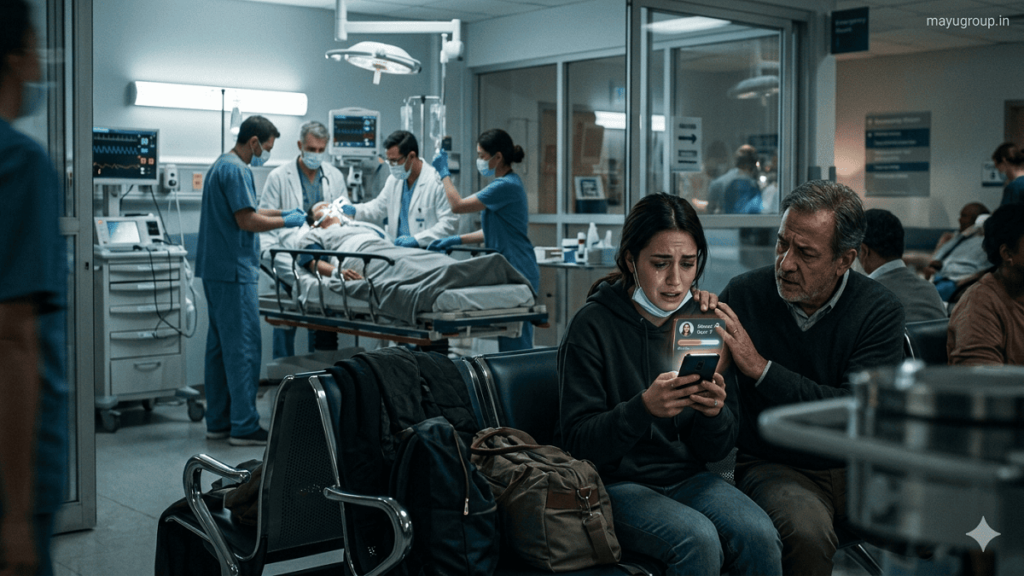
Industry Application of Healthcare Crowdfunding
Healthcare crowdfunding has become an important financial and operational tool across multiple sectors of the healthcare industry. It is used not only for individual patient support but also for medical innovation, infrastructure development, and public health initiatives. By enabling direct public participation in healthcare financing, it complements traditional systems such as insurance, government funding, and private healthcare investment.
1. Patient Treatment and Emergency Care
The most common application of healthcare crowdfunding is direct patient support. Individuals use it to raise funds for emergency surgeries, accident treatment, cancer therapies, organ transplants, and intensive care. In many cases, platforms like GoFundMe help patients quickly access global donations during urgent medical situations where time and cost are critical factors.
2. Chronic Illness and Long-Term Care
Healthcare crowdfunding is widely used for managing long-term illnesses such as diabetes complications, kidney disease, neurological disorders, and rare genetic conditions. These treatments often require continuous medication, therapy, and hospital visits, making them financially burdensome over time.
3. Medical Devices and Assistive Technology
Another important application is funding for medical equipment such as ventilators, prosthetic limbs, wheelchairs, insulin pumps, and hearing aids. These devices significantly improve patient quality of life but are often expensive or not fully covered by insurance systems.
4. Medical Research and Innovation
Hospitals, universities, and independent researchers use crowdfunding to support clinical trials, experimental treatments, and development of new medical technologies. This includes research into cancer therapies, rare diseases, vaccines, and digital health tools. Crowdfunding helps bridge early-stage funding gaps that traditional investors may avoid due to risk.
5. Public Health and Community Healthcare Projects
Healthcare crowdfunding is also applied in community-level health initiatives such as vaccination drives, maternal healthcare programs, rural clinics, and awareness campaigns. Non-profit organizations use it to improve healthcare access in underserved regions.
6. Disaster and Crisis Medical Response
During natural disasters, pandemics, or large-scale emergencies, healthcare crowdfunding plays a vital role in quickly mobilizing funds for medical supplies, emergency treatment, hospital expansion, and relief efforts. It enables rapid response when traditional funding systems are delayed.
7. Mental Health and Rehabilitation Services
An emerging application area is mental health support and rehabilitation services. Crowdfunding helps individuals access therapy, addiction recovery programs, and psychiatric care, which are often underfunded or stigmatized in many regions.
Conclusion
Healthcare crowdfunding is widely applied across patient care, medical innovation, public health, and emergency response systems. It provides flexible, fast, and community-driven financial support, making it a valuable complement to traditional healthcare financing structures while also highlighting gaps in global healthcare accessibility.
References
- https://www.gofundme.com/c/medical-fundraising
- https://www.investopedia.com/terms/c/crowdfunding.asp
- https://www.weforum.org/agenda/health/
- https://www.who.int/health-topics/health-financing
#Healthcare Crowdfunding in Mumbai
Ask FAQs
What is healthcare crowdfunding?
Healthcare crowdfunding is a method of raising money online from a large number of people to pay for medical expenses such as surgeries, treatments, medications, and emergency care when patients cannot afford the costs themselves.
How does healthcare crowdfunding work?
A patient or their family creates a fundraising campaign on platforms like GoFundMe, explains the medical condition and required costs, and shares it online. People can then donate money directly through the platform to support the treatment.
What types of medical needs are covered?
It is commonly used for emergency surgeries, cancer treatment, organ transplants, rare diseases, long-term care, medical devices, rehabilitation, and expensive medications not fully covered by insurance.
Why do people use healthcare crowdfunding instead of insurance?
Many people use it because insurance may not cover all medical costs, some treatments are too expensive, or they may not have any insurance at all. Crowdfunding provides quick financial support through public donations.
What are the risks of healthcare crowdfunding?
Risks include not reaching the funding goal, unequal visibility between campaigns, possible misinformation, and lack of guaranteed refunds. Success depends heavily on public reach and social media support.
Table of Contents
Disclaimer: Healthcare crowdfunding outcomes are not guaranteed. Funds raised may be insufficient, and contributions are generally voluntary with no assurance of refunds, treatment success, or specific medical results.