Music Crowdfunding
Music Crowdfunding is a financing model in which musicians, bands, and independent creators raise funds directly from audiences to support the production, marketing, and distribution of music projects. Instead of relying on traditional record labels or institutional investors, artists use online platforms to gather small or large contributions from fans who believe in their work. This approach has significantly reshaped the modern music industry by democratizing access to funding and reducing barriers for independent artists.
At its core, music crowdfunding operates on the principle of collective patronage. Artists typically launch campaigns outlining their project goals—such as producing an album, recording a single, funding a tour, or creating music videos. They set a financial target and a timeline. Supporters, often fans, contribute money in exchange for rewards or incentives. These rewards may include early access to music, limited-edition merchandise, behind-the-scenes content, concert tickets, or personalized experiences such as virtual meet-and-greets.
Several platforms have become central to this ecosystem. Kickstarter is widely used for project-based funding, where artists must reach their goal within a fixed period or receive no funds. Indiegogo offers more flexible funding options, allowing creators to keep funds even if targets are not fully met. Patreon, on the other hand, supports subscription-based crowdfunding, where fans provide ongoing monthly contributions in exchange for continuous content and engagement. These platforms have enabled musicians to build sustainable income streams independent of traditional industry gatekeepers.
One of the key advantages of music crowdfunding is creative independence. Artists retain full control over their artistic direction, ownership rights, and release strategies. This reduces dependency on record labels, which often impose contractual obligations and creative constraints. Additionally, crowdfunding allows artists to validate demand before investing heavily in production, reducing financial risk.
However, music crowdfunding also presents challenges. Running a successful campaign requires strong marketing skills, audience engagement, and consistent communication. Many campaigns fail not due to lack of talent, but due to insufficient visibility or weak promotional strategies. Fulfillment of rewards can also become complex and time-consuming, especially when managing large supporter bases or physical merchandise distribution.
Despite these challenges, crowdfunding has enabled many independent musicians to launch successful careers and connect deeply with their audiences. It fosters a sense of community, where fans feel personally invested in an artist’s journey and success.
For further reading, you may explore:
- Kickstarter Music Projects: https://www.kickstarter.com/discover/categories/music
- Indiegogo Music Campaigns: https://www.indiegogo.com/explore/music
- Patreon for Musicians: https://www.patreon.com/create/musician
- Overview of Music Crowdfunding: https://www.britannica.com/art/crowdfunding
- Industry Insights: https://www.forbes.com/sites/forbesbusinesscouncil/2021/06/30/how-crowdfunding-is-changing-the-music-industry/
#Music Crowdfunding in India
What is music crowdfunding?
Music crowdfunding is a method of raising financial support for music-related projects directly from the public, typically through online platforms. Instead of depending on record labels, banks, or private investors, musicians collect small or large contributions from fans, supporters, and the general audience to fund activities such as recording albums, producing singles, filming music videos, organizing tours, or marketing releases.
The process is usually structured around a campaign hosted on a crowdfunding platform. The artist sets a funding goal, explains the project, and provides a timeline for completion. Supporters contribute money because they believe in the artist’s work or want to see a specific project come to life. In return, contributors often receive rewards or incentives. These may include early access to songs, exclusive behind-the-scenes content, signed merchandise, concert tickets, or personalized experiences.
Music crowdfunding operates in different models. The most common is the “all-or-nothing” model, used by platforms like Kickstarter, where funds are only collected if the target amount is reached within a set timeframe. Another model is “keep-what-you-raise,” used by platforms like Indiegogo, where artists receive whatever amount is contributed even if the goal is not met. Subscription-based crowdfunding, popularized by Patreon, allows fans to support artists on an ongoing monthly basis in exchange for continuous content and engagement.
This approach has become increasingly important in the modern music industry because it gives artists greater independence. Musicians can bypass traditional gatekeepers such as record labels, retain ownership of their creative work, and build direct relationships with their audience. It also allows them to test demand for their music before investing heavily in production and distribution.
However, music crowdfunding also requires significant effort beyond artistic creation. Successful campaigns depend on marketing, audience engagement, and consistent communication with supporters. Artists must actively promote their projects, build trust with potential backers, and manage reward fulfillment, which can be time-consuming and complex.
Overall, music crowdfunding has transformed how music projects are financed by making the audience an active participant in the creative process. It strengthens the connection between artists and fans while providing a viable alternative funding path in an industry that is often difficult to enter.
For more information, you can refer to:
- https://www.kickstarter.com/help/handbook/section/music
- https://www.indiegogo.com/explore/music
- https://www.patreon.com/resources
- https://www.britannica.com/art/crowdfunding
#Music Crowdfunding in Maharashtra
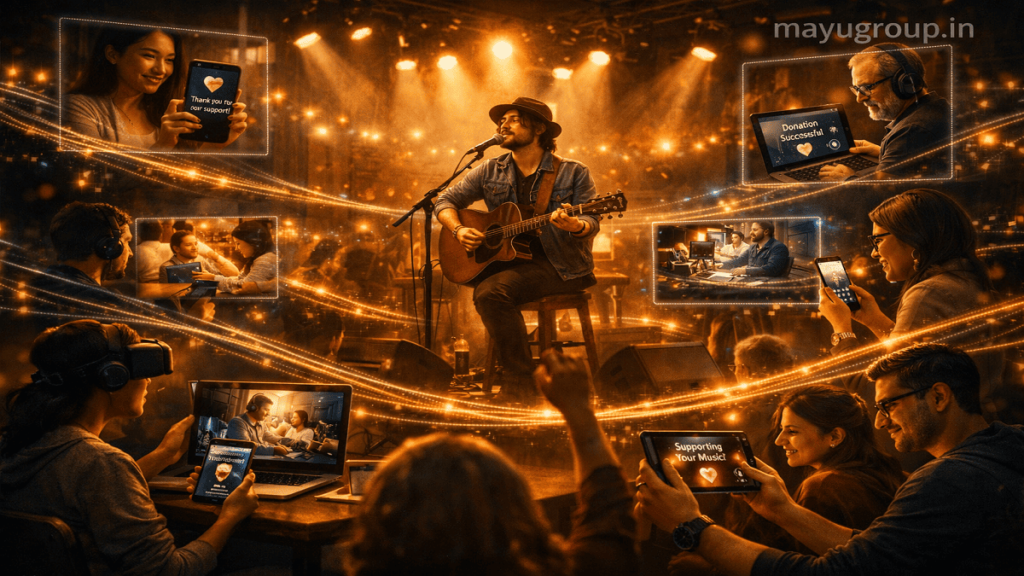
How do musicians use crowdfunding platforms?
Musicians use crowdfunding platforms as structured digital tools to raise money directly from their audience for specific creative or professional goals. These platforms function as intermediaries that help artists present their projects, collect financial contributions, and manage supporter relationships in a transparent and organized way. The process typically follows a clear sequence: campaign planning, launch, promotion, funding collection, and reward fulfillment.
First, musicians define a project they want to fund. This could include recording an album, producing a single, shooting a music video, funding a tour, or upgrading equipment. They then set a financial target based on estimated production costs and choose a crowdfunding model. For example, platforms like Kickstarter use an “all-or-nothing” model, meaning the project only receives funds if the goal is fully met. Indiegogo allows flexible funding, where artists can keep whatever amount is raised. Patreon uses a subscription-based model where fans contribute monthly support in exchange for ongoing content.
Once the campaign is created, musicians design a compelling project page. This includes a description of the music project, a personal story, funding breakdown, and often a video explaining their vision. A strong narrative is essential because crowdfunding is highly dependent on emotional connection and trust between the artist and supporters.
After launching the campaign, musicians actively promote it across social media, email lists, live performances, and fan communities. Marketing plays a critical role in reaching both existing fans and new audiences. Many successful campaigns rely on consistent updates, behind-the-scenes content, and engagement with backers to maintain momentum throughout the campaign period.
Supporters contribute money in exchange for rewards. Musicians design reward tiers based on contribution levels. Lower tiers might include digital downloads or early access to songs, while higher tiers can include signed merchandise, vinyl records, private concerts, or personalized experiences. These rewards help incentivize participation and strengthen fan loyalty.
Once the funding goal is achieved, musicians use the collected money to execute the project. They are also responsible for delivering promised rewards, managing timelines, and maintaining communication with supporters. This post-campaign phase is crucial for building long-term credibility.
Overall, musicians use crowdfunding platforms not only as financial tools but also as marketing and community-building systems. They help artists maintain creative independence while building direct relationships with their audience.
For further reading:
- https://www.kickstarter.com/help/handbook/section/music
- https://www.indiegogo.com/explore/music
- https://www.patreon.com/resources
- https://www.britannica.com/art/crowdfunding
#Music Crowdfunding in Ahemadabad
What rewards are given to supporters?
In music crowdfunding, rewards are incentives offered to supporters in exchange for their financial contributions to an artist’s project. These rewards are carefully structured into tiers based on the amount of money contributed, allowing musicians to encourage participation at different levels while strengthening engagement with their audience. The nature of rewards varies widely depending on the artist’s creativity, budget, and the type of campaign.
At the lower contribution levels, supporters typically receive digital and non-material benefits. These may include early access to new songs, downloadable versions of singles or albums, exclusive updates about the project, or access to private online content such as behind-the-scenes videos. These rewards are cost-effective for artists and provide fans with a sense of inclusion in the creative process.
Mid-level rewards often include physical merchandise or enhanced access. Common examples are signed CDs or vinyl records, limited-edition merchandise such as T-shirts or posters, lyric booklets, or special album artwork. Some artists also offer credits in album liner notes, acknowledging supporters publicly for their contribution. These rewards increase the perceived value of participation and deepen the supporter’s emotional connection to the project.
At higher contribution tiers, rewards become more personalized and experiential. These may include VIP concert tickets, backstage passes, meet-and-greet opportunities, or invitations to private listening sessions. Some musicians offer custom-made songs, where the artist writes or dedicates a piece of music specifically for a supporter. Others may provide one-on-one virtual sessions, private acoustic performances, or even naming credits in a music video or album track.
In addition to tangible rewards, many campaigns emphasize intangible benefits such as community membership. Supporters may gain access to private fan groups, exclusive livestreams, or early decision-making input on aspects of the project, such as album artwork or track selection. These participatory rewards help build a strong sense of belonging and shared ownership.
Rewards serve two key purposes: they incentivize financial contributions and strengthen long-term fan relationships. By offering tiered incentives, musicians can appeal to both casual listeners and highly dedicated fans. Importantly, rewards must be carefully planned to ensure they are realistic, cost-effective, and deliverable within promised timelines.
Overall, rewards in music crowdfunding go beyond simple gifts; they create a bridge between artists and fans, transforming supporters into active participants in the creative journey.
For further reading:
- https://www.kickstarter.com/help/handbook/section/rewards
- https://www.indiegogo.com/explore/music
- https://www.patreon.com/resources
- https://www.forbes.com/sites/forbesbusinesscouncil/2021/06/30/how-crowdfunding-is-changing-the-music-industry/
#Music Crowdfunding in Hyderabad
Why do artists choose crowdfunding for music projects?
Artists choose crowdfunding for music projects primarily because it offers financial independence, creative control, and direct access to audience support without relying on traditional music industry gatekeepers such as record labels or private investors. This model has become especially important in the digital era, where independent music distribution and fan-driven platforms are widely accessible.
One of the main reasons artists use crowdfunding is to secure funding while maintaining ownership of their work. Traditional record deals often require artists to give up rights to their music or accept restrictive contracts. In contrast, crowdfunding allows musicians to retain full creative and legal control over their recordings, branding, and release strategies. This independence is particularly valuable for emerging or niche artists who may not fit mainstream commercial expectations.
Another major factor is risk reduction. Producing music—especially albums, videos, or tours—can be expensive. Crowdfunding enables artists to test audience demand before committing large personal resources. If a campaign attracts strong support, it signals that there is a market for the project. If it does not, artists can reassess or adjust their approach without incurring heavy financial losses.
Crowdfunding also strengthens the relationship between artists and their audience. Instead of one-way consumption, fans become active participants in the creative process. They contribute financially, receive updates, and often influence aspects of the project through feedback or engagement. This creates a deeper emotional connection and builds a loyal community around the artist’s work.
Additionally, crowdfunding platforms provide marketing advantages. Campaigns themselves function as promotional tools, generating visibility across social media and online communities. Successful campaigns often attract press coverage and expand an artist’s reach beyond their existing fan base. Platforms such as Kickstarter, Indiegogo, and Patreon also provide built-in discovery systems that help artists connect with potential supporters.
Flexibility is another key advantage. Artists can fund a wide range of activities, from recording studio time and producing physical albums to organizing tours or creating music videos. Subscription-based models like Patreon also allow for ongoing financial stability, helping artists maintain consistent income rather than relying on irregular album cycles.
However, artists also accept additional responsibilities, such as managing marketing, engaging with supporters, and fulfilling promised rewards. Despite this workload, many still prefer crowdfunding because it provides autonomy and strengthens fan relationships.
Overall, artists choose crowdfunding because it combines financing, promotion, and community-building into a single system that supports both creative freedom and sustainable career development.
For further reading:
- https://www.kickstarter.com/help/handbook/section/music
- https://www.indiegogo.com/explore/music
- https://www.patreon.com/resources
- https://www.britannica.com/art/crowdfunding
#Music Crowdfunding in Banglore
What risks are involved in music crowdfunding?
Music crowdfunding carries several important risks that artists must understand before launching a campaign. While it provides a powerful alternative to traditional music financing, it also introduces financial, operational, and reputational challenges that can significantly affect an artist’s career if not managed properly.
One of the most common risks is funding failure. Many campaigns do not reach their financial target, especially on “all-or-nothing” platforms such as Kickstarter. In such cases, the artist receives no funds, even if the project has generated some interest. This can result in lost time and effort spent on planning and promotion without any financial return. Even when flexible funding models are used, like those on Indiegogo, raising insufficient funds can still leave a project under-resourced and difficult to complete at a professional standard.
Another major risk is underestimation of costs. Artists may set unrealistic funding goals or fail to account for hidden expenses such as production fees, taxes, platform commissions, shipping costs for rewards, and marketing expenses. This can lead to budget shortfalls during production, forcing compromises in quality or delays in delivery.
Reward fulfillment is also a significant operational challenge. Crowdfunding campaigns often rely on tiered rewards such as merchandise, signed items, or exclusive experiences. Managing production, packaging, and shipping for a large number of supporters can become complex and expensive. Delays in fulfillment or failure to deliver promised rewards can damage trust and harm an artist’s long-term reputation.
Reputational risk is closely tied to communication and transparency. If artists fail to provide regular updates or do not meet expectations, supporters may feel disappointed or misled. Since crowdfunding depends heavily on trust between creators and fans, negative experiences can reduce future support and damage an artist’s credibility in the music community.
There are also creative and psychological risks. Running a campaign requires constant promotion, audience engagement, and content creation, which can distract from the actual music-making process. Artists may feel pressure to market themselves heavily or tailor their projects to what is most likely to attract funding, potentially limiting creative freedom.
In addition, there is the risk of competition and visibility. Thousands of projects are launched on crowdfunding platforms, making it difficult for new or independent artists to stand out without strong marketing skills or an existing fan base. Without sufficient visibility, even high-quality projects may fail to attract enough support.
Finally, there are platform-related risks, including service fees, policy changes, and dependence on third-party systems. Artists must rely on the platform’s infrastructure, payment processing, and rules, which can change over time and affect campaign outcomes.
Overall, while music crowdfunding offers independence and opportunity, it requires careful planning, realistic budgeting, and strong communication to manage its financial, operational, and reputational risks effectively.
For further reading:
- https://www.kickstarter.com/help/handbook/section/risks
- https://www.indiegogo.com/how-it-works
- https://www.patreon.com/resources
- https://www.britannica.com/art/crowdfunding
- https://www.forbes.com/sites/forbesbusinesscouncil/2021/06/30/how-crowdfunding-is-changing-the-music-industry/
#Music Crowdfunding in Delhi
Case Study of Music Crowdfunding
A useful way to understand music crowdfunding is through real-world case studies of artists who have successfully used it to finance and distribute their work. One widely cited example is the British rock band Marillion, who are often credited as pioneers of modern music crowdfunding. In the late 1990s and early 2000s, long before platforms like Kickstarter existed, the band used fan pre-orders and direct fan financing to fund tours and albums. This approach helped them continue producing music independently after losing major label support. Their early model demonstrated that a dedicated fanbase could directly sustain an artist’s creative output.
In the digital crowdfunding era, a notable example is Amanda Palmer, a musician and performance artist who used Kickstarter to fund her album and related projects. Her campaign raised over one million dollars, far exceeding its initial target. The success was driven not only by her existing fanbase but also by her strong engagement strategy, which included personal storytelling, frequent updates, and meaningful reward tiers. These rewards ranged from digital downloads to intimate live performances and personalized experiences. This case showed how crowdfunding can scale beyond niche support into mainstream financial success when combined with strong community engagement.
Another important case is independent artists using Patreon, which enables ongoing monthly support instead of one-time funding. Many musicians now use Patreon to create sustainable income streams by offering exclusive content such as early releases, behind-the-scenes recordings, and private livestreams. This model has proven especially valuable for artists who release music frequently or want to maintain long-term financial stability without relying on traditional album cycles.
These case studies highlight several key lessons. First, audience trust is essential. Successful campaigns are built on strong relationships between artists and supporters rather than just marketing efforts. Second, storytelling plays a central role; artists who clearly communicate their vision and personal journey tend to attract more funding. Third, reward structure matters. Well-designed incentives that feel meaningful but remain financially manageable improve both participation and fulfillment success. Finally, consistency and transparency are crucial for maintaining long-term credibility.
However, not all case studies are positive. Some artists have struggled with delays in delivering rewards or failing to meet production expectations due to underestimated costs or poor planning. These examples reinforce the importance of realistic budgeting and careful project management.
Overall, music crowdfunding case studies demonstrate that while the model can be highly effective, its success depends on combining artistic vision with business planning, audience engagement, and operational discipline.
For further reading:
- https://www.kickstarter.com/help/handbook
- https://www.patreon.com/resources
- https://www.britannica.com/art/crowdfunding
- https://www.musicbusinessworldwide.com/how-crowdfunding-is-changing-the-music-industry/
#Music Crowdfunding in Pune
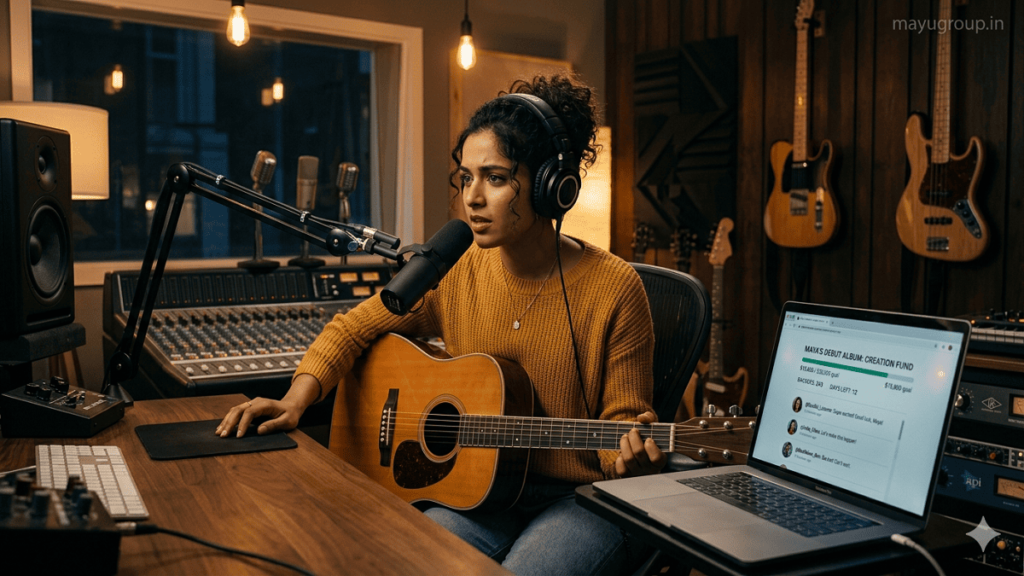
White Paper on Music Crowdfunding
1. Executive Summary
Music crowdfunding is an alternative financing model that enables musicians to raise capital directly from audiences through online platforms. It replaces or complements traditional funding sources such as record labels, grants, and private investors. By leveraging digital platforms, artists can finance recording, production, touring, and marketing while maintaining creative and financial independence. The model also strengthens artist–fan relationships by converting audiences into active stakeholders in the creative process.
2. Introduction
The music industry has undergone structural change due to digital distribution, streaming platforms, and social media. In this environment, crowdfunding has emerged as a decentralized funding mechanism. Platforms such as Kickstarter, Indiegogo, and Patreon allow artists to present projects, set financial targets, and collect contributions from global audiences.
A key advantage is that crowdfunding reduces dependence on intermediaries, enabling independent artists to bypass traditional gatekeepers and directly access capital.
3. Models of Music Crowdfunding
Music crowdfunding generally operates through three main models:
- Reward-based crowdfunding: Contributors receive non-financial rewards such as early releases, merchandise, or experiences.
- Equity or investment-based crowdfunding: Backers may receive a financial stake (less common in music due to regulatory constraints).
- Subscription-based crowdfunding: Platforms like Patreon allow recurring monthly support in exchange for ongoing content and engagement.
Each model serves different artistic and financial needs depending on project scope and audience structure.
4. Operational Framework
A typical crowdfunding campaign includes:
- Project definition (album, tour, video, etc.)
- Budget estimation and funding target
- Campaign creation with storytelling and media assets
- Reward tier design
- Promotion through social media and fan communities
- Funding collection and project execution
- Reward fulfillment and post-campaign engagement
Success depends heavily on communication, marketing strategy, and audience trust.
5. Benefits
Music crowdfunding provides several strategic advantages:
- Financial independence from record labels
- Direct artist–fan engagement
- Early validation of market demand
- Creative control over production and branding
- Diversified revenue streams
- Community building and loyalty development
It also enables emerging artists to enter the industry without significant upfront capital.
6. Challenges and Risks
Despite its advantages, music crowdfunding carries risks:
- Failure to meet funding goals
- Underestimated production and fulfillment costs
- Logistical complexity in delivering rewards
- Reputational damage from delays or unmet expectations
- Heavy reliance on marketing and audience reach
- Platform dependency and fee structures
These risks require careful planning and transparent communication.
7. Industry Impact
Crowdfunding has reshaped music financing by democratizing access to resources. It has reduced barriers for independent musicians and increased audience participation in creative production. It also complements streaming revenue models by providing upfront funding before release cycles.
8. Conclusion
Music crowdfunding is a transformative financing mechanism that combines fundraising, marketing, and community engagement. While it does not eliminate traditional industry structures, it provides a viable parallel pathway for independent artists. Its effectiveness depends on strategic planning, strong storytelling, and sustained audience relationships.
References
- https://www.kickstarter.com/help/handbook
- https://www.indiegogo.com/how-it-works
- https://www.patreon.com/resources
- https://www.britannica.com/art/crowdfunding
- https://www.forbes.com/sites/forbesbusinesscouncil/2021/06/30/how-crowdfunding-is-changing-the-music-industry/
#Music Crowdfunding in Kolkata
Industry Application of Music Crowdfunding
Music crowdfunding has evolved from a niche funding method into a widely used industry tool that supports multiple stages of the music value chain, including production, distribution, marketing, and audience engagement. It is now applied not only by independent artists but also by established musicians, labels, event organizers, and even music-tech platforms as part of hybrid financing strategies.
1. Independent Music Production
One of the most significant applications is in independent music production. Artists use crowdfunding to finance studio recording, mixing, mastering, and album production without relying on record labels. Platforms such as Kickstarter and Indiegogo enable musicians to present project proposals and secure upfront funding from fans. This reduces financial barriers and allows greater creative freedom. Many emerging artists in genres such as indie, folk, and electronic music rely heavily on this model to release debut albums.
2. Marketing and Audience Validation
Crowdfunding also functions as a market validation tool. Before investing heavily in production or promotion, artists can gauge audience interest based on campaign performance. A successful campaign indicates strong demand, while weak participation signals the need for strategy adjustment. This data-driven validation helps reduce financial risk and improves decision-making in release planning and marketing investments.
3. Touring and Live Events
In the live music sector, crowdfunding is increasingly used to finance tours, concerts, and festival appearances. Artists can pre-sell tickets or create campaign tiers that include VIP access, backstage experiences, or meet-and-greet opportunities. This approach helps reduce the upfront costs of touring, particularly for independent musicians who may not have label-backed financial support. It also ensures minimum audience turnout before committing to venue bookings.
4. Fan Engagement and Community Building
Crowdfunding platforms have become powerful tools for fan engagement. Subscription-based models like Patreon allow musicians to build long-term relationships with supporters through exclusive content, early releases, and interactive experiences. This creates a stable community-driven revenue model and strengthens loyalty beyond single album cycles.
5. Label and Industry Integration
Even traditional record labels are incorporating crowdfunding strategies into their operations. Some use it to test new artists or niche projects before full-scale investment. Others collaborate with platforms to run pre-order campaigns that fund production costs while also generating early marketing buzz. This hybrid model combines institutional resources with audience-driven financing.
6. Merchandise and Revenue Diversification
Crowdfunding is also used to pre-sell merchandise such as vinyl records, apparel, and limited-edition collectibles. This reduces inventory risk and ensures demand before production. It also helps artists diversify income beyond streaming revenues, which are often relatively low per stream.
7. Digital Ecosystem Expansion
With the rise of social media and streaming platforms, crowdfunding is increasingly integrated into broader digital ecosystems. Artists promote campaigns through YouTube, Instagram, TikTok, and email newsletters, turning crowdfunding into a central part of digital music marketing strategy.
Conclusion
Music crowdfunding has become an essential industry application that extends across production, marketing, live performance, and fan engagement. It provides a flexible financing mechanism that supports both independent and mainstream artists while reshaping how value is created and distributed in the modern music industry.
References
- https://www.kickstarter.com/help/handbook/section/music
- https://www.indiegogo.com/explore/music
- https://www.patreon.com/resources
- https://www.britannica.com/art/crowdfunding
- https://www.forbes.com/sites/forbesbusinesscouncil/2021/06/30/how-crowdfunding-is-changing-the-music-industry/
#Music Crowdfunding in Mumbai
Ask FAQs
What is music crowdfunding?
Music crowdfunding is a method where musicians raise money directly from fans and supporters through online platforms. Instead of relying on record labels or investors, artists present a project—such as an album, single, or tour—and collect financial contributions from the public. In return, supporters often receive rewards like early access to music, merchandise, or exclusive experiences.
Which platforms are commonly used for music crowdfunding?
Popular platforms include Kickstarter, Indiegogo, and Patreon. Kickstarter is typically used for fixed campaigns with a funding goal, Indiegogo allows more flexible funding options, and Patreon supports ongoing monthly contributions. Each platform serves different needs depending on whether the artist wants one-time project funding or long-term financial support.
What types of rewards do supporters receive?
Supporters usually receive tier-based rewards depending on their contribution level. These may include digital downloads, early access to songs, signed merchandise, vinyl records, concert tickets, or personalized experiences such as private performances or meet-and-greets. Higher contributions often unlock more exclusive and personalized benefits.
Why do artists prefer crowdfunding over record labels?
Many artists prefer crowdfunding because it gives them creative independence and full ownership of their music. Unlike traditional record label contracts, crowdfunding allows musicians to retain control over artistic decisions, pricing, and distribution. It also enables direct engagement with fans and provides a way to test audience demand before investing heavily in production.
What are the main risks of music crowdfunding?
The main risks include failing to reach funding goals, underestimating project costs, and difficulties in delivering promised rewards. Campaigns also require strong marketing and communication skills, and failure to meet supporter expectations can damage an artist’s reputation. Additionally, artists may face delays or financial strain if production costs exceed the funds raised.
Table of Contents
Disclaimer: This content is for general informational purposes only. It does not constitute financial, legal, or professional advice.