Waste Management Investment
Waste Management Investment has become a critical component of sustainable economic development, environmental protection, and public health improvement. As urban populations continue to grow and industrial activities expand, the volume of municipal, industrial, and hazardous waste is increasing significantly. Effective investment in waste management infrastructure and services enables governments, businesses, and communities to address environmental challenges while creating economic opportunities.
Investments in waste management typically focus on collection systems, transportation networks, recycling facilities, waste-to-energy plants, landfill modernization, composting facilities, and digital monitoring technologies. These investments help reduce environmental pollution, conserve natural resources, and improve the overall efficiency of waste handling processes. Modern waste management systems also support the transition toward a circular economy, where materials are reused, recycled, and recovered rather than discarded.
From an economic perspective, waste management investments generate long-term value by creating jobs, reducing cleanup costs, and supporting resource recovery industries. Recycling operations, material recovery facilities, and composting plants contribute to local economic growth by transforming waste into marketable products. Furthermore, Waste Management Investment businesses can reduce operational costs through improved resource efficiency and waste minimization practices.
Environmental benefits are equally significant. Proper waste management reduces greenhouse gas emissions, prevents soil and water contamination, and decreases the volume of waste sent to landfills. Investments in recycling and waste-to-energy technologies can lower dependence on virgin raw materials and fossil fuels. Such initiatives contribute directly to national sustainability goals and international climate commitments.
Governments play an essential role in attracting investment through supportive regulations, public-private partnerships, and incentive programs. Private sector participation has increased substantially as investors recognize the growing demand for sustainable infrastructure. Environmental, Social, and Governance (ESG) considerations have also encouraged institutional investors to allocate capital toward waste management projects that demonstrate measurable environmental impact.
Technological innovation is transforming the sector. Smart waste bins, Internet of Things (IoT) sensors, artificial intelligence-based sorting systems, and data analytics platforms improve collection efficiency and resource recovery rates. These advancements enhance operational performance while reducing costs and environmental impacts.
Despite its potential, waste management investment faces challenges such as high capital requirements, regulatory complexity, limited public awareness, and market fluctuations in recyclable materials. Addressing these barriers requires coordinated efforts among governments, businesses, financial institutions, and local communities.
In conclusion, waste management investment represents a strategic opportunity to achieve environmental sustainability, economic growth, and social well-being. By supporting modern infrastructure, technological innovation, and circular economy initiatives, stakeholders can create resilient waste management systems that deliver long-term benefits for both society and the environment.
Relevant Resources
- United Nations Environment Programme (UNEP) – Waste Management Resources
- World Bank – Solid Waste Management Program
- United States Environmental Protection Agency (EPA) – Sustainable Materials Management
- International Solid Waste Association (ISWA)
- Organisation for Economic Co-operation and Development (OECD) – Circular Economy Resources
#Waste Management Investment in India
What is Waste Management Investment?
Waste management investment refers to the allocation of financial resources toward systems, infrastructure, technologies, and services that support the collection, transportation, processing, recycling, treatment, and disposal of waste. These investments are made by governments, private companies, financial institutions, and development organizations to improve waste handling practices, reduce environmental pollution, and promote sustainable resource utilization.
As urbanization, industrialization, and population growth continue to increase the amount of waste generated worldwide, effective waste management has become a priority for both developed and developing economies. Investment in this sector helps build and maintain the facilities and technologies necessary to manage waste safely and efficiently while minimizing its impact on the environment and public health.
Waste management investment can take various forms. Infrastructure investments include the development of recycling plants, composting facilities, sanitary landfills, transfer stations, and waste-to-energy plants. Technology investments focus on innovations such as automated sorting systems, smart waste collection solutions, data analytics platforms, and Internet of Things (IoT)-enabled monitoring systems. Operational investments may involve expanding waste collection fleets, improving logistics networks, and enhancing workforce capabilities.
One of the primary objectives of waste management investment is to support the transition from a linear economy, where products are used and discarded, to a circular economy, where materials are reused, recycled, and recovered. This approach reduces the consumption of natural resources, lowers waste generation, and creates new economic opportunities through resource recovery and recycling industries.
The economic benefits of waste management investment are substantial. Well-designed waste management systems create employment opportunities in collection, recycling, processing, and environmental services. They also stimulate business growth by providing recycled materials that can be used in manufacturing. In many cases, recovered materials such as paper, plastic, metal, and organic waste become valuable resources that generate revenue and reduce production costs.
Environmental benefits are equally important. Effective waste management helps reduce greenhouse gas emissions, prevent land and water contamination, conserve natural resources, and improve overall environmental quality. Investments in recycling and waste-to-energy technologies contribute to climate change mitigation efforts by reducing landfill dependence and promoting energy recovery from waste.
Governments often encourage waste management investment through regulatory frameworks, financial incentives, public-private partnerships, and sustainability policies. Increasing emphasis on Environmental, Social, and Governance (ESG) criteria has also attracted private investors seeking projects that deliver both financial returns and positive environmental impact.
In conclusion, waste management investment is the process of funding and developing systems that improve the handling, treatment, and recovery of waste. It plays a crucial role in protecting the environment, supporting economic development, improving public health, and advancing long-term sustainability goals.
Further Reading
- United Nations Environment Programme (UNEP)
- World Bank – Waste Management Overview
- International Solid Waste Association (ISWA)
- OECD Circular Economy Resources
- U.S. Environmental Protection Agency (EPA) – Sustainable Materials Management
#Waste Management Investment in Maharashtra
How Do Waste Management Projects Generate Returns?
Waste management projects generate returns through multiple revenue streams created by the collection, processing, recycling, treatment, and recovery of waste materials. These projects not only provide environmental benefits but also create sustainable business opportunities that can deliver long-term financial returns to investors, governments, and private operators.
One of the primary sources of revenue is waste collection and disposal fees. Municipalities, businesses, and households pay service providers for the collection, transportation, and treatment of waste. Long-term service contracts with local governments often provide stable and predictable income, making waste management projects attractive investments.
Another significant source of returns comes from recycling and material recovery. Waste materials such as paper, plastics, metals, glass, and electronic components can be sorted, processed, and sold to manufacturers as secondary raw materials. As industries increasingly adopt sustainable production practices, demand for recycled materials continues to grow, creating additional revenue opportunities for waste management companies.
Waste-to-energy (WTE) projects also generate substantial returns. These facilities convert non-recyclable waste into electricity, heat, or fuel through technologies such as incineration, anaerobic digestion, and gasification. Revenue is earned from the sale of generated energy to utility companies, industries, or local power grids. In many countries, governments provide incentives and favorable tariffs for renewable energy production, enhancing project profitability.
Composting facilities create another income stream by processing organic waste into compost and soil conditioners. These products are sold to agricultural businesses, landscaping companies, and households. As interest in sustainable agriculture and organic farming increases, demand for high-quality compost products continues to expand.
Many waste management projects also benefit from carbon credits and environmental incentives. Projects that reduce greenhouse gas emissions, divert waste from landfills, or generate renewable energy may qualify for carbon trading programs and sustainability grants. These incentives can improve project economics and attract environmentally focused investors.
Cost savings represent an indirect but important source of returns. Businesses that invest in waste reduction, recycling, and resource recovery programs often reduce disposal costs and improve operational efficiency. Recovering valuable materials from waste can lower raw material expenses and strengthen supply chain resilience.
Public-private partnerships (PPPs) further enhance financial viability by sharing risks and responsibilities between governments and private investors. Long-term concession agreements often provide guaranteed revenue streams, making large-scale waste management infrastructure projects more attractive to investors.
Technological advancements are also improving profitability. Automated sorting systems, artificial intelligence, smart sensors, and data analytics help increase recovery rates, reduce labor costs, and optimize collection routes. These improvements enhance operational efficiency and maximize returns on investment.
In conclusion, waste management projects generate returns through service fees, recycling revenues, energy production, compost sales, carbon credits, and operational cost savings. By combining environmental sustainability with diverse revenue streams, these projects offer both financial and social value, making them an increasingly attractive investment opportunity in the global transition toward a circular economy.
Further Reading
- World Bank – Solid Waste Management
- International Solid Waste Association (ISWA)
- United Nations Environment Programme (UNEP)
- International Energy Agency (IEA) – Waste-to-Energy Resources
- OECD Circular Economy Resources
#Waste Management Investment in Ahemadabad
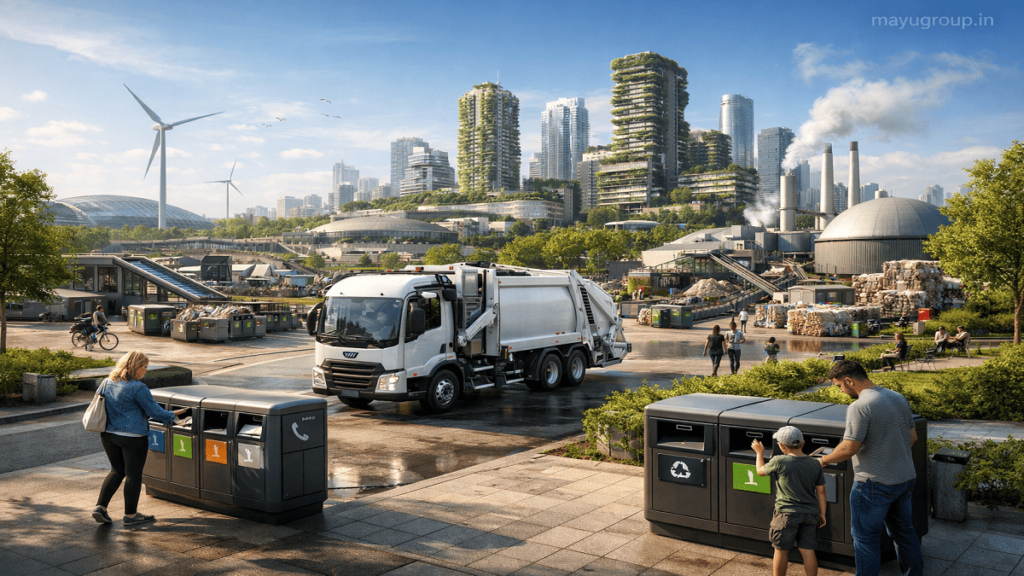
What Types of Waste Management Businesses Attract Investors?
Waste management has evolved into a highly attractive investment sector due to increasing environmental regulations, growing waste generation, and the global shift toward sustainability and circular economy practices. Investors are particularly interested in businesses that demonstrate strong revenue potential, scalable operations, technological innovation, and measurable environmental impact. Several types of waste management businesses consistently attract investor attention.
One of the most attractive categories is recycling and material recovery businesses. These companies collect, sort, process, and sell recyclable materials such as plastics, paper, metals, glass, and electronic waste. As industries seek sustainable raw materials and governments implement stricter recycling targets, demand for recycled products continues to increase. Businesses with advanced sorting technologies and efficient recovery systems often generate stable revenues and long-term growth opportunities.
Waste-to-energy (WTE) companies are another major investment target. These businesses convert non-recyclable waste into electricity, heat, biogas, or alternative fuels. Investors are attracted to WTE projects because they combine waste disposal services with renewable energy production, creating multiple revenue streams. Government incentives for clean energy generation further enhance their financial appeal.
Organic waste processing and composting businesses have also gained investor interest. These companies transform food waste, agricultural residues, and other biodegradable materials into compost, biofertilizers, and biogas. Growing awareness of sustainable agriculture and organic farming has increased demand for these environmentally friendly products, making the sector attractive for long-term investment.
Electronic waste (e-waste) recycling companies represent a rapidly growing investment opportunity. With increasing consumption of electronic devices, large volumes of discarded computers, smartphones, batteries, and appliances are generated each year. E-waste recyclers recover valuable materials such as gold, silver, copper, and rare earth metals, creating significant revenue potential while addressing environmental concerns.
Investors are also interested in hazardous and industrial waste management companies. These businesses provide specialized treatment, transportation, and disposal services for chemical, medical, pharmaceutical, and industrial waste. Due to strict regulatory requirements and high barriers to entry, such companies often enjoy strong market positions and stable demand.
Smart waste management and technology-driven businesses are becoming increasingly attractive. Companies that develop Internet of Things (IoT) sensors, artificial intelligence-based sorting systems, route optimization software, and waste tracking platforms help improve operational efficiency and reduce costs. Technology-focused businesses offer scalability and innovation, making them appealing to venture capital and private equity investors.
Another promising area is landfill management and environmental remediation services. Businesses involved in landfill gas recovery, landfill modernization, methane capture, and site rehabilitation benefit from growing environmental regulations and sustainability initiatives. These projects often generate revenue through energy production and environmental credits.
In conclusion, investors are most attracted to waste management businesses that combine environmental impact with strong financial performance. Recycling facilities, waste-to-energy plants, composting operations, e-waste recyclers, hazardous waste treatment providers, smart waste technology companies, and environmental remediation services all offer significant growth potential. As sustainability becomes a global priority, these businesses are expected to play an increasingly important role in creating economic value while addressing environmental challenges.
Further Reading
- United Nations Environment Programme (UNEP)
- World Bank – Solid Waste Management
- International Solid Waste Association (ISWA)
- OECD Circular Economy Resources
- International Energy Agency (IEA)
#Waste Management Investment in Hyderabad
Why Is Investment in Waste Management Important?
Investment in waste management is essential for achieving environmental sustainability, protecting public health, supporting economic growth, and promoting efficient resource utilization. As populations expand, urbanization accelerates, and industrial activities increase, the volume of waste generated worldwide continues to rise. Without adequate investment in waste management systems, communities face serious challenges such as pollution, disease outbreaks, environmental degradation, and inefficient use of valuable resources.
One of the primary reasons waste management investment is important is its role in environmental protection. Improper disposal of waste can contaminate soil, water bodies, and air, leading to long-term ecological damage. Investments in modern waste collection, recycling facilities, sanitary landfills, and waste treatment technologies help reduce pollution and ensure that waste is handled in an environmentally responsible manner. These measures contribute significantly to the preservation of natural ecosystems and biodiversity.
Waste management investment is also crucial for public health and safety. Unmanaged waste can become a breeding ground for disease-causing organisms, attract pests, and create hazardous living conditions. Effective waste collection and disposal systems reduce the spread of infectious diseases and improve sanitation standards. This is particularly important in densely populated urban areas where large amounts of waste are generated daily.
From an economic perspective, investment in waste management creates employment opportunities and business growth. The sector supports jobs in waste collection, recycling, transportation, processing, equipment manufacturing, environmental consulting, and technology development. Recycling and resource recovery industries transform waste into valuable products, generating revenue and stimulating economic activity. As a result, waste management contributes to both local and national economic development.
Another important benefit is the promotion of a circular economy. Traditional economic models often follow a “take, make, and dispose” approach, which leads to resource depletion and increased waste generation. Investment in recycling, composting, and material recovery facilities enables the reuse of valuable resources, reducing dependence on virgin raw materials and lowering production costs. This approach supports sustainable consumption and production patterns.
Waste management investments also play a significant role in climate change mitigation. Landfills are major sources of methane, a greenhouse gas that is significantly more potent than carbon dioxide. By investing in waste-to-energy facilities, methane capture systems, recycling infrastructure, and organic waste treatment plants, governments and businesses can reduce greenhouse gas emissions and contribute to global climate goals.
Technological advancements further enhance the importance of investment in this sector. Smart waste management systems, artificial intelligence-based sorting technologies, and Internet of Things (IoT) monitoring solutions improve operational efficiency and reduce costs. These innovations help organizations maximize resource recovery while minimizing environmental impacts.
In conclusion, investment in waste management is important because it addresses critical environmental, health, economic, and social challenges. By supporting sustainable waste handling practices, resource recovery, and technological innovation, such investments create cleaner communities, stronger economies, and a more sustainable future for generations to come.
Relevant Resources
- United Nations Environment Programme (UNEP)
- World Bank – Solid Waste Management Overview
- International Solid Waste Association (ISWA)
- Organisation for Economic Co-operation and Development (OECD) – Circular Economy
- United States Environmental Protection Agency (EPA) – Sustainable Materials Management
#Waste Management Investment in Delhi
What Are the Risks of Waste Management Investments?
Waste management investments offer significant opportunities for financial returns, environmental impact, and long-term sustainability. However, like any infrastructure or environmental project, they also involve various risks that investors must carefully evaluate before committing capital. Understanding these risks is essential for making informed investment decisions and ensuring project success.
One of the most significant risks is regulatory and policy uncertainty. Waste management businesses operate within highly regulated environments that are subject to changing environmental laws, waste disposal standards, recycling mandates, and licensing requirements. New regulations can increase compliance costs, delay project approvals, or require costly modifications to existing facilities. Investors must therefore assess the stability and predictability of the regulatory framework in the target market.
Another major concern is high capital investment requirements. Projects such as recycling plants, waste-to-energy facilities, sanitary landfills, and hazardous waste treatment centers often require substantial upfront funding. Construction delays, cost overruns, and financing challenges can affect profitability and extend the time needed to achieve positive returns. Large-scale projects are particularly vulnerable to budgetary and operational uncertainties.
Market price volatility also presents a considerable risk. Many waste management businesses rely on revenue from the sale of recycled materials such as plastics, metals, paper, and glass. The prices of these commodities can fluctuate significantly due to changes in global demand, supply chain conditions, and economic cycles. A decline in recycling commodity prices can reduce profitability and affect cash flow.
Operational risks are another important factor. Waste management facilities depend on efficient collection, sorting, processing, and disposal systems. Equipment failures, labor shortages, logistical disruptions, and poor operational management can increase costs and reduce service quality. In waste-to-energy projects, technical issues may affect energy production and revenue generation.
Environmental and social risks must also be considered. Improper waste handling, accidental pollution, emissions violations, or landfill leaks can result in legal liabilities, financial penalties, and reputational damage. Community opposition to waste management facilities, often referred to as the “Not In My Backyard” (NIMBY) phenomenon, can delay projects or prevent their development altogether.
Technology-related risks are increasingly relevant as the industry adopts advanced solutions such as artificial intelligence, automation, and Internet of Things (IoT) systems. While these technologies improve efficiency, they may require substantial investment, specialized expertise, and ongoing maintenance. Rapid technological changes can also make existing systems obsolete.
Financial risks include fluctuations in interest rates, inflation, currency exchange rates, and access to funding. Since many waste management projects have long investment horizons, changing economic conditions can significantly affect project viability and investor returns.
Despite these challenges, many risks can be mitigated through careful planning, diversified revenue streams, strong regulatory compliance, advanced risk management practices, and strategic partnerships. Public-private partnerships and long-term service contracts often help provide stability and reduce investment uncertainty.
In conclusion, waste management investments face risks related to regulation, capital requirements, commodity prices, operations, environmental compliance, technology adoption, and economic conditions. However, with proper due diligence and effective management, these risks can be controlled, allowing investors to benefit from the sector’s growing importance in sustainable development and the circular economy.
Relevant Resources
- World Bank – Solid Waste Management
- United Nations Environment Programme (UNEP)
- International Solid Waste Association (ISWA)
- OECD Environment and Circular Economy Resources
- U.S. Environmental Protection Agency (EPA) – Sustainable Materials Management
#Waste Management Investment in Banglore
Case Study of Waste Management Investment
Waste management investment has become a powerful tool for addressing environmental challenges while generating economic value. One of the most successful examples is Sweden’s investment in waste-to-energy (WTE) infrastructure, which demonstrates how strategic funding, advanced technology, and supportive government policies can transform waste into a valuable resource.
Background
During the late twentieth century, Sweden faced growing concerns regarding landfill dependence, environmental pollution, and increasing volumes of municipal waste. In response, the government introduced strict environmental regulations, landfill taxes, and incentives for recycling and energy recovery. These policies encouraged both public and private sector investment in modern waste management systems.
Over time, substantial investments were made in waste collection networks, recycling facilities, district heating systems, and waste-to-energy plants. The objective was to reduce landfill use while maximizing the recovery of energy and materials from waste.
Investment Strategy
The Swedish waste management model relies on a combination of public investment, private sector participation, and long-term infrastructure planning. Significant capital was directed toward:
- Construction of waste-to-energy plants
- Expansion of recycling facilities
- Development of district heating networks
- Advanced waste sorting technologies
- Public awareness and waste segregation programs
Investors were attracted by stable regulatory policies, predictable waste supply contracts, and opportunities to generate revenue from both waste processing and energy production.
Revenue Generation
The waste-to-energy facilities generate returns through multiple income streams. Municipalities and businesses pay fees for waste collection and treatment services. At the same time, the facilities produce electricity and heat that are sold to homes, industries, and district heating networks.
Additional revenue is earned from recovering recyclable materials such as metals and from environmental incentives associated with reduced landfill use and lower greenhouse gas emissions. The diversification of income sources improves financial stability and enhances investor confidence.
Results and Impact
The investment has produced remarkable outcomes. Sweden now sends only a small proportion of its municipal waste to landfills, with most waste being recycled or converted into energy. Waste-to-energy plants provide heating and electricity to large numbers of households, reducing dependence on fossil fuels.
The sector has also created employment opportunities in waste collection, recycling, plant operations, engineering, and environmental management. Furthermore, the success of the system has strengthened Sweden’s reputation as a global leader in sustainable waste management and circular economy practices.
From an environmental perspective, the investment has reduced landfill-related pollution, lowered methane emissions, and improved resource efficiency. These achievements contribute to national climate objectives and broader sustainability goals.
Key Lessons for Investors
This case highlights several important lessons:
- Stable government policies encourage long-term investment.
- Multiple revenue streams improve project profitability.
- Technology and innovation increase operational efficiency.
- Public participation is essential for effective waste segregation.
- Environmental benefits can create additional economic value.
Conclusion
The Swedish waste-to-energy model demonstrates how strategic waste management investment can generate financial returns while delivering substantial environmental and social benefits. By combining infrastructure development, technological innovation, and supportive regulations, Sweden has created a sustainable waste management system that serves as a valuable example for investors and policymakers worldwide.
Relevant Resources
- Swedish Waste Management Association (Avfall Sverige)
- United Nations Environment Programme (UNEP)
- World Bank – Solid Waste Management Overview
- International Solid Waste Association (ISWA)
- European Environment Agency (EEA)
#Waste Management Investment in Pune
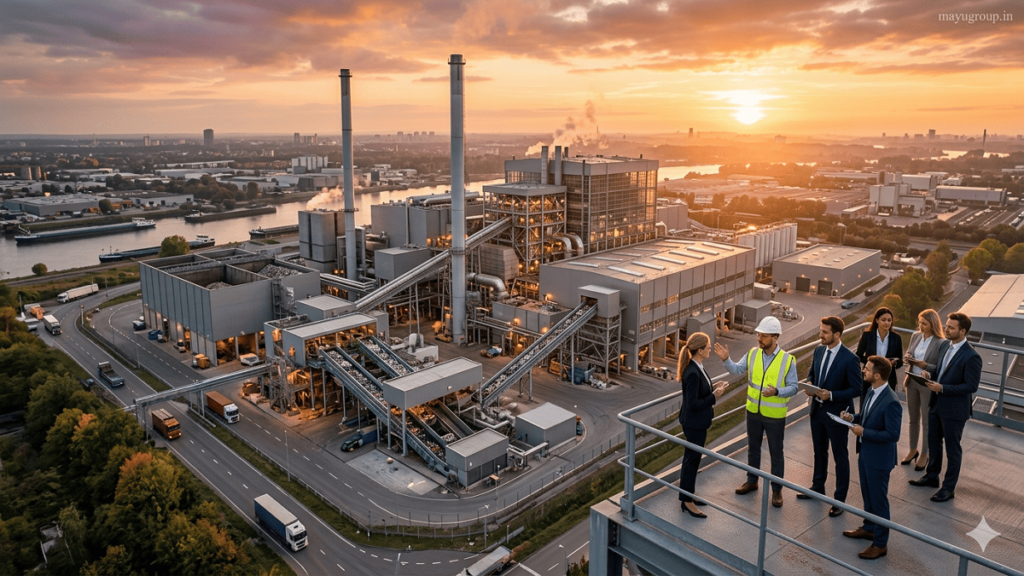
White Paper on Waste Management Investment
Executive Summary
Waste management has emerged as one of the most critical sectors for sustainable development, environmental protection, and economic growth. Rapid urbanization, population growth, industrial expansion, and increasing consumption patterns have led to unprecedented levels of waste generation worldwide. Effective investment in waste management infrastructure, technologies, and services is essential for addressing environmental challenges while creating long-term economic value.
This white paper examines the importance of waste management investment, key investment opportunities, financial returns, risks, market trends, and strategic recommendations for investors and policymakers.
Introduction
Global waste generation is expected to continue increasing over the coming decades, placing significant pressure on existing waste management systems. Traditional disposal methods, particularly uncontrolled dumping and landfill dependence, contribute to environmental degradation, greenhouse gas emissions, and public health risks.
Modern waste management focuses on resource recovery, recycling, energy generation, and circular economy principles. As governments strengthen environmental regulations and sustainability targets, investment in waste management has become an attractive opportunity for both public and private stakeholders.
Market Overview
The waste management industry encompasses a broad range of activities, including:
- Municipal solid waste collection
- Recycling and material recovery
- Electronic waste processing
- Hazardous waste treatment
- Organic waste composting
- Waste-to-energy facilities
- Landfill management
- Environmental remediation services
Growing environmental awareness and stricter regulations are driving demand for innovative waste management solutions globally. Emerging economies present particularly strong growth opportunities due to increasing urbanization and infrastructure development needs.
Investment Opportunities
Recycling and Resource Recovery
Recycling facilities convert waste materials into valuable secondary raw materials. Demand for recycled plastics, metals, paper, and glass continues to increase as manufacturers seek sustainable supply chains.
Waste-to-Energy Projects
Waste-to-energy plants transform non-recyclable waste into electricity, heat, or fuel. These projects generate revenue from both waste processing fees and energy sales, creating diversified income streams.
Organic Waste Processing
Composting and anaerobic digestion facilities process biodegradable waste into compost, biofertilizers, and biogas. Rising demand for sustainable agriculture supports market growth.
Electronic Waste Recycling
The rapid growth of electronic device consumption has created substantial opportunities for recovering valuable metals and components from discarded electronics.
Smart Waste Technologies
Artificial intelligence, Internet of Things (IoT), automation, and data analytics are transforming waste collection and processing operations. Technology-driven businesses offer scalability and operational efficiency.
Financial Benefits
Waste management investments generate returns through multiple revenue channels:
- Collection and disposal service fees
- Sale of recyclable materials
- Energy generation and distribution
- Compost and biofertilizer sales
- Carbon credits and environmental incentives
- Long-term municipal contracts
These diversified revenue streams help reduce financial risk while providing stable cash flow opportunities.
Risk Assessment
Despite strong growth potential, investors should consider several risks:
Regulatory Risk
Changes in environmental policies, licensing requirements, and compliance standards may affect project economics.
Capital Intensity
Large-scale facilities often require substantial upfront investment and extended payback periods.
Commodity Price Volatility
Revenue from recycled materials may fluctuate based on global market conditions.
Operational Risk
Equipment failures, labor shortages, and logistical challenges can impact profitability.
Community and Environmental Concerns
Public opposition and environmental compliance issues may delay project development.
Case Study: Sweden’s Waste-to-Energy Success
Sweden has become a global leader in waste management through sustained investment in recycling infrastructure and waste-to-energy facilities. Government incentives, strict landfill regulations, and advanced technology adoption have enabled the country to minimize landfill use while generating energy from waste.
The Swedish model demonstrates how supportive policy frameworks and strategic investment can create financially viable and environmentally sustainable waste management systems.
Future Outlook
Several trends are expected to shape the future of waste management investment:
- Expansion of circular economy initiatives
- Increased adoption of smart waste technologies
- Growth in renewable energy generation from waste
- Enhanced recycling and material recovery systems
- Rising ESG-focused investment activity
- Greater public-private partnership opportunities
As sustainability becomes a central component of economic development, waste management is expected to remain a high-growth investment sector.
Strategic Recommendations
Investors should:
- Prioritize projects with multiple revenue streams.
- Evaluate regulatory stability before investing.
- Focus on scalable and technology-enabled solutions.
- Consider partnerships with municipalities and governments.
- Incorporate ESG performance metrics into investment decisions.
- Diversify across waste processing, recycling, and energy recovery segments.
Conclusion
Waste management investment represents a compelling opportunity to achieve environmental sustainability while generating economic returns. Growing waste volumes, stricter regulations, technological innovation, and increasing demand for resource recovery solutions are creating favorable market conditions. Organizations that strategically invest in modern waste management infrastructure and technologies will be well positioned to benefit from the global transition toward a circular and sustainable economy.
Recommended References
- United Nations Environment Programme (UNEP)
- World Bank – Solid Waste Management
- International Solid Waste Association (ISWA)
- Organisation for Economic Co-operation and Development (OECD) Circular Economy Hub
- United Nations Sustainable Development Goals (SDGs)
- World Economic Forum – Circular Economy Initiatives
#Waste Management Investment in Kolkata
Industry Application of Waste Management Investment
Waste management investment plays a vital role across multiple industries by improving environmental performance, enhancing operational efficiency, ensuring regulatory compliance, and creating new revenue opportunities. As governments, businesses, and consumers place greater emphasis on sustainability, industries are increasingly investing in waste management systems to reduce environmental impacts and support circular economy objectives. These investments are transforming how organizations handle waste while generating both economic and environmental benefits.
Manufacturing Industry
The manufacturing sector is one of the largest producers of industrial waste, including scrap materials, packaging waste, chemicals, and production by-products. Investments in recycling systems, waste segregation technologies, and resource recovery facilities enable manufacturers to reduce disposal costs and recover valuable materials. Many companies now adopt zero-waste strategies to improve efficiency and meet sustainability targets. Recycled materials recovered from manufacturing processes can often be reused in production, reducing dependence on virgin resources and lowering operational expenses.
Construction and Infrastructure
Construction activities generate significant amounts of concrete, wood, metal, plastic, and demolition waste. Waste management investments in recycling plants and material recovery facilities allow construction companies to process and reuse construction debris. This reduces landfill usage, lowers project costs, and supports sustainable building practices. Increasingly, governments require construction firms to implement waste management plans as part of environmental compliance frameworks.
Healthcare Industry
Hospitals, clinics, laboratories, and pharmaceutical facilities produce hazardous and biomedical waste that requires specialized treatment and disposal. Investments in medical waste treatment facilities, sterilization technologies, and secure transportation systems help healthcare organizations comply with safety regulations while protecting public health and the environment. Proper waste management reduces the risk of contamination and disease transmission.
Agriculture and Food Processing
Agricultural operations and food processing facilities generate large volumes of organic waste. Investments in composting systems and anaerobic digestion plants enable the conversion of food waste, crop residues, and animal waste into compost, biofertilizers, and renewable energy. These solutions help reduce waste disposal costs while creating valuable agricultural products and alternative energy sources.
Energy and Utilities Sector
Utility companies are increasingly investing in waste-to-energy projects that convert municipal and industrial waste into electricity, heat, and fuel. These facilities provide dual benefits by reducing landfill dependence and generating renewable energy. Such investments contribute to energy diversification, carbon reduction goals, and sustainable infrastructure development.
Retail and Consumer Goods Industry
Retailers and consumer goods manufacturers generate substantial packaging waste and unsold products. Investments in recycling programs, reverse logistics systems, and sustainable packaging solutions help companies reduce waste while improving resource efficiency. Many organizations also invest in take-back programs that encourage consumers to return used products for recycling or refurbishment.
Technology and Electronics Industry
The rapid growth of electronic devices has increased the volume of electronic waste (e-waste). Investments in e-waste recycling facilities enable the recovery of valuable materials such as gold, silver, copper, and rare earth elements. Technology companies increasingly support responsible recycling initiatives to reduce environmental impacts and comply with regulatory requirements.
Environmental and Economic Benefits
Across industries, waste management investment delivers several advantages:
- Reduced waste disposal costs
- Improved regulatory compliance
- Enhanced corporate sustainability performance
- Increased resource recovery and recycling rates
- Creation of new revenue streams
- Lower environmental impact
- Improved public and stakeholder trust
Conclusion
Waste management investment has become an essential component of modern industrial operations. From manufacturing and healthcare to agriculture, construction, and technology sectors, organizations are using waste management solutions to improve efficiency, achieve sustainability goals, and generate economic value. As environmental regulations strengthen and circular economy practices expand, industry investment in waste management will continue to play a critical role in supporting sustainable growth and long-term competitiveness.
Relevant Resources
- United Nations Environment Programme (UNEP)
- World Bank – Solid Waste Management Overview
- International Solid Waste Association (ISWA)
- Organisation for Economic Co-operation and Development (OECD) – Circular Economy
- World Economic Forum – Circular Economy Initiatives
- United Nations Sustainable Development Goals (SDGs)
#Waste Management Investment in Mumbai
Ask FAQs
What is waste management investment?
Waste management investment refers to the allocation of financial resources toward waste collection, recycling, treatment, disposal, and resource recovery systems. These investments support the development of infrastructure, technologies, and services that help manage waste efficiently while reducing environmental impact and promoting sustainability.
How do waste management projects generate revenue?
Waste management projects generate revenue through multiple sources, including waste collection fees, recycling and material recovery sales, waste-to-energy production, compost sales, carbon credits, and long-term service contracts with municipalities and businesses. Diversified revenue streams help improve financial stability and investment returns.
What types of waste management businesses are most attractive to investors?
Investors are particularly interested in recycling facilities, waste-to-energy plants, electronic waste recycling companies, composting operations, hazardous waste treatment providers, and smart waste technology businesses. These sectors offer strong growth potential due to increasing environmental regulations and rising demand for sustainable solutions.
What are the major risks associated with waste management investments?
Key risks include regulatory changes, high capital requirements, fluctuating prices for recyclable materials, operational challenges, environmental compliance issues, and technological obsolescence. Conducting thorough due diligence and implementing effective risk management strategies can help mitigate these challenges.
Why is waste management investment important for sustainable development?
Waste management investment helps reduce pollution, conserve natural resources, improve public health, create jobs, and support the transition to a circular economy. It also contributes to climate change mitigation by reducing landfill emissions and promoting recycling, renewable energy generation, and resource recovery.
Table of Contents
Disclaimer
This content is provided for general informational and educational purposes only and does not constitute financial, investment, legal, or professional advice. Readers should conduct their own research or consult qualified professionals before making any investment or business decisions.