Social Crowdfunding
Social Crowdfunding is a fundraising model in which individuals, communities, or organizations collect small financial contributions from a large group of people—usually through online platforms—to support social causes, humanitarian efforts, and community development projects. Unlike investment-based crowdfunding, social crowdfunding is primarily driven by purpose, empathy, and collective responsibility rather than financial returns or rewards.
This model is widely used to address issues such as medical emergencies, disaster relief, education funding, poverty alleviation, environmental protection, and community welfare initiatives. Campaign organizers typically create a detailed story explaining the cause, funding requirement, and intended impact. Supporters contribute funds based on emotional connection, trust, and perceived social value rather than expecting monetary gain.
Social crowdfunding campaigns are commonly hosted on platforms such as GoFundMe, Ketto, and Milaap, which specialize in personal and charitable fundraising. These platforms provide tools for campaign creation, secure payment processing, sharing options, and donor engagement features that help campaigns reach a wider audience.
The process typically begins when a fundraiser creates a campaign page describing the cause, target amount, and urgency. Visual elements such as images, videos, and personal narratives are often used to build emotional appeal and credibility. Once launched, the campaign is shared across social media and other digital channels to attract donors. Contributions are collected over a defined or open-ended period until the goal is achieved or support plateaus.
One of the key advantages of social crowdfunding is its ability to mobilize funds quickly during emergencies. It enables individuals to receive financial assistance without relying solely on institutional aid or government programs. It also fosters a sense of community participation, where donors feel directly involved in creating positive social impact.
However, social crowdfunding also involves certain challenges and risks. These include lack of verification in some cases, misuse of funds, fraudulent campaigns, and transparency issues regarding fund utilization. As a result, trust in the platform and campaign authenticity plays a critical role in its effectiveness. Many platforms implement verification processes and monitoring systems to reduce these risks.
For broader context on crowdfunding models and investor protection principles, general guidance can be found through the U.S. Securities and Exchange Commission at SEC Crowdfunding Overview.
In summary, social crowdfunding is a community-driven funding approach that enables individuals to support meaningful causes through collective contributions, making it a powerful tool for social impact, emergency relief, and grassroots development.
#Social Crowdfunding in India
What is social crowdfunding?
Social crowdfunding is a method of raising money from a large number of people through online platforms to support social causes, charitable needs, or community-focused projects. Instead of seeking financial returns, contributors donate small amounts because they want to help individuals, groups, or organizations address real-life problems such as medical emergencies, education expenses, disaster relief, poverty support, or environmental initiatives.
In this model, a campaign organizer creates a fundraising page that explains the purpose of the cause, the amount of money needed, and how the funds will be used. This often includes personal stories, images, or videos to build trust and emotional connection with potential donors. Once the campaign is published, it is shared across social media, messaging apps, and other digital channels to reach a wider audience.
Social crowdfunding platforms act as intermediaries that make the process secure and transparent. They handle payment collection, provide campaign visibility, and sometimes verify the authenticity of fundraisers. Well-known platforms include GoFundMe, Ketto, and Milaap, which specialize in personal and charitable fundraising campaigns.
A key characteristic of social crowdfunding is that it is donation-based. Donors do not receive financial returns or ownership; instead, their contribution directly supports a cause. This makes it different from investment-based crowdfunding models like equity or debt crowdfunding.
The success of a social crowdfunding campaign depends heavily on storytelling, trust, and reach. Campaigns that clearly explain the urgency of the need and demonstrate transparency in fund usage are more likely to attract support. Social media plays a major role in amplifying campaigns and enabling rapid fund collection, especially during emergencies.
One of the main advantages of social crowdfunding is its ability to mobilize funds quickly and efficiently, especially in urgent situations such as medical crises or natural disasters. It also empowers individuals to seek help directly from the public without relying solely on institutions or government aid.
However, there are also challenges. These include the risk of fraudulent campaigns, misuse of funds, and lack of complete verification in some cases. Therefore, donors are encouraged to carefully evaluate campaigns before contributing.
For general reference on crowdfunding principles and guidelines, educational resources are available through the U.S. Securities and Exchange Commission at SEC Crowdfunding Overview.
In summary, social crowdfunding is a donation-based funding system where people collectively contribute money online to support social, humanitarian, and community causes, driven by empathy and collective responsibility.
#Social Crowdfunding in Maharashtra
How does social crowdfunding work?
Social crowdfunding works as a digital process where individuals or organizations raise money from a large number of people to support social, humanitarian, or personal causes. It operates through online platforms that connect fundraisers (campaign creators) with donors who want to contribute financially to meaningful causes.
The process begins when a person or organization identifies a need—such as medical treatment, disaster relief, education funding, or community support—and creates a campaign on a crowdfunding platform. This campaign includes key details like the purpose of fundraising, the target amount, timelines (if applicable), and how the funds will be used. To build trust and emotional connection, creators often include personal stories, images, videos, and supporting documents.
Once the campaign is published, it becomes publicly accessible on the platform. The organizer then shares it through social media channels, messaging apps, email, and community networks to reach potential donors. Visibility and storytelling play a crucial role in attracting contributions.
Donors visit the campaign page, read the details, and decide whether to contribute. They can typically donate any amount, depending on their willingness and capacity. Payments are processed securely through the platform using digital payment methods such as credit cards, debit cards, or online wallets.
Platforms such as GoFundMe, Ketto, and Milaap manage the technical and financial aspects of the process. They provide secure payment gateways, campaign hosting, visibility tools, and sometimes verification systems to improve credibility and trust.
There are generally two common campaign structures. Some campaigns set a fixed funding goal, where funds are collected until the target is reached. Others operate with flexible goals, where any amount raised is transferred to the organizer regardless of whether the target is met. The structure depends on the platform’s policy and the nature of the campaign.
Once donations are collected, the platform transfers the funds to the campaign organizer after deducting service fees, if applicable. The organizer is then responsible for using the funds as stated in the campaign description. In some cases, platforms require updates or proof of fund utilization to maintain transparency.
A key part of how social crowdfunding works is trust. Donors rely on the authenticity of the campaign, while platforms implement verification processes and monitoring systems to reduce fraud and misuse. Social sharing also plays a major role, as campaigns often spread rapidly through networks and communities.
For general educational context on crowdfunding systems, regulatory insights are available from the U.S. Securities and Exchange Commission at SEC Crowdfunding Overview.
In summary, social crowdfunding works by enabling individuals to create online fundraising campaigns, share them publicly, collect donations securely through platforms, and use the funds to support social or humanitarian needs, driven largely by community participation and trust.
#Social Crowdfunding in Ahemadabad
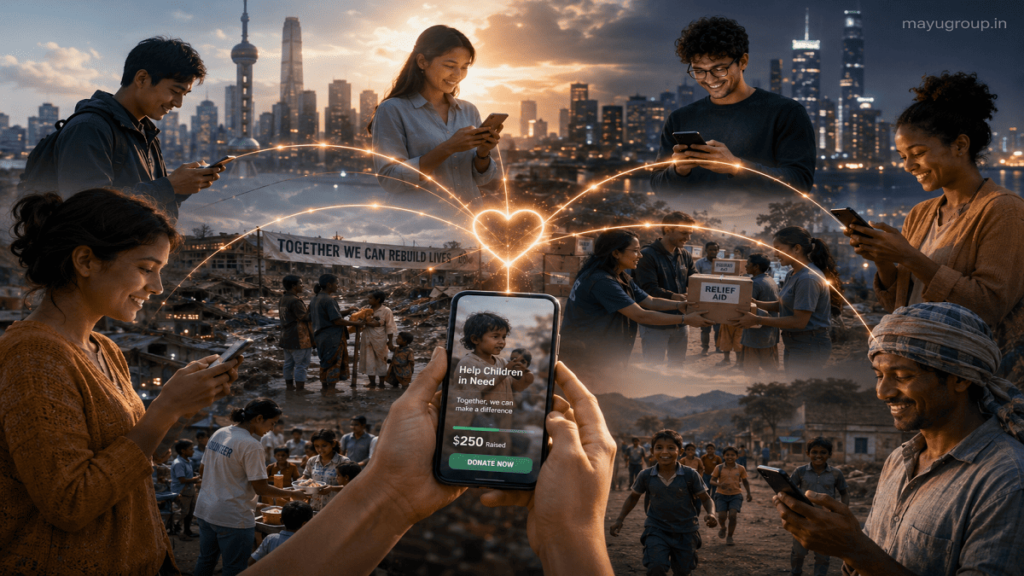
What types of causes use social crowdfunding?
Social crowdfunding is used to support a wide range of causes that rely on collective public contributions to address personal, social, and community needs. These causes are typically urgent, emotionally driven, or socially impactful, making them suitable for donation-based funding through online platforms.
One of the most common categories is medical and healthcare emergencies. Individuals often use social crowdfunding to raise money for surgeries, cancer treatments, organ transplants, long-term medication, or accident recovery costs. Since healthcare expenses can be very high and time-sensitive, crowdfunding provides quick financial support when traditional funding is not available.
Another major category is education funding. Students and families use crowdfunding to pay for tuition fees, school supplies, college expenses, or overseas education opportunities. This is especially relevant in cases where financial hardship prevents access to quality education.
Disaster relief and emergency response is another important use case. Crowdfunding campaigns are frequently launched after natural disasters such as floods, earthquakes, cyclones, or fires to support affected individuals and communities. Funds are used for food, shelter, medical aid, and rebuilding efforts.
Social crowdfunding is also widely used for poverty alleviation and basic living support. This includes helping families with rent, food expenses, unemployment support, or rehabilitation after loss of income. These campaigns aim to provide immediate relief for vulnerable individuals.
Another significant area is non-profit and community development projects. Organizations and grassroots groups use crowdfunding to support initiatives like clean water access, rural development, women empowerment programs, and educational infrastructure in underdeveloped regions.
Environmental and sustainability causes also attract crowdfunding support. These include tree plantation drives, wildlife conservation, climate action projects, and pollution control initiatives. Donors contribute because of growing awareness of environmental responsibility.
Additionally, crowdfunding is used for personal hardship and life events, such as funeral expenses, support for orphaned children, or assistance for victims of accidents or domestic crises. These campaigns are often highly emotional and rely heavily on storytelling.
Popular platforms such as GoFundMe, Ketto, and Milaap provide structured systems for hosting these campaigns, verifying requests, and collecting donations securely.
While social crowdfunding enables rapid support for important causes, it also requires transparency and trust. Platforms often implement verification checks, but donors are still encouraged to review campaigns carefully before contributing.
For general reference on crowdfunding systems and their applications, educational guidance is available from the U.S. Securities and Exchange Commission at SEC Crowdfunding Overview.
In summary, social crowdfunding supports a broad spectrum of causes including medical emergencies, education, disaster relief, poverty support, community development, environmental initiatives, and personal hardships, making it a powerful tool for collective social impact.
#Social Crowdfunding in Hyderabad
Why do people support social crowdfunding campaigns?
People support social crowdfunding campaigns primarily because they are motivated by empathy, social responsibility, and the desire to make a direct and meaningful impact on someone’s life or a community’s well-being. Unlike investment-based crowdfunding, social crowdfunding is donation-driven, meaning supporters contribute without expecting financial returns.
One of the strongest motivations is emotional connection. Many campaigns tell personal stories about individuals facing medical emergencies, financial hardship, or disaster recovery. These narratives create empathy and encourage people to contribute because they feel personally connected to the situation. Visual elements such as photos, videos, and testimonials further strengthen this emotional response.
Another key reason is social responsibility and altruism. Many donors contribute because they want to help others and believe in supporting those in need. This sense of moral duty or compassion often drives people to participate in campaigns related to healthcare, education, poverty alleviation, or disaster relief.
Urgency of need also plays a major role. Social crowdfunding campaigns often highlight time-sensitive situations such as emergency surgeries or natural disasters. The urgency encourages quick action, as donors feel their contribution can make an immediate difference.
People also support these campaigns due to community influence and social proof. When individuals see friends, family members, or a large number of other people contributing, they are more likely to participate. Social media sharing amplifies this effect, as campaigns spread rapidly across networks, increasing visibility and trust.
Another important factor is trust in transparency. Campaigns that clearly explain how funds will be used and provide regular updates tend to attract more support. Platforms such as GoFundMe, Ketto, and Milaap help build trust by offering verification systems and structured fundraising tools.
Some donors also contribute because of personal relevance or shared experiences. For example, individuals who have faced similar medical conditions or hardships may feel a stronger desire to support others going through the same situation.
Additionally, ease of access and convenience encourages participation. Online platforms allow people to donate quickly using digital payment methods without complex procedures, making it easier for spontaneous contributions.
For broader context on crowdfunding systems and public participation models, regulatory and educational resources are available through the U.S. Securities and Exchange Commission at SEC Crowdfunding Overview.
In summary, people support social crowdfunding campaigns due to empathy, urgency, social influence, trust, shared experiences, and the convenience of digital platforms, all of which combine to encourage collective action for meaningful causes.
#Social Crowdfunding in Delhi
What challenges exist in social crowdfunding?
Social crowdfunding, while highly effective for raising money for humanitarian and community causes, faces several significant challenges that impact trust, efficiency, and long-term sustainability.
One of the most critical challenges is fraud and misuse of funds. Since campaigns are often based on emotional storytelling, some individuals may exaggerate or fabricate situations to attract donations. In certain cases, even genuine campaigns may misuse funds after collection. This creates trust issues and makes donors cautious about contributing.
Another major challenge is lack of transparency and accountability. Donors want to know exactly how their contributions are used, but not all campaigns provide regular updates or detailed reporting. Without clear documentation, it becomes difficult to track whether funds were used as intended.
Verification difficulties also pose a serious issue. Although platforms try to verify campaign authenticity, it is not always possible to fully confirm every claim, especially in urgent situations like medical emergencies or disaster relief. This can lead to uncertainty among potential donors.
Campaign visibility and competition is another challenge. Thousands of campaigns are launched daily on platforms such as GoFundMe, Ketto, and Milaap. As a result, many genuine campaigns struggle to gain attention unless they have strong networks or social media reach. This creates inequality in fundraising success.
There is also the challenge of emotional fatigue among donors. Because many campaigns rely on emotional appeals, frequent exposure to urgent causes can reduce donor responsiveness over time, leading to lower engagement rates.
Delays in fund utilization and delivery of outcomes are also common. Even when funds are raised successfully, the actual impact—such as medical treatment or disaster recovery—may take time to materialize due to logistical, administrative, or external constraints.
Another issue is platform dependency and fees. Campaigns rely heavily on crowdfunding platforms for visibility and payment processing, and service fees or transaction charges can reduce the final amount received by beneficiaries.
Additionally, legal and regulatory limitations vary across countries. In some regions, crowdfunding for certain causes may face restrictions or lack clear regulatory frameworks, making governance inconsistent.
For broader context on crowdfunding systems and investor protection principles, regulatory information is available through the U.S. Securities and Exchange Commission at SEC Crowdfunding Overview.
In summary, the main challenges in social crowdfunding include fraud risk, lack of transparency, verification difficulties, visibility imbalance, donor fatigue, delays in impact delivery, platform dependency, and regulatory inconsistencies, all of which highlight the need for stronger oversight and responsible participation.
#Social Crowdfunding in Banglore
Case Study on Social Crowdfunding
Background
In many developing healthcare systems, high medical costs and limited insurance coverage create financial barriers for critical treatments such as cancer therapy, organ transplants, and emergency surgeries. Social crowdfunding has emerged as a practical solution for families who need immediate financial assistance.
One representative case involves a family raising funds for a child requiring specialized heart surgery that was unaffordable through personal savings or loans.
Campaign Setup
The family created a campaign on Ketto, clearly explaining the medical condition, treatment cost, hospital requirements, and urgency of the situation. Supporting documents such as doctor’s prescriptions, diagnostic reports, and hospital estimates were uploaded to build credibility.
A funding target was set based on estimated treatment expenses, and the campaign included emotional storytelling, highlighting the child’s condition and the financial struggles of the family.
Fundraising Strategy
Once published, the campaign was shared across social media platforms, WhatsApp networks, and community groups. Friends, relatives, and strangers contributed small amounts, demonstrating the collective nature of social crowdfunding.
The campaign gained momentum due to:
- Emotional appeal of the medical emergency
- Verified documentation on the platform
- Active sharing across digital networks
- Trust built through platform verification tools
Outcome
Within a short period, the campaign successfully reached its funding goal. The collected funds were transferred to the hospital to begin treatment. Regular updates were shared with donors, including medical progress reports, which helped maintain transparency and trust.
Impact
This case demonstrates how social crowdfunding can:
- Provide rapid financial support during emergencies
- Reduce dependency on traditional loans or institutional aid
- Enable collective community participation in life-saving causes
- Bridge gaps in healthcare affordability
It also highlights the importance of storytelling, trust, and digital reach in campaign success.
Challenges Observed
Despite success, the case also reflects common challenges in social crowdfunding:
- Dependence on social media visibility for fundraising success
- Emotional burden on families sharing personal health struggles
- Need for continuous documentation and updates to maintain trust
Conclusion
This case study shows that social crowdfunding platforms like https://www.ketto.org play a critical role in enabling fast, community-driven financial support for urgent medical needs. It demonstrates how collective small contributions can create a significant real-world impact, especially in healthcare emergencies where time and funding are critical.
#Social Crowdfunding in Pune
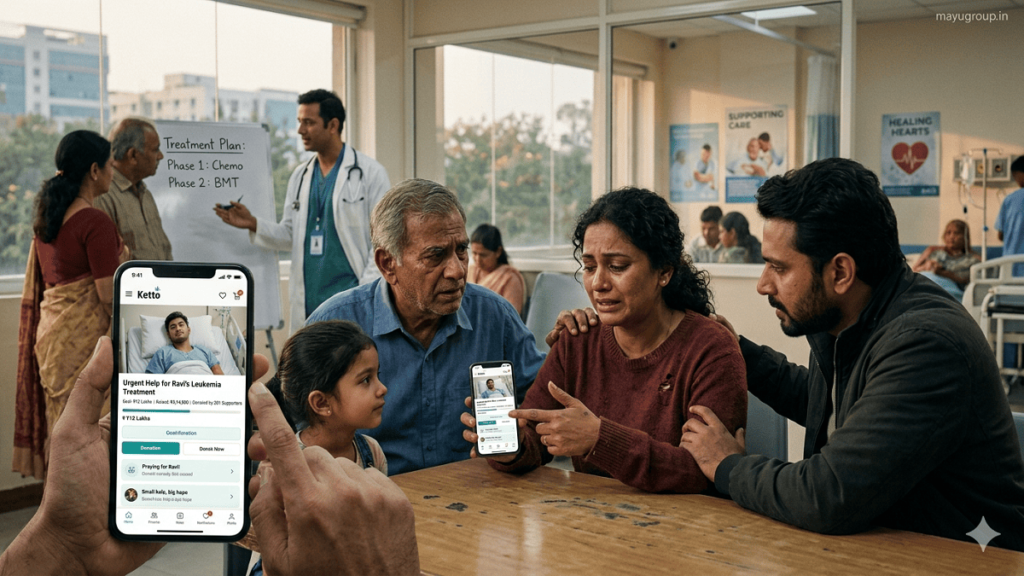
White Paper on Social Crowdfunding
1. Executive Summary
Social crowdfunding is a digital fundraising model that enables individuals, communities, and organizations to raise money from a large number of donors to support humanitarian, medical, educational, and social causes. It is primarily donation-based and driven by empathy, urgency, and collective responsibility rather than financial returns. This white paper examines its structure, ecosystem, benefits, risks, regulatory considerations, and evolving role in modern social welfare systems.
2. Introduction
Traditional funding systems for social welfare often rely on governments, NGOs, or institutional donors, which can be slow or limited in reach. Social crowdfunding addresses this gap by enabling direct public participation through online platforms. Leading platforms such as GoFundMe, Ketto, and Milaap have expanded access to rapid, decentralized fundraising.
3. Market Structure
Social crowdfunding operates through three primary stakeholders:
- Campaign Creators: Individuals or organizations raising funds for a cause
- Donors: Individuals contributing money without expecting financial returns
- Platforms: Digital intermediaries enabling campaign hosting, payment processing, and visibility
Campaigns are typically categorized into medical aid, disaster relief, education support, poverty alleviation, and community development.
4. Operational Framework
The lifecycle of a social crowdfunding campaign includes:
- Identification of need or cause
- Campaign creation with storytelling and documentation
- Publishing on a crowdfunding platform
- Promotion through social media and networks
- Fund collection through secure digital payments
- Disbursement of funds to beneficiaries
- Post-funding updates and transparency reporting
This structured process enables rapid mobilization of financial resources.
5. Value Proposition
Social crowdfunding offers several key benefits:
- Rapid Fundraising: Immediate response to emergencies
- Community Participation: Collective contribution toward social good
- Accessibility: No institutional barriers for fundraisers
- Emotional Engagement: Strong donor connection through storytelling
- Decentralized Support System: Reduces reliance on formal institutions
6. Risk and Challenges
Despite its advantages, social crowdfunding faces multiple challenges:
- Fraud and Misrepresentation: Fake or exaggerated campaigns
- Lack of Transparency: Inconsistent reporting of fund usage
- Verification Limitations: Difficulty validating urgent claims
- Donor Fatigue: Reduced engagement due to emotional overload
- Visibility Inequality: Campaign success depends on social reach
- Regulatory Gaps: Inconsistent oversight across regions
Platforms attempt to mitigate these risks through verification systems and monitoring tools, but challenges persist.
7. Regulatory and Ethical Considerations
Unlike investment-based crowdfunding, social crowdfunding is primarily donation-driven and falls under charitable or public fundraising regulations in many jurisdictions. Ethical concerns include responsible storytelling, privacy protection of beneficiaries, and honest representation of needs.
General guidance on crowdfunding transparency and risks can be referenced through the U.S. Securities and Exchange Commission at SEC Crowdfunding Overview.
8. Technological Evolution
Modern platforms use AI-based fraud detection, identity verification tools, and social media integration to enhance trust and campaign visibility. Mobile-first design and digital payment systems have significantly increased participation rates.
9. Future Outlook
The future of social crowdfunding is expected to be shaped by:
- Stronger verification and trust systems
- Integration with blockchain for transparency
- Increased NGO and government collaboration
- Expansion in emerging markets
- Improved donor analytics and personalization
10. Conclusion
Social crowdfunding represents a powerful digital mechanism for collective social impact. It enables fast, decentralized, and emotionally driven funding for urgent and long-term social needs. While challenges such as fraud, transparency, and regulatory inconsistencies remain, ongoing technological and institutional improvements are strengthening its role as a vital component of modern social welfare systems.
#Social Crowdfunding in Kolkata
Industry Application of Social Crowdfunding
Social crowdfunding has become an important funding mechanism across multiple industries that rely on public participation, emotional engagement, and rapid capital mobilization. Unlike investment-based models, its applications are centered on social impact, humanitarian relief, and community-driven development. It enables individuals and organizations to directly access public support through digital platforms such as GoFundMe, Ketto, and Milaap.
1. Healthcare and Medical Assistance
One of the most significant applications is in the healthcare sector. Social crowdfunding is widely used to raise funds for surgeries, cancer treatments, organ transplants, emergency care, and long-term medical treatments. It helps individuals and families manage high medical costs that are often not fully covered by insurance or public healthcare systems.
2. Disaster Relief and Humanitarian Aid
Social crowdfunding plays a crucial role during natural disasters such as floods, earthquakes, cyclones, and wildfires. Funds are collected quickly to provide food, shelter, medical aid, and rehabilitation support. This application allows immediate response when traditional relief systems may be delayed or insufficient.
3. Education and Student Support
Many students and families use crowdfunding to support education expenses, including tuition fees, school supplies, and higher education programs. It is especially important for underprivileged students seeking access to quality education or international study opportunities.
4. Poverty Alleviation and Basic Needs
Social crowdfunding is used to support individuals and families facing financial hardship due to unemployment, disability, or loss of income. Campaigns often focus on essentials such as food, housing, rent assistance, and daily living expenses.
5. Non-Profit and NGO Initiatives
Non-governmental organizations and social enterprises use crowdfunding to finance long-term community development projects. These include clean water access, rural infrastructure, women empowerment programs, and skill development initiatives. It helps NGOs supplement traditional funding sources.
6. Environmental and Sustainability Projects
Environmental campaigns use crowdfunding to support tree plantation drives, wildlife conservation, climate action initiatives, and pollution control efforts. These projects rely heavily on public awareness and participation, making crowdfunding an effective financing tool.
7. Community and Social Development Projects
Local communities use crowdfunding to build or repair infrastructure such as schools, community centers, and public facilities. It enables grassroots participation in development activities without relying solely on government funding.
8. Emergency Personal Support
Social crowdfunding is often used for urgent personal crises such as funeral expenses, accident recovery, or sudden family emergencies. These campaigns rely heavily on emotional storytelling and rapid response from donors.
9. Advocacy and Awareness Campaigns
Some campaigns focus on raising awareness about social issues such as mental health, gender equality, or human rights. While funds may be used for events or outreach programs, the primary goal is societal awareness and change.
Conclusion
Social crowdfunding is widely applied across healthcare, disaster relief, education, poverty support, environmental sustainability, and community development. It serves as a flexible, fast, and people-driven funding system that enables collective action for social good, bridging gaps left by traditional funding institutions.
#Social Crowdfunding in Mumbai
Ask FAQs
What is social crowdfunding?
Social crowdfunding is a donation-based fundraising method where people contribute money online to support social, medical, educational, or humanitarian causes. Donors do not receive financial returns; instead, their contributions help individuals or communities in need.
How does social crowdfunding work?
A campaign creator posts a fundraiser on a crowdfunding platform explaining the cause, funding goal, and how the money will be used. The campaign is then shared online, and donors contribute small amounts through secure payment systems. The platform collects and transfers funds to the beneficiary.
What types of causes are supported through social crowdfunding?
It is commonly used for medical emergencies, disaster relief, education funding, poverty support, community development, environmental projects, and urgent personal needs such as accidents or family crises.
Is social crowdfunding safe and trustworthy?
Most reputable platforms use verification and monitoring systems to improve trust and reduce fraud. However, donors should still review campaign details carefully, as risks such as misinformation or misuse of funds can exist.
Why do people donate to social crowdfunding campaigns?
People donate due to empathy, social responsibility, urgency of need, personal connection to the cause, and trust in transparent storytelling. Social media sharing and community influence also encourage participation.
Table of Contents
Disclaimer:
This content is for informational and educational purposes only. Social crowdfunding involves risks such as misinformation, fraud, or misuse of funds. Donors should verify campaign authenticity and use their own judgment before contributing.