NFT Investment
NFT investment refers to the process of buying, holding, and potentially selling Non-Fungible Tokens (NFTs) with the expectation of financial returns. NFTs are unique digital assets recorded on a blockchain that represent ownership of items such as digital art, music, virtual real estate, gaming items, and collectibles. Unlike cryptocurrencies such as Bitcoin or Ethereum, NFTs are non-fungible, meaning each token has a distinct value and cannot be exchanged on a one-to-one basis.
The NFT market gained significant popularity with the rise of blockchain platforms like Ethereum, which supports smart contracts that enable NFT creation and trading. Investors are attracted to NFTs due to their scarcity, digital ownership rights, and potential for high returns if demand for a particular asset increases. According to Ethereum Foundation documentation, NFTs are built using standards such as ERC-721 and ERC-1155, which define how unique digital assets are created and managed. https://ethereum.org
NFT investment typically involves purchasing assets from marketplaces such as OpenSea, Rarible, or other blockchain-based platforms. Investors may choose NFTs based on factors like creator reputation, rarity, utility, community support, and future potential use cases in gaming or the metaverse. Some NFTs also provide additional benefits such as access to exclusive events, membership perks, or in-game advantages, increasing their long-term value.
One of the key advantages of NFT investment is the potential for high returns. Early investors in popular NFT collections have seen significant appreciation in value as demand increased. NFTs also provide verifiable ownership and transparency through blockchain technology, reducing the risk of forgery or duplication.
However, NFT investment carries substantial risks. The market is highly volatile, and prices can fluctuate dramatically based on trends, speculation, and market sentiment. Liquidity is another concern, as not all NFTs can be easily resold. Additionally, the value of NFTs is often subjective and driven by demand rather than intrinsic value, making them speculative assets.
Security risks such as scams, phishing attacks, and fraudulent projects are also common in the NFT space. Investors must carefully evaluate projects and use trusted platforms to minimize risk. Regulatory uncertainty in many countries further adds to the unpredictability of NFT investments.
In conclusion, NFT investment is an emerging digital asset class that offers both high-risk and high-reward opportunities. While it provides innovative ways to own and trade digital assets, it requires careful research, risk management, and a strong understanding of blockchain technology before investing.
#NFT Investment in India
What is NFT investment?
NFT investment refers to the process of buying and holding Non-Fungible Tokens (NFTs) with the expectation that their value will increase over time, allowing investors to sell them at a profit. NFTs are unique digital assets stored on a blockchain that represent ownership of items such as digital art, music, videos, virtual real estate, gaming assets, and collectibles.
Unlike cryptocurrencies such as Bitcoin or Ethereum, which are interchangeable, NFTs are non-fungible, meaning each token is unique and cannot be exchanged on a one-to-one basis. This uniqueness is what gives NFTs their value in digital ownership and investment markets.
NFT investment usually begins with purchasing tokens from online marketplaces like OpenSea or similar blockchain platforms. Investors evaluate NFTs based on factors such as rarity, creator reputation, utility, community demand, and long-term potential. Some NFTs also provide additional benefits like access to exclusive content, membership privileges, or in-game functionality, which can increase their value.
The underlying technology behind NFTs is blockchain, most commonly Ethereum, which ensures transparency, security, and proof of ownership. Standards like ERC-721 define how NFTs are created and managed on the blockchain, making each asset verifiable and tamper-proof. https://ethereum.org
One of the main attractions of NFT investment is the possibility of high returns. Some early investors in popular NFT collections have seen significant profits as demand increased rapidly. NFTs also offer global accessibility, allowing anyone with an internet connection and a digital wallet to participate.
However, NFT investment is highly speculative and carries considerable risk. Prices are often driven by hype, trends, and market sentiment rather than intrinsic value. This leads to high volatility, where asset values can rise or fall sharply in a short time. Additionally, liquidity can be a challenge, as it may not always be easy to find buyers for certain NFTs.
Security risks such as scams, fake projects, and phishing attacks are also common in the NFT space. Investors must carefully research projects and use trusted platforms to reduce exposure to fraud.
In conclusion, NFT investment is a digital asset investment strategy based on owning unique blockchain-based tokens. While it offers innovative opportunities and high potential returns, it also requires careful analysis, risk awareness, and strong understanding of the market before investing.
#NFT Investment in Maharashtra
How do NFTs get their value?
NFTs (Non-Fungible Tokens) derive their value from a combination of digital scarcity, demand, utility, creator reputation, and market perception. Unlike traditional assets such as stocks or commodities, NFT value is not fixed or backed by physical goods. Instead, it is largely determined by how much buyers are willing to pay for a unique digital item recorded on a blockchain.
One of the most important factors is scarcity and uniqueness. Each NFT is a one-of-a-kind token or part of a limited collection. When supply is restricted, and demand is high, prices tend to increase. This principle is similar to rare collectibles in the physical world, such as limited-edition artwork or trading cards.
Another key factor is creator and brand reputation. NFTs created by well-known artists, celebrities, or established digital creators often command higher prices. Buyers place trust in recognized names because they are associated with quality, originality, and long-term cultural relevance.
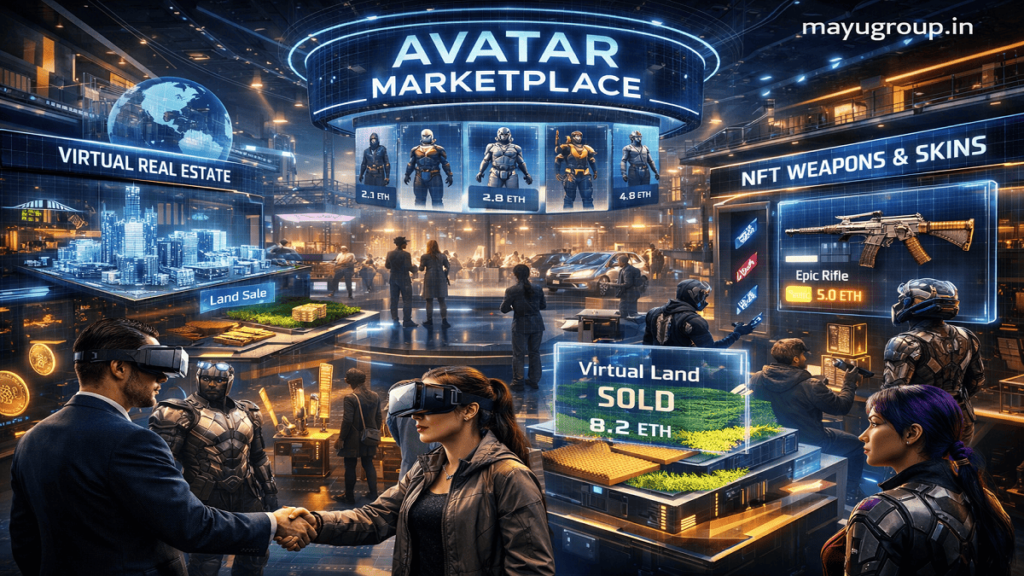
Utility and functionality also play a major role in NFT valuation. Some NFTs provide access to exclusive communities, virtual events, gaming features, or metaverse environments. For example, NFTs used in blockchain-based games can have in-game utility that increases their real-world demand and resale value.
Market demand and community sentiment are equally important. NFT prices are heavily influenced by trends, hype cycles, and social media activity. Strong communities around NFT projects can drive sustained interest, increasing both visibility and value. However, this also means prices can be highly volatile.
Rarity within a collection further affects value. Even within the same NFT series, some tokens are rarer due to unique attributes, traits, or editions. Collectors often pay premium prices for NFTs with rare characteristics.
Blockchain transparency also contributes to value. NFTs built on networks like Ethereum are verifiable and secure, allowing buyers to confirm authenticity and ownership history. According to Ethereum documentation, NFT standards such as ERC-721 ensure uniqueness and traceability of digital assets. https://ethereum.org
Finally, speculative investment behavior plays a significant role. Many buyers purchase NFTs expecting future price appreciation rather than immediate utility. This speculative demand can significantly inflate or deflate prices depending on market conditions.
In conclusion, NFT value is shaped by a mix of scarcity, creator influence, utility, community demand, and speculation. Because these factors are dynamic, NFT prices can fluctuate significantly, making them both a high-risk and high-potential digital asset class.
#NFT Investment in Ahemadabad
Why do people invest in NFTs?
People invest in NFTs (Non-Fungible Tokens) for a variety of financial, technological, and cultural reasons. NFTs represent unique digital assets stored on a blockchain, and their appeal lies in ownership, scarcity, and potential value appreciation over time.
One of the primary reasons is profit potential. Many investors are attracted to NFTs because early buyers of popular collections have seen significant returns when demand increased. Like digital collectibles, NFTs can rise in value if they become popular or culturally significant, making them attractive speculative assets.
Another key reason is digital ownership and authenticity. NFTs provide verifiable proof of ownership through blockchain technology. This ensures that buyers own a unique digital item that cannot be duplicated or forged. According to Ethereum documentation, NFT standards such as ERC-721 enable secure and transparent ownership records on the blockchain. https://ethereum.org
Collectibility and exclusivity also play a major role. Many people invest in NFTs simply because they are rare or part of limited collections. Just like physical collectibles such as rare art or trading cards, NFTs appeal to collectors who value uniqueness and exclusivity in the digital space.
Another important factor is utility and access benefits. Some NFTs offer additional value beyond ownership, such as access to exclusive online communities, events, gaming features, or metaverse platforms. These added utilities increase their attractiveness and long-term value potential.
Community and cultural participation is another strong motivator. NFT projects often have active online communities where investors feel a sense of belonging. Owning certain NFTs can also represent participation in digital culture, supporting artists, creators, or emerging blockchain projects.
Additionally, NFTs are seen as part of the broader future of digital assets and Web3 technology. Many investors believe NFTs will play a major role in digital identity, gaming, entertainment, and virtual economies. This long-term vision encourages early investment in anticipation of future growth.
However, it is important to note that NFT investment is highly speculative and volatile. Prices are often driven by hype, trends, and market sentiment rather than intrinsic value. This means investors must carefully evaluate risks before participating.
In conclusion, people invest in NFTs for profit opportunities, digital ownership, exclusivity, utility benefits, and belief in future blockchain innovation. While the potential rewards can be high, the risks are equally significant, making research and caution essential.
#NFT Investment in Hyderabad
What are the risks of NFT investing?
NFT investing has gained popularity due to its potential for high returns and digital ownership benefits, but it also carries significant risks. Unlike traditional investments, NFTs are highly speculative and their value is often driven by market sentiment rather than intrinsic fundamentals.
One of the biggest risks is high market volatility. NFT prices can rise rapidly due to hype or trends and fall just as quickly when interest declines. This makes the market unpredictable and unsuitable for risk-averse investors.
Another major concern is lack of liquidity. Unlike stocks or cryptocurrencies that can be traded easily, NFTs may take time to sell. In some cases, there may be no buyers at all, leaving investors stuck with assets they cannot convert into cash quickly.
Speculative valuation is also a key risk. The value of NFTs is often based on perception, rarity, or popularity rather than tangible financial performance. This means prices can be heavily influenced by trends, influencers, or social media hype rather than real utility or income generation.
Security risks are another serious issue. NFT investors are exposed to scams, phishing attacks, and fraudulent projects. Fake NFT collections and malicious links can lead to loss of funds or digital assets if proper precautions are not taken. According to Ethereum documentation, blockchain transactions are irreversible, meaning lost assets cannot be recovered easily. https://ethereum.org
There is also regulatory uncertainty. Many countries are still developing legal frameworks for NFTs and digital assets. This lack of clear regulation creates uncertainty around taxation, ownership rights, and investor protection.
Another risk is technological dependency. NFTs rely on blockchain platforms, digital wallets, and marketplaces. Any failure, hack, or shutdown of these platforms can negatively impact access to assets or their value.
Additionally, project failure risk is common. Many NFT projects are launched without long-term sustainability or utility. If the community loses interest or the project fails to deliver promised features, the NFT value can drop significantly or become worthless.
Finally, there is the risk of emotional and hype-driven investing. Many investors enter the NFT market based on fear of missing out (FOMO), leading to poor decision-making and financial losses.
In conclusion, NFT investing carries risks such as volatility, illiquidity, scams, regulatory uncertainty, and speculative pricing. While it offers innovation and potential rewards, investors must conduct thorough research and apply strong risk management before participating in the NFT market.
#NFT Investment in Pune
How can beginners buy NFTs?
Buying NFTs (Non-Fungible Tokens) may seem complex at first, but the process becomes straightforward once you understand the basic steps. NFTs are digital assets stored on a blockchain, and they are usually purchased through specialized online marketplaces using cryptocurrency.
1. Set Up a Crypto Wallet
The first step for beginners is to create a digital wallet that supports NFTs. Popular wallets include MetaMask, Trust Wallet, and Coinbase Wallet. This wallet stores your cryptocurrencies and NFTs securely and connects you to NFT marketplaces. During setup, you will receive a private key or seed phrase, which must be kept safe as it controls access to your funds.
2. Add Cryptocurrency to Your Wallet
Most NFTs are purchased using cryptocurrencies like Ethereum (ETH). After setting up your wallet, you need to buy crypto from an exchange such as Binance, Coinbase, or Kraken and transfer it to your wallet. This balance will be used to purchase NFTs and pay transaction fees (gas fees).
3. Choose an NFT Marketplace
Next, beginners should select a trusted NFT marketplace. Popular platforms include OpenSea, Rarible, and Foundation. These platforms allow users to browse, buy, and sell NFTs across categories such as digital art, collectibles, music, and gaming assets. According to Ethereum documentation, NFTs are typically built on standards like ERC-721 and ERC-1155, ensuring uniqueness and ownership verification. https://ethereum.org
4. Browse and Select an NFT
Once connected to a marketplace, users can explore different NFT collections. It is important to research the project, creator, rarity, and community before making a purchase. Beginners should avoid impulsive buying based on hype and instead focus on long-term value and utility.
5. Purchase the NFT
After selecting an NFT, click the “Buy Now” or auction option. Confirm the transaction through your wallet. You will need to pay the NFT price plus gas fees for blockchain processing. Once the transaction is completed, the NFT is transferred to your wallet.
6. Store or Trade Your NFT
After purchase, the NFT is stored in your digital wallet. Beginners can choose to hold it as a long-term investment, use it in games or platforms, or resell it later on the marketplace depending on market conditions.
Conclusion
For beginners, buying NFTs involves setting up a wallet, purchasing cryptocurrency, choosing a marketplace, and making a secure transaction. While the process is simple, careful research and security awareness are essential to avoid scams and make informed investment decisions in the NFT space.
#NFT Investment in Banglore
Case Study of NFT Investment
NFT investment has emerged as a significant part of the digital asset ecosystem, offering both high-risk and high-reward opportunities. A practical case study helps illustrate how NFT investments work in real market conditions and what factors influence success or failure.
Background
Consider an early investor who entered the NFT market in 2021 during the rapid growth phase of digital collectibles. The investor focused on a popular NFT collection launched on the Ethereum blockchain, consisting of a limited set of 10,000 unique digital artworks. Each NFT in the collection had different traits, rarity levels, and visual attributes, which influenced its market value.
Initial Investment
The investor purchased multiple NFTs at a mint price of approximately 0.08 ETH per token. At the time, the project gained traction due to strong community engagement, social media buzz, and celebrity endorsements. The investor’s decision was based on scarcity, creator reputation, and perceived long-term utility within the ecosystem.
According to Ethereum documentation, NFTs are created using standards such as ERC-721, which ensures uniqueness and verifiable ownership on the blockchain. https://ethereum.org
Market Growth Phase
Within a few months, the NFT collection gained massive popularity. Demand increased significantly, leading to a sharp rise in floor prices. Some NFTs from the collection were resold for multiple ETH, generating substantial returns for early investors. The growth was driven largely by speculation, community hype, and fear of missing out (FOMO), which are common in NFT markets.
The investor sold a portion of holdings at a profit while retaining a few rare NFTs, anticipating further appreciation based on scarcity and community strength.
Market Correction Phase
After the initial hype cycle, the NFT market experienced a slowdown. Trading volumes decreased, and prices for many collections declined sharply. Some NFTs lost a significant portion of their peak value due to reduced demand and market saturation. This highlighted the volatility and speculative nature of NFT investments.
However, rare NFTs within the collection retained relatively higher value due to limited supply and continued community interest.
Key Learnings
This case study highlights several important insights:
- Early entry can lead to high returns in trending NFT projects
- Market sentiment and hype strongly influence NFT prices
- Rarity and community support play a major role in value retention
- NFT markets are highly volatile and cyclical
- Profit realization often depends on timely exit strategies
Conclusion
The NFT investment case study demonstrates both the profit potential and risks associated with digital assets. While early investors can achieve significant gains, market volatility and speculative behavior can also lead to sharp declines. Therefore, NFT investing requires careful research, timing, and risk management.
#NFT Investment in Delhi
White Paper of NFT Investment
1. Introduction
NFT (Non-Fungible Token) investment refers to the acquisition of unique digital assets recorded on a blockchain with the expectation of financial returns or utility value. NFTs represent ownership of digital or tokenized real-world assets such as art, music, gaming items, virtual land, and collectibles. Unlike cryptocurrencies, NFTs are non-interchangeable and derive value from uniqueness and demand.
2. Concept and Technology Framework
NFTs are built on blockchain technology, primarily Ethereum, using token standards such as ERC-721 and ERC-1155. These standards ensure uniqueness, ownership verification, and transferability. Each NFT has a distinct identifier and metadata that cannot be replicated, making it suitable for digital ownership.
According to Ethereum documentation, NFTs enable provable scarcity and transparent ownership in decentralized ecosystems. https://ethereum.org
3. Investment Mechanism
NFT investment involves purchasing tokens through marketplaces such as OpenSea, Rarible, or other blockchain-based platforms. Investors evaluate NFTs based on factors such as rarity, creator reputation, utility, community strength, and market demand. NFTs can be held for long-term appreciation or traded in secondary markets for profit.
4. Key Drivers of Value
The value of NFTs is influenced by:
- Scarcity and uniqueness
- Creator or brand reputation
- Utility (gaming, access, membership benefits)
- Community engagement and demand
- Market speculation and trends
- Historical transaction data and rarity traits
5. Industry Applications
NFT investment spans multiple industries including digital art, gaming, real estate (virtual and physical tokenization), entertainment, sports collectibles, and luxury branding. These applications enhance NFT utility and broaden investment opportunities.
6. Advantages of NFT Investment
- Ownership of unique digital assets
- High return potential in early-stage projects
- Transparent and verifiable transactions
- Global accessibility and decentralized markets
- Additional utility such as gaming or membership benefits
7. Risks and Challenges
NFT investment carries significant risks:
- High market volatility and price fluctuations
- Low liquidity in certain assets
- Speculative pricing driven by hype
- Security risks such as scams and phishing
- Regulatory uncertainty in global markets
- Dependency on platform and blockchain ecosystems
8. Market Trends
The NFT market has evolved from digital art collectibles to utility-driven assets integrated into gaming, metaverse platforms, and brand ecosystems. Institutional interest is growing, but the market remains highly cyclical and sentiment-driven. Regulatory frameworks are still developing across jurisdictions.
9. Conclusion
NFT investment represents an emerging digital asset class combining technology, creativity, and speculation. While it offers innovative ownership models and potential financial returns, it also requires careful risk assessment, research, and long-term strategic planning. Its future depends on broader adoption, utility expansion, and regulatory clarity.
#NFT Investment in Kolkata

Industry Application of NFT Investment
NFT investment is no longer limited to digital art and collectibles. Over time, Non-Fungible Tokens have expanded into multiple industries, creating new opportunities for ownership, monetization, and digital transformation. NFTs are increasingly being used as investment assets across sectors due to their uniqueness, transparency, and blockchain-based verification.
1. Art and Creative Industry
The art industry was the first major adopter of NFTs. Digital artists now tokenize their artwork as NFTs, allowing them to sell directly to global buyers without intermediaries. Investors purchase these NFTs as digital collectibles, often speculating on future appreciation based on artist reputation, rarity, and cultural value. This has created a new investment class in digital art ownership.
2. Gaming Industry
The gaming sector is one of the fastest-growing applications of NFT investment. In blockchain-based games, in-game assets such as characters, weapons, skins, and land are represented as NFTs. Players and investors can buy, sell, and trade these assets in secondary markets. According to Ethereum documentation, NFT standards like ERC-721 enable unique asset ownership in gaming ecosystems. https://ethereum.org
3. Real Estate (Virtual and Physical)
NFTs are increasingly used in both virtual and physical real estate markets. In virtual worlds (metaverse platforms), land parcels are tokenized as NFTs and sold to investors. In some cases, real-world property ownership records are also being linked to NFTs for transparency and simplified transfer processes. Investors see this as a long-term opportunity in digital and hybrid real estate markets.
4. Entertainment and Media
The entertainment industry uses NFTs for music, films, and exclusive content distribution. Artists and creators tokenize albums, concert tickets, and behind-the-scenes content as NFTs. Investors purchase these assets expecting value appreciation based on popularity, exclusivity, and fan demand. NFTs also help creators earn royalties from secondary sales.
5. Sports Industry
Sports organizations and athletes use NFTs for collectibles such as digital trading cards, highlight clips, and fan tokens. These NFTs allow fans to invest in their favorite teams or players while also participating in exclusive experiences. Sports NFTs often gain value due to strong fan communities and limited edition releases.
6. Fashion and Luxury Brands
Luxury brands are entering the NFT space by offering digital fashion items and authentication certificates for physical goods. NFT-based ownership helps verify authenticity and reduce counterfeiting. Investors are drawn to branded NFT collections due to exclusivity and brand value.
Conclusion
NFT investment has expanded across multiple industries including art, gaming, real estate, entertainment, sports, and fashion. Its ability to represent ownership of unique digital and real-world assets makes it a powerful tool for innovation and investment. However, its value remains highly dependent on market demand, adoption, and long-term utility across these industries.
#NFT Investment in Mumbai
Ask FAQs
What is NFT investment?
NFT investment is the process of buying and holding Non-Fungible Tokens (NFTs) with the expectation that their value will increase over time. NFTs represent unique digital assets such as art, music, gaming items, and virtual real estate stored on a blockchain.
How do NFTs generate value for investors?
NFT value is driven by factors like rarity, creator reputation, utility, community demand, and market trends. Some NFTs also gain value through speculation and increased popularity in digital communities.
Is NFT investment safe?
NFT investment is highly risky and volatile. Prices can fluctuate sharply, and there is no guaranteed return. Risks also include scams, phishing attacks, and loss of funds if proper security measures are not followed.
How can beginners start investing in NFTs?
Beginners need to set up a crypto wallet, purchase cryptocurrency (usually Ethereum), choose an NFT marketplace like OpenSea, and then buy NFTs after researching the project carefully.
Can NFTs be resold for profit?
Yes, NFTs can be resold on secondary marketplaces. If demand increases or the NFT becomes rare or popular, investors may sell it at a higher price. However, resale value is not guaranteed.
Table of Contents
Disclaimer:
The information provided is for general informational and educational purposes only and does not constitute financial, investment, or legal advice. Readers should conduct their own research or consult a qualified professional before making any investment decisions.