Energy Grants
Energy Grants are financial support programs provided by governments, international organizations, and institutions to promote the development, adoption, and efficiency of energy systems. These grants are typically designed to encourage clean energy solutions, improve energy access, and reduce environmental impact by supporting projects in renewable energy, energy efficiency, and sustainable infrastructure.
They are commonly used to fund initiatives such as solar and wind energy installations, rural electrification projects, smart grid development, energy-efficient building upgrades, and research into advanced energy technologies. Energy grants may be awarded to individuals, businesses, research institutions, or public sector organizations depending on the program’s objectives.
Eligibility for energy grants often depends on factors such as project type, environmental impact, innovation potential, and alignment with national or global sustainability goals. Many programs prioritize clean energy transitions and carbon reduction efforts.
Overall, energy grants play a critical role in accelerating the shift toward sustainable energy systems, supporting innovation in the energy sector, and helping countries achieve long-term environmental and economic sustainability goals.
#Energy Grants in India
What are Energy Grants?
Energy grants are financial assistance programs provided by governments, public agencies, international organizations, and sometimes private foundations to support projects related to energy production, distribution, efficiency, and sustainability. Unlike loans, energy grants do not require repayment, making them a key policy tool for encouraging investment in clean energy technologies and improving overall energy access.
These grants are primarily designed to promote the development and adoption of renewable and efficient energy systems. They are commonly used to fund solar power installations, wind energy projects, hydroelectric systems, and bioenergy initiatives. In addition, energy grants also support energy efficiency improvements in homes, industries, and public infrastructure, such as upgrading lighting systems, improving insulation, or modernizing power grids.
A major objective of energy grants is to reduce dependence on fossil fuels and lower greenhouse gas emissions. By financially supporting clean energy projects, governments aim to accelerate the transition toward sustainable energy systems and address climate change challenges. These programs also help improve energy security by diversifying energy sources and reducing reliance on imported fuels.
Energy grants are awarded to a wide range of beneficiaries, including individuals, businesses, research institutions, non-profit organizations, and government bodies. For example, homeowners may receive grants for installing rooftop solar panels, while companies may obtain funding for developing innovative clean energy technologies. Research institutions often use energy grants to explore advanced solutions such as battery storage systems, smart grids, and hydrogen fuel technologies.
Eligibility criteria vary depending on the program but typically include project feasibility, environmental impact, innovation potential, and alignment with national energy policies. Applicants are often required to submit detailed proposals outlining technical plans, cost estimates, and expected environmental benefits.
Globally, energy grant programs are supported by organizations such as the International Energy Agency (IEA), which promotes clean energy transitions and policy development. International Energy Agency In the United States, for instance, the Department of Energy provides funding for research and renewable energy projects. U.S. Department of Energy In India, various initiatives under the Ministry of New and Renewable Energy (MNRE) support solar, wind, and other renewable energy projects. Ministry of New and Renewable Energy
Overall, energy grants play a crucial role in driving the global transition toward cleaner, more efficient, and sustainable energy systems while supporting innovation and reducing environmental impact.
#Energy Grants in Maharashtra
How do energy grants support renewable and clean energy projects?
Energy grants play a central role in accelerating the development and adoption of renewable and clean energy projects by reducing financial barriers, encouraging innovation, and supporting large-scale infrastructure deployment. These grants, provided by governments, international agencies, and public-private partnerships, help bridge the gap between early-stage clean energy technologies and commercially viable solutions.
One of the most important ways energy grants support renewable energy projects is through capital cost reduction. Renewable energy systems such as solar panels, wind turbines, and energy storage systems often require high upfront investment. Grants partially or fully fund these initial costs, making projects financially feasible for households, businesses, and public institutions. This accelerates adoption of clean energy technologies, especially in regions where private investment alone may be insufficient.
Energy grants also promote research and innovation in clean energy technologies. Funding is provided to universities, laboratories, and private companies to develop advanced solutions such as high-efficiency solar cells, next-generation batteries, hydrogen fuel systems, and smart grid technologies. These innovations improve energy efficiency, reduce costs, and increase the reliability of renewable energy systems.
Another key contribution is support for infrastructure development. Grants are used to build renewable energy plants, modernize electrical grids, and expand rural electrification projects. For example, rural communities often benefit from solar microgrids funded through energy grants, which provide reliable electricity where traditional grid access is limited. This improves quality of life and enables economic development in underserved areas.
Energy grants also support policy-driven clean energy transitions. Governments use these programs to achieve climate targets, reduce carbon emissions, and shift away from fossil fuel dependency. Grants incentivize industries to adopt cleaner production methods and comply with environmental regulations. In many cases, funding is tied to measurable sustainability outcomes such as emission reductions or energy efficiency improvements.
In addition, energy grants encourage private sector participation and public-private partnerships. By reducing investment risk, grants attract private companies to invest in renewable energy projects that might otherwise be considered too costly or uncertain. This collaboration helps scale up clean energy deployment more quickly and efficiently.
Globally, organizations such as the International Energy Agency (IEA) highlight the importance of financial incentives in achieving net-zero energy goals. International Energy Agency In the United States, the Department of Energy funds a wide range of clean energy research and deployment programs. U.S. Department of Energy In India, the Ministry of New and Renewable Energy (MNRE) supports solar, wind, and other renewable initiatives through targeted grant programs. Ministry of New and Renewable Energy
Overall, energy grants are essential for accelerating the transition to sustainable energy systems by enabling innovation, reducing financial risks, expanding infrastructure, and supporting widespread adoption of renewable energy technologies.
#Energy Grants in Ahmedabad
What types of energy projects receive grant funding?
Energy grants are allocated to a wide range of projects that support the development, adoption, and improvement of sustainable energy systems. These grants are typically designed to promote renewable energy, improve energy efficiency, enhance infrastructure, and accelerate innovation in clean energy technologies. Governments, international organizations, and research institutions prioritize projects that contribute to reduced carbon emissions and long-term energy sustainability.
One of the most common categories is renewable energy generation projects. These include solar power plants, wind farms, hydroelectric systems, and biomass energy facilities. Grants in this category help cover installation costs, feasibility studies, and expansion of renewable energy capacity. They are essential for increasing the share of clean energy in national and regional power grids.
Another major category is energy efficiency projects. These initiatives focus on reducing energy consumption in residential, commercial, and industrial settings. Examples include upgrading building insulation, installing energy-efficient lighting systems, modernizing heating and cooling systems, and improving manufacturing processes to reduce energy waste. Such projects help lower energy costs and reduce environmental impact.
Research and development (R&D) projects also receive significant grant funding. Universities, laboratories, and private companies use these funds to develop advanced energy technologies such as next-generation batteries, hydrogen fuel systems, carbon capture and storage technologies, and smart grid solutions. These innovations are critical for improving energy storage, distribution, and sustainability.
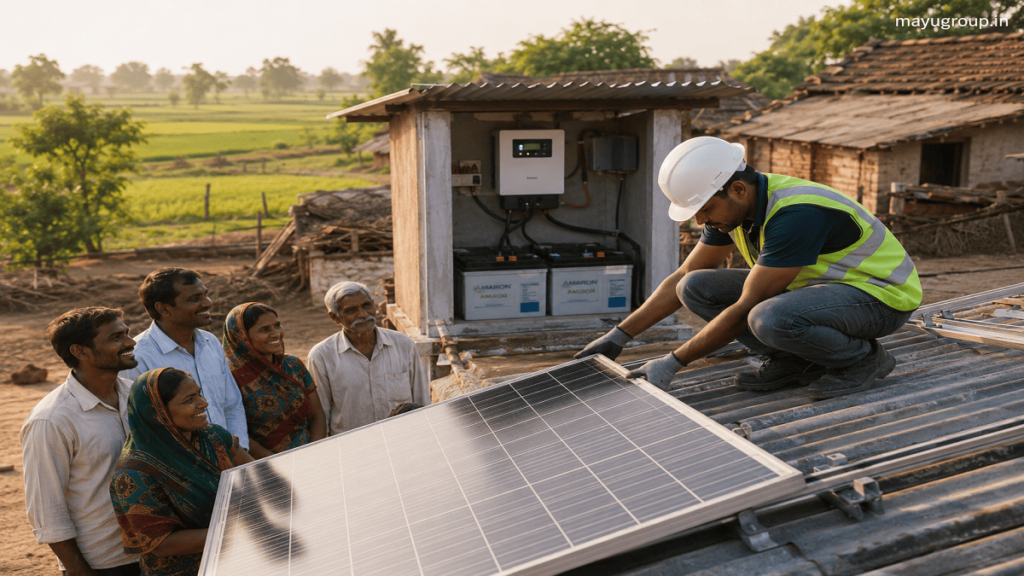
Energy grants are also used for rural electrification and off-grid energy projects. These initiatives aim to provide reliable electricity to remote or underserved communities through solar microgrids, wind-diesel hybrid systems, and decentralized renewable energy solutions. Such projects improve quality of life and support economic development in rural areas.
In addition, smart grid and energy infrastructure modernization projects receive funding. These projects involve upgrading transmission and distribution systems to improve efficiency, reliability, and integration of renewable energy sources. Smart meters, digital monitoring systems, and automated grid management tools are commonly supported under these grants.
Another important category includes transportation energy transition projects, such as electric vehicle (EV) infrastructure development, charging station networks, and research into alternative fuels. These projects aim to reduce emissions in the transportation sector and promote cleaner mobility solutions.
Globally, organizations such as the International Energy Agency (IEA) emphasize the importance of funding diverse energy projects to achieve global climate goals. International Energy Agency In India, the Ministry of New and Renewable Energy (MNRE) supports multiple renewable energy initiatives, including solar, wind, and rural electrification projects. Ministry of New and Renewable Energy In the United States, the Department of Energy funds a broad range of clean energy research and deployment programs. U.S. Department of Energy
Overall, energy grant funding is directed toward projects that advance renewable energy production, improve efficiency, strengthen infrastructure, and support innovation across the entire energy ecosystem.
#Energy Grants in Hyderabad
Who is eligible for energy grants?
Eligibility for energy grants depends on the specific funding program, the type of energy project, and the policy objectives of the organization providing the grant. In general, energy grants are designed to support individuals, businesses, research institutions, and government bodies that are actively involved in developing or adopting clean, efficient, and sustainable energy solutions.
For individual applicants, eligibility often includes homeowners or small property owners who want to install renewable energy systems such as rooftop solar panels, solar water heaters, or energy-efficient appliances. These grants are usually targeted at reducing household energy costs and encouraging adoption of clean energy technologies. Applicants may need to meet criteria such as income level, property ownership, or location-based requirements, especially in rural or underdeveloped regions.
Businesses and industries are also key beneficiaries of energy grants. Companies working in manufacturing, construction, transportation, and technology may qualify for funding to improve energy efficiency, reduce emissions, or transition to renewable energy sources. Eligibility typically depends on the project’s environmental impact, scalability, and alignment with national sustainability goals. Small and medium-sized enterprises (SMEs) are often prioritized to encourage wider participation in clean energy adoption.
For research institutions and universities, eligibility is usually based on academic credibility, research capacity, and project relevance. These organizations receive grants to develop innovative energy technologies such as advanced batteries, hydrogen fuel systems, smart grids, and carbon capture solutions. Applicants are required to submit detailed research proposals outlining objectives, methodology, and expected environmental or technological outcomes.
Non-profit organizations and NGOs may also qualify for energy grants, particularly when working on community-based renewable energy projects, rural electrification, or climate change mitigation initiatives. These organizations often focus on improving energy access for underserved populations and promoting awareness of sustainable energy practices.
In addition, government agencies and public sector bodies are major recipients of energy grants. They use this funding to implement large-scale infrastructure projects such as renewable energy plants, national grid modernization, and public transportation electrification programs. These projects are usually aligned with national energy policies and climate commitments.
In India, eligibility for various renewable energy and sustainability-related grants is often governed by programs under the Ministry of New and Renewable Energy (MNRE), which supports individuals, institutions, and industries involved in clean energy adoption. Ministry of New and Renewable Energy Globally, organizations such as the International Energy Agency (IEA) highlight funding frameworks that encourage participation from both public and private sectors in energy transition initiatives. International Energy Agency In the United States, the Department of Energy provides grants to a wide range of applicants, including researchers, companies, and local governments focused on clean energy development. U.S. Department of Energy
Overall, eligibility for energy grants is broad and inclusive, aiming to support all stakeholders contributing to the development of sustainable energy systems and the global transition toward cleaner, more efficient energy use.
#Energy Grants in Delhi
What challenges exist in securing energy grants?
Securing energy grants can provide significant financial and technical support for renewable and clean energy projects, but the process is often complex and highly competitive. Applicants—including individuals, businesses, research institutions, and public organizations—face several challenges that can limit access to funding, even when projects align with sustainability goals.
One of the primary challenges is high competition for limited funding. Energy grants are in high demand due to the global shift toward clean energy and climate change mitigation. As a result, funding agencies receive far more applications than they can support, leading to strict selection processes where only the most innovative, impactful, or scalable projects are approved.
Another major barrier is complex application requirements. Applicants are often required to submit detailed technical proposals, financial breakdowns, environmental impact assessments, and long-term implementation plans. For research and large-scale infrastructure projects, the documentation can be highly technical, making it difficult for smaller organizations or first-time applicants to meet expectations without expert guidance.
Strict eligibility criteria also create challenges. Many energy grants are restricted based on project type, geographic location, emissions reduction potential, or alignment with specific policy goals such as net-zero targets. Even minor deviations from eligibility requirements can result in immediate disqualification, regardless of project quality.
A significant issue is lack of technical expertise and proposal-writing capacity. Many small businesses, rural organizations, and community groups have strong project ideas but lack the skills to prepare competitive grant applications. This creates an imbalance where larger institutions with dedicated grant-writing teams are more likely to secure funding.
Funding delays and administrative bottlenecks can also hinder access. Even after approval, disbursement of funds may be delayed due to multi-stage verification processes, compliance checks, or bureaucratic approvals. These delays can slow down project execution and increase operational costs.
Another challenge is compliance and reporting obligations. Grant recipients are often required to submit periodic progress reports, financial audits, and performance evaluations. Meeting these requirements demands administrative resources and technical monitoring systems, which can be burdensome for smaller organizations.
Additionally, lack of awareness and information gaps prevent many eligible applicants from applying in the first place. In rural or underdeveloped regions, limited access to updated information about available grants reduces participation in energy programs.
Organizations such as the International Energy Agency (IEA) emphasize that while funding is essential for clean energy transition, administrative complexity and access barriers remain key obstacles globally. International Energy Agency In India, programs under the Ministry of New and Renewable Energy (MNRE) aim to support renewable adoption, but applicants still face procedural and documentation challenges. Ministry of New and Renewable Energy In the United States, the Department of Energy also reports that competitive funding cycles and compliance requirements can limit participation for smaller applicants. U.S. Department of Energy
Overall, while energy grants are crucial for advancing sustainable energy systems, challenges such as competition, complexity, eligibility constraints, and administrative burdens continue to affect equitable access and timely implementation.
#Energy Grants in Banglore
Case Study of Energy Grants
1. Introduction
Energy grants are essential policy tools used to promote renewable energy adoption, improve energy efficiency, and reduce carbon emissions. A leading international example is Germany’s KfW Energy Efficiency Program, implemented through the state-owned development bank KfW. This program demonstrates how structured financial incentives can transform national energy consumption patterns and accelerate the transition to a low-carbon economy.
2. Background and Objectives
Germany has long pursued an ambitious energy transition strategy known as the Energiewende, aimed at reducing greenhouse gas emissions and increasing reliance on renewable energy sources. The KfW energy grant system was introduced to support this transition by funding energy-efficient housing, industrial upgrades, and renewable energy integration.
Key objectives include:
- Reducing national energy consumption
- Improving building energy efficiency
- Expanding renewable energy usage
- Lowering CO₂ emissions
- Supporting climate-friendly infrastructure development
3. Program Structure and Funding Model
The KfW program provides a mix of grants, low-interest loans, and repayment subsidies for energy-related projects. While not always direct grants, many components function similarly by reducing financial burden on applicants.
Funding is commonly used for:
- Energy-efficient home construction and renovation
- Installation of solar panels and heating systems
- Industrial energy optimization projects
- Smart building technologies and insulation upgrades
Applicants apply through banks or approved financial institutions, and funding is disbursed based on project compliance with strict energy performance standards.
4. Implementation Approach
The program operates through collaboration between government agencies, financial institutions, engineers, and certified energy consultants. Before approval, projects are evaluated based on energy savings potential and environmental impact. Post-implementation inspections ensure compliance with efficiency standards.
This structured process ensures accountability and long-term effectiveness of funded projects.
5. Impact and Outcomes
The KfW energy grant system has produced significant national and environmental benefits:
- Large-scale modernization of residential and commercial buildings
- Substantial reduction in energy consumption across sectors
- Increased adoption of renewable heating and solar technologies
- Strong stimulation of green construction and retrofit industries
- Job creation in energy auditing, construction, and renewable sectors
The program is widely recognized as one of the most successful energy efficiency financing models in Europe.
6. Challenges
Despite its success, the program faces several challenges:
- High administrative and technical compliance requirements
- Complexity in application and certification processes
- Dependence on certified energy consultants, increasing costs
- Uneven participation among small property owners due to awareness gaps
These challenges highlight the importance of balancing technical rigor with accessibility.
7. Global Relevance
International organizations such as the International Energy Agency (IEA) emphasize that financial incentives like grants and subsidies are critical for achieving global climate targets and scaling clean energy technologies.
International Energy Agency
Similarly, countries like India are developing comparable programs under the Ministry of New and Renewable Energy (MNRE) to promote solar and renewable adoption.
Ministry of New and Renewable Energy
The United States Department of Energy also supports comparable energy efficiency and clean energy funding initiatives.
U.S. Department of Energy
8. Conclusion
Germany’s KfW Energy Efficiency Program illustrates how structured energy grants and financial incentives can transform national energy systems. By reducing financial barriers and enforcing strong efficiency standards, the program has successfully driven large-scale adoption of sustainable energy practices and serves as a global model for energy transition funding strategies.
#Energy Grants in Pune

White Paper on Energy Grants
1. Executive Summary
Energy grants are non-repayable financial instruments designed to accelerate the development and adoption of renewable energy, improve energy efficiency, and support the transition toward low-carbon economies. These grants are used by governments, international organizations, and development agencies to fund projects ranging from solar and wind energy installations to smart grids, energy storage systems, and industrial efficiency upgrades. This white paper outlines the structure, objectives, implementation frameworks, challenges, and strategic importance of energy grants in advancing global sustainability goals.
2. Introduction
The global energy sector is undergoing a structural transformation driven by climate change concerns, rising energy demand, and technological innovation. Energy grants play a crucial role in enabling this transition by reducing financial barriers to clean energy adoption. Unlike loans, grants provide direct funding support without repayment obligations, making them especially effective in promoting early-stage innovation and large-scale deployment of renewable energy systems.
For global context on clean energy transition efforts, see the International Energy Agency (IEA):
International Energy Agency
3. Objectives of Energy Grants
Energy grants are designed to achieve multiple strategic objectives:
- Promote renewable energy adoption and diversification
- Reduce greenhouse gas emissions and environmental impact
- Improve energy access in underserved regions
- Support innovation in clean energy technologies
- Enhance energy efficiency in industrial, residential, and public sectors
- Strengthen national and global energy security
These objectives align with long-term sustainability frameworks such as net-zero emission targets and climate action commitments.
4. Types of Energy Grant Programs
4.1 Renewable Energy Deployment Grants
Support installation of solar, wind, hydro, and biomass energy systems.
4.2 Energy Efficiency Grants
Fund upgrades in buildings, industries, and public infrastructure to reduce energy consumption.
4.3 Research and Innovation Grants
Support development of technologies such as energy storage, hydrogen fuel, smart grids, and carbon capture systems.
4.4 Rural Electrification Grants
Focus on decentralized energy systems like microgrids and off-grid solar solutions.
4.5 Transportation Energy Transition Grants
Support electric vehicle infrastructure and alternative fuel development.
In India, such initiatives are coordinated under the Ministry of New and Renewable Energy (MNRE):
Ministry of New and Renewable Energy
5. Implementation Framework
Energy grant systems typically follow a structured lifecycle:
- Proposal submission with technical and financial details
- Eligibility verification and environmental assessment
- Technical evaluation and scoring
- Funding approval and disbursement
- Project monitoring and compliance reporting
In many countries, development banks and government agencies ensure transparency through standardized evaluation frameworks and digital monitoring systems.
6. Impact of Energy Grants
Energy grants have contributed significantly to global energy transformation by:
- Increasing renewable energy capacity worldwide
- Reducing carbon emissions across sectors
- Expanding energy access in rural and underserved areas
- Stimulating green job creation and industrial growth
- Encouraging private sector participation in clean energy markets
These outcomes demonstrate the role of grants in bridging the gap between policy goals and practical implementation.
7. Key Challenges
Despite their effectiveness, energy grant systems face several challenges:
- High competition for limited funding resources
- Complex application and compliance requirements
- Technical barriers for small organizations
- Delays in fund disbursement and project approval
- Uneven access to information and institutional capacity
These challenges often limit participation from smaller stakeholders and developing regions.
8. Policy Recommendations
To improve effectiveness and accessibility, the following measures are recommended:
- Simplification of application and reporting procedures
- Expansion of digital grant management platforms
- Increased funding allocation for small and medium-scale projects
- Capacity-building programs for applicants
- Enhanced transparency and real-time monitoring systems
9. Conclusion
Energy grants are a foundational mechanism for enabling the global transition to sustainable energy systems. By reducing financial barriers, supporting innovation, and encouraging large-scale adoption of renewable technologies, they play a vital role in addressing climate change and strengthening energy security. Continued policy refinement and investment will be essential to maximize their long-term impact.
#Energy Grants in Kolkata
Industry Application of Energy Grants
1. Overview
Energy grants are increasingly used across industries to accelerate the transition toward cleaner, more efficient, and more sustainable energy systems. These grants, provided by governments, international organizations, and development agencies, help industries reduce operational costs, adopt renewable energy technologies, and comply with environmental regulations. They also play a strategic role in improving competitiveness and supporting long-term industrial modernization.
2. Manufacturing and Heavy Industry
Manufacturing industries are among the largest consumers of energy, making them key beneficiaries of energy grants. Funding is often used to upgrade machinery, improve energy efficiency in production lines, and reduce emissions from industrial processes.
Common applications include:
- Installation of energy-efficient motors and equipment
- Waste heat recovery systems
- Transition to low-carbon fuel sources
- Electrification of industrial processes
These improvements help reduce energy costs while increasing productivity and sustainability compliance.
3. Renewable Energy Industry Development
Energy grants directly support the growth of renewable energy industries such as solar, wind, hydro, and bioenergy. Companies in this sector receive funding for research, infrastructure development, and large-scale deployment of renewable systems.
Projects include:
- Solar farm development
- Wind turbine manufacturing and installation
- Energy storage systems (battery technologies)
- Grid integration solutions
In India, renewable energy expansion is supported by programs under the Ministry of New and Renewable Energy (MNRE):
Ministry of New and Renewable Energy
4. Technology and Innovation Sector
The technology industry uses energy grants to develop advanced solutions for energy generation, storage, and distribution. These include smart grid systems, artificial intelligence-based energy management, and next-generation battery technologies.
Energy grants enable research institutions and tech companies to:
- Develop smart energy monitoring systems
- Improve battery efficiency and storage capacity
- Innovate carbon capture and hydrogen energy systems
- Create data-driven energy optimization tools
Global organizations such as the International Energy Agency (IEA) emphasize the importance of innovation funding in achieving clean energy transitions.
International Energy Agency
5. Transportation and Mobility Sector
Energy grants are widely used to support electrification and decarbonization in the transportation industry. Governments and private stakeholders invest in electric mobility infrastructure and alternative fuel technologies.
Applications include:
- Electric vehicle (EV) charging networks
- Development of electric buses and fleets
- Hydrogen fuel cell technology
- Public transportation electrification projects
These initiatives reduce dependency on fossil fuels and lower urban emissions.
6. Construction and Real Estate Industry
The construction sector benefits from energy efficiency grants that promote green buildings and sustainable infrastructure. Developers use funding to integrate energy-saving technologies into residential and commercial projects.
Key applications include:
- Smart building energy management systems
- Energy-efficient insulation and materials
- Solar integration in buildings
- LEED-certified green construction projects
7. Agriculture and Rural Industries
Energy grants also support agricultural and rural industries by promoting decentralized renewable energy systems.
Examples include:
- Solar-powered irrigation systems
- Biogas plants for farming communities
- Off-grid rural electrification projects
- Cold storage powered by renewable energy
These solutions improve productivity while reducing dependence on diesel and grid electricity.
8. Conclusion
Energy grants play a transformative role across industries by reducing financial barriers, encouraging innovation, and supporting sustainable energy adoption. From manufacturing and transportation to agriculture and technology, these grants enable industries to modernize operations while contributing to global climate and energy goals. As industries continue to evolve, energy grants will remain a critical driver of competitiveness, sustainability, and technological advancement.
#Energy Grants in Mumbai
Ask FAQs
What is an energy grant?
An energy grant is a non-repayable financial support provided by governments or organizations to fund projects related to renewable energy, energy efficiency, and sustainable energy development. It helps reduce the cost of adopting clean energy technologies and promotes environmental sustainability.
Who can apply for energy grants?
Energy grants are available to a wide range of applicants, including individuals, businesses, research institutions, non-profit organizations, and government bodies. Eligibility depends on the specific program, project type, and compliance with environmental and technical requirements.
What types of projects are funded by energy grants?
Energy grants typically fund renewable energy projects such as solar and wind installations, energy efficiency upgrades, smart grid systems, rural electrification projects, electric vehicle infrastructure, and clean energy research and innovation.
How do energy grants benefit industries and individuals?
Energy grants reduce upfront investment costs, lower long-term energy expenses, encourage innovation, and support the transition to cleaner energy sources. They also help industries comply with environmental regulations and improve energy efficiency.
Where can I apply for energy grants?
Applications are usually submitted through government energy departments, official portals, or funding agencies. For example, in India, applicants can explore schemes under the Ministry of New and Renewable Energy (MNRE). Ministry of New and Renewable Energy
Table of Contents
Disclaimer
The information provided is for general educational and informational purposes only. It should not be considered professional, legal, financial, or technical advice. Energy grant programs, eligibility criteria, and application processes may vary by country and are subject to change. Readers are advised to consult official government or authorized sources for the most accurate and up-to-date information.