AgriTech Investment
AgriTech Investment refers to the allocation of financial capital into agricultural technology (AgriTech) solutions that enhance farming productivity, sustainability, and efficiency. This sector combines agriculture with advanced technologies such as artificial intelligence, Internet of Things (IoT), biotechnology, drones, precision farming tools, and data analytics. The goal is to modernize traditional farming systems and address global challenges such as food security, climate change, and resource scarcity.
AgriTech investments are made by a diverse group of stakeholders, including venture capital firms, governments, agribusiness corporations, impact investors, and development financial institutions. These investors fund startups and companies that are developing innovative solutions like smart irrigation systems, automated harvesting machines, soil monitoring sensors, and crop health prediction platforms. Organizations such as John Deere are actively investing in precision agriculture technologies that help farmers improve yield efficiency while reducing environmental impact.
One of the primary drivers of AgriTech investment is the growing global demand for food due to population growth. With limited arable land and increasing climate pressure, traditional farming methods are no longer sufficient to meet future demand. AgriTech solutions enable farmers to maximize output using fewer resources, making agriculture more sustainable and profitable.
Another major factor is digital transformation in rural and agricultural sectors. Technologies such as satellite imaging, machine learning, and cloud-based farm management systems allow real-time monitoring of crops and livestock. This data-driven approach helps farmers make informed decisions about irrigation, fertilization, and pest control, reducing waste and increasing efficiency.
AgriTech investments also play a significant role in improving supply chain efficiency. Innovations in logistics, storage, and food traceability reduce post-harvest losses and ensure better market access for farmers. This is particularly important in developing countries where supply chain inefficiencies often lead to significant food waste.
Despite its potential, the AgriTech sector faces challenges such as high initial costs, limited rural infrastructure, and slow technology adoption among small-scale farmers. However, government subsidies, public-private partnerships, and increasing awareness are helping overcome these barriers and accelerate adoption.
In conclusion, AgriTech investment is a critical driver of agricultural transformation. By integrating advanced technologies into farming systems, it improves productivity, sustainability, and food security while creating new opportunities for economic growth in both developed and emerging markets.
For further reading:
- https://www.fao.org/digital-agriculture/en/
- https://www.worldbank.org/en/topic/agriculture
- https://www.oecd.org/agriculture/
- https://www.mckinsey.com/industries/agriculture/overview
#Best Group of Company in Iran
What is AgriTech Investment?
AgriTech investment refers to the financial funding directed toward agricultural technology (AgriTech) companies, startups, and innovations that improve farming efficiency, productivity, sustainability, and supply chain management. It sits at the intersection of agriculture and technology, aiming to modernize traditional farming practices using advanced tools such as artificial intelligence, Internet of Things (IoT), drones, satellite imaging, robotics, biotechnology, and data analytics.
At its core, AgriTech investment focuses on solving major agricultural challenges such as low crop yields, climate change impacts, water scarcity, soil degradation, and inefficient food distribution systems. Investors provide capital to companies developing solutions like precision farming systems, smart irrigation technologies, automated harvesting machines, crop monitoring sensors, and AI-based weather prediction tools. These innovations help farmers make data-driven decisions, reduce resource waste, and increase overall productivity.
AgriTech investments come from various sources. Venture capital firms actively fund early-stage AgriTech startups with high growth potential. Governments invest through agricultural development programs and subsidies to improve food security and rural development. Large agribusiness companies also invest in AgriTech to enhance their supply chains and improve operational efficiency. Additionally, impact investors and development institutions support AgriTech initiatives that promote sustainable farming and social development.
A key driver of AgriTech investment is the rising global population, which increases demand for food production. With limited farmland available, improving agricultural efficiency has become essential. According to global development organizations, increasing investment in agricultural innovation is critical to ensuring long-term food security.
Another important factor is sustainability. AgriTech solutions help reduce environmental impact by optimizing fertilizer use, minimizing water consumption, and lowering greenhouse gas emissions. This aligns with global environmental, social, and governance (ESG) investment trends, making AgriTech an attractive sector for long-term investors.
AgriTech investment also strengthens agricultural supply chains. Technologies such as blockchain-based traceability systems, smart logistics platforms, and cold storage innovations reduce post-harvest losses and improve market access for farmers. This leads to better income distribution and reduced food waste.
However, the sector faces challenges such as high technology costs, limited rural infrastructure, and slow adoption rates among small-scale farmers. Despite these challenges, increasing digital connectivity and government support are accelerating the growth of AgriTech globally.
In summary, AgriTech investment is the financial backing of innovative agricultural technologies designed to improve farming productivity, sustainability, and food security. It plays a crucial role in transforming traditional agriculture into a more efficient and technology-driven industry.
For further reading:
- https://www.fao.org/digital-agriculture/en/
- https://www.worldbank.org/en/topic/agriculture
- https://www.oecd.org/agriculture/
- https://www.mckinsey.com/industries/agriculture/overview
#Best Group of Company in German
Who invests in AgriTech projects?
AgriTech projects attract a wide range of investors because they sit at the intersection of food security, sustainability, and technological innovation. These investors provide capital to develop solutions such as precision farming systems, smart irrigation, agricultural robotics, crop analytics platforms, and supply chain technologies.
One of the most active investor groups in AgriTech is venture capital (VC) firms. These firms fund early-stage startups that are developing innovative agricultural technologies with high growth potential. VC investors typically focus on scalable solutions such as AI-based crop monitoring, drone farming systems, and digital marketplaces for farmers. Their goal is to support innovation in exchange for long-term financial returns.
Private equity firms also invest in more mature AgriTech companies. Unlike venture capital, private equity usually targets established businesses that are ready for expansion or restructuring. These investments often focus on scaling operations, improving efficiency, and entering new markets within the agricultural value chain.
Government bodies and public institutions play a major role as well. Many governments invest directly in AgriTech through subsidies, grants, and national agricultural development programs. Their objective is often to improve food security, increase farmer income, and promote sustainable farming practices. Public investment is especially important in developing countries where private capital may be limited.
Development financial institutions (DFIs) such as the World Bank and regional development banks also support AgriTech projects. These organizations invest in initiatives that promote rural development, climate resilience, and agricultural modernization. Their funding is often directed toward long-term impact rather than short-term profit.
Large agribusiness corporations are also key investors. Companies involved in seeds, fertilizers, machinery, and food processing invest in AgriTech to improve supply chain efficiency and strengthen their competitive position. For example, companies like John Deere invest heavily in precision agriculture and smart farming technologies to enhance productivity and digital integration in farming equipment.
Additionally, impact investors and ESG-focused funds are increasingly active in AgriTech. These investors prioritize environmental and social benefits alongside financial returns, supporting projects that reduce water usage, lower carbon emissions, and improve food accessibility.
Finally, individual investors and crowdfunding platforms also contribute to AgriTech funding. Through digital investment platforms, retail investors can support agricultural innovation projects, especially in emerging markets.
In summary, AgriTech projects are funded by a diverse ecosystem of investors, including venture capital firms, private equity, governments, development institutions, agribusiness companies, impact investors, and individuals. Together, they drive innovation and transformation in global agriculture.
For further reading:
- https://www.fao.org/digital-agriculture/en/
- https://www.worldbank.org/en/topic/agriculture
- https://www.oecd.org/agriculture/
- https://www.mckinsey.com/industries/agriculture/overview
#Best Group of Company in South Korea
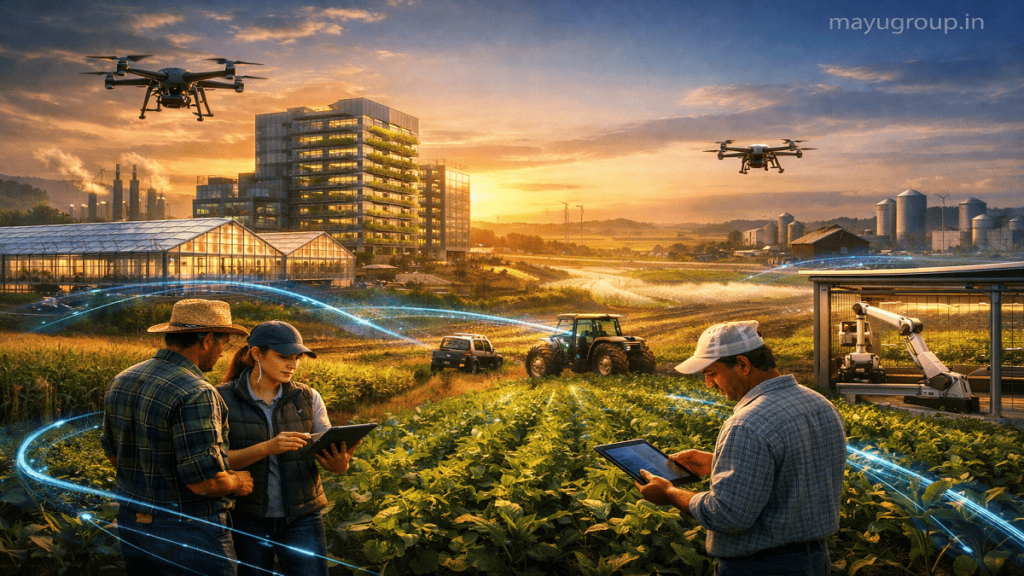
Why is AgriTech Investment Important?
AgriTech investment is important because it strengthens global food systems, improves agricultural productivity, and supports sustainable farming practices in a world facing rising population pressures and climate uncertainty. By funding agricultural technology solutions, investors help transform traditional farming into a more efficient, data-driven, and environmentally responsible industry.
One of the primary reasons AgriTech investment matters is food security. The global population continues to grow, increasing the demand for food production. However, arable land is limited, and climate change is affecting crop yields. AgriTech solutions—such as precision farming, AI-based crop monitoring, and smart irrigation systems—enable farmers to produce more food using fewer resources, ensuring a more stable food supply.
Another key importance is increased productivity and efficiency. Investments in technologies like drones, sensors, robotics, and satellite imaging allow farmers to monitor soil conditions, detect pests early, and optimize fertilizer and water usage. This reduces waste and significantly improves crop yields. Companies such as John Deere have demonstrated how precision agriculture tools can transform farming efficiency at scale.
AgriTech investment is also critical for sustainability and climate resilience. Modern agriculture is both affected by and contributes to environmental challenges. AgriTech innovations help reduce greenhouse gas emissions, minimize water consumption, and improve soil health. Technologies such as climate-smart farming systems and regenerative agriculture tools allow farmers to adapt to changing environmental conditions while reducing ecological impact.
In addition, AgriTech investment supports rural economic development. Many farming communities, especially in developing regions, face challenges such as low income, limited access to markets, and lack of infrastructure. Investment in AgriTech creates new income opportunities, improves access to digital marketplaces, and enhances supply chain efficiency, helping farmers connect directly with buyers and reduce dependency on intermediaries.
Another important factor is supply chain improvement. AgriTech innovations such as blockchain-based traceability systems, cold storage technologies, and logistics platforms reduce post-harvest losses and ensure better distribution of food products. This leads to more efficient food systems and reduced waste across the value chain.
Finally, AgriTech investment encourages innovation and digital transformation in agriculture. It attracts venture capital, government funding, and corporate investment into research and development, leading to continuous improvement in agricultural practices and technologies.
In conclusion, AgriTech investment is essential because it enhances food security, improves productivity, promotes sustainability, strengthens rural economies, and modernizes agricultural systems. It is a key driver in building a resilient and future-ready global food ecosystem.
For further reading:
- https://www.fao.org/digital-agriculture/en/
- https://www.worldbank.org/en/topic/agriculture
- https://www.oecd.org/agriculture/
- https://www.mckinsey.com/industries/agriculture/overview
#Best Group of Company in Indonesia
What technologies are used in AgriTech?
AgriTech uses a wide range of advanced digital, mechanical, and biological technologies to improve agricultural productivity, efficiency, sustainability, and supply chain management. These technologies transform traditional farming into a data-driven and highly optimized system.
One of the most important technologies is the Internet of Things (IoT). IoT devices such as soil sensors, weather stations, and smart irrigation controllers collect real-time data from farms. This data helps farmers monitor soil moisture, temperature, humidity, and crop health, enabling precise decision-making and reducing resource wastage.
Artificial Intelligence (AI) and Machine Learning (ML) are also widely used in AgriTech. AI systems analyze large datasets from farms to predict crop yields, detect plant diseases, and recommend optimal planting or harvesting times. Machine learning models continuously improve accuracy by learning from historical and real-time agricultural data.
Drones and aerial imaging technology play a key role in modern farming. Drones are used for crop monitoring, field mapping, pest detection, and spraying fertilizers or pesticides. High-resolution aerial images help identify issues that are not visible at ground level, allowing for early intervention and improved crop management.
Satellite imaging and remote sensing technologies provide large-scale agricultural monitoring. These systems track weather patterns, soil conditions, and vegetation health across vast farmland areas. Governments and agribusinesses use this data for planning and food security analysis.
Precision agriculture technology is another core component of AgriTech. It combines GPS, sensors, and data analytics to optimize field-level management. Farmers can apply water, fertilizers, and pesticides in exact amounts where needed, reducing waste and increasing yield efficiency. Companies like John Deere have integrated precision farming systems into modern agricultural machinery.
Blockchain technology is increasingly used in agricultural supply chains. It provides transparent and tamper-proof records of food production, processing, and distribution. This improves traceability, reduces fraud, and builds trust between farmers, distributors, and consumers.
Robotics and automation are also transforming agriculture. Automated tractors, robotic harvesters, and planting machines reduce labor dependency and increase operational efficiency, especially in large-scale farming operations.
Biotechnology and genetic engineering contribute to AgriTech by developing high-yield, pest-resistant, and climate-resilient crop varieties. These innovations help improve food production while reducing environmental impact.
Finally, cloud computing and big data analytics enable the storage and processing of massive agricultural datasets. Farmers and agribusinesses can access real-time insights and predictive models through cloud-based platforms, improving decision-making at scale.
In conclusion, AgriTech relies on a combination of IoT, AI, drones, satellites, precision farming systems, blockchain, robotics, biotechnology, and cloud computing. Together, these technologies are revolutionizing agriculture by making it smarter, more efficient, and more sustainable.
For further reading:
- https://www.fao.org/digital-agriculture/en/
- https://www.worldbank.org/en/topic/agriculture
- https://www.oecd.org/agriculture/
- https://www.mckinsey.com/industries/agriculture/overview
#Best Group of Company in Russia
How does AgriTech investment improve farming?
AgriTech investment improves farming by financing the development and adoption of advanced technologies that make agricultural practices more efficient, productive, sustainable, and resilient. By channeling capital into innovation-driven solutions, it transforms traditional farming into a data-enabled and precision-based system.
One of the most important improvements comes in the form of higher crop productivity. Investments in technologies such as precision agriculture, AI-based crop monitoring, and smart irrigation systems help farmers optimize planting, watering, and harvesting processes. This ensures crops receive the exact resources they need, which significantly increases yield while reducing waste. Companies like John Deere have contributed to this transformation through advanced smart farming equipment and digital agriculture platforms.
AgriTech investment also improves farming through better resource management. Technologies such as IoT-enabled soil sensors and automated irrigation systems allow farmers to monitor moisture levels, nutrient content, and weather conditions in real time. This reduces unnecessary use of water, fertilizers, and pesticides, lowering production costs and minimizing environmental impact.
Another major benefit is early detection of crop diseases and pests. AI-powered analytics and drone imaging systems can identify plant health issues at an early stage, often before they become visible to the human eye. This enables farmers to take timely corrective action, preventing large-scale crop loss and improving overall farm efficiency.
AgriTech investment also strengthens farm decision-making through data analytics. Cloud-based platforms collect and analyze large volumes of agricultural data, providing farmers with insights on soil conditions, market trends, weather forecasts, and crop performance. This helps farmers make more informed decisions about what to plant, when to harvest, and how to manage their farms effectively.
In addition, it improves supply chain efficiency. Investments in logistics technologies, blockchain traceability, and digital marketplaces help connect farmers directly with buyers. This reduces dependency on intermediaries, improves price transparency, and reduces post-harvest losses due to better storage and transportation systems.
AgriTech investment also supports climate-smart farming practices. With increasing climate change impacts, technologies such as weather prediction models, drought-resistant crop varieties, and adaptive farming systems help farmers reduce risks and maintain stable production levels even under unpredictable environmental conditions.
Finally, it enhances financial inclusion and market access. Digital platforms funded through AgriTech investments allow farmers to access credit, insurance, and global markets more easily, improving their income stability and economic resilience.
In conclusion, AgriTech investment improves farming by increasing productivity, reducing costs, enabling data-driven decisions, enhancing sustainability, and strengthening supply chains. It plays a crucial role in building a modern, efficient, and future-ready agricultural system.
For further reading:
- https://www.fao.org/digital-agriculture/en/
- https://www.worldbank.org/en/topic/agriculture
- https://www.oecd.org/agriculture/
- https://www.mckinsey.com/industries/agriculture/overview
#Best Group of Company in America
Case Study of AgriTech Investment
A strong example of AgriTech investment impact can be seen in India’s growing digital agriculture ecosystem, where public and private capital have been directed toward modernizing farming practices through technology. This transformation highlights how targeted investment in AgriTech can improve productivity, sustainability, and farmer income at scale.
India’s agriculture sector supports a large rural population, but it has historically faced challenges such as fragmented land holdings, unpredictable weather, limited market access, and low productivity. To address these issues, significant investments have been made in digital platforms, precision farming tools, and farm advisory systems. These investments come from government initiatives, private startups, and global development organizations.
One major area of investment is digital farm advisory platforms. These platforms use data from satellites, weather systems, and soil sensors to provide farmers with real-time recommendations on irrigation, crop selection, and pest control. Companies like DeHaat have played a key role by building technology-driven supply chains and offering end-to-end agricultural services, including input supply, advisory, and market linkages.
Another important investment area is precision agriculture and IoT-based farming solutions. Startups and agribusiness companies are deploying smart sensors and AI-driven analytics to monitor crop health, soil conditions, and weather patterns. This allows farmers to make data-driven decisions, reducing input costs and improving yield efficiency.
The government has also supported AgriTech through programs like digital agriculture missions and e-market platforms that connect farmers directly with buyers. These initiatives reduce dependency on middlemen and improve price transparency. As a result, farmers gain better access to markets and receive fairer compensation for their produce.
Foreign and institutional investors have also contributed significantly. Venture capital funds have invested heavily in Indian AgriTech startups focusing on supply chain digitization, farm mechanization, and climate-smart agriculture. This influx of capital has accelerated innovation and enabled startups to scale rapidly across rural regions.
The impact of these investments is visible in several areas. Farmers now have improved access to information, leading to better crop planning and reduced losses. Supply chains have become more efficient, reducing post-harvest waste. Additionally, digital marketplaces have expanded income opportunities for small and marginal farmers.
However, challenges remain, including limited digital literacy among farmers, infrastructure gaps in rural areas, and uneven technology adoption. Despite these challenges, continuous investment is helping bridge the gap between traditional farming and modern AgriTech systems.
In conclusion, India’s digital agriculture transformation demonstrates how AgriTech investment can modernize farming systems, improve efficiency, and enhance rural livelihoods. It highlights the importance of combining technology, capital, and policy support to create a sustainable agricultural future.
For further reading:
- https://www.fao.org/digital-agriculture/en/
- https://www.worldbank.org/en/topic/agriculture
- https://www.oecd.org/agriculture/
- https://www.mckinsey.com/industries/agriculture/overview
#Best Group of Company in Africa
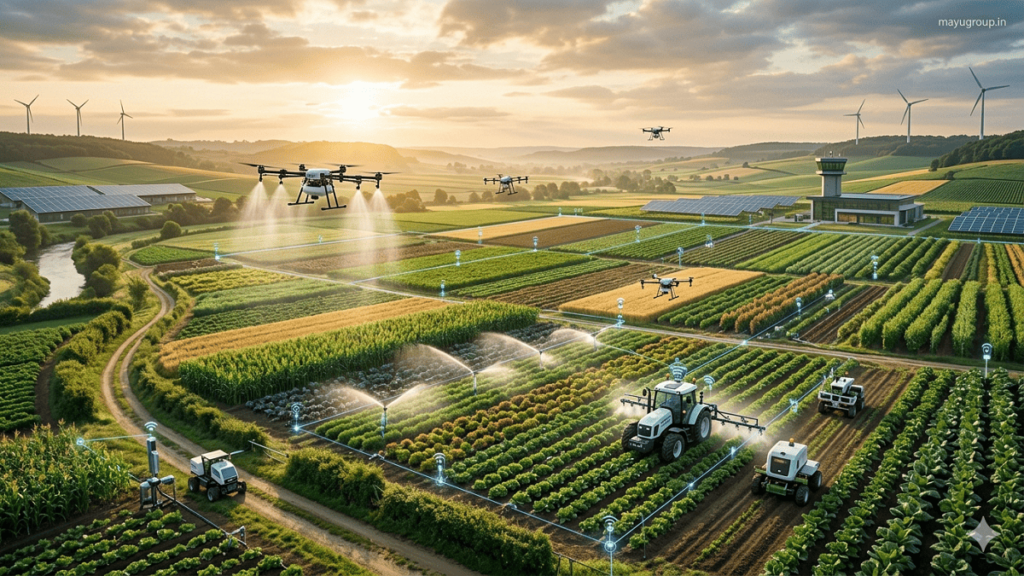
White Paper on AgriTech Investment
Executive Summary
AgriTech investment represents the strategic allocation of capital into agricultural technologies designed to improve productivity, sustainability, and resilience in global food systems. This white paper examines how investments in digital agriculture, precision farming, biotechnology, and supply chain innovation are transforming traditional agriculture into a technology-driven sector. It also highlights key drivers, investment channels, economic impacts, and policy considerations shaping the future of AgriTech.
1. Introduction
Agriculture is undergoing a structural transformation driven by technology and data. AgriTech investment plays a central role in this shift by funding innovations that address critical challenges such as food security, climate change, resource scarcity, and inefficient supply chains. Governments, venture capital firms, agribusiness companies, and development institutions are increasingly directing capital toward agricultural innovation ecosystems.
2. Key Drivers of AgriTech Investment
2.1 Rising Global Food Demand
Population growth and urbanization are increasing demand for food production, requiring more efficient farming systems.
2.2 Climate Change Pressures
Changing weather patterns and environmental degradation are pushing investment toward climate-resilient farming technologies.
2.3 Digital Transformation in Agriculture
The integration of IoT, AI, and data analytics in farming has created scalable investment opportunities.
2.4 Sustainability and ESG Goals
Investors are increasingly prioritizing environmentally sustainable agricultural practices that reduce emissions and resource consumption.
3. Major Investment Areas in AgriTech
AgriTech investments are concentrated in several high-impact areas:
- Precision agriculture using sensors, GPS, and analytics
- AI-driven crop monitoring and yield prediction
- Smart irrigation and water management systems
- Agricultural robotics and automation
- Biotechnology and genetically improved crops
- Digital supply chain and traceability platforms
Companies such as John Deere have significantly advanced precision farming technologies, integrating hardware with digital analytics to improve farm efficiency.
4. Economic and Social Impact
AgriTech investment delivers multiple benefits:
- Increases agricultural productivity and efficiency
- Reduces input costs such as water, fertilizer, and labor
- Improves farmer incomes through better market access
- Strengthens rural economies and employment
- Reduces post-harvest losses through improved logistics
According to global development organizations, technology-driven agriculture is essential for achieving long-term food security and rural development.
5. Role of Stakeholders
- Governments: Provide subsidies, infrastructure, and policy support
- Venture Capital Firms: Fund early-stage AgriTech startups
- Development Banks: Support sustainable and inclusive agricultural projects
- Agribusiness Corporations: Invest in innovation and supply chain optimization
- Farmers and Cooperatives: Adopt and implement technologies at the ground level
Organizations such as Food and Agriculture Organization of the United Nations (FAO) play a key role in promoting digital agriculture adoption worldwide.
6. Challenges in AgriTech Investment
Despite strong growth, several challenges remain:
- High initial cost of technology adoption
- Limited rural digital infrastructure
- Low digital literacy among small-scale farmers
- Fragmented land holdings
- Regulatory and policy inconsistencies
7. Policy Recommendations
- Strengthen rural digital and physical infrastructure
- Expand public-private partnerships in agriculture
- Increase funding for AgriTech startups and R&D
- Promote farmer training and digital literacy programs
- Support scalable and inclusive innovation models
8. Conclusion
AgriTech investment is a critical driver of modern agricultural transformation. By integrating advanced technologies into farming systems, it enhances productivity, sustainability, and resilience. With coordinated efforts from governments, investors, and industry stakeholders, AgriTech has the potential to reshape global food systems and ensure long-term food security.
References
- https://www.fao.org/digital-agriculture/en/
- https://www.worldbank.org/en/topic/agriculture
- https://www.oecd.org/agriculture/
- https://www.mckinsey.com/industries/agriculture/overview
#Best Group of Company in Japan
Industry Application of AgriTech Investment
AgriTech investment is applied across multiple agricultural and allied industries to improve productivity, efficiency, sustainability, and supply chain performance. These investments fund technologies that modernize farming operations and integrate agriculture with digital, biological, and engineering innovations. As a result, traditional agriculture is increasingly becoming a data-driven and technology-enabled industry.
1. Crop Production Industry
One of the primary applications of AgriTech investment is in crop production. Capital is used to develop precision farming systems, smart irrigation, and AI-based crop monitoring tools. These technologies help farmers optimize planting schedules, fertilizer usage, and pest control. By improving yield prediction and reducing input waste, investments directly enhance farm profitability and food production efficiency.
Companies like John Deere have integrated GPS-based machinery and data analytics platforms into farming equipment, enabling large-scale precision agriculture.
2. Livestock and Dairy Industry
AgriTech investments are widely applied in livestock management and dairy farming. Technologies such as wearable animal sensors, automated feeding systems, and health monitoring tools help track animal health, productivity, and breeding cycles. These systems improve milk yield, reduce disease risks, and optimize feed consumption, leading to more efficient livestock operations.
3. Agri-Supply Chain and Logistics
A significant portion of AgriTech investment goes into improving agricultural supply chains. Digital platforms, cold storage systems, and blockchain-based traceability solutions help reduce post-harvest losses and improve food distribution efficiency. These technologies ensure transparency from farm to consumer and reduce dependency on intermediaries.
4. Food Processing Industry
In the food processing sector, AgriTech investments support automation, quality control systems, and advanced packaging technologies. These innovations help improve food safety, extend shelf life, and reduce waste. Data-driven processing systems also ensure consistent quality standards across large production volumes.
5. Agri-Finance and Insurance
AgriTech investment is also transforming agricultural finance and insurance industries. Digital platforms use satellite data and AI models to assess crop risk, determine loan eligibility, and process insurance claims efficiently. This improves financial inclusion for farmers and reduces risk for lenders and insurers.
6. Climate-Smart Agriculture Industry
A growing application area is climate-smart agriculture, where investments support technologies that reduce environmental impact. These include carbon monitoring tools, water-efficient irrigation systems, and climate-resilient crop varieties. Such innovations help farmers adapt to changing weather patterns while maintaining productivity.
Conclusion
AgriTech investment is applied across crop production, livestock management, supply chains, food processing, finance, and climate-smart agriculture. By integrating advanced technologies into each of these industries, AgriTech investments improve efficiency, reduce costs, enhance sustainability, and strengthen global food systems.
References
- https://www.fao.org/digital-agriculture/en/
- https://www.worldbank.org/en/topic/agriculture
- https://www.oecd.org/agriculture/
- https://www.mckinsey.com/industries/agriculture/overview
#Best Group of Company in India
Ask FAQs
What is AgriTech investment?
AgriTech investment refers to funding directed toward agricultural technologies that improve farming efficiency, productivity, and sustainability. It includes investments in innovations such as precision farming, AI-based crop monitoring, smart irrigation systems, drones, and biotechnology solutions.
Who invests in AgriTech projects?
AgriTech projects are funded by venture capital firms, private equity investors, governments, agribusiness companies, development banks, and impact investors. These stakeholders support startups and enterprises that develop innovative agricultural solutions and improve food systems.
Why is AgriTech investment important?
It is important because it helps increase food production, improve resource efficiency, and promote sustainable farming practices. AgriTech investment also supports rural development, reduces post-harvest losses, and strengthens global food security in the face of climate change and population growth.
What technologies are used in AgriTech?
AgriTech uses technologies such as Internet of Things (IoT) sensors, artificial intelligence, drones, satellite imaging, robotics, blockchain, cloud computing, and biotechnology. These tools help farmers monitor crops, optimize inputs, and improve decision-making.
How does AgriTech investment improve farming?
It improves farming by increasing crop yields, reducing input costs, enhancing soil and water management, and enabling early detection of pests and diseases. It also improves supply chain efficiency and helps farmers access better markets and financial services.
Table of Contents
Disclaimer
This content is provided for general informational and educational purposes only. It does not constitute financial, investment, legal, or professional advice. Readers should consult qualified professionals or conduct independent research before making any financial or investment decisions.