Wind Energy Investment
Wind Energy Investment refers to the allocation of financial resources into the development, construction, operation, and expansion of wind power projects. It plays a central role in the global transition toward clean and renewable energy by reducing dependence on fossil fuels and lowering greenhouse gas emissions. Investments typically cover onshore wind farms, offshore wind installations, turbine manufacturing, grid integration, and maintenance infrastructure.
A major driver of wind energy investment is government policy support. Many countries provide subsidies, tax incentives, feed-in tariffs, and renewable energy mandates to attract investors. These policies reduce financial risk and improve project viability. International organizations such as the International Energy Agency also support wind energy expansion by providing research, forecasting, and policy guidance. More information is available at https://www.iea.org/.
Private sector investment is equally important. Large energy companies, infrastructure funds, and institutional investors increasingly finance wind projects due to their long-term stable returns. Wind farms often operate under long-term power purchase agreements (PPAs), which provide predictable revenue streams and make them attractive to investors. Companies like Ørsted, Vestas, and Siemens Gamesa are key players in turbine technology and project development.
Another significant source of funding comes from green finance mechanisms. Green bonds, climate funds, and sustainable investment portfolios are widely used to finance wind energy infrastructure. Institutions such as the Green Climate Fund (https://www.greenclimate.fund/) and regional development banks provide concessional financing to accelerate renewable energy adoption, especially in emerging economies.
Wind energy investment is broadly categorized into onshore and offshore segments. Onshore wind farms are typically cheaper and quicker to install, making them attractive for early-stage investments. Offshore wind projects, while more expensive, offer higher energy output and stronger wind consistency, making them increasingly important in large-scale energy strategies.
Despite strong growth, wind energy investment faces challenges such as high upfront capital costs, transmission infrastructure limitations, regulatory delays, and environmental permitting issues. Grid integration and energy storage requirements also add complexity to project financing.
In recent years, technological advancements have improved investment returns. Larger turbine sizes, improved blade efficiency, and digital monitoring systems have increased energy output and reduced operational costs. This has strengthened investor confidence and expanded market opportunities.
In conclusion, wind energy investment is a key pillar of the global renewable energy transition. It combines public policy support, private capital, and climate finance mechanisms to build a sustainable energy future. Continued investment is essential for achieving carbon reduction targets and ensuring long-term energy security worldwide.
#Wind Energy Investment in India
What is wind energy investment?
Wind energy investment refers to the allocation of financial capital into projects and infrastructure that generate electricity using wind power. It includes funding for the development, construction, and operation of wind turbines and wind farms, as well as supporting systems such as transmission networks, energy storage, and turbine manufacturing.
This type of investment can come from governments, private companies, institutional investors, and international financial organizations. Governments often encourage wind energy investment through subsidies, tax incentives, renewable energy targets, and supportive regulatory frameworks. These policies help reduce financial risk and make wind projects more attractive to investors.
Private sector participation is a major driver of growth in this field. Energy companies, infrastructure funds, and pension funds invest in wind farms because they provide long-term, stable returns. Many projects operate under long-term power purchase agreements (PPAs), which guarantee a fixed price for the electricity generated, improving financial predictability.
International organizations such as the International Energy Agency play an important role by providing data, policy guidance, and research that support investment decisions in renewable energy markets. More information is available at https://www.iea.org/.
Green finance instruments are also a key component of wind energy investment. These include green bonds, climate funds, and sustainable investment portfolios that direct capital toward environmentally friendly energy projects. Institutions like the Green Climate Fund (https://www.greenclimate.fund/) and various regional development banks help finance wind projects, particularly in developing countries.
Wind energy investment is typically divided into two main categories: onshore wind and offshore wind. Onshore wind farms are located on land and generally require lower investment costs, making them more widely adopted. Offshore wind farms are built in bodies of water and require higher capital investment but offer stronger and more consistent wind resources, resulting in higher energy output.
The importance of wind energy investment lies in its role in reducing greenhouse gas emissions, improving energy security, and supporting the transition away from fossil fuels. However, it also faces challenges such as high initial costs, regulatory approvals, grid integration issues, and variability in wind resources.
In summary, wind energy investment is the financial foundation that enables the development and expansion of wind power systems, supporting the global shift toward clean and sustainable energy sources.
#Wind Energy Investment in Maharashtra
How does wind energy investment generate returns?
Wind energy investment generates returns through the long-term sale of electricity produced by wind farms, combined with stable pricing mechanisms, operational efficiency gains, and supportive policy frameworks. Unlike short-term speculative investments, wind energy projects are designed to produce predictable cash flows over 20–30 years, making them attractive to infrastructure investors.
The primary source of returns is the sale of electricity to utilities, governments, or large corporate buyers through long-term agreements known as Power Purchase Agreements (PPAs). These contracts guarantee a fixed or indexed price for electricity over many years, reducing market risk and ensuring steady revenue. Once a wind farm is operational, the cost of generating electricity is relatively low because wind is free, so most revenue translates into profit after covering maintenance and operational expenses.
Government incentives also play a key role in enhancing returns. Many countries offer feed-in tariffs, tax credits, renewable energy certificates, or production-based subsidies that increase revenue for each unit of electricity generated. These policy mechanisms are designed to encourage renewable energy adoption and improve project profitability during early stages of market development.
Operational efficiency is another important factor. Modern wind turbines are highly advanced, with improved blade design, larger rotor diameters, and smart monitoring systems that optimize performance. These technological improvements increase energy output and reduce downtime, thereby boosting overall revenue. Companies such as those guided by research from the International Energy Agency provide data and forecasts that help investors assess efficiency and market trends. More information is available at https://www.iea.org/.
Investors also benefit from cost stability. After initial construction, wind farms have relatively low operating costs compared to fossil fuel plants because there is no fuel requirement. This makes cash flows more predictable and less vulnerable to commodity price fluctuations.
In addition, wind energy investments can generate returns through the sale of renewable energy credits (RECs) or carbon credits. These instruments allow companies to monetize their clean energy production by selling environmental attributes to organizations seeking to meet sustainability targets or regulatory requirements.
Financing structures also influence returns. Many wind projects are funded through a mix of equity and debt. Debt financing lowers upfront capital burden, while equity investors benefit from long-term profit distribution. Over time, as loans are repaid, equity returns increase significantly.
However, returns depend on factors such as wind resource availability, grid connectivity, regulatory stability, and maintenance costs. Offshore wind projects may offer higher returns due to stronger wind speeds but also involve higher construction risks and costs.
In conclusion, wind energy investment generates returns primarily through long-term electricity sales, policy incentives, operational efficiency, and environmental credit markets. Its stable, predictable cash flow structure makes it a preferred option for sustainable infrastructure investors globally.
#Wind Energy Investment in Ahemadabad
What types of wind projects attract investors?
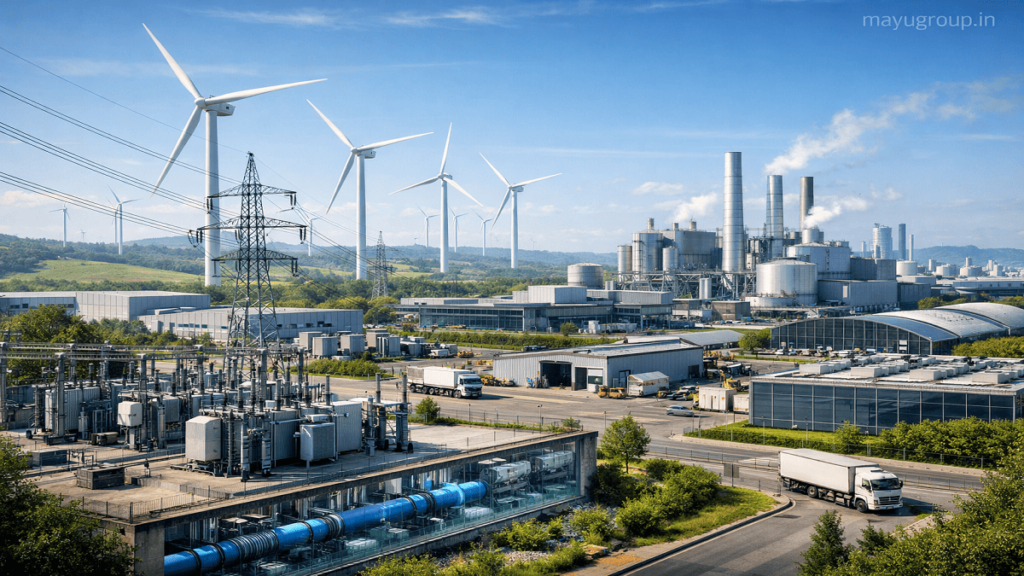
Wind energy investors typically focus on project types that offer stable revenue, scalable capacity, strong wind resources, and predictable regulatory environments. These characteristics reduce risk and improve long-term financial returns. The most attractive wind projects generally fall into several key categories.
1. Utility-scale onshore wind farms
Large onshore wind farms are the most common investment choice because they have lower construction and maintenance costs compared to offshore projects. These projects are built on land in areas with strong and consistent wind patterns. Investors are attracted to them due to faster development timelines, lower capital requirements, and established infrastructure. Many of these projects operate under long-term Power Purchase Agreements (PPAs), ensuring stable income over decades.
2. Offshore wind projects
Offshore wind farms are located in oceans or large lakes where wind speeds are stronger and more consistent. Although they require significantly higher upfront investment and complex engineering, they generate higher energy output. This makes them attractive to large institutional investors and energy companies seeking long-term high-capacity returns. Countries with strong coastal policies actively promote offshore wind development.
Organizations like the International Energy Agency highlight offshore wind as a key growth segment in global renewable energy expansion. More details: https://www.iea.org/
3. Repowering projects
Repowering involves upgrading older wind farms with modern, more efficient turbines. Investors favor these projects because they use existing infrastructure and grid connections, reducing development risk and permitting delays. Upgraded turbines significantly increase energy output, improving profitability without requiring entirely new land acquisition.
4. Distributed or community wind projects
Smaller-scale wind installations that serve local communities, farms, or industrial zones are also gaining investor attention. These projects often receive government incentives and are less exposed to transmission bottlenecks. They are particularly attractive in regions promoting decentralized renewable energy systems.
5. Hybrid renewable projects
Hybrid systems that combine wind energy with solar power or battery storage are increasingly popular. These projects improve energy reliability by balancing power generation across different weather conditions. Investors are drawn to them because they provide more consistent electricity supply and better grid integration.
6. Corporate-backed wind farms (captive projects)
Large corporations invest directly in wind projects to meet their sustainability goals and reduce electricity costs. These captive projects often have guaranteed internal demand, reducing market risk. Technology and manufacturing companies are major participants in this segment.
Conclusion
Investors prefer wind projects that combine strong wind resources, predictable revenue structures, efficient technology, and supportive policy environments. Onshore farms remain the most common investment, while offshore, repowering, and hybrid systems are rapidly growing due to improved technology and rising global demand for clean energy.
#Wind Energy Investment in Hyderabad
Why is wind energy considered a sustainable investment?
Wind energy is considered a sustainable investment because it combines strong environmental benefits with long-term economic viability and relatively low operational impact. It supports the transition to clean energy systems while offering stable financial returns over extended periods, making it attractive to governments, corporations, and institutional investors.
A primary reason is its low environmental footprint during operation. Wind turbines generate electricity without burning fossil fuels, which means they produce no direct greenhouse gas emissions. This significantly reduces carbon output compared to coal, oil, or natural gas power plants. As global climate policies tighten, investments in wind energy align with decarbonization goals and international climate agreements.
Another key factor is resource renewability. Wind is a naturally replenished resource that does not deplete over time. Unlike fossil fuels, which are finite and subject to price volatility, wind energy provides a consistent and free input once infrastructure is installed. This makes long-term project planning more stable and predictable.
From a financial perspective, wind energy is sustainable because it offers long-term, predictable cash flows. Many wind projects operate under Power Purchase Agreements (PPAs), which lock in electricity prices for 15–25 years. This reduces market risk and ensures steady revenue streams. After the initial capital investment, operational costs are relatively low because wind does not require fuel, improving long-term profitability.
Wind energy also benefits from strong policy support. Governments worldwide encourage renewable energy adoption through subsidies, tax incentives, renewable energy certificates, and carbon pricing mechanisms. Institutions such as the International Energy Agency emphasize wind power as a key driver of global energy transition and sustainability. More details: https://www.iea.org/.
Additionally, wind energy contributes to energy security and diversification. By reducing dependence on imported fossil fuels, countries can stabilize energy prices and improve national energy independence. This makes wind projects strategically valuable for long-term economic planning.
Technological advancements further enhance sustainability. Modern turbines are more efficient, durable, and capable of generating higher output with fewer installations. Offshore wind developments, hybrid renewable systems, and improved grid integration technologies continue to increase efficiency and reduce environmental disruption.
Wind energy is also considered sustainable due to its role in supporting circular and green economies. It stimulates job creation in manufacturing, installation, maintenance, and research while promoting cleaner industrial growth.
However, sustainability does not mean zero impact. Challenges such as land use, wildlife impact, and material recycling still exist, but continuous innovation and regulatory frameworks are addressing these concerns.
In conclusion, wind energy is a sustainable investment because it delivers environmental benefits, stable long-term financial returns, policy support alignment, and energy security advantages. It represents a key pillar in building a low-carbon and economically resilient global energy system.
#Wind Energy Investment in Delhi
What risks are involved in wind energy investments?
Wind energy investments are generally considered stable within the renewable energy sector, but they still involve several financial, technical, environmental, and regulatory risks that investors must carefully evaluate before committing capital.
One of the primary risks is resource variability risk. Wind energy production depends on wind speed and weather patterns, which are naturally unpredictable. If wind conditions are weaker than expected over time, electricity generation drops, directly affecting revenue. Even small variations in wind patterns can significantly impact project profitability, especially in highly leveraged investments.
Another major risk is high upfront capital cost. Wind projects require significant initial investment for land acquisition, turbine installation, grid connection, and infrastructure development. Offshore wind projects are particularly expensive due to complex engineering and marine construction requirements. These high costs increase financial exposure before any returns are generated.
Regulatory and policy risk is also important. Wind energy profitability often depends on government incentives such as tax credits, subsidies, renewable energy certificates, and guaranteed tariffs. Changes in energy policy, subsidy reduction, or delays in approvals can negatively affect returns. Organizations like the International Energy Agency highlight policy stability as a key factor in renewable energy investment success. More information: https://www.iea.org/.
Grid connection and infrastructure risk is another challenge. Wind farms must be connected to transmission networks to deliver electricity. In many regions, grid infrastructure is weak or congested, causing delays, curtailment (wasted energy), or additional costs for upgrades. Offshore projects face even greater complexity due to underwater cable requirements.
Environmental and permitting risks also exist. Wind projects must undergo environmental impact assessments to ensure minimal harm to wildlife, particularly birds and bats. Delays in permitting or opposition from local communities can slow down or even cancel projects.
Technological risk is another factor. Although wind technology is mature, rapid advancements can make older turbines less efficient compared to newer models. This can reduce long-term competitiveness or require costly upgrades.
There is also financial and interest rate risk. Since wind projects are often heavily financed through debt, rising interest rates can increase financing costs and reduce profitability. Currency fluctuations can also impact returns in cross-border investments.
Lastly, operational and maintenance risk plays a role. Turbine failures, harsh weather conditions, and supply chain disruptions can lead to downtime and increased maintenance expenses, reducing overall revenue.
In conclusion, wind energy investments face a combination of natural, financial, regulatory, and technical risks. While many of these risks can be managed through long-term contracts, insurance, and strong policy frameworks, careful project selection and risk assessment remain essential for achieving stable returns.
#Wind Energy Investment in Pune
Case Study of Wind Energy Investment
One of the most prominent examples of large-scale wind energy investment is the Hornsea Offshore Wind Farm in the United Kingdom. Developed by Ørsted in partnership with global infrastructure investors, Hornsea represents one of the largest offshore wind investments in the world and demonstrates how capital-intensive renewable energy projects can deliver long-term returns.
Hornsea is located in the North Sea, approximately 120 kilometers off the Yorkshire coast. The project has been developed in multiple phases, with Hornsea One, Two, and ongoing expansion plans. Hornsea One alone has a capacity of over 1.2 gigawatts, capable of powering more than a million homes. More information about offshore wind development trends can be found through the International Energy Agency at https://www.iea.org/.
Investment Structure
The project required multi-billion-dollar investment funded through a combination of equity financing, project finance loans, and institutional investment. Large pension funds and infrastructure investors were attracted due to the project’s stable long-term revenue model. The financial structure was built around long-term Power Purchase Agreements (PPAs), which guarantee predictable electricity prices over 15–25 years.
This structure significantly reduces market risk and provides steady cash flows, making it suitable for long-term institutional investors seeking stable returns.
Revenue Generation Model
Hornsea generates revenue by selling electricity to national grid operators and utility companies. Additional income streams include renewable energy certificates and government-backed support mechanisms that encourage offshore wind expansion. Once operational, the project benefits from low marginal costs because wind energy does not require fuel, allowing high operating margins after construction costs are recovered.
Risk Management Strategy
Despite its scale, the project faced several risks, including offshore construction challenges, weather dependency, and high upfront capital requirements. These risks were managed through advanced engineering, phased development, and diversified investor participation. Insurance coverage and long-term contractual agreements further reduced financial uncertainty.
Economic and Strategic Impact
The Hornsea project has contributed significantly to the UK’s renewable energy transition and energy security goals. It has reduced reliance on fossil fuels, lowered carbon emissions, and created thousands of jobs in manufacturing, installation, and maintenance. It has also positioned the UK as a global leader in offshore wind development.
Conclusion
The Hornsea Offshore Wind Farm demonstrates how large-scale wind energy investments can generate stable long-term returns while supporting national energy transition goals. Despite high upfront costs and technical complexity, strong policy support, institutional financing, and long-term contracts make such projects financially viable and strategically important for the future of clean energy.
#Wind Energy Investment in Banglore
White Paper on Wind Energy Investment
1. Executive Summary
Wind energy investment is a key pillar of the global transition to clean and sustainable energy systems. It involves the allocation of capital into wind power projects, including onshore and offshore wind farms, turbine manufacturing, grid integration, and supporting infrastructure. This white paper outlines investment structures, key drivers, risks, funding sources, and strategic recommendations. Wind energy offers long-term stable returns while contributing to carbon reduction and energy security objectives.
2. Introduction
Global energy demand continues to rise due to industrialization, urbanization, and population growth. At the same time, climate change has accelerated the shift toward renewable energy sources. Wind energy investment plays a critical role in reducing dependence on fossil fuels and supporting low-carbon development pathways.
Organizations such as the International Energy Agency emphasize wind power as one of the fastest-growing renewable energy sources globally. More information: https://www.iea.org/.
3. Objectives of Wind Energy Investment
Wind energy investment aims to:
- Increase renewable energy generation capacity
- Reduce greenhouse gas emissions
- Diversify national energy portfolios
- Enhance long-term energy security
- Provide stable financial returns for investors
- Promote technological innovation in clean energy systems
4. Key Investment Types
4.1 Onshore Wind Projects
These are land-based wind farms with relatively lower installation costs and faster development cycles. They are widely adopted due to favorable economics and established infrastructure.
4.2 Offshore Wind Projects
Located in oceans or large water bodies, offshore wind farms require higher capital investment but generate higher energy output due to stronger wind conditions.
4.3 Repowering Projects
Existing wind farms are upgraded with modern turbines to improve efficiency and extend operational life while reducing development risk.
4.4 Hybrid Renewable Systems
These combine wind energy with solar power and battery storage to improve grid stability and energy reliability.
5. Sources of Investment
Wind energy projects are financed through:
- Government subsidies and renewable energy incentives
- Private equity and infrastructure funds
- Institutional investors such as pension funds
- Green bonds and climate finance instruments
- Multilateral development banks
6. Revenue and Return Model
Wind energy investments generate returns through:
- Long-term Power Purchase Agreements (PPAs)
- Sale of electricity to utilities and grid operators
- Renewable energy certificates (RECs)
- Carbon credits and environmental markets
These mechanisms provide predictable revenue streams and reduce market volatility.
7. Key Risks
- Wind resource variability
- High upfront capital costs
- Regulatory and policy uncertainty
- Grid integration constraints
- Environmental and permitting delays
- Interest rate and financial risks
8. Strategic Recommendations
- Strengthen long-term policy frameworks for renewable energy
- Expand public-private partnership models
- Improve grid infrastructure and storage capacity
- Increase investment in offshore wind technologies
- Support innovation in turbine efficiency and digital monitoring
- Enhance risk mitigation through insurance and hedging mechanisms
9. Conclusion
Wind energy investment is essential for achieving global climate goals and ensuring long-term energy sustainability. Despite financial and technical risks, strong policy support, technological advancement, and stable revenue models make it a highly viable investment class. Expanding wind energy infrastructure will remain central to the global clean energy transition.
External References
- International Energy Agency (IEA): https://www.iea.org/
- Global Wind Energy Council (GWEC): https://gwec.net/
- U.S. Department of Energy – Wind Energy: https://www.energy.gov/eere/wind
- International Renewable Energy Agency (IRENA): https://www.irena.org/
#Wind Energy Investment in Kolkata
Industry Application of Wind Energy Investment
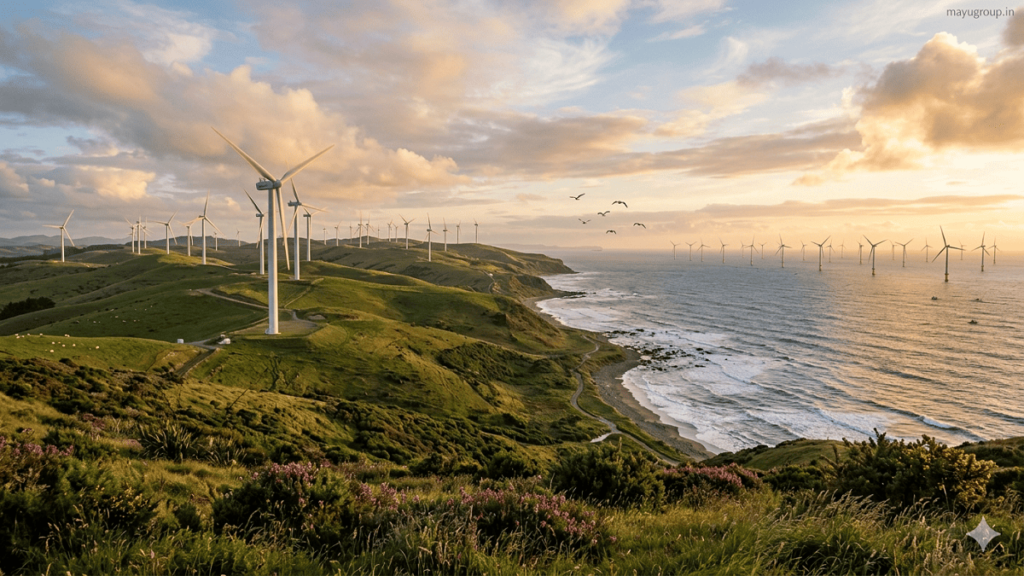
Wind energy investment plays a crucial role in transforming multiple industries by providing clean, reliable, and cost-effective electricity. As global demand for sustainable energy grows, industries are increasingly integrating wind power into their operations to reduce carbon emissions, stabilize energy costs, and meet regulatory and sustainability targets.
1. Manufacturing Industry
The manufacturing sector is one of the largest consumers of electricity, making it a major beneficiary of wind energy investment. Industries such as steel, cement, automotive, and electronics use wind-generated power to reduce reliance on fossil fuels. Large corporations often enter long-term Power Purchase Agreements (PPAs) with wind farms to secure stable electricity prices and reduce exposure to energy price volatility. This improves operational predictability and supports decarbonization goals.
2. Energy and Utilities Sector
Wind energy investment directly expands the renewable energy capacity of utility companies. Power producers integrate wind farms into national grids to diversify energy sources and reduce dependence on coal and gas. Organizations such as the International Energy Agency highlight wind power as a key component of future electricity systems. More information: https://www.iea.org/. Utilities also invest in offshore wind projects to meet rising electricity demand in urban areas.
3. Oil and Gas Industry Transition
Traditional energy companies are increasingly investing in wind energy as part of their transition toward cleaner energy portfolios. Major oil and gas corporations fund offshore wind projects to diversify revenue streams and reduce carbon intensity. These investments support long-term sustainability strategies and help companies align with global climate commitments.
4. Agriculture Sector
Wind energy investment benefits agriculture through rural wind farm development and dual land-use models. Farmers can lease land for wind turbines while continuing agricultural activities. This provides additional income streams while supporting rural electrification. Wind-powered irrigation systems also reduce dependence on diesel-based water pumps.
5. Transportation and Electric Mobility
Wind energy contributes indirectly to the electrification of transportation systems. Electric vehicle (EV) charging infrastructure increasingly relies on renewable energy sources, including wind power. Investment in wind energy ensures that EV adoption results in meaningful emissions reductions across transport networks.
6. Heavy Industry and Mining
Energy-intensive sectors such as mining and mineral processing use wind power to reduce operational costs and meet environmental compliance requirements. Wind energy also supports water pumping, ore processing, and remote site electrification where grid access is limited.
7. Data Centers and Technology Sector
The digital economy is a growing consumer of renewable energy. Data centers operated by technology companies invest in wind energy to power servers and cloud infrastructure sustainably. This helps reduce carbon footprints and supports corporate environmental commitments.
Conclusion
Wind energy investment has widespread industrial applications across manufacturing, utilities, agriculture, transportation, mining, and digital infrastructure. By providing clean and stable electricity, it enables industries to achieve sustainability goals, reduce operational risks, and improve long-term economic efficiency. As global energy systems continue to decarbonize, industrial reliance on wind energy investment will continue to expand significantly.
#Wind Energy Investment in Mumbai
Ask FAQs
What is wind energy investment?
Wind energy investment refers to funding allocated to develop, construct, and operate wind power projects that generate electricity using wind turbines. It includes onshore and offshore wind farms, turbine manufacturing, grid integration, and related infrastructure. These investments help expand renewable energy capacity and reduce dependence on fossil fuels.
How do wind energy investments generate returns?
Wind energy investments generate returns primarily through long-term electricity sales under Power Purchase Agreements (PPAs). Additional revenue comes from renewable energy certificates, government incentives, and carbon credits. Since operating costs are low after installation, most revenue contributes to long-term profit.
What are the main types of wind energy projects for investors?
The main types include onshore wind farms, offshore wind farms, repowering projects (upgrading older turbines), hybrid renewable systems (wind with solar or storage), and community or distributed wind projects. Each type offers different risk levels and return potential depending on location and scale.
What risks are involved in wind energy investment?
Key risks include wind variability, high upfront capital costs, regulatory and policy changes, grid connection challenges, environmental permitting delays, and interest rate fluctuations. Operational risks such as turbine maintenance and supply chain disruptions can also affect profitability.
Why is wind energy considered a good long-term investment?
Wind energy is considered a strong long-term investment because it provides stable cash flows, low operating costs, and strong policy support. It also contributes to climate goals by reducing carbon emissions. Institutions like the International Energy Agency highlight wind power as a key driver of global clean energy transition.
Table of Contents
Disclaimer: This content is for general informational and educational purposes only. It does not constitute financial, investment, legal, or professional advice. Readers should consult qualified experts or official sources before making any investment or policy decisions.