Import Loans
Import loans are a specialized form of trade finance designed to help businesses and individuals fund the purchase of goods and services from foreign countries. In an increasingly globalized economy, import activities have become essential for industries that rely on raw materials, machinery, or finished goods not available domestically. Import loans bridge the gap between payment obligations to foreign suppliers and the actual cash flow cycle of the importing business.
An import loan is typically offered by banks or financial institutions to importers who need short-term or medium-term financing to pay overseas suppliers. Instead of paying upfront from their own working capital, businesses can use borrowed funds to complete the transaction and repay the lender once the imported goods are sold or generate revenue. This improves liquidity and ensures smooth business operations.
There are different types of import financing solutions. The most common include pre-shipment finance, which supports payment before goods are shipped, and post-shipment finance, which helps importers manage costs after goods have been dispatched but before payment is due. Letters of credit (LCs) are also widely used as a secure payment mechanism, where the bank guarantees payment to the exporter once agreed conditions are met.
The advantages of import loans are significant. They allow businesses to maintain cash flow stability, negotiate better trade terms with suppliers, and expand their purchasing capacity without immediate capital strain. Import financing also reduces the risk of payment defaults in international trade by involving financial institutions that ensure transaction security.
However, import loans also come with certain risks and considerations. Currency fluctuations can impact repayment costs, especially in cross-border transactions. Interest rates and processing fees may vary depending on the lender and credit profile of the borrower. Additionally, regulatory compliance with customs and trade laws must be strictly followed to avoid penalties or delays.
The application process generally involves submitting trade documents, business financial statements, import contracts, and credit history to the lending institution. Once approved, funds are either directly transferred to the exporter or made available through structured trade instruments.
For further reference on international trade and financing frameworks, you can explore:
World Bank Trade Finance Overview
International Monetary Fund – Global Trade Resources
Reserve Bank of India – Trade & Payments Guidelines
In conclusion, import loans play a crucial role in facilitating global commerce by providing financial flexibility and reducing liquidity constraints for importers. When used strategically, they enable businesses to scale operations, manage international suppliers efficiently, and stay competitive in global markets.
#Import Loans in India
What are import loans?
Import loans are a type of trade finance facility provided by banks and financial institutions to businesses or individuals who need funding to purchase goods and services from foreign countries. These loans help importers pay overseas suppliers without immediately using their own working capital, thereby maintaining liquidity and ensuring smooth business operations.
In international trade, importers often face a timing gap between paying the exporter and receiving revenue from the sale of imported goods. Import loans bridge this gap by providing short-term or medium-term financing. The lender either pays the foreign supplier directly or provides funds to the importer to complete the transaction under agreed terms.
Import loans are commonly structured in different ways depending on the nature of the trade. One widely used mechanism is a Letter of Credit (LC), where the importer’s bank guarantees payment to the exporter once all shipping and documentation requirements are met. Another form is post-shipment finance, which supports the importer after goods have been shipped but before payment is due. Pre-shipment finance may also be used to fund purchases before goods are dispatched.
The primary benefit of import loans is improved cash flow management. Businesses can import raw materials, machinery, or finished products without immediate financial pressure. This allows them to scale operations, fulfill larger orders, and take advantage of global supplier pricing. Import loans also enhance negotiating power with suppliers, as payments backed by banks are considered more secure.
However, import loans also involve certain risks. Exchange rate fluctuations can increase repayment costs, especially in cross-border transactions. Interest rates, processing fees, and collateral requirements may vary based on the borrower’s creditworthiness and the lending institution’s policies. Compliance with international trade regulations, customs duties, and documentation requirements is also essential to avoid delays or penalties.
To qualify for an import loan, businesses typically need to submit trade documents such as purchase orders, invoices, import licenses (if applicable), and financial statements. Banks assess the importer’s credit profile and transaction history before approving the facility.
For additional information on trade finance systems and import-related financial instruments, you may refer to:
World Trade Organization – Trade Finance
International Finance Corporation – Trade & Supply Chain Finance
Reserve Bank of India – Trade and Payments Guidelines
In summary, import loans are essential financial tools that support global trade by enabling importers to fund overseas purchases efficiently while managing cash flow and reducing financial pressure.
#Import Loans in Maharashtra
How do import loans support businesses?
Import loans play a crucial role in supporting businesses engaged in international trade by providing the financial backing needed to purchase goods and services from overseas suppliers. In global commerce, companies often face a mismatch between immediate payment obligations to exporters and delayed revenue from selling imported goods. Import loans help bridge this gap, ensuring uninterrupted business operations and stable cash flow.
One of the primary ways import loans support businesses is by improving liquidity. Instead of blocking large amounts of working capital in foreign purchases, companies can use borrowed funds to pay suppliers. This allows them to preserve cash reserves for operational expenses such as salaries, logistics, marketing, and production. As a result, businesses can maintain financial stability even while handling large import orders.
Import loans also enable companies to scale their operations more effectively. With access to financing, businesses can place larger orders, diversify their product range, and take advantage of bulk purchase discounts offered by international suppliers. This can significantly improve profit margins and competitiveness in the market. Small and medium-sized enterprises (SMEs), in particular, benefit from import financing as it allows them to compete with larger firms without needing substantial upfront capital.
Another important advantage is improved supplier relationships. When payments are backed by banks or financial institutions, exporters gain confidence in transaction security. Instruments like Letters of Credit (LCs) ensure that payment will be made once agreed conditions are fulfilled, reducing risk for both parties. This strengthens trust and can lead to better trade terms, longer credit periods, or priority supply arrangements.
Import loans also help businesses manage risk in international trade. Currency fluctuations can significantly affect import costs, especially in volatile foreign exchange markets. By using structured financing solutions, companies can better plan their payments and reduce exposure to sudden cost increases. Additionally, trade finance mechanisms often include documentation checks that ensure compliance with regulatory and customs requirements.
From an operational perspective, import loans simplify payment processes. Instead of handling complex cross-border transactions directly, businesses rely on banks to manage settlements, documentation, and compliance. This reduces administrative burden and minimizes the risk of errors in international trade procedures.
To understand more about global trade finance systems and business support mechanisms, you can refer to:
World Bank – Trade Finance
International Finance Corporation – Trade & Supply Chain Finance
Reserve Bank of India – Foreign Exchange and Trade Guidelines
In conclusion, import loans support businesses by improving liquidity, enabling expansion, reducing trade risks, and ensuring smoother international transactions. They act as a financial backbone for companies engaged in global sourcing, helping them grow sustainably in competitive markets.
#Import Loans in Ahemadabad
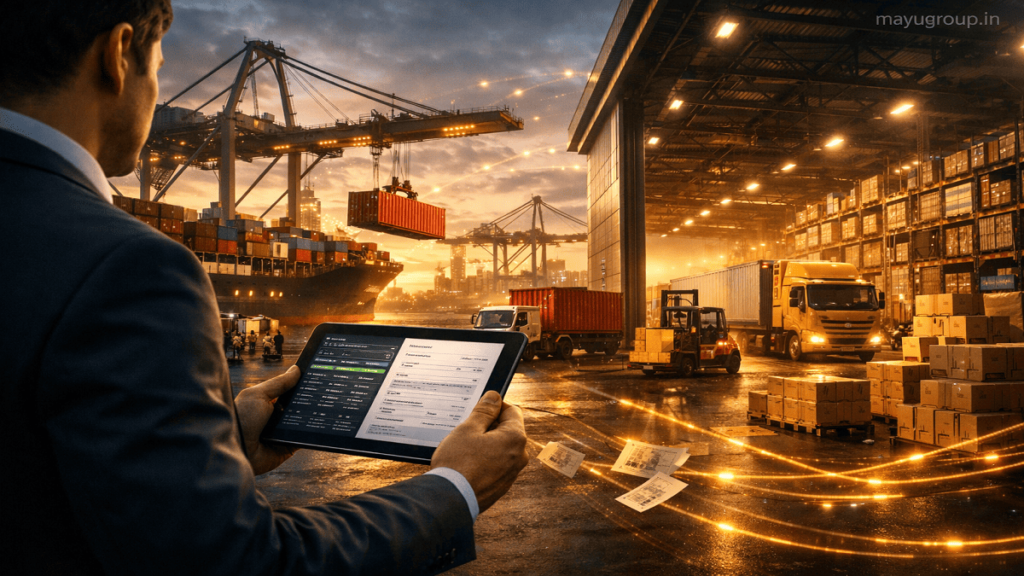
What are the types of import financing?
Import financing refers to the range of financial products and banking facilities that help businesses fund the purchase of goods and services from international suppliers. Since import transactions often involve significant costs and time gaps between payment and revenue realization, different financing options are designed to support importers at various stages of the trade cycle.
One of the most common types of import financing is the Letter of Credit (LC). In this arrangement, the importer’s bank guarantees payment to the exporter once all agreed shipping and documentation conditions are met. This reduces risk for both parties and builds trust in international trade. Letters of credit are widely used because they provide strong payment security and ensure compliance with trade terms.
Another important type is pre-shipment finance, also known as import packing credit. This facility provides funds to importers before the goods are shipped. It is typically used to pay advance deposits to foreign suppliers or cover procurement costs. Pre-shipment finance helps businesses secure goods in advance without straining their working capital.
Post-shipment finance is another key category. It is provided after the goods have been shipped but before the importer has made payment to the exporter. This type of financing helps bridge the gap between shipment and final payment, allowing importers to manage cash flow while waiting for goods to be sold or used in production.
Import bills financing or documentary collection financing is also commonly used. In this method, banks act as intermediaries in collecting payment documents between importer and exporter. The importer can access short-term credit to release shipping documents and take possession of goods without immediate full payment.
Another widely used instrument is trust receipt financing. Under this arrangement, the bank releases imported goods to the importer in trust, allowing them to sell or process the goods while repayment is made to the bank later. This is especially useful for businesses dealing in fast-moving inventory.
In some cases, businesses also use supplier credit or buyer’s credit. In buyer’s credit, a financial institution or foreign lender provides credit directly to the importer to pay the exporter. This option often comes with competitive interest rates and flexible repayment terms.
Each type of import financing serves a different purpose depending on the importer’s cash flow needs, transaction size, and risk profile. Businesses often combine multiple instruments to optimize their trade operations.
For further reference on global trade finance tools, you may explore:
World Trade Organization – Trade Facilitation and Finance
International Finance Corporation – Trade & Supply Chain Finance
Reserve Bank of India – Trade and Foreign Exchange Guidelines
In summary, import financing includes multiple instruments such as letters of credit, pre-shipment and post-shipment finance, import bills financing, trust receipts, and buyer’s credit. These tools collectively ensure that businesses can manage international purchases efficiently while maintaining financial stability and reducing trade risks.
#Import Loans in Hyderabad
Who is eligible for import loans?
Eligibility for import loans depends on the policies of the lending institution, but in general, banks and financial organizations extend import financing to businesses and individuals who are actively engaged in international trade and demonstrate the ability to repay the borrowed funds. Since import loans are closely linked to trade transactions, eligibility is assessed based on commercial activity, financial strength, and regulatory compliance.
Primarily, business entities engaged in importing goods or services are eligible. This includes sole proprietorships, partnerships, private limited companies, public limited companies, and small and medium-sized enterprises (SMEs). These businesses must have a clear import purpose such as purchasing raw materials, machinery, consumer goods, or components for production and resale.
In addition, established traders and distributors who regularly deal with international suppliers can also qualify. Banks typically prefer applicants with a proven track record of successful import-export activity, as this reduces repayment risk and indicates operational stability.
Manufacturing companies are among the most common beneficiaries of import loans. These firms often rely on imported machinery, technology, or raw materials to support production. Import financing allows them to maintain uninterrupted supply chains without blocking large amounts of working capital.
Some financial institutions also extend import financing to startups and new importers, but under stricter conditions. These applicants may be required to provide additional collateral, higher margins, or guarantees. In many cases, banks evaluate the business plan, projected cash flows, and contracts with foreign suppliers before approval.
Eligibility also depends heavily on the applicant’s creditworthiness and financial health. Lenders assess financial statements, profit and loss records, balance sheets, and existing debt obligations. A strong credit score and stable cash flow improve the chances of approval and may result in better interest rates and loan terms.
Another important requirement is regulatory compliance. Importers must adhere to foreign trade policies, customs regulations, and documentation standards set by relevant authorities. In countries like India, compliance with guidelines from institutions such as the Reserve Bank of India (RBI) and Directorate General of Foreign Trade (DGFT) is essential.
Banks may also require security or collateral, depending on the loan structure and risk level. This can include fixed deposits, property, or inventory. In trade finance instruments like Letters of Credit, collateral requirements may be lower because the transaction itself provides security.
For more details on trade finance eligibility and international banking standards, you can refer to:
International Finance Corporation – Trade Finance Solutions
World Bank – Trade Finance Overview
Reserve Bank of India – Foreign Exchange and Trade Guidelines
In conclusion, eligibility for import loans is generally open to legitimate importers with a stable business structure, sound financial history, and compliance with trade regulations. Financial institutions evaluate both the business profile and transaction risk to ensure secure and efficient trade financing.
#Import Loans in Delhi
What are the risks of import financing?
Import financing is an essential tool for facilitating international trade, but like any financial facility, it comes with several risks that businesses must carefully manage. These risks arise from global market volatility, regulatory complexity, credit exposure, and operational challenges associated with cross-border transactions.
One of the most significant risks is foreign exchange risk. Since import transactions are often conducted in foreign currencies, fluctuations in exchange rates can increase the cost of repayment. A sudden depreciation of the importer’s domestic currency can make the loan more expensive than initially planned, affecting profit margins and cash flow stability.
Another major concern is credit risk. This occurs when the importer is unable to repay the loan due to business downturns, delayed sales, or financial instability. Similarly, banks also face risk if the exporter fails to deliver goods as per the agreed terms. Although instruments like Letters of Credit reduce this risk, they do not eliminate it entirely.
Documentation and compliance risk is also critical in import financing. International trade requires accurate and timely submission of documents such as invoices, bills of lading, customs declarations, and insurance certificates. Any discrepancies or errors can lead to payment delays, penalties, or even rejection of shipments. Regulatory compliance with import-export laws and customs regulations is equally important to avoid legal complications.
There is also country risk, which refers to the political and economic conditions of the exporting country. Issues such as political instability, sanctions, trade restrictions, or sudden policy changes can disrupt supply chains and impact the fulfillment of import contracts.
Interest rate risk is another factor, especially for businesses using variable-rate import loans. Changes in benchmark interest rates can increase borrowing costs over time, making repayment more expensive than initially projected.
Operational risks also play a role in import financing. These include delays in shipment, logistical disruptions, port congestion, or damage to goods during transit. Such issues can delay revenue generation, affecting the importer’s ability to repay the loan on time.
Additionally, fraud risk exists in international trade, where counterfeit documents, fake suppliers, or misrepresentation of goods can lead to financial losses. Banks and businesses must perform due diligence to verify trade partners and transaction authenticity.
Despite these risks, import financing remains widely used because financial institutions provide structured mechanisms to mitigate exposure. Tools like Letters of Credit, trade insurance, hedging instruments, and strict documentation checks help reduce uncertainty in global transactions.
For further understanding of global trade risks and mitigation frameworks, you may refer to:
World Bank – Trade Finance and Risk Management
International Finance Corporation – Trade & Supply Chain Finance
Reserve Bank of India – Foreign Trade and Risk Guidelines
In conclusion, import financing involves multiple risks including currency fluctuations, credit exposure, compliance issues, political instability, and operational disruptions. However, with proper planning, financial instruments, and risk management strategies, businesses can effectively minimize these risks while benefiting from global trade opportunities.
#Import Loans in Banglore
Case Study of Import Loans
Import loans play a critical role in enabling businesses to expand globally, particularly small and medium-sized enterprises (SMEs) that often lack sufficient working capital for large international purchases. The following case study illustrates how import financing can directly impact business growth, operational efficiency, and competitiveness.
Business Background
A mid-sized manufacturing company based in India, “ABC Engineering Pvt. Ltd.”, specializes in producing automotive components. With rising demand from domestic automobile manufacturers, the company needed to upgrade its production capacity and improve precision quality standards. To achieve this, it planned to import high-precision CNC machinery from Germany, valued at approximately USD 500,000.
However, ABC Engineering faced a major challenge: the upfront payment required by the foreign supplier was significantly higher than its available cash reserves. Making a full advance payment would have strained working capital and disrupted day-to-day operations. To address this, the company approached a commercial bank for import financing.
Financing Structure
The bank structured a combination of Letter of Credit (LC) and post-shipment import loan facility. Under the LC arrangement, the bank guaranteed payment to the German supplier once shipment documents met the agreed conditions. This ensured trust and security for the exporter.
Once the machinery was shipped, ABC Engineering availed a short-term import loan to cover the payment obligation under the LC. The repayment was structured over 180 days, aligned with the expected revenue generation timeline from increased production capacity.
Outcome and Business Impact
The import loan allowed ABC Engineering to acquire advanced machinery without disrupting its cash flow. Within six months of installation, production efficiency increased by 35%, and defect rates dropped significantly due to improved precision technology. The company also secured new contracts from automobile manufacturers due to enhanced production capability.
Additionally, the financing arrangement helped the business strengthen its relationship with international suppliers, enabling better negotiation terms for future purchases. The structured repayment plan ensured financial stability while supporting expansion.
Key Learnings from the Case
This case highlights several important benefits of import loans:
- They preserve working capital while enabling large-scale investments
- They improve access to advanced technology and global suppliers
- They enhance production efficiency and competitiveness
- They provide structured repayment aligned with business cash flows
However, the case also emphasizes the importance of proper planning, credit assessment, and risk management, especially regarding foreign exchange exposure and repayment schedules.
For further reference on trade finance mechanisms and SME support frameworks, you may explore:
World Bank – Trade Finance Programs
International Finance Corporation – SME Trade Finance
Reserve Bank of India – Trade and Forex Guidelines
Conclusion
This case study demonstrates how import loans can act as a catalyst for industrial growth. By enabling access to international equipment and managing payment timelines effectively, import financing empowers SMEs to scale operations, improve productivity, and compete in global markets.
#Import Loans in Pune
White Paper of Import Loans
1. Executive Summary
Import loans are a critical component of trade finance, enabling businesses to fund the purchase of goods and services from international suppliers. They bridge the gap between payment obligations to exporters and the realization of revenue from imported goods. This white paper examines the structure, benefits, risks, and evolving role of import loans in modern global trade, with a focus on their impact on business liquidity, supply chain efficiency, and economic growth.
2. Introduction
Global trade depends heavily on efficient financing mechanisms. Importing businesses often face a working capital challenge due to upfront payment requirements imposed by foreign suppliers. Import loans address this constraint by providing short-term or medium-term credit, allowing importers to maintain operational continuity while expanding their access to global markets.
Import financing is typically offered by commercial banks, development financial institutions, and specialized trade finance providers. It is structured through instruments such as Letters of Credit (LCs), trust receipts, buyer’s credit, and post-shipment financing.
3. Structure of Import Loans
Import loans are designed to support different stages of the trade cycle:
- Pre-shipment financing: Funds provided before goods are shipped to secure procurement and advance payments.
- Post-shipment financing: Credit extended after shipment but before final payment settlement.
- LC-backed financing: Payment guarantees issued by banks to ensure exporter confidence.
- Buyer’s credit: Foreign or domestic lenders provide direct credit to importers for supplier payments.
- Trust receipt financing: Goods are released to importers while repayment is made after sale or processing.
Each structure is tailored to cash flow requirements, transaction size, and risk profile.
4. Benefits of Import Loans
Import financing delivers multiple strategic advantages:
- Improved liquidity and working capital management
- Ability to import in bulk and reduce procurement costs
- Strengthened supplier relationships through secured payments
- Expansion into new international markets
- Enhanced competitiveness for SMEs and large enterprises alike
By reducing upfront financial pressure, import loans allow businesses to focus on growth and operational efficiency.
5. Risk Considerations
Despite their advantages, import loans carry inherent risks:
- Foreign exchange volatility affecting repayment costs
- Credit risk from borrower default or supplier non-performance
- Documentation and compliance errors in cross-border trade
- Political and country risk impacting supply chains
- Interest rate fluctuations affecting borrowing costs
Effective risk mitigation requires hedging strategies, strict documentation checks, and trade insurance coverage.
6. Market Trends and Digital Transformation
The import financing landscape is evolving rapidly due to digitalization. Blockchain-based trade platforms, automated compliance systems, and AI-driven credit assessment tools are improving transparency and reducing fraud risk. Additionally, fintech companies are expanding access to trade finance for SMEs that were previously underserved by traditional banks.
7. Conclusion
Import loans remain a foundational element of global trade finance, enabling businesses to manage liquidity, reduce risk, and scale international operations. As trade becomes increasingly digital and interconnected, import financing will continue to evolve, offering faster, more secure, and more inclusive financial solutions.
References
World Bank – Trade Finance Overview
International Finance Corporation – Trade & Supply Chain Finance
World Trade Organization – Trade Facilitation Information
#Import Loans in Kolkata

Industry Application of Import Loans
Import loans are widely used across industries that depend on global supply chains, foreign raw materials, advanced machinery, and specialized goods. These financial instruments help businesses manage cash flow, reduce upfront capital pressure, and ensure uninterrupted access to international markets. Their application varies depending on industry structure, import dependency, and operational cycles.
1. Manufacturing Industry
The manufacturing sector is one of the largest users of import loans. Companies frequently import raw materials, electronic components, and heavy machinery from countries with cost or technology advantages.
Import financing enables manufacturers to:
- Purchase industrial machinery without large upfront investment
- Import raw materials such as steel, chemicals, or semiconductors
- Upgrade production lines to improve efficiency and output
This improves production scalability and supports long-term industrial growth.
2. Automotive Industry
Automobile manufacturers and component suppliers rely heavily on global sourcing. Engines, electronic control units, transmission systems, and specialized parts are often imported.
Import loans help automotive firms:
- Maintain continuous production schedules
- Manage bulk imports of critical components
- Reduce supply chain disruptions caused by payment delays
This ensures timely delivery to domestic and export markets.
3. Pharmaceuticals and Healthcare
The pharmaceutical industry imports active pharmaceutical ingredients (APIs), laboratory equipment, and advanced medical devices from global suppliers.
Import financing supports this sector by:
- Ensuring uninterrupted supply of critical raw materials
- Funding high-value medical equipment purchases
- Supporting research and development infrastructure imports
This helps maintain healthcare supply stability and innovation capacity.
4. Retail and Consumer Goods
Retailers and distributors import finished goods such as electronics, clothing, home appliances, and lifestyle products.
Import loans enable:
- Large inventory purchases ahead of peak demand seasons
- Diversification of product offerings
- Improved pricing negotiations with overseas suppliers
This increases competitiveness in consumer-driven markets.
5. Agriculture and Food Processing
This sector imports fertilizers, seeds, agricultural machinery, and processed food ingredients.
Import financing helps:
- Improve farm productivity through advanced equipment
- Stabilize input costs for large-scale farming operations
- Support food processing units with consistent raw material supply
It contributes to food security and agricultural modernization.
6. Technology and Electronics
Technology companies import semiconductors, hardware components, and specialized equipment for production and development.
Import loans assist in:
- Supporting high-value, fast-moving inventory cycles
- Maintaining global supply chain integration
- Financing bulk procurement of critical electronic parts
This ensures continuity in a highly competitive and innovation-driven sector.
7. Infrastructure and Construction
Construction companies and infrastructure developers import heavy machinery, construction equipment, and specialized materials.
Import financing enables:
- Execution of large-scale infrastructure projects
- Access to advanced construction technology
- Efficient project timelines without capital bottlenecks
Conclusion
Import loans play a vital role across industries by enabling access to global resources, stabilizing cash flow, and supporting operational expansion. Whether in manufacturing, healthcare, retail, or technology, import financing ensures that businesses can operate efficiently in an interconnected global economy.
References
World Bank – Trade Finance Overview
International Finance Corporation – Trade & Supply Chain Finance
World Trade Organization – Trade Facilitation
#Import Loans in Mumbai
Ask FAQs
What is an import loan?
An import loan is a type of trade finance facility provided by banks or financial institutions to help businesses pay for goods and services purchased from foreign suppliers. It allows importers to obtain short-term or medium-term credit instead of paying upfront, thereby improving cash flow and supporting smoother international trade operations.
Who can apply for an import loan?
Import loans are generally available to businesses engaged in international trade, including sole proprietorships, partnerships, private limited companies, public limited companies, and SMEs. Manufacturers, traders, distributors, and retailers involved in importing goods are typically eligible. Applicants must demonstrate financial stability, a valid import transaction, and compliance with trade regulations.
What documents are required for an import loan?
Commonly required documents include purchase orders or import contracts, commercial invoices, shipping documents, business financial statements, bank account details, import-export codes (where applicable), and regulatory approvals. Banks may also request collateral or guarantees depending on the loan amount and risk profile.
How is an import loan different from a Letter of Credit (LC)?
An import loan is a financing facility that provides funds to the importer for payment to the supplier, whereas a Letter of Credit is a payment guarantee issued by a bank to the exporter on behalf of the importer. In many cases, both are used together—an LC ensures payment security, while an import loan provides the actual funding needed to settle the transaction.
What are the risks involved in import loans?
Import loans involve several risks, including foreign exchange fluctuations, credit risk, documentation errors, and compliance issues with international trade regulations. Additionally, delays in shipment or changes in global market conditions can affect repayment ability. However, these risks are often mitigated through structured trade finance instruments and proper banking procedures.
Table of Contents
Disclaimer: This content is for general informational purposes only and does not constitute financial, legal, or investment advice. Import loan terms, eligibility, and risks may vary by lender and jurisdiction. Readers are advised to consult a qualified financial advisor or banking professional before making any financial decisions.