
Jalandhar Railway Station, Northern Railway
- Jalandhar Railway Station, Northern Railway
- Chapter 1: The Beginning of a Green Journey
- Chapter 2: From Certification to a Culture of Sustainable Operations
- Chapter 3: Energy Efficiency and the Transformation of Station Operations
- Chapter 4: Water Conservation, Cleanliness and the Care of Resources
- Chapter 5: Waste Management, Cleanliness and the Green Passenger Experience
- Chapter 6: Passenger Comfort, Green Infrastructure and a Better Station Experience
- Chapter 7: Employees, Management and the Culture of Continuous Improvement
- Chapter 8: Community Impact, Environmental Awareness and the Wider Legacy
- Chapter 9: From Green Certification to Long-Term Growth and Institutional Excellence
- Chapter 10: The Future of Jalandhar Railway Station — A Legacy of Green Growth
- Take the Next Step Today
Chapter 1: The Beginning of a Green Journey
Client: Jalandhar Railway Station Organization: Northern Railway Project: GGBC Green Railway Station Rating System Certification Year: 2021 (Valid until 2024)
Where Every Journey Begins
In the historic city of Jalandhar, where tradition blends beautifully with progress, stands one of Punjab’s most important transportation landmarks—Jalandhar Railway Station. Situated on Railway Road in Mandi Fentonganj, this station has served generations of passengers, connecting families, businesses, students, soldiers, and travelers to every corner of Northern India. More than a railway station, it is a symbol of movement, opportunity, and development.
For over 150 years, trains arriving and departing from Jalandhar have carried countless stories. Some passengers arrived searching for employment, while others returned home after years abroad. Every platform witnessed emotional farewells, joyful reunions, and the rhythm of everyday life. As the city expanded into an industrial and educational hub, the railway station grew alongside it, becoming one of the busiest stations under Northern Railway.
Yet, the twenty-first century introduced a different kind of responsibility. Growth was no longer measured only by passenger numbers or train connectivity. Modern infrastructure now demanded environmental responsibility, efficient resource management, and sustainable public spaces. This realization became the foundation of Jalandhar Railway Station’s remarkable green transformation.
A Heritage Built on Progress
Jalandhar Railway Station traces its origins back to the nineteenth century during the expansion of India’s railway network. Over decades, it evolved from a modest colonial railway stop into a major junction linking Delhi, Amritsar, Jammu, Ludhiana, Pathankot, and numerous regional destinations. Electrification, computerized reservation systems, digital information displays, and improved passenger facilities gradually modernized the station while preserving its historical importance.
Being part of Northern Railway, one of the largest railway zones of Indian Railways, gave the station access to a culture of engineering excellence and continuous modernization. Northern Railway has consistently invested in safety, operational efficiency, passenger comfort, and quality management. These values later became essential pillars in its sustainability initiatives.
The station was no longer simply a place where trains stopped—it had become an urban public asset serving thousands of people every day.
The Need for a New Vision
With increasing passenger movement came increasing environmental challenges. Large railway stations consume enormous quantities of electricity for lighting, waiting halls, offices, escalators, and operational equipment. Water is required for sanitation, cleaning platforms, landscaping, and passenger amenities. Daily operations also generate significant volumes of solid waste, including plastic bottles, paper, food packaging, and organic refuse.
The management of Jalandhar Railway Station understood that future growth required smarter infrastructure rather than greater resource consumption. Sustainability was not viewed as an additional expense; instead, it became an investment in operational excellence, environmental protection, and improved passenger experience.
This vision aligned perfectly with the GGBC Green Railway Station Rating System, a nationally recognized framework developed specifically for railway stations to evaluate and encourage environmentally responsible operations.
The Green Railway Station Initiative
In 2021, Jalandhar Railway Station officially began its journey toward green certification under the GGBC Green Railway Station Rating framework. The objective was clear: transform an existing operational railway station into a model of sustainable public infrastructure without disrupting passenger services.
The rating system evaluates multiple aspects of environmental performance, including:
- Energy efficiency and conservation
- Water management
- Waste segregation and recycling
- Indoor environmental quality
- Sustainable site practices
- Passenger health and comfort
- Innovation in resource management
Rather than focusing only on physical construction, the certification encourages long-term operational improvement and measurable environmental performance.
The People Behind the Mission
Every successful transformation begins with dedicated people. At Jalandhar Railway Station, engineers, station managers, electrical departments, environmental coordinators, architects, sanitation teams, and hundreds of railway employees worked together with remarkable commitment.
The electrical department replaced conventional lighting with energy-efficient LED systems, reducing electricity consumption while improving visibility across platforms and public areas. Engineering teams reviewed water distribution systems to minimize wastage and improve efficiency. Housekeeping staff introduced organized waste segregation practices, ensuring recyclable materials could be managed more responsibly.
Even passengers became participants in this journey. Awareness signage encouraged responsible waste disposal, cleaner surroundings, and shared responsibility for maintaining public spaces.
This collaborative approach reflected Northern Railway’s belief that sustainability is achieved not by one department but by an entire organization working toward a common purpose.
A Station with a New Identity
The successful achievement of the Green Railway Station Rating System certification in 2021 marked a defining milestone in the station’s history. Valid through 2024, the certification recognized Jalandhar Railway Station’s commitment to environmental stewardship, operational efficiency, and passenger well-being.
Travelers might immediately notice brighter platforms, cleaner waiting areas, organized waste bins, improved sanitation, and better-maintained public facilities. Behind these visible improvements lies a carefully designed management system focused on conserving natural resources and reducing environmental impact.
The certification also strengthened the station’s reputation within Northern Railway, demonstrating that historic infrastructure can successfully embrace modern sustainability standards while continuing to serve millions of passengers.
The First Chapter of a Larger Story
As dawn breaks over the railway tracks and the first train whistles through Jalandhar, the station continues fulfilling its timeless purpose—connecting people. But today, it carries an additional mission: connecting progress with sustainability.
The Green Railway Station initiative transformed more than buildings and utilities. It transformed attitudes, operations, and the very identity of Jalandhar Railway Station. What began as a transportation hub in the nineteenth century entered a new era in 2021—an era defined by quality, environmental responsibility, and sustainable growth.
This was only the beginning of a much larger journey, one that would inspire future chapters of innovation, resilience, and green development under the proud legacy of Northern Railway.
#JalandharRailwayStation
Chapter 2: From Certification to a Culture of Sustainable Operations
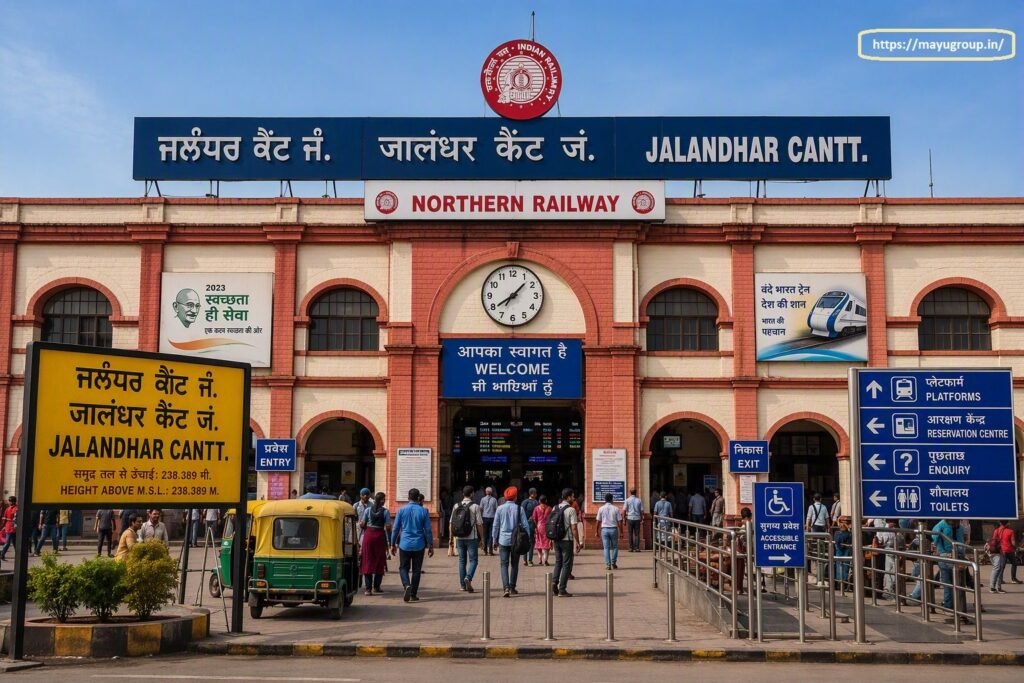
The story of Jalandhar Railway Station did not end with the achievement of its Green Railway Station Rating System certification in 2021. In many ways, the certification marked the beginning of a more important phase: the transition from achieving a standard to living by that standard every day.
For a historic railway station serving a continuously growing city, sustainability could not remain limited to a certificate displayed on a wall. It had to become part of routine operations, maintenance, passenger services, and decision-making. This understanding became central to the station’s journey under Northern Railway.
Jalandhar Railway Station occupies a special position in the social and economic life of the city. Every arriving train brings people with different purposes—students travelling for education, professionals travelling for work, families returning home, tourists discovering Punjab, and traders moving between important commercial centers. The station therefore functions as a constantly active public environment. Its sustainability performance affects not only railway employees but also thousands of passengers and visitors.
The Green Railway Station Rating System provided a structured framework through which this responsibility could be addressed.
Turning Standards into Everyday Practice
Certification requires organizations to look closely at how their facilities consume resources. At a railway station, this means examining electricity, water, waste, sanitation, landscaping, passenger comfort, and maintenance practices.
For Jalandhar Railway Station, this approach encouraged a shift in thinking. Energy was no longer simply something that had to be supplied; it was a resource that needed to be managed efficiently. Water was not merely an operational necessity; it was a valuable natural resource whose consumption and wastage required attention. Waste was no longer something that disappeared after collection; it became a material stream that could be segregated, recovered, recycled, or responsibly disposed of.
This change in perspective was one of the most important outcomes of the green initiative.
Energy Efficiency as a Foundation
Electricity plays a critical role in railway operations. Platforms, waiting areas, offices, circulation spaces, signage, passenger information systems, and other facilities require reliable lighting and electrical services.
Energy-efficient lighting therefore became an important part of the sustainability story. The adoption and use of LED lighting offered an opportunity to improve illumination while reducing electricity consumption compared with conventional lighting technologies.
For passengers, efficient lighting has a practical benefit. Well-lit platforms and public areas contribute to visibility, comfort, and a stronger sense of safety, particularly during early morning and evening hours.
For railway management, efficient electrical systems can contribute to lower operating costs and better resource utilization.
The principle was simple: use less energy without compromising service quality.
Water: Protecting a Valuable Resource
Water management represented another important dimension of the station’s green transformation.
Railway stations require water for cleaning, sanitation, passenger amenities, staff facilities, and landscaping. At a busy station, even small inefficiencies can become significant when repeated every day.
The sustainability approach encouraged greater awareness of water-efficient fixtures, maintenance of plumbing systems, prevention of leakage, and responsible consumption. Rainwater management and conservation measures also form an important part of the broader green-building philosophy.
Such practices demonstrate that sustainability does not always depend on spectacular technological solutions. Sometimes, the greatest environmental gains come from preventing everyday wastage.
Building a Better Waste Management Culture
Perhaps the most visible aspect of sustainability for a passenger is cleanliness.
Every day, railway stations generate a mixture of food waste, paper, plastic packaging, bottles, and other discarded materials. Managing this waste effectively requires infrastructure, regular collection, housekeeping discipline, passenger cooperation, and awareness.
The green station approach places emphasis on segregation and responsible waste handling. Separate collection practices can make it easier to identify recyclable materials and reduce the amount of waste ultimately sent for disposal.
At Jalandhar Railway Station, housekeeping personnel became an essential part of this process. Their work extended beyond sweeping platforms and cleaning public spaces. They became important contributors to the station’s environmental performance.
Their efforts demonstrate an important truth: a green railway station is created as much by people as by technology.
The Human Side of Certification
Behind every environmental initiative are employees who must implement it consistently.
Station staff, maintenance teams, electrical personnel, engineering departments, housekeeping workers, security personnel, and administrative officials all contribute to the passenger environment.
Training and awareness therefore become critical. Employees need to understand why waste segregation matters, why unnecessary lighting should be avoided, why water leaks must be reported quickly, and why maintenance is an essential component of sustainability.
The certification process helped bring these issues into a more organized framework.
The result was not simply a collection of environmental measures. It was the development of a culture of responsibility.
Passenger Participation
No railway station can become genuinely sustainable without passenger participation.
A single station may have efficient lighting and well-designed waste collection systems, but these systems work best when passengers use them correctly. Signage, public announcements, information boards, cleanliness campaigns, and visible environmental practices can influence passenger behavior.
A passenger who places a bottle in the appropriate waste container becomes part of the green journey. A traveler who avoids unnecessary litter contributes to cleanliness. A family that respects water and sanitation facilities contributes to resource conservation.
In this way, Jalandhar Railway Station’s environmental initiative extended beyond railway boundaries. Every passenger became a potential ambassador for responsible behavior.
Sustainability and Northern Railway’s Larger Mission
The green transformation of Jalandhar Railway Station also fits within the broader modernization and environmental objectives of Indian Railways.
Railway transportation is inherently important to sustainable mobility because it can move large numbers of people efficiently. But railway infrastructure itself must also become increasingly resource-efficient.
Northern Railway’s role in this transformation is therefore significant. Stations are not isolated buildings; they form part of a vast transportation network. Improvements in one location can contribute to a larger organizational culture of efficiency, cleanliness, safety, and environmental responsibility.
Jalandhar became an example of how an established railway facility could respond to contemporary environmental expectations while continuing to fulfill its traditional role.
Beyond the Certificate
The validity of the certification through 2024 provided a defined period during which environmental practices could be maintained, monitored, and strengthened.
But the real achievement was not the validity date printed on a certificate.
The real achievement was the change in mindset.
A certification can recognize performance at a particular point in time. A sustainable organization must continue improving after recognition has been received.
For Jalandhar Railway Station, the green journey therefore became a continuing story—one involving better resource management, cleaner surroundings, improved passenger experience, greater employee awareness, and an enduring commitment to responsible infrastructure.
As trains continued to arrive and depart, the station demonstrated that heritage and sustainability do not have to compete with each other.
A historic railway station can preserve its identity while embracing modern environmental practices.
And that became the central lesson of Jalandhar’s green transformation: growth is most meaningful when it creates value not only for today’s passengers, but also for the generations who will travel tomorrow.
#IndianRailways
Chapter 3: Energy Efficiency and the Transformation of Station Operations
The journey toward a greener Jalandhar Railway Station entered a new phase when environmental responsibility began to influence the everyday operation of the station. The Green Railway Station Rating System was not simply about introducing visible improvements. It encouraged the station to examine how resources were consumed, how infrastructure was maintained, and how operational practices could become more efficient.
Among all these areas, energy management emerged as one of the most important pillars of sustainable railway infrastructure.
A railway station is a demanding environment for electricity. From the first train in the early morning to the last passenger movement at night, platforms and public areas require lighting and essential electrical services. Offices, waiting spaces, circulation areas, information systems, and other facilities also depend upon reliable power.
For Jalandhar Railway Station, therefore, improving energy efficiency was not about reducing services. It was about achieving the same or better level of service with smarter use of energy.
A New Approach to Energy Consumption
Traditionally, electricity consumption in large public buildings can increase gradually as facilities expand. Additional lighting, equipment, offices, passenger amenities, and technological systems can all contribute to greater demand.
The green station philosophy introduced a different question:
How can the station meet its operational requirements while minimizing unnecessary energy consumption?
This question encouraged greater attention to energy-efficient lighting, equipment, maintenance practices, and operational controls.
One of the most recognizable technologies associated with energy efficiency is LED lighting. Compared with older conventional lighting systems, LEDs can provide effective illumination while consuming less electricity and generally offering longer service life.
At a railway station, this has significance beyond energy savings.
A properly illuminated platform improves visibility. A brighter and more uniform public environment can improve passenger comfort. Efficient lighting can also contribute to a cleaner and more modern appearance.
Thus, energy efficiency became closely connected with passenger experience.
The Importance of Maintenance
Energy efficiency is not achieved only by installing efficient equipment. Maintenance plays an equally important role.
A poorly maintained electrical system can lose efficiency over time. Damaged fixtures, inefficient equipment, unnecessary illumination, and outdated components can increase consumption.
Regular inspection therefore became an important part of responsible station management.
Electrical and engineering teams have a continuing role in identifying maintenance requirements, replacing defective components, and ensuring that equipment operates effectively.
This creates a cycle:
Inspect → Maintain → Improve → Monitor → Repeat.
Such a cycle supports the idea that green infrastructure is a continuing management process rather than a one-time construction activity.
Natural Light and Better Public Spaces
Energy efficiency can also be supported by making better use of natural conditions.
During daylight hours, public spaces that receive adequate natural light may require less artificial illumination. Thoughtful management of openings, windows, circulation areas, and building design can contribute to a more comfortable environment while reducing unnecessary electrical demand.
For a railway station, passenger comfort is particularly important because travelers may spend significant periods waiting for trains.
A comfortable waiting environment with appropriate daylight, ventilation, lighting, and cleanliness creates a better experience without necessarily requiring additional energy-intensive systems.
This illustrates one of the central principles of sustainable design: good environmental performance and good passenger experience can reinforce each other.
The Role of Employees
Technology alone cannot create an energy-efficient station.
Employees influence energy consumption through thousands of small decisions made every day.
Switching off unnecessary equipment, reporting malfunctioning fixtures, avoiding needless illumination, maintaining electrical installations, and following established operating procedures can collectively produce meaningful results.
Station employees therefore became an essential part of the green transformation.
The green certification process helped reinforce the understanding that environmental performance belongs to every department. A station manager may oversee operations, an electrical engineer may manage systems, a housekeeping worker may maintain cleanliness, and an administrative employee may manage office facilities—but all of them contribute to resource efficiency.
This shared responsibility strengthened the sustainability culture within the station.
Energy Efficiency and Financial Responsibility
Environmental responsibility and financial efficiency often move together.
When a railway station reduces unnecessary electricity consumption, it can potentially reduce operating expenditure. Savings generated through efficient resource use can support better maintenance and future improvements.
This creates an important business case for sustainability.
Green infrastructure is sometimes described as an environmental investment, but its benefits can extend into operational management. Efficient systems may reduce maintenance requirements, lower resource consumption, improve reliability, and provide better long-term value.
For Northern Railway, such an approach is especially relevant because even modest efficiency improvements can become significant when applied across a large network.
Jalandhar Railway Station’s experience therefore represents a broader principle: sustainable infrastructure can support both environmental goals and organizational efficiency.
Connecting Energy with Passenger Comfort
A railway station must never compromise passenger needs in the pursuit of energy conservation.
The objective is not to make public areas darker, less comfortable, or less functional. Instead, sustainability seeks to eliminate waste while maintaining or improving service quality.
This balance is particularly important at a busy station such as Jalandhar.
Efficient lighting can provide good visibility while using less energy. Better-maintained equipment can improve reliability. Thoughtful environmental management can make waiting areas more pleasant.
The result is a system in which environmental responsibility becomes almost invisible to the passenger because it is integrated into normal operations.
The passenger simply experiences a cleaner, brighter, more organized station.
A Model for Future Growth
The energy-efficiency journey of Jalandhar Railway Station demonstrates how established infrastructure can adapt to modern environmental expectations.
The station did not need to abandon its historical identity to become greener. Instead, it built upon its existing infrastructure and operational experience, introducing more responsible approaches wherever improvements were possible.
This was particularly meaningful because the station’s history stretches across generations. Its railway tracks have witnessed the transition from steam locomotives to modern electric trains, while its passenger facilities have evolved alongside changing technology.
The adoption of green practices represented another stage in this continuing evolution.
From mechanical systems to electrical systems, from manual operations to digital technologies, and from conventional infrastructure to environmentally conscious management, Jalandhar Railway Station continued to move forward.
The Beginning of Continuous Improvement
The Green Railway Station Rating System provided recognition, but the deeper value was the culture of continuous improvement it encouraged.
Energy efficiency became more than a technical objective. It became part of a broader vision in which every resource was considered valuable and every operational improvement had the potential to contribute to sustainability.
The lesson was clear: a railway station can be efficient without becoming impersonal, modern without losing its heritage, and environmentally responsible without compromising its primary purpose.
As the lights illuminated Jalandhar’s platforms each evening and trains continued their journeys across Northern India, the station quietly demonstrated a new idea of progress.
The future of railway development would not be measured only by how many trains a station could handle, but also by how responsibly it used the resources entrusted to it.
This principle would become one of the strongest foundations of Jalandhar Railway Station’s continuing green story.
#NorthernRailway
Chapter 4: Water Conservation, Cleanliness and the Care of Resources
If energy is the lifeblood of a modern railway station, water is one of its most valuable natural resources. Every day, water supports sanitation, cleaning, passenger facilities, staff requirements, and the maintenance of public spaces. At a busy station such as Jalandhar Railway Station, responsible water management therefore becomes an essential part of sustainable operations.
Following its Green Railway Station Rating System journey, the station’s approach to sustainability increasingly recognized that environmental performance could not depend upon energy efficiency alone. A genuinely green railway station must also conserve water, prevent unnecessary wastage, maintain hygienic facilities, and ensure that its resources are managed responsibly.
This became the focus of another important chapter in Jalandhar’s transformation.
Water and the Railway Station
A railway station is a unique public environment because its facilities are used by large and constantly changing numbers of people. Unlike an office building with a relatively predictable workforce, a station experiences fluctuating passenger movement throughout the day.
Water is needed for toilets, washbasins, cleaning activities, staff areas, drinking facilities, and other essential services. Platform cleaning and sanitation also require regular water use.
This creates a significant management challenge.
The objective is not simply to reduce consumption. Water must remain available wherever it is necessary for health, hygiene, and passenger comfort. The challenge is to ensure that water is used efficiently, carefully, and without unnecessary loss.
The green station philosophy encouraged precisely this balance.
Preventing Everyday Wastage
Some of the most important conservation measures are also the simplest.
A leaking tap may appear insignificant, but a leak continuing throughout the day can waste a considerable quantity of water. A damaged pipe, faulty plumbing fixture, or poorly maintained washroom can similarly create avoidable losses.
Regular inspection and timely maintenance therefore became important components of responsible station management.
Engineering and maintenance personnel play a crucial role in this process. Their work often takes place away from the attention of passengers, yet it directly influences the environmental performance of the station.
By identifying leaks, repairing damaged fittings, maintaining pipelines, and monitoring water-related infrastructure, the station can reduce losses while maintaining essential services.
This demonstrates an important principle of sustainability:
Conservation begins with preventing waste.
Water-Efficient Facilities
Passenger amenities represent another opportunity for conservation.
Water-efficient taps, sanitary fixtures, and other plumbing systems can reduce consumption without reducing convenience. When such equipment is properly maintained and responsibly used, significant efficiency improvements can be achieved over time.
For a railway station serving thousands of people, even a small reduction in water consumption per passenger can produce meaningful cumulative benefits.
This is one reason green-building certification places importance on resource-efficient infrastructure. Sustainability becomes measurable when small improvements are repeated every day.
Cleanliness as an Environmental Responsibility
At Jalandhar Railway Station, water conservation could not be separated from cleanliness.
Passengers expect railway stations to be hygienic, and cleanliness is essential for a healthy public environment. Platforms, waiting areas, toilets, stairways, entrances, and other high-traffic spaces require continuous attention.
Housekeeping teams therefore became central to the station’s green transformation.
Their work involves much more than removing visible dirt. Effective housekeeping requires planning, regular schedules, appropriate cleaning practices, responsible use of materials, and coordination with station operations.
A clean station sends a powerful message to passengers: the space is cared for, and everyone who uses it has a responsibility to help maintain it.
Waste and Water: Two Connected Challenges
Water management and waste management are closely related.
Poor waste disposal can block drainage systems, contaminate surrounding areas, and create additional cleaning requirements. Plastic packaging, food waste, paper, and other materials can accumulate rapidly when passenger numbers are high.
Effective waste segregation and regular collection therefore contribute indirectly to better water and environmental management.
The green station approach encourages the separation of waste at appropriate points so that recyclable materials can be recovered and other waste streams can be handled responsibly.
This also reduces the burden placed on housekeeping teams and helps create a more organized station environment.
Rainwater and Sustainable Thinking
Rainwater represents another important environmental resource.
Punjab experiences seasonal rainfall, and managing rainwater effectively can contribute to sustainable site management. Proper drainage, collection, and water-management practices can help reduce uncontrolled runoff and support conservation objectives where suitable infrastructure is available.
The broader philosophy is straightforward: rather than treating rainfall simply as something that must be removed from the station premises, sustainable planning asks whether rainwater can be managed as a useful resource.
Such thinking represents a shift from conventional infrastructure management to environmental stewardship.
The Role of Passengers
No water conservation program can succeed without passenger participation.
A railway station may provide well-maintained washrooms and efficient fixtures, but responsible use remains essential. Passengers can contribute by closing taps properly, reporting leaks, avoiding unnecessary water wastage, and maintaining cleanliness.
Awareness messages and signage can help reinforce these behaviors.
The importance of passenger participation extends beyond Jalandhar. A railway station is a place where environmental habits can reach people from many communities and regions.
A traveler who learns responsible water-use practices at a railway station may carry those habits home, to the workplace, or to another public institution.
Thus, the environmental influence of the station can extend far beyond its physical boundaries.
Employees as Environmental Custodians
The green transformation also strengthened the role of railway employees as environmental custodians.
Maintenance workers monitor infrastructure. Housekeeping staff maintain hygiene. Engineers identify technical improvements. Administrative teams support resource-management procedures. Station officials coordinate the overall effort.
Every role matters.
A green railway station is therefore not created by one department. It is the result of a coordinated organizational culture in which environmental performance becomes part of normal responsibility.
This shared ownership is one of the most valuable outcomes of a certification journey.
Creating a Lasting Culture
The achievement of green certification in 2021 provided Jalandhar Railway Station with an important foundation. But maintaining environmental performance through 2024 and beyond required continuous attention.
Water conservation had to become routine rather than occasional.
Cleanliness had to become a daily standard rather than a special campaign.
Waste management had to become a system rather than an emergency response.
This transition from project-based action to everyday discipline was a major sign of organizational maturity.
The station’s green journey therefore became a story about people as much as infrastructure. Every repaired tap, every properly maintained washroom, every segregated waste bin, and every clean platform represented a small contribution to a larger environmental mission.
A Resource-Conscious Future
Jalandhar Railway Station’s experience demonstrates that sustainability does not always require dramatic change. Sometimes it begins with recognizing the value of ordinary resources.
Water flowing through a tap.
A clean platform.
A properly maintained drainage system.
A waste bin used correctly.
A housekeeping worker completing another cleaning round.
Each of these simple activities contributes to the environmental performance of a major railway facility.
Under Northern Railway’s larger vision of modernization and responsible infrastructure, Jalandhar’s green initiative showed how a historic station could adapt to contemporary environmental expectations.
The station continued to connect people across Punjab and Northern India, but its purpose had acquired a new dimension.
It was no longer only moving passengers from one destination to another.
It was also demonstrating how public infrastructure could move toward a future in which cleanliness, conservation, efficiency, and environmental responsibility became integral parts of everyday railway life.
#GreenRailwayStation
Chapter 5: Waste Management, Cleanliness and the Green Passenger Experience
A railway station is a place of constant movement. Trains arrive, passengers depart, families wait, vendors serve food, staff perform their duties, and thousands of individual activities take place within the same public environment. With this continuous movement comes an unavoidable challenge: waste generation.
For Jalandhar Railway Station, the journey toward Green Railway Station certification meant recognizing that cleanliness could not be treated merely as an appearance-related issue. Waste management had to become part of the station’s broader environmental and operational strategy.
The station’s transformation therefore extended beyond efficient energy and water use. It also focused on creating a cleaner, more organized, and environmentally responsible passenger environment.
The Challenge of a Busy Railway Station
Every passenger journey can generate waste.
A bottle purchased before boarding, a paper ticket or receipt, food packaging from a journey, a newspaper, a disposable cup, or leftover food can become part of the daily waste stream.
When thousands of passengers pass through a station, these small quantities quickly become significant.
The challenge is complicated by the fact that railway stations operate continuously. Waste cannot simply be collected at the end of the day. Platforms, waiting areas, entrances, foot-over bridges, stairways, and other passenger zones require repeated cleaning and monitoring.
This made housekeeping and waste management essential components of the station’s green transformation.
From Cleaning to Waste Management
Traditional cleaning focuses on removing waste from visible areas. A sustainable approach goes one step further by asking what happens to the waste after it is collected.
This distinction is important.
If recyclable materials are mixed with general waste, opportunities for recovery can be lost. If food waste is mixed with plastics and other materials, further processing becomes more difficult.
The green station philosophy therefore encourages segregation, collection, handling, and responsible disposal as connected parts of a complete waste-management system.
For Jalandhar Railway Station, the emphasis on organized waste handling supported a broader objective: reducing environmental impact while maintaining a consistently clean passenger environment.
The Importance of Waste Segregation
Waste segregation begins where waste is generated.
Clearly identified waste bins and appropriate collection practices can help passengers and employees separate different categories of waste. Recyclable materials such as paper, plastic, glass, and metal can potentially be recovered, while organic waste can be managed separately where appropriate.
Segregation also improves the efficiency of housekeeping operations.
Instead of treating every discarded item as the same material, the station can recognize that different waste streams require different management approaches.
This is an important principle of modern environmental management:
Waste is not always simply waste; some materials can become resources when handled correctly.
Housekeeping: The Unsung Heroes
The success of any cleanliness program depends heavily on the people responsible for implementation.
At Jalandhar Railway Station, housekeeping personnel represent one of the most visible aspects of the station’s environmental performance. They work across platforms and public spaces, often during busy periods and changing weather conditions.
Their responsibilities include removing waste, maintaining cleanliness, supporting sanitation, monitoring problem areas, and responding to the continuous demands of passenger movement.
Their contribution is particularly significant because a clean station requires consistency.
One clean-up operation is never enough.
The next train brings new passengers.
The next waiting period creates new waste.
The next meal generates new packaging.
The cycle continues.
Housekeeping teams therefore become the daily guardians of the station’s environmental standards.
Passenger Behavior and Environmental Awareness
Infrastructure alone cannot solve the waste problem.
Passengers play a major role in determining whether a railway station remains clean.
A person who places a bottle in the correct bin supports the system. A passenger who carries waste until a suitable disposal point is available demonstrates environmental responsibility. Conversely, littering can undermine even the most carefully designed cleanliness program.
This is why awareness became an important part of the green journey.
Information boards, signs, announcements, and visible waste-management infrastructure can encourage passengers to participate.
The objective is not simply to instruct people but to create a sense of shared ownership.
The station belongs to everyone who uses it.
Therefore, everyone has a role in keeping it clean.
Reducing the Use of Resources
Waste management also connects directly with resource conservation.
Many discarded materials represent resources that required energy, water, labor, and transportation to produce.
A plastic bottle is not merely a piece of litter. It represents raw materials and manufacturing energy.
A sheet of paper represents trees, water, energy, and industrial processing.
Food waste represents agricultural resources, transportation, storage, and human labor.
Therefore, reducing waste and recovering useful materials can help conserve the resources embedded within those products.
This broader understanding strengthens the environmental purpose of the Green Railway Station Rating System.
Cleanliness and Passenger Experience
A green railway station should also be a comfortable railway station.
Passengers judge a station through many experiences: the appearance of the platform, cleanliness of waiting areas, condition of toilets, availability of bins, ease of movement, lighting, and general atmosphere.
Clean surroundings create a positive impression.
For visitors arriving in Jalandhar for the first time, the railway station can become their first physical introduction to the city. A well-maintained station therefore contributes not only to railway services but also to the city’s public image.
The relationship between environmental management and passenger satisfaction is consequently strong.
A cleaner station can feel more organized, more welcoming, and more respectful of the people who use it.
Creating Accountability
Green certification encourages organizations to look at environmental performance systematically.
This creates a culture of accountability.
Instead of asking only whether the station appears clean, management can consider broader questions:
Are waste bins appropriately located?
Is waste being collected regularly?
Are recyclable materials being separated?
Are housekeeping practices consistent?
Are employees aware of environmental procedures?
Are passengers being encouraged to participate?
These questions transform cleanliness from a cosmetic objective into a measurable management responsibility.
The Role of Northern Railway
Northern Railway’s organizational structure provides the framework within which station-level improvements can be implemented.
A railway station operates as part of a much larger system involving engineering, electrical, operations, commercial activities, passenger services, safety, and administration.
Waste management therefore requires coordination between departments.
When different teams understand that cleanliness and environmental responsibility are shared objectives, improvements become easier to sustain.
Jalandhar Railway Station’s green journey demonstrated how local action can support a broader organizational vision.
The station became one part of a much larger movement toward sustainable railway infrastructure.
From Certification to Continuous Improvement
The Green Railway Station Rating System certification received in 2021 represented recognition of environmental practices, but certification was not the destination.
The real objective was continuous improvement.
Every cleaner platform, every properly segregated waste stream, every responsible passenger, and every dedicated housekeeping employee contributed to maintaining the environmental standards represented by the certification.
The period through 2024 therefore became an opportunity to strengthen the station’s systems and reinforce the habits required for long-term sustainability.
The lesson was simple but powerful.
A green railway station is not defined by how clean it looks on the day of inspection. It is defined by how consistently people maintain that standard every day.
A Cleaner Journey Ahead
Jalandhar Railway Station’s waste-management story became a story of collective responsibility.
Railway employees provided the systems and services.
Housekeeping teams maintained the physical environment.
Engineers and administrators supported infrastructure and operations.
Passengers contributed through responsible behavior.
Together, these efforts transformed cleanliness into a shared environmental mission.
The station’s green transformation showed that sustainability does not have to be distant or complicated. It can be experienced in something as ordinary as a clean platform, an organized waste bin, or a passenger choosing not to litter.
And as each train departed Jalandhar carrying thousands of travelers toward their destinations, the station continued to communicate an important message:
Progress is not only about moving faster. It is also about moving responsibly.
#SustainableRailways
Chapter 6: Passenger Comfort, Green Infrastructure and a Better Station Experience
A railway station is ultimately built for people. Tracks, platforms, electrical systems, water infrastructure, waste-management facilities, and buildings all exist to support one fundamental purpose: helping passengers travel safely, efficiently, and comfortably.
For Jalandhar Railway Station, the Green Railway Station Rating System journey therefore could not focus exclusively on environmental performance. Sustainability had to be connected with the human experience.
A truly green railway station is one where environmental responsibility and passenger comfort work together. Cleaner surroundings, efficient lighting, appropriate ventilation, better-maintained facilities, organized public areas, and responsible resource management can all contribute to a more positive journey.
This became an important part of Jalandhar Railway Station’s transformation.
The Passenger at the Center
Every day, people arrive at Jalandhar Railway Station for different reasons.
Some passengers are beginning long journeys. Others are returning home. Students arrive with luggage and expectations. Families wait together for trains. Business travelers move quickly between platforms. Senior citizens require accessible and comfortable facilities. Children experience the excitement of seeing trains for the first time.
Each passenger interacts with the station differently.
The green transformation recognized this diversity and emphasized the importance of creating public spaces that were cleaner, more comfortable, and more environmentally responsible.
The objective was not simply to construct a “green building.”
The objective was to create a better place for people.
Indoor Environmental Quality
Passenger comfort depends greatly on the quality of the environment inside public spaces.
Waiting halls, offices, passenger circulation areas, and other enclosed spaces require appropriate lighting and ventilation. Good indoor environmental quality can reduce discomfort and create a more pleasant atmosphere for people who may have to spend extended periods waiting for their trains.
Natural light can contribute to a welcoming environment during the daytime. Efficient artificial lighting can provide visibility after dark. Proper ventilation can support air movement and comfort.
These measures demonstrate that environmental design is closely connected with human well-being.
The green station approach therefore encouraged the consideration of both resource efficiency and the quality of spaces experienced by passengers.
A Cleaner Environment
Cleanliness is one of the first things passengers notice when they enter a railway station.
A clean floor, well-maintained platform, organized waiting area, functioning sanitation facilities, and properly managed waste bins can immediately change the perception of a public space.
For Jalandhar Railway Station, cleanliness became an important component of its green identity.
Housekeeping staff worked continuously to maintain public areas, while station management and other departments supported the systems required to keep the environment functional.
The result was more than visual improvement.
Cleanliness contributes to passenger confidence.
When people see that a station is carefully maintained, they are more likely to feel that the infrastructure is safe, organized, and respectful of its users.
Lighting and Passenger Movement
Energy-efficient lighting also contributes directly to passenger comfort.
Railway stations operate during all hours, and good illumination is essential for people moving across platforms, stairways, entrances, waiting areas, and circulation spaces.
Efficient lighting systems can therefore serve two purposes simultaneously:
reduce unnecessary energy consumption and provide an effective passenger environment.
This is a central principle of sustainable infrastructure.
Environmental improvements should not require passengers to sacrifice convenience.
Instead, the best solutions deliver both environmental and social benefits.
Green Spaces and Landscaping
Landscaping can also contribute to the identity of a railway station.
Plants and maintained green areas can soften the appearance of built infrastructure and create a more pleasant visual environment. Green spaces can also support the broader environmental quality of the site when appropriately planned and maintained.
For a major railway station located in a dense urban setting, even modest landscaping can provide a visual connection with nature.
A passenger stepping out of a train after a long journey encounters not only concrete, steel, and machinery but also maintained public surroundings.
This contributes to the sense that the station is part of a living city rather than merely a technical transportation facility.
Accessibility and Inclusive Design
A sustainable public facility must also consider the needs of different categories of passengers.
Railway stations serve people of different ages and physical abilities. Elderly passengers, people with disabilities, families with young children, and travelers carrying heavy luggage may experience public spaces differently.
Accessible circulation, clear signage, appropriately designed facilities, and convenient movement routes are therefore important components of passenger-centered infrastructure.
The broader principle is inclusion.
A railway station should not be comfortable only for the strongest or fastest traveler. It should provide an environment where as many people as possible can move, wait, and access services with dignity.
This social dimension complements the environmental objectives of green certification.
Technology Supporting Passenger Services
Modern railway stations increasingly rely on technology.
Digital information displays, public-address systems, electronic ticketing, communication systems, and other technologies can improve the efficiency of passenger services.
However, technology must be managed responsibly.
Efficient equipment, appropriate operating schedules, and regular maintenance can help ensure that technology contributes to passenger convenience without creating unnecessary resource consumption.
The green transformation therefore involved a balance between modernization and efficiency.
The objective was not to introduce technology simply because it was available. The objective was to use technology where it could create meaningful value for passengers and station operations.
Employees and the Passenger Experience
Passenger comfort is closely linked to employee performance.
A station may have excellent infrastructure, but if facilities are not maintained, the passenger experience quickly deteriorates.
This is why the role of railway employees remains fundamental.
Station staff respond to passenger needs.
Housekeeping teams maintain public spaces.
Engineering personnel keep infrastructure functioning.
Electrical teams maintain essential systems.
Administrative teams coordinate services and resources.
Together, these employees turn physical infrastructure into a functioning passenger environment.
The green station initiative strengthened the connection between environmental responsibility and service quality.
A New Understanding of Green Infrastructure
The experience of Jalandhar Railway Station demonstrated that sustainability is not simply about reducing electricity bills or installing environmental equipment.
It is about creating a better relationship between people, infrastructure, and natural resources.
A passenger waiting comfortably in a clean hall is benefiting from environmental management.
A traveler walking through a well-lit platform is benefiting from efficient infrastructure.
A family using a clean and properly maintained facility is experiencing the results of responsible water and sanitation management.
In this sense, sustainability becomes visible through everyday experience.
Building Trust Through Better Service
A railway station is often the first and last impression passengers have of a city.
For Jalandhar, this makes the railway station especially important.
A clean, organized, comfortable, and environmentally responsible station can contribute positively to the image of the city and its public infrastructure.
The green certification journey therefore had significance beyond technical compliance.
It strengthened the station’s identity as an institution willing to modernize while respecting environmental responsibilities.
The Journey Continues
The 2021 certification created a foundation, but passenger expectations would continue to evolve.
People increasingly expect public infrastructure to be cleaner, more efficient, accessible, and environmentally responsible.
Jalandhar Railway Station’s green transformation placed it on this continuing path.
Its story demonstrates that a sustainable railway station should not feel like a technological experiment. It should feel like a better railway station—one where passengers experience comfort and convenience while environmental resources are treated with care.
As trains continued to arrive and depart, the station’s green identity became increasingly connected with the people who used it.
The ultimate measure of transformation was therefore not simply a certification document.
It was the everyday experience of the passenger.
A greener station is successful when sustainability becomes part of a better journey.
#GreenInfrastructure
Chapter 7: Employees, Management and the Culture of Continuous Improvement
Behind every successful railway station is a team of people working quietly and continuously to keep the system moving. Trains may be the most visible part of railway operations, but the real strength of a station lies in its employees, engineers, supervisors, housekeeping teams, technicians, administrators, and managers.
For Jalandhar Railway Station, the Green Railway Station Rating System journey demonstrated an important truth: green infrastructure can only succeed when people become part of the transformation.
The certification achieved in 2021 provided a formal recognition of environmental performance, but maintaining that performance required a change in everyday habits. Sustainability had to become part of the station’s working culture.
People Behind the Green Transformation
A railway station operates through cooperation between many departments.
Operations personnel coordinate train movements and passenger activities. Engineering teams maintain physical infrastructure. Electrical staff manage essential power systems. Housekeeping personnel maintain cleanliness and sanitation. Administrative employees support planning and documentation. Station management coordinates these activities and ensures that services continue smoothly.
Environmental improvement therefore cannot belong to a single department.
A green station requires everyone to understand how their responsibilities affect energy, water, waste, cleanliness, passenger comfort, and resource management.
At Jalandhar, this broader understanding became an important element of the green journey.
From Rules to Responsibility
Environmental procedures are useful only when they are consistently followed.
For example, an efficient lighting system cannot deliver its full potential if equipment is poorly maintained. Water-efficient facilities cannot conserve water if leaks remain unrepaired. Waste segregation cannot work if employees and passengers ignore collection systems.
This means that sustainability requires more than written procedures.
It requires responsibility.
Employees must recognize environmental management as part of their normal duties rather than as an additional task imposed by certification requirements.
This shift in attitude is one of the most valuable outcomes of a green certification program.
Training and Awareness
Training plays an important role in creating this culture.
Employees need to understand the purpose behind environmental measures. When workers know why waste must be segregated, why water leaks should be reported, or why energy-efficient equipment requires proper maintenance, they are more likely to support these practices consistently.
Awareness also helps employees identify opportunities for improvement.
A housekeeping worker may notice a recurring waste problem.
An electrician may identify unnecessary energy consumption.
An engineer may notice a water-management issue.
A station supervisor may recognize a passenger-flow problem.
When employees are encouraged to communicate such observations, the organization gains access to a valuable source of practical knowledge.
The people working closest to the infrastructure often understand its strengths and weaknesses better than anyone else.
Management as the Driving Force
Leadership is essential to maintaining environmental standards.
Station management provides direction, coordinates departments, reviews performance, and helps ensure that environmental objectives remain connected with operational priorities.
This is particularly important in a railway environment because service continuity is always critical.
Environmental improvements cannot interfere with safety or essential train operations.
Instead, sustainability has to be integrated into the existing operational system.
This requires careful planning.
Maintenance activities must be scheduled appropriately.
Infrastructure improvements must consider passenger movement.
Electrical changes must meet operational requirements.
Water and sanitation systems must remain reliable.
Waste-management activities must continue throughout the day.
Management therefore becomes the bridge between environmental objectives and practical railway operations.
The Importance of Monitoring
Continuous improvement requires measurement.
A station cannot improve what it does not monitor.
Energy use, water consumption, waste generation, maintenance requirements, and other operational indicators can provide valuable information about performance.
Monitoring allows management to identify trends.
If energy consumption rises unexpectedly, there may be a maintenance or operational issue.
If water use increases significantly, leaks or inefficient fixtures may need investigation.
If waste volumes increase, additional collection capacity or passenger awareness measures may be necessary.
This creates a cycle of improvement:
Measure → Understand → Correct → Monitor → Improve.
Such a cycle transforms sustainability from a one-time certification exercise into an ongoing management practice.
Teamwork Across Departments
The green transformation also encouraged greater coordination.
Consider a simple example: maintaining a clean platform.
Housekeeping teams remove waste.
Engineering teams maintain drainage and physical surfaces.
Electrical teams maintain lighting.
Station management coordinates activities.
Passenger-service personnel communicate with travelers.
No single department can achieve the desired outcome alone.
This interdependence illustrates why sustainability is fundamentally an organizational effort.
The same principle applies to energy management, water conservation, passenger comfort, and environmental maintenance.
Recognizing the Role of Housekeeping Staff
Among all the teams contributing to the station’s environmental performance, housekeeping personnel deserve special recognition.
Their work is physically demanding and continuous.
A platform may be cleaned in the morning, but hundreds of passengers may use it within hours. A waiting area may be spotless at one moment and require attention soon afterward.
Housekeeping therefore requires discipline, patience, and consistency.
Their contribution also demonstrates an important social dimension of green certification.
Sustainability is not only about sophisticated technology.
It is also about valuing the people who maintain public infrastructure every day.
Employees as Ambassadors
Employees can influence passenger behavior simply through their own actions.
When staff use waste bins correctly, conserve resources, maintain clean work areas, and respond quickly to environmental issues, they demonstrate responsible behavior.
Passengers notice these practices.
The station environment gradually communicates a culture of care.
A traveler who sees employees taking cleanliness seriously may be more inclined to do the same.
In this way, railway employees become environmental ambassadors.
Their influence extends beyond their immediate responsibilities.
Continuous Improvement After Certification
The Green Railway Station certification achieved in 2021 was valid through 2024, creating a defined period for maintaining and strengthening the station’s environmental practices.
The important question after certification was therefore not simply, “Have we achieved the rating?”
The more meaningful question was:
“How can we continue improving?”
This mindset prevents certification from becoming a final destination.
Instead, it becomes a benchmark from which future improvements can begin.
New technologies may emerge. Passenger expectations may change. Environmental standards may become more demanding. Operational requirements may evolve.
A station committed to continuous improvement must be prepared to adapt.
The Human Legacy of the Green Initiative
The most lasting outcome of the green transformation may not be any individual piece of equipment or infrastructure.
It may be the culture developed among the people who operate the station.
When employees begin to see energy, water, waste, cleanliness, and passenger comfort as interconnected responsibilities, sustainability becomes part of institutional knowledge.
New employees can learn these practices from experienced colleagues.
Established procedures can continue to evolve.
Environmental responsibility can become part of the station’s identity.
This is how a temporary project becomes a lasting organizational culture.
A Team Moving Toward the Future
Jalandhar Railway Station’s green journey demonstrates that infrastructure alone cannot create sustainability.
Buildings require people.
Systems require operators.
Certificates require continued responsibility.
And improvements require teamwork.
Under the broader framework of Northern Railway, the station’s employees became the people who translated environmental objectives into everyday action.
Their work may rarely be visible to passengers, but every clean platform, functioning facility, efficient electrical system, properly managed waste stream, and comfortable public area carries their contribution.
The green transformation was therefore not simply the story of a railway station becoming certified.
It was the story of people learning to work differently, think differently, and manage resources more responsibly.
The certificate recognized the station’s achievement, but its employees gave that achievement life.
#EnergyEfficiency
Chapter 8: Community Impact, Environmental Awareness and the Wider Legacy
The transformation of Jalandhar Railway Station into a greener and more environmentally responsible railway facility did not stop at the station’s boundaries. A railway station is deeply connected with the city around it. It receives residents, visitors, workers, students, business travelers, tourists, and families from many different communities. Every day, it becomes a temporary meeting point for people with different backgrounds and destinations.
For this reason, the green transformation of Jalandhar Railway Station carried a wider significance. It demonstrated how public infrastructure can influence environmental awareness beyond the walls of a building.
The Green Railway Station Rating System provided the framework, but the real impact could be measured through the people who experienced the station every day.
A Railway Station as a Public Classroom
Few public places interact with as many people as a major railway station.
A school may educate thousands of students. A company may influence its employees. But a railway station can communicate environmental messages to passengers from numerous cities and states within a single day.
A waste-segregation sign, a clean platform, an energy-efficient lighting system, a well-maintained washroom, or a message encouraging responsible water use can become a small environmental lesson.
Passengers may not think of themselves as participants in a green-building program. They may simply see a cleaner and more organized station.
Yet that experience can influence behavior.
Someone who learns to separate waste at a railway station may become more conscious about segregation at home. A passenger who sees water being used responsibly may become more aware of water conservation. A traveler who experiences efficient and comfortable public infrastructure may develop greater expectations from other public facilities.
Thus, the station can become an informal environmental classroom.
Connecting Sustainability with the City
Jalandhar is a dynamic urban center with a strong commercial, educational, cultural, and sporting identity. The railway station serves as one of the city’s most important gateways.
For many visitors, the station provides their first impression of Jalandhar.
This gives the station a role beyond transportation.
A clean and well-managed railway station contributes to the city’s public image. It communicates that the city values cleanliness, organization, infrastructure, and responsible development.
The green certification added another dimension to this identity.
It demonstrated that a historic transportation facility could respond to modern environmental priorities while continuing to serve its traditional purpose.
Shared Responsibility
Environmental sustainability cannot be achieved by railway authorities alone.
The station provides infrastructure and systems, but passengers, vendors, visitors, contractors, and other stakeholders also influence environmental performance.
A waste bin works only when people use it correctly.
A water-efficient facility delivers greater benefits when users avoid unnecessary wastage.
A clean platform remains clean when passengers choose not to litter.
This makes sustainability a shared responsibility.
The green transformation therefore encouraged a relationship between infrastructure and behavior.
The railway provides the opportunity.
People determine how effectively that opportunity is used.
The Role of Awareness
Environmental awareness does not always require complicated campaigns.
Simple communication can be powerful.
Clear signs can tell passengers where to dispose of waste.
Public messages can encourage cleanliness.
Visible green features can remind people that resources should be used carefully.
Well-maintained facilities can demonstrate the value of responsible behavior more effectively than written instructions alone.
When environmental practices become visible throughout a railway station, they gradually become part of the passenger experience.
This is particularly important because railway journeys often involve people who may be visiting the city for only a few hours.
Even a short interaction with the station can create an impression.
Supporting a Sustainable Transportation Culture
Railways already play an important role in mass transportation.
A train can carry large numbers of passengers along established routes, providing an important alternative to individual road travel.
But the sustainability of rail transportation also depends on the infrastructure supporting it.
Stations consume energy and water, generate waste, require maintenance, and occupy valuable urban land.
Making these facilities more environmentally responsible strengthens the sustainability of the transportation system as a whole.
Jalandhar Railway Station’s green journey therefore represented more than the environmental improvement of one building.
It was part of a larger effort to make transportation infrastructure more resource-conscious.
The Economic Dimension
Environmental responsibility can also contribute to economic efficiency.
Energy-efficient systems can reduce unnecessary consumption. Water conservation can reduce avoidable resource expenditure. Effective waste segregation can support material recovery. Preventive maintenance can help reduce the long-term cost of infrastructure deterioration.
These benefits can accumulate over time.
For a major railway organization such as Northern Railway, this principle is particularly significant.
A small improvement at one station may appear modest. But when similar practices are adopted across many facilities, the cumulative effect can become substantial.
Jalandhar’s experience therefore contributes to a larger lesson: sustainability can be both environmentally responsible and operationally practical.
Inspiring Future Generations
One of the most important aspects of sustainable infrastructure is its influence on future generations.
Children traveling through Jalandhar Railway Station may not understand the technical details of green certification. They may not know how energy consumption is calculated or how water-management systems are evaluated.
But they understand what they see.
They see clean platforms.
They see waste bins.
They see efficient lighting.
They see workers maintaining public spaces.
They see an institution taking care of its environment.
These experiences can influence how young people think about public spaces and environmental responsibility.
A green railway station can therefore become a small but meaningful part of environmental education.
A Model of Responsible Public Infrastructure
The green journey of Jalandhar Railway Station also demonstrates that sustainability is not limited to new buildings.
Many cities contain infrastructure that was created decades ago. Replacing everything is neither practical nor necessary.
Existing facilities can often be improved through better management, efficient equipment, conservation practices, maintenance, and changes in operational behavior.
This makes the example of Jalandhar particularly relevant.
Its history is long, but its environmental journey is modern.
The station shows that heritage and sustainability can coexist.
An old transportation facility can adopt contemporary environmental practices without losing its identity.
The Legacy Beyond 2024
The Green Railway Station certification was valid through 2024, but its legacy should not be limited to that period.
Certification dates eventually pass.
Infrastructure evolves.
Standards change.
But the knowledge gained through the process can continue.
Employees who learned sustainable practices can carry those lessons forward.
Passengers exposed to environmental awareness can change their habits.
Management systems can be improved.
Future modernization projects can incorporate sustainability from the beginning.
In this way, the value of certification continues even after the formal validity period.
A Message from Jalandhar
The larger story of Jalandhar Railway Station is therefore a story of connection.
The station connects cities by railway.
It connects people through travel.
And through its green transformation, it connects transportation with environmental responsibility.
The certification journey showed that sustainability can become part of everyday public life. It does not have to remain confined to technical reports or corporate policies.
It can be seen in a clean platform.
It can be experienced through a comfortable waiting area.
It can be supported by efficient infrastructure.
It can be encouraged through responsible passenger behavior.
And it can be strengthened by employees who understand that their work contributes to something larger than railway operations.
Jalandhar Railway Station thus became more than a place where journeys begin and end.
It became a place where a different kind of journey was also taking place—the journey toward greater environmental awareness, responsible resource use, and sustainable public infrastructure.
The most powerful legacy of a green railway station is not the certificate it receives, but the positive habits and expectations it leaves behind.
#WaterConservation
Chapter 9: From Green Certification to Long-Term Growth and Institutional Excellence
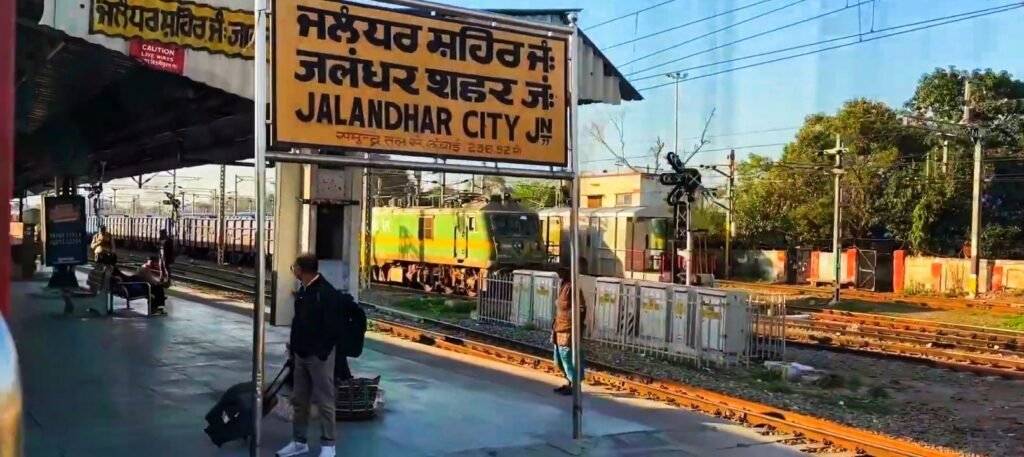
The story of Jalandhar Railway Station’s green transformation is ultimately a story of growth. But growth, in the modern meaning of infrastructure development, is no longer measured only by larger facilities, increased passenger movement, or improved connectivity. True growth also means becoming more efficient, responsible, resilient, and prepared for the future.
The achievement of the Green Railway Station Rating System certification in 2021 provided Jalandhar Railway Station with an important milestone. Its validity through 2024 created a period in which environmental practices could be strengthened and integrated into the station’s broader operational culture.
The experience demonstrated that certification can serve as a starting point for institutional excellence.
A New Definition of Growth
For a railway station, growth traditionally means greater capacity and improved services.
More passengers can be handled.
More trains can be accommodated.
Facilities can be modernized.
Information can become digital.
Connectivity can improve.
But sustainable growth adds another dimension.
The question becomes: Can the station grow while using resources more responsibly?
This question is especially important for established railway facilities such as Jalandhar. The station already serves an important urban and regional role. Its future development therefore needs to balance operational requirements with environmental responsibility.
The green certification journey helped establish this balance.
Certification as a Management Benchmark
A certification is valuable because it creates a benchmark.
Instead of relying only on general statements about being environmentally responsible, an organization can evaluate specific areas of performance.
Energy.
Water.
Waste.
Passenger comfort.
Site management.
Maintenance.
Operational practices.
These areas provide a framework for identifying strengths and opportunities for improvement.
For Jalandhar Railway Station, this framework supported a more systematic approach to environmental management.
The certification did not mean that every challenge had disappeared. Rather, it provided direction for addressing challenges in a structured way.
The Connection Between Quality and Sustainability
Quality management and environmental management are closely connected.
A well-maintained electrical system is more reliable.
A properly maintained water system is less likely to waste resources.
An organized waste-management system improves cleanliness.
A comfortable passenger environment improves the quality of service.
Preventive maintenance can reduce breakdowns and extend the useful life of infrastructure.
Therefore, sustainability can strengthen operational quality rather than competing with it.
This was an important lesson from Jalandhar’s green journey.
Environmental responsibility became another expression of the station’s commitment to quality.
Strengthening Northern Railway’s Institutional Culture
Jalandhar Railway Station operates within the larger framework of Northern Railway, where operational reliability, safety, passenger service, and infrastructure management are interconnected.
The green transformation supported this institutional culture by adding environmental performance to the list of long-term responsibilities.
The result was a broader definition of excellence.
A successful railway station should be safe.
It should be efficient.
It should provide good passenger services.
It should be clean.
And increasingly, it should also be environmentally responsible.
This combination creates a more complete model of modern railway management.
Preparing for Future Technologies
The green transformation also created a foundation for future technological development.
As technology continues to evolve, railway stations can benefit from increasingly efficient lighting, monitoring systems, renewable-energy solutions, water-saving technologies, smart controls, and improved waste-management systems.
The important point is not to adopt technology simply because it is new.
Future technology should be evaluated according to the value it creates.
Does it reduce energy use?
Does it conserve water?
Does it improve passenger comfort?
Does it reduce maintenance requirements?
Does it improve operational reliability?
Does it provide measurable environmental benefits?
This approach helps ensure that modernization remains practical and sustainable.
Data and Performance
The future of sustainable infrastructure will increasingly depend upon data.
Energy consumption can be monitored.
Water use can be measured.
Waste quantities can be tracked.
Maintenance activities can be documented.
Passenger feedback can be analyzed.
When information is collected consistently, management can make better decisions.
For example, if a particular area consistently consumes excessive electricity, it can be investigated. If water usage suddenly increases, maintenance teams can look for leakage or equipment problems. If a particular location repeatedly experiences waste accumulation, the placement or capacity of bins can be reconsidered.
Data therefore turns environmental management into a process of continuous learning.
Financial Sustainability
Long-term growth also requires financial responsibility.
Every railway facility operates within practical budgetary constraints. Environmental improvements must therefore deliver value.
Energy-efficient systems can reduce operating costs.
Water conservation can reduce unnecessary consumption.
Preventive maintenance can avoid more expensive failures.
Better waste management can improve resource recovery.
These benefits make sustainability economically meaningful.
The most successful green initiatives are those that create a combination of environmental, operational, and financial value.
Jalandhar’s experience illustrated this principle.
Reputation and Public Trust
A railway station is a highly visible public institution.
Its condition affects how people perceive the railway organization and, to some extent, the city itself.
Green certification can therefore contribute to institutional reputation.
When passengers see a clean, efficient, well-managed station, they experience the organization’s commitment directly.
This can build public confidence.
It demonstrates that modernization is not only about technology but also about responsibility.
For Northern Railway, this public-facing dimension is particularly important because railway stations are among the most frequently encountered components of the transportation system.
Beyond the Certification Period
The year 2024 marked the end of the stated validity period of the certification. But the end of a certification period should not mean the end of environmental responsibility.
Instead, it can become a point of reflection.
What worked well?
Which practices should continue?
Where can performance improve?
What new standards should be considered?
Which technologies are now available?
How can passenger participation be strengthened?
These questions can help convert a completed certification cycle into the foundation for another cycle of improvement.
The most mature organizations do not treat certification as a destination. They treat it as a recurring process of evaluation and progress.
A Vision for the Future
Looking forward, the ideal future for Jalandhar Railway Station is not simply a more modern station.
It is a station that combines modernization with environmental responsibility.
A station where energy is used efficiently.
Where water is treated as a precious resource.
Where waste is managed systematically.
Where passengers experience cleanliness and comfort.
Where employees understand sustainability as part of their daily responsibilities.
Where technology supports efficiency rather than unnecessary consumption.
And where every future improvement considers both present needs and future generations.
Such a vision reflects the changing expectations of public infrastructure.
The Meaning of Institutional Growth
The green transformation of Jalandhar Railway Station shows that institutional growth happens when an organization learns from experience.
The station’s history provided its foundation.
Northern Railway provided the institutional framework.
Employees provided the human effort.
The Green Railway Station Rating System provided a structured sustainability benchmark.
Passengers provided the reason for continuous improvement.
Together, these elements created a journey that extended beyond certification.
Jalandhar Railway Station demonstrated that a historic facility can evolve without losing its identity. It can become more environmentally responsible while continuing to perform its essential transportation role.
The most important lesson is perhaps the simplest:
Growth is not merely becoming bigger. Growth is becoming better.
For Jalandhar Railway Station, the green certification journey represented this philosophy in action.
The station entered the future not by leaving its history behind, but by building upon that history and adding a new commitment—to efficiency, sustainability, environmental responsibility, and long-term institutional excellence.
#WasteManagement
Chapter 10: The Future of Jalandhar Railway Station — A Legacy of Green Growth
Every journey has a destination, but the story of Jalandhar Railway Station’s green transformation does not truly end with the final chapter. The Green Railway Station Rating System certification achieved in 2021, with validity through 2024, represented an important milestone in the station’s development. More importantly, it created a foundation for a continuing journey toward environmental responsibility, operational efficiency, passenger comfort, and institutional excellence.
Jalandhar Railway Station has a long history of connecting people and places. Its future now carries another responsibility: demonstrating how a historic railway facility can continue to grow while respecting the environment and the resources on which society depends.
From History to the Future
The history of Jalandhar Railway Station reflects the development of railway transportation in Northern India. Generations of passengers have passed through its platforms, and the station has evolved alongside the city.
The green transformation added a new dimension to this history.
The station’s success could no longer be judged only by trains arriving on time or passengers moving efficiently. Modern expectations require public infrastructure to consider energy consumption, water conservation, waste management, environmental quality, cleanliness, and passenger well-being.
This represents a significant change in the meaning of progress.
The railway station of the future must be both efficient and responsible.
Continuing the Green Mission
Although the stated certification validity ended in 2024, the principles behind the certification remain relevant.
Environmental responsibility should not depend upon the presence of a certificate.
The real achievement is when sustainable practices become permanent parts of daily operations.
Energy-efficient lighting, responsible water use, organized waste management, cleanliness, efficient maintenance, and passenger awareness can continue regardless of the status of an individual certification cycle.
This creates a powerful concept: certification as a beginning rather than an ending.
The knowledge and systems developed during the certification process can provide the foundation for future environmental improvements.
The Next Generation of Railway Infrastructure
Railway infrastructure is changing rapidly.
Future stations are likely to depend increasingly on digital monitoring, efficient electrical systems, renewable energy, intelligent building controls, water-management technologies, improved waste-processing systems, and data-driven maintenance.
Jalandhar Railway Station has the opportunity to build upon its existing sustainability experience as these technologies develop.
Future improvements can be evaluated not simply by their appearance but by their measurable impact.
A new system should ideally answer several questions:
Does it save energy?
Does it conserve water?
Does it improve passenger comfort?
Does it reduce waste?
Does it improve reliability?
Does it offer long-term value?
This approach can help ensure that modernization remains aligned with sustainability.
Renewable Energy and Resource Independence
One of the major opportunities for future railway sustainability is renewable energy.
Where technically and economically appropriate, railway facilities can explore greater use of renewable-energy solutions. Solar power, in particular, can offer opportunities for facilities with suitable roof or site conditions.
The objective would not be to replace every conventional energy source immediately.
Instead, the long-term vision could be to gradually increase the share of cleaner energy while improving overall efficiency.
Such measures could support both environmental goals and energy-management objectives.
The principle is simple:
The less energy a station wastes, the easier it becomes to meet its remaining requirements responsibly.
Smarter Water Management
Water conservation will also remain important in the future.
Modern monitoring systems can potentially identify unusual consumption patterns and help maintenance teams detect problems more quickly. Efficient fixtures, improved plumbing, rainwater-management systems, and responsible landscaping can further support conservation.
The future station should treat water as a carefully managed resource.
Every litre saved represents not only an environmental benefit but also a contribution to long-term operational resilience.
This is especially important as cities face increasing pressure on water resources.
Toward a Circular Waste System
Waste management can also evolve beyond simple collection and disposal.
The future approach can emphasize the idea of a circular economy—where materials are recovered, reused, recycled, or processed whenever practical.
Paper, plastics, metals, organic waste, and other material streams can be managed more systematically.
Passenger awareness can also become more sophisticated.
Instead of simply asking travelers not to litter, future campaigns can explain why segregation matters and how individual actions contribute to a larger environmental system.
A railway station can therefore become a practical demonstration of circular resource management.
The Passenger of Tomorrow
Future passengers will likely expect more from public transportation.
They will expect clean facilities.
They will expect digital information.
They will expect accessibility.
They will expect efficient services.
And increasingly, they will expect environmental responsibility.
Jalandhar Railway Station’s green journey has already established an important foundation for meeting these expectations.
The next stage is to integrate sustainability even more deeply into passenger experience.
A traveler should not have to choose between convenience and environmental responsibility.
The best railway infrastructure provides both.
Employees Will Remain the Key
No technology can replace the importance of people.
Future systems may become smarter, but employees will still operate, monitor, maintain, and improve them.
The knowledge developed by station personnel during the green certification journey is therefore an important institutional asset.
Training future employees in environmental responsibility can ensure that sustainable practices continue across generations of railway workers.
The green culture created today can become part of tomorrow’s standard operating environment.
A Model for Other Stations
The experience of Jalandhar Railway Station can also offer lessons to other railway facilities.
Every station has different physical conditions, passenger volumes, operational requirements, and environmental challenges.
Yet the basic principles remain widely applicable:
Use resources efficiently.
Prevent waste.
Maintain cleanliness.
Improve passenger comfort.
Monitor performance.
Train employees.
Engage passengers.
Continue improving.
In this sense, the story of Jalandhar can become part of a larger narrative about the greening of Indian railway infrastructure.
The Meaning of the Certification
Looking back, the 2021 Green Railway Station Rating System certification can be understood as a symbol of transition.
It represented the point at which sustainability became an explicit part of the station’s identity.
The certificate itself was important, but its deeper meaning was greater.
It showed that environmental responsibility could coexist with railway operations.
It showed that an established public facility could adopt modern sustainability principles.
It showed that operational efficiency and environmental protection could support one another.
And it showed that people, infrastructure, and management could work together toward a common objective.
A Legacy That Continues
As the sun sets over Jalandhar and another train prepares to leave the station, the tracks stretch toward destinations across Northern India.
Passengers board.
Announcements echo through the station.
Lights illuminate the platforms.
Employees continue their duties.
The movement appears ordinary, but behind it lies a much larger story.
A story about a historic railway station adapting to a changing world.
A story about Northern Railway embracing environmental responsibility.
A story about employees turning policies into everyday practices.
A story about passengers becoming participants in sustainability.
And a story about growth that is measured not only by infrastructure, but by responsibility.
The Green Railway Station Rating System journey of Jalandhar Railway Station may have had a formal certification period from 2021 to 2024, but its most important lessons are not restricted by dates.
The future belongs to infrastructure that can serve people while protecting resources.
Jalandhar Railway Station has already taken an important step in that direction.
Its next chapter will depend on the continued commitment of railway management, employees, passengers, engineers, communities, and future generations.
The station’s tracks will continue to connect destinations.
Its platforms will continue to welcome travelers.
Its role in the city will continue to evolve.
But the most enduring legacy of its green transformation will be the principle it represents:
A railway station does more than connect places. It connects the present with the future—and true progress means making that connection responsibly.
And so, the story does not really end.
The train departs.
The platform becomes quiet.
Another journey begins.
And Jalandhar Railway Station continues moving forward—toward a cleaner, more efficient, more sustainable, and more responsible future.
#ContinuousImprovement
#JalandharGreenInitiative #RailwaySustainabilityIndia #EcoFriendlyRailway #SustainableStationDevelopment #GreenInfrastructureIndia
Take the Next Step Today
Don’t wait to enhance your business’s quality and efficiency. Partner with Mayu Group India and experience the transformation that comes with expert consultancy and training. Contact us today to learn more about how we can help you achieve your business goals. Reach out via phone at +91-9322728183, visit our website at www.mayugroup.in, or email us at investor@mayugroup.in Let us be your guide on the journey to excellence and innovation.