
Pandit Deen Dayal Upadhyaya Station
- Pandit Deen Dayal Upadhyaya Station
- Chapter 1: The Station and Its Legacy
- Chapter 2: The Beginning of the Green Transformation
- Chapter 3: The Certification Journey and the 2020 Milestone
- Chapter 4: From Certification to Operational Improvement
- Chapter 5: Passenger Experience, Sustainability and Public Value
- Chapter 6: People, Management and Institutional Growth
- Chapter 7: The Promoter, Certification Ecosystem and Growth of the Project
- Chapter 8: Recognition, Reputation and the Impact of Green Certification
- Chapter 9: From Certification to Continuous Improvement
- Chapter 10: The Future Vision and Lasting Legacy of Pandit Deen Dayal Upadhyaya Station
- Take the Next Step Today

Chapter 1: The Station and Its Legacy
Pandit Deen Dayal Upadhyaya Station, located in Pandit Deen Dayal Upadhyaya Nagar, District Chandauli, Uttar Pradesh, is one of the most significant railway stations in eastern India. As an important part of the East Central Railway, the station has played a major role in connecting passengers, businesses, communities and cities across northern and eastern India. Its history is closely associated with the development of Indian Railways and with the transformation of railway infrastructure from a traditional transportation facility into a modern public-service environment.
The station was historically known as Mughalsarai Junction. Over the years, it became widely recognised as an important railway junction because of its strategic geographical position. The station lies on major railway routes connecting important regions of northern India with eastern India. Thousands of passengers, railway employees, vendors, traders and visitors have interacted with the station over generations. Consequently, its importance extends beyond railway operations. It has become part of the economic and social life of the surrounding region.
With the passage of time, the role of a railway station changed considerably. Earlier, the primary expectation from a station was simple: trains should arrive and depart safely and passengers should be able to board and leave them conveniently. Modern passengers, however, expect much more. They look for clean platforms, hygienic toilets, safe drinking water, comfortable waiting areas, adequate lighting, proper waste management, accessibility and an overall pleasant environment.
This change in expectations created new responsibilities for railway authorities. A major station could no longer be viewed merely as a collection of platforms, tracks and buildings. It had to be managed as an integrated facility in which energy, water, sanitation, waste, passenger amenities and environmental performance were all interconnected.
Pandit Deen Dayal Upadhyaya Station gradually became part of this transformation.
The station’s large operational scale made environmental management particularly important. Every day, railway facilities consume electricity and water, generate waste and require continuous maintenance. Lighting must operate across platforms and passenger areas. Water is required for sanitation, cleaning and passenger needs. Waste generated by passengers and railway activities must be collected, segregated and disposed of responsibly. All of these activities have environmental as well as operational consequences.
The Green Railway Station initiative offered an opportunity to address these challenges through a systematic framework.
The Indian Green Building Council’s Green Railway Stations rating system was developed with the support of the Environment Directorate of Indian Railways. The programme focuses on improving environmental performance at railway stations through areas such as energy efficiency, water conservation, renewable energy, waste management, green cover, passenger amenities and facility management. Rather than considering environmental protection as a separate activity, the rating system integrates sustainability into everyday railway operations.
For Pandit Deen Dayal Upadhyaya Station, this approach was especially relevant because of its history and scale. A station that serves a large number of passengers must balance operational efficiency with environmental responsibility. Improvements must be practical, reliable and capable of functioning within an active railway environment.
The station’s green transformation therefore represented more than the installation of individual environmental measures. It represented a change in thinking.
The railway organisation began looking at the station not only in terms of trains and passengers but also in terms of resources. How efficiently was electricity being used? How could water consumption be reduced? How could waste be handled more effectively? How could passenger facilities become cleaner and more comfortable? How could environmental awareness become part of everyday railway management?
These questions formed the foundation for the certification journey.
In 2020, this journey reached an important milestone when Pandit Deen Dayal Upadhyaya Junction received a Silver rating under the Green Railway Station programme. The station reportedly achieved 51 points out of 100 in the assessment. The certification record identifies the issue date as 18 December 2020, with validity through 18 December 2023.
The achievement was significant because the station was an operating railway facility rather than a newly built green development. Its environmental performance had to be considered within the practical realities of a busy railway station. The certification demonstrated that sustainability principles could be incorporated into an established public infrastructure facility.
The achievement also helped strengthen the station’s identity. A railway station is experienced directly by the public. Improvements in cleanliness, resource efficiency and passenger facilities can influence how people perceive the railway organisation itself. Environmental certification can therefore contribute not only to ecological performance but also to institutional reputation and public confidence.
The story of Pandit Deen Dayal Upadhyaya Station is consequently a story of evolution. Its historical importance provided the foundation, while modern environmental expectations created a new direction.
The station continued to perform its traditional role of connecting people and places, but its responsibilities expanded. It became necessary to ensure that growth in railway services was accompanied by responsible management of natural resources and public facilities.
The Green Railway Station certification became an important milestone in this continuing evolution.
It symbolised a transition from simply operating a major railway station to managing it with greater attention to sustainability, efficiency and environmental responsibility. The certificate itself was only one achievement. The deeper accomplishment was the recognition that the future of railway infrastructure depends upon combining reliable transportation with responsible resource management.
Pandit Deen Dayal Upadhyaya Station thus entered a new chapter in its long history—one in which its legacy as a major railway junction could be connected with the modern vision of a cleaner, more efficient and environmentally responsible railway system.
#PanditDeenDayalUpadhyayaStation
Chapter 2: The Beginning of the Green Transformation
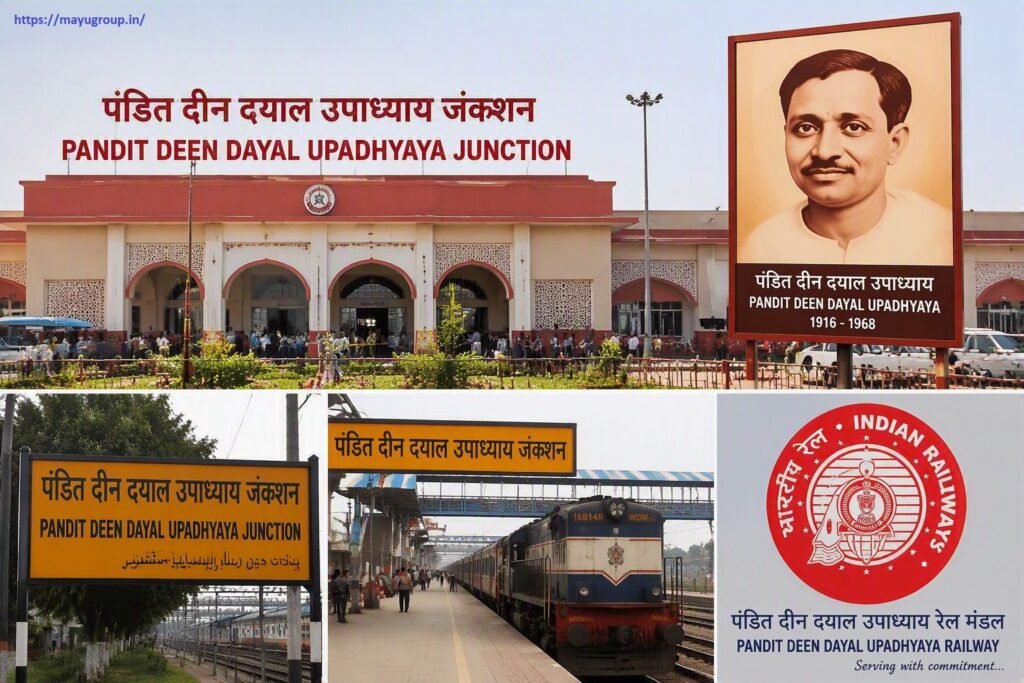
The transformation of Pandit Deen Dayal Upadhyaya Station into a more environmentally responsible railway facility did not happen overnight. It was the result of a gradual change in priorities, operational practices and management thinking. As Indian Railways increasingly recognised the importance of sustainability, major stations were encouraged to examine how their infrastructure and everyday activities could contribute to a greener future.
For Pandit Deen Dayal Upadhyaya Station, this development was particularly important because of its size, history and strategic importance. A major railway junction handles a continuous flow of passengers, trains, employees and commercial activities. Such an environment naturally requires significant quantities of electricity, water and other resources. It also produces considerable quantities of waste and requires constant cleaning and maintenance.
The challenge was therefore not simply to introduce one environmental project. The challenge was to develop a coordinated approach in which sustainability could become part of normal railway operations.
The Green Railway Station rating system provided such an approach.
Developed by the Indian Green Building Council with support from the Environment Directorate of Indian Railways, the Green Railway Stations programme was designed to encourage railway stations to adopt environmentally responsible practices. The programme considers several areas of performance, including energy efficiency, water conservation, renewable energy, waste management, green cover, passenger amenities and facility management.
This framework changed the way a station’s environmental performance could be understood.
Instead of asking whether a station had undertaken one particular green initiative, the assessment encouraged a broader question: how effectively does the entire station operate from an environmental perspective?
For DDU Station, this meant looking at everyday activities from a sustainability perspective.
Electricity was one important area. Railway stations require lighting throughout platforms, waiting areas, circulation spaces and other facilities. Electrical systems must provide adequate illumination for passenger safety while avoiding unnecessary consumption. Efficient lighting and appropriate operational controls can therefore contribute to both environmental performance and cost management.
Water represented another major area of concern. A busy railway station requires water for drinking facilities, sanitation, cleaning and other passenger services. Conservation becomes particularly important where thousands of people use the same facilities. Efficient water use, maintenance of plumbing systems and responsible consumption can reduce pressure on water resources while maintaining necessary services.
Waste management was equally important.
Railway stations are public spaces, and passengers generate waste throughout the day. Food packaging, paper, plastic containers and other materials can accumulate rapidly if collection and disposal systems are inadequate. A systematic waste-management approach can help keep platforms and public areas cleaner while reducing environmental impacts.
Cleanliness also has a direct relationship with passenger satisfaction.
When passengers enter a railway station, the cleanliness of platforms, waiting areas and sanitary facilities becomes one of the first things they notice. Environmental initiatives therefore do not necessarily require a separation between sustainability and passenger service. In many cases, the same improvement can benefit both.
For example, better waste management can improve environmental performance while creating a cleaner station. Efficient lighting can reduce energy consumption while maintaining safer and more comfortable passenger areas. Water conservation can reduce resource consumption while supporting reliable sanitation systems.
This connection between environmental performance and passenger experience became one of the important principles behind the green transformation.
Another important consideration was the role of railway employees. Infrastructure alone cannot guarantee sustainable performance. Employees must operate and maintain facilities correctly. Cleaning teams, electrical personnel, engineering staff, station management and other departments all contribute to the effectiveness of environmental systems.
The green-rating process encouraged greater awareness of these responsibilities.
The certification journey also required the station to consider documentation, assessment and measurable performance. Environmental management becomes more effective when activities can be monitored and evaluated. This approach encourages an organisation to identify existing strengths, recognise areas requiring improvement and establish priorities for future work.
For a historic and continuously operating railway station, this structured approach was valuable.
The station could not simply stop operations while environmental improvements were introduced. Changes had to be integrated into an active railway environment where passenger movement and train operations continued every day.
This made the transformation a practical management exercise as much as an environmental one.
The journey toward certification also reflected a broader change taking place across Indian Railways. Railway infrastructure was increasingly being viewed through the lens of sustainability. Energy conservation, renewable energy, water efficiency, waste reduction and improved passenger amenities were becoming important components of modern railway development.
Pandit Deen Dayal Upadhyaya Station became part of this wider movement.
The objective was not to change the fundamental purpose of the station. Its primary responsibility remained safe and efficient railway service. Instead, the objective was to make that service more responsible in the way resources were consumed and facilities were managed.
This distinction is important.
Green transformation does not mean sacrificing operational efficiency for environmental goals. Ideally, the two objectives support each other. A well-managed station can reduce waste, conserve resources, improve maintenance and simultaneously provide a better experience for passengers.
As preparations for assessment progressed, the station’s environmental initiatives became part of a larger institutional effort. The eventual Green Railway Station rating would provide external recognition, but the process leading to that recognition was itself valuable.
It encouraged people to look at familiar facilities with new eyes.
A light was no longer simply a light; it represented energy consumption. A water tap represented a resource that needed responsible management. A waste bin represented an opportunity for better cleanliness and disposal. A landscaped area represented not only appearance but also environmental value.
This shift in perspective was the real beginning of the transformation.
By the time Pandit Deen Dayal Upadhyaya Station received its Green Railway Station rating in 2020, the achievement reflected more than a certificate. It represented the growing integration of sustainability into the management of one of India’s important railway facilities.
The journey had begun with a simple but powerful idea: a railway station can connect people and places while also taking responsibility for the environment in which it operates.
That idea would become the foundation for the station’s next stage of development—moving from preparation and implementation toward formal assessment, recognition and continuous improvement.
#GreenRailwayStation
Chapter 3: The Certification Journey and the 2020 Milestone
The green transformation of Pandit Deen Dayal Upadhyaya Station entered a decisive phase when environmental initiatives were brought together under a formal certification framework. For a major railway station, certification was not simply a matter of obtaining recognition. It represented a systematic examination of how the station was being operated, maintained and managed from an environmental perspective.
The Green Railway Station rating system provided the structure for this process. Developed by the Indian Green Building Council with support from the Environment Directorate of Indian Railways, the programme was designed to encourage railway stations to improve their environmental performance. Its focus extends across areas such as energy efficiency, water conservation, renewable energy, waste management, green cover, passenger amenities and facility management.
For Pandit Deen Dayal Upadhyaya Station, participation in this programme created an opportunity to assess existing practices against a recognised framework. The station could identify areas where environmental performance was already strong and areas where additional attention could produce meaningful improvements.
The certification process also encouraged a more organised approach to environmental management. Instead of treating individual improvements as isolated activities, the station could consider them as components of one larger sustainability strategy.
Energy management was an important part of this thinking. A large railway station operates for extended periods and requires lighting and electrical services across extensive passenger and operational areas. Efficient use of electricity therefore has both environmental and operational significance. The objective is not simply to reduce electricity use but to ensure that energy is used effectively while maintaining safety, visibility and passenger comfort.
Water management was similarly important. Railway stations require water for sanitation, cleaning, drinking and other passenger needs. Efficient water use can help conserve an increasingly valuable natural resource while also supporting the reliable operation of station facilities.
Waste management provided another important area for evaluation. Passenger traffic naturally produces waste, and a major station needs systems capable of collecting, handling and disposing of it responsibly. Effective waste management can contribute simultaneously to cleanliness, environmental protection and passenger satisfaction.
The certification framework also placed importance on the broader passenger environment.
A green railway station is not simply a station that consumes fewer resources. It is also a facility that seeks to provide a healthier, safer and more comfortable environment for people. Good ventilation, appropriate lighting, cleanliness, accessibility and well-maintained passenger facilities can all contribute to the quality of the station experience.
This approach was particularly meaningful at Pandit Deen Dayal Upadhyaya Station because of its role as a major railway junction. The environmental performance of a small facility can be important, but the potential impact of improvements at a large and heavily used station can be considerably greater.
The assessment process required cooperation across different areas of station management.
Railway operations are divided among specialised functions, but sustainability crosses these organisational boundaries. Electrical teams are connected to energy efficiency. Engineering and maintenance teams influence water systems and building performance. Cleaning personnel influence waste management and hygiene. Station management coordinates many of these activities and ensures that passenger requirements remain central.
The certification journey therefore encouraged a shared sense of responsibility.
An important milestone was reached in December 2020. Pandit Deen Dayal Upadhyaya Junction received a Silver rating under the Green Railway Station programme. Contemporary reporting stated that the station achieved 51 points out of 100 in the assessment. The certification record gives an issue date of 18 December 2020 and a validity period through 18 December 2023.
The rating provided external recognition of the station’s environmental efforts.
A Silver rating was not merely a symbolic award. It indicated that the station had successfully addressed a range of environmental and operational criteria under the applicable rating framework. It also provided a measurable baseline from which future performance could be evaluated.
For railway management, such a baseline can be extremely valuable.
Once performance has been assessed, future improvement becomes easier to define. Management can ask whether energy consumption can be reduced further, whether water systems can become more efficient, whether waste segregation can be strengthened, whether passenger facilities can be improved and whether additional renewable-energy opportunities can be explored.
The 2020 certification therefore represented both an achievement and a starting point.
It also contributed to the public image of the station. A recognised green rating can demonstrate that a major public facility is responding to modern expectations concerning environmental responsibility. For passengers, this can reinforce confidence that cleanliness, resource conservation and facility management are being treated as important aspects of railway service.
For employees, certification can create a sense of institutional achievement. The people who maintain the station every day become part of a larger story about environmental responsibility. Their routine work—cleaning, maintenance, monitoring, repairing and managing facilities—can be understood as contributing to a recognised sustainability objective.
The certification also reflected a wider change in the railway sector.
Indian Railways has increasingly adopted environmental programmes aimed at improving energy efficiency, increasing renewable-energy use, conserving water, managing waste and reducing the environmental impact of railway operations. Green station certification fits into this broader transformation.
Pandit Deen Dayal Upadhyaya Station’s 2020 achievement should therefore be understood within this larger context. It was one station contributing to a much wider vision of sustainable railway infrastructure.
The most important lesson from the certification journey is that environmental improvement becomes more effective when it is measured, structured and continuously managed.
The Silver rating marked a specific date in the station’s history, but the underlying objective was much larger. It encouraged the station to continue improving after the certificate had been issued.
Certification could confirm what had already been achieved. Continuous improvement would determine what happened next.
For Pandit Deen Dayal Upadhyaya Station, December 2020 consequently became an important milestone. The station’s historic identity as a major railway junction was joined by a new identity as a formally recognised green railway facility.
The certificate represented recognition of progress.
The real opportunity, however, was to use that recognition as a foundation for the next stage: stronger systems, better resource management, improved passenger facilities and a continuing commitment to sustainable railway development.
#IndianRailways
Chapter 4: From Certification to Operational Improvement
The award of a Green Railway Station rating in 2020 represented an important milestone for Pandit Deen Dayal Upadhyaya Station, but the deeper value of certification lay in what it encouraged after the assessment. A certificate can provide recognition, yet the real measure of success is whether the principles behind the certification become part of everyday operations.
For a major railway station, this is a demanding responsibility. The station must function continuously while thousands of passengers, railway employees and service providers use its facilities. Trains arrive and depart according to demanding schedules, platforms remain active throughout the day, and essential services must operate without interruption. Environmental improvements therefore have to work within the practical realities of railway operations.
This is where the green-rating approach became significant.
The Green Railway Station framework encourages attention to multiple areas rather than concentrating on a single environmental activity. Energy efficiency, water conservation, renewable energy, waste management, green cover, passenger amenities and facility management are interconnected. Improvement in one area can often influence another.
Consider energy management. Lighting is essential at a railway station, particularly for passenger safety and smooth movement during night hours. At the same time, unnecessary electricity consumption increases operating costs and environmental impact. Efficient lighting systems, appropriate controls and regular maintenance can help achieve both objectives: reliable illumination and responsible energy use.
The same principle applies to water.
A station serving a large passenger population requires dependable water supplies for drinking, sanitation, cleaning and maintenance. Water conservation therefore cannot mean simply reducing availability. Instead, the goal is to use water intelligently, prevent avoidable losses and maintain infrastructure properly. Efficient water management can support environmental objectives while also making station operations more reliable.
Waste management presents another practical challenge.
Railway stations are places of constant movement. Passengers purchase food and beverages, use public facilities and carry a variety of materials onto platforms. As a result, waste can be generated continuously. Maintaining cleanliness requires more than placing bins around the station. It requires collection, handling, segregation, transportation and appropriate disposal.
A systematic waste-management approach can therefore improve both environmental performance and passenger experience.
This is one of the most important characteristics of green infrastructure: environmental improvements often produce visible operational benefits.
A cleaner station is better for passengers. Efficient lighting improves the environment while reducing energy demand. Properly maintained water systems support hygiene and resource conservation. Green areas can improve the appearance and atmosphere of a facility while contributing to its environmental character.
Certification helped bring these connections into sharper focus.
Another important change involved awareness among station personnel. Environmental management cannot be handled only by senior officials or specialist consultants. It requires participation at every operational level.
A cleaning employee who understands waste segregation contributes to sustainability. A maintenance worker who identifies a leaking water line helps conserve resources. An electrical technician who ensures efficient operation of equipment contributes to energy management. Station supervisors who monitor facilities and address problems quickly help maintain the overall standard.
In this way, certification can influence organisational culture.
The station’s green rating created a common objective around which different departments could coordinate. Sustainability became connected with routine responsibilities rather than remaining an isolated environmental programme.
This institutional dimension is particularly important when discussing the “growth” of a railway station. Growth in a public infrastructure organisation is not necessarily measured by revenue or commercial expansion. It can be measured by improvements in service quality, operational efficiency, resource management, infrastructure reliability and public satisfaction.
From this perspective, the Green Railway Station certification became a tool for institutional development.
The 2020 Silver rating, with a reported score of 51 out of 100, provided a measurable benchmark. A benchmark is valuable because it allows an organisation to understand where it stands and where it can go next. Instead of treating sustainability as an abstract objective, management can identify specific areas for improvement and track progress over time.
The certification was issued on 18 December 2020 and was valid through 18 December 2023. This validity period created a natural opportunity for continued monitoring and improvement.
During such a period, the station could use the certification experience to strengthen maintenance practices, improve environmental awareness and explore additional opportunities. The objective would not simply be to preserve the existing level of performance but to develop the station further.
This concept of continual improvement is particularly relevant to large railway facilities.
Infrastructure is never static. Equipment ages, passenger demand changes, technology develops and environmental expectations become more demanding. A system that performs well today may require modification tomorrow.
Consequently, sustainable station management requires an ongoing cycle: assess, improve, monitor, maintain and reassess.
The experience of Pandit Deen Dayal Upadhyaya Station illustrates this principle. The certification was the result of a process, but it also created a framework for the next process.
The station’s reputation could benefit from this continuous approach. External recognition demonstrates that the station has achieved a particular environmental standard. Maintaining and improving that standard demonstrates organisational commitment.
For passengers, the benefits can be experienced through the condition of the station itself. Clean platforms, functional facilities, appropriate lighting, responsible waste management and comfortable public areas contribute to a better journey.
For railway employees, improved systems can make everyday work more organised and effective.
For the railway organisation, better resource management can contribute to operational efficiency and long-term sustainability.
The environmental benefits are equally important. Reduced energy consumption can lower environmental impact. Better water management supports conservation. Effective waste management reduces unnecessary pollution. Green infrastructure can contribute to a healthier station environment.
Thus, the certification journey gradually became an operational improvement journey.
The significance of Pandit Deen Dayal Upadhyaya Station’s green achievement lies not only in the Silver rating received in 2020, but in the philosophy behind it. The station demonstrated that sustainability could be integrated into a functioning railway environment without compromising its primary responsibility of moving people safely and efficiently.
The next stage of the story is therefore not about the certificate itself. It is about people, systems and management practices that convert certification into lasting improvement.
The certificate marked achievement.
Operational improvement gave that achievement meaning.
#SustainableRailways
Chapter 5: Passenger Experience, Sustainability and Public Value
The transformation of Pandit Deen Dayal Upadhyaya Station through environmental initiatives was not limited to technical systems or certification documents. At the centre of the entire process was the passenger. A railway station exists to serve people, and any improvement in infrastructure ultimately becomes meaningful when it creates a safer, cleaner, more comfortable and more efficient experience for those who use it.
For this reason, the Green Railway Station approach was particularly relevant to DDU Station. Environmental sustainability and passenger service are often treated as separate subjects, but in a modern railway facility they are closely connected.
A clean platform is both an environmental and passenger-service achievement. Efficient lighting is both an energy-saving measure and a safety improvement. Proper water management supports conservation while ensuring sanitation. Effective waste management reduces environmental impact while making public areas more pleasant.
This relationship formed an important part of the station’s wider development.
Pandit Deen Dayal Upadhyaya Station is a major railway facility, and its platforms and passenger areas must accommodate continuous movement. The station therefore requires reliable infrastructure that can perform under demanding conditions. Every facility—from lighting and water supply to sanitation and waste collection—must be maintained consistently.
The Green Railway Station rating framework encouraged attention to precisely these kinds of issues.
One of the most visible aspects of a green railway station is cleanliness. Passengers immediately notice the condition of platforms, waiting areas, entrances and sanitary facilities. Clean surroundings can influence a traveller’s perception of the entire railway system.
Waste management is therefore more than an environmental responsibility. It is also a public-service responsibility.
At a busy railway station, waste can accumulate rapidly. Food containers, paper, plastic packaging and other materials are generated throughout the day. Without effective collection systems, such waste can create unpleasant surroundings and increase environmental risks.
A structured approach to waste management helps address this problem. Waste needs to be collected regularly, handled responsibly and, where appropriate, segregated for further processing or disposal.
The environmental benefit is clear, but the passenger benefit is equally important.
A cleaner station creates a better atmosphere for travellers. Families waiting for trains, elderly passengers, children and people travelling long distances all benefit from hygienic surroundings.
Water management provides another example.
Railway stations require water for a variety of purposes, including drinking, sanitation and cleaning. Reliable water availability is essential to passenger comfort, but responsible consumption is equally important. Efficient fixtures, regular maintenance and careful monitoring can help prevent unnecessary wastage.
Good water management can also improve the reliability of station services.
A leaking pipe or poorly maintained water system may appear to be a small operational issue, but repeated losses across a large facility can become significant. Regular maintenance therefore contributes simultaneously to conservation and operational efficiency.
Energy management has a similar dual benefit.
A railway station needs sufficient lighting to ensure safe passenger movement. Platforms, stairways, entrances, waiting spaces and circulation areas must remain appropriately illuminated. At the same time, excessive electricity consumption can increase operating costs and environmental impact.
Energy-efficient equipment and responsible operating practices provide a solution. The objective is to achieve the required level of lighting and comfort while avoiding unnecessary consumption.
For passengers, the improvement may simply appear as a well-lit platform.
For railway management, however, it can represent better resource efficiency.
The station’s green development also contributed to a broader public message. When a large public institution adopts environmental practices, it can influence the behaviour and expectations of the people who use it.
Passengers who see organised waste collection, clean facilities and environmental information may become more aware of their own responsibilities. They may be more likely to use designated bins, avoid littering and treat public infrastructure with greater care.
In this way, the station can become a place where environmental awareness is demonstrated through everyday experience.
The Green Railway Station rating also helped establish a connection between infrastructure quality and institutional reputation. A station is often one of the first points through which visitors experience a city or region. Its appearance and management can therefore influence perceptions beyond the railway itself.
Pandit Deen Dayal Upadhyaya Station has a particularly important role in this regard because of its historical and strategic significance. Improvements in its physical environment can contribute to a more modern image of the surrounding region.
The station’s 2020 Silver rating provided external recognition of its environmental efforts. Contemporary reporting noted that the station achieved 51 out of 100 points in the assessment. The certification was issued on 18 December 2020 and remained valid through 18 December 2023.
Such recognition can strengthen public confidence because it indicates that environmental performance has been assessed against a defined framework rather than being based solely on internal claims.
However, the most meaningful measure of success remains the experience of people using the station.
A certification document may be stored in an office, but its purpose is realised on platforms, in waiting areas, in sanitation facilities and throughout the station environment.
This is why passenger experience should remain central to any future development.
As railway technology and passenger expectations continue to evolve, stations will need to become more responsive. Digital information systems, improved accessibility, better facility management and sustainable infrastructure can all contribute to a modern passenger environment.
The green transformation therefore created a foundation for broader development.
It demonstrated that sustainability does not have to be an abstract concept. It can be experienced through cleaner surroundings, efficient services, responsible use of resources and better-managed public facilities.
For railway employees, this creates a sense of responsibility. For management, it creates measurable objectives. For passengers, it creates visible benefits. For the environment, it can reduce unnecessary consumption and waste.
The story of Pandit Deen Dayal Upadhyaya Station consequently extends beyond certification. It is a story about public value.
The station’s development shows how environmental responsibility can become part of the quality of public transportation. By combining railway operations with sustainability principles, a major station can serve not only as a transportation hub but also as an example of responsible infrastructure management.
The 2020 Green Railway Station recognition was an important step in that direction.
Its lasting significance lies in the possibility of creating a continuing cycle of improvement in which environmental performance and passenger service strengthen one another.
A greener station can be a better station.
And a better station can create greater value for passengers, employees, the railway organisation and the community it serves.
#GreenInfrastructure
Chapter 6: People, Management and Institutional Growth
The environmental transformation of Pandit Deen Dayal Upadhyaya Station was ultimately a human achievement. Buildings, equipment, systems and certification frameworks provide the structure for improvement, but people are responsible for putting those systems into practice. The Green Railway Station journey therefore created an opportunity not only to improve infrastructure but also to strengthen management practices and institutional awareness.
A railway station operates through the coordinated efforts of many groups. Station managers oversee daily operations. Engineering teams maintain buildings and infrastructure. Electrical personnel manage power-related systems. Sanitation workers maintain cleanliness. Other employees support passenger services, security, commercial operations and railway administration.
Each of these functions has an environmental dimension.
Before sustainability becomes an organisational culture, it must first become part of everyday thinking. An employee repairing a leaking pipe, monitoring electrical equipment or ensuring proper waste collection may be performing a routine task, but that task can have a direct effect on environmental performance.
The Green Railway Station rating framework helped bring these connections together.
The objective was not simply to ask whether particular green technologies existed. It was also necessary to consider how facilities were managed and maintained. A highly efficient system cannot produce its intended results if it is poorly operated. Similarly, a well-designed waste-management system will not remain effective without regular collection, monitoring and employee participation.
This made human involvement central to the certification process.
For Pandit Deen Dayal Upadhyaya Station, the green journey encouraged greater attention to coordination between different operational areas. Environmental performance does not belong to one department. Energy use may involve electrical and engineering personnel. Water management may involve maintenance teams. Waste management involves sanitation and housekeeping staff. Passenger amenities require coordination across several functions.
When these teams work toward a common objective, the station can achieve a more consistent standard.
This is one of the less visible but most important benefits of certification: it creates a shared language for improvement.
A station employee may traditionally think about his or her responsibilities in terms of trains, maintenance, cleanliness or passenger service. A sustainability framework encourages the same employee to consider the environmental consequences of those activities.
This change in perspective can gradually influence organisational culture.
Energy conservation provides a straightforward example. Employees who understand the importance of efficient electricity use may become more attentive to unnecessary consumption. Equipment can be monitored more carefully, faults can be reported promptly and maintenance can be prioritised before minor problems become larger ones.
Water conservation follows the same principle.
A small leak may appear insignificant, but if it continues for days or weeks, the cumulative loss can be substantial. Employees who recognise water as a valuable resource are more likely to report such problems and support timely repairs.
Waste management depends even more heavily on human behaviour.
Bins and collection systems are useful only when passengers and employees use them correctly. Regular cleaning and collection require discipline. Where segregation is part of the system, staff must understand the process and maintain it consistently.
The station’s green rating consequently represented more than infrastructure. It represented the interaction between infrastructure and human behaviour.
This interaction is important when considering the concept of institutional growth.
A private company may measure growth through turnover, market share, profit or the number of customers. A public railway organisation has a different set of responsibilities. Its growth can be reflected in service reliability, passenger satisfaction, operational efficiency, infrastructure quality, environmental performance and the ability of employees to manage increasingly complex facilities.
From this perspective, the Green Railway Station initiative contributed to organisational development.
The certification also provided a measurable point of reference. Pandit Deen Dayal Upadhyaya Station achieved a Silver rating in 2020, with a reported score of 51 out of 100. This gave the station a defined environmental performance benchmark.
Benchmarks are useful because they make future improvement more concrete.
Once a station knows its existing performance, management can identify areas where additional effort may generate results. Future objectives might include greater energy efficiency, improved water conservation, stronger waste management, expanded renewable-energy use or enhanced passenger facilities.
The process can therefore become cyclical: assess performance, identify opportunities, implement improvements, monitor results and reassess.
This approach also helps prevent certification from becoming a one-time event.
The certification record lists an issue date of 18 December 2020 and validity through 18 December 2023. The end of a certification period naturally creates an opportunity for reflection. What worked effectively? Which practices should be strengthened? Which technologies have changed? What new passenger expectations have emerged?
These questions can help guide the next stage of institutional development.
The role of management is particularly important in this process. Senior leadership must establish priorities, allocate resources and encourage departments to cooperate. Employees must understand why changes are being made and how their work contributes to the overall objective.
Communication is therefore an important part of sustainability.
When employees understand the purpose behind an environmental initiative, compliance can become commitment. A person who knows that saving electricity contributes to a larger environmental target is more likely to see energy conservation as part of professional responsibility rather than simply another instruction.
The same principle applies to passengers.
Environmental awareness can be communicated through signs, information boards, public announcements and the design of facilities. The station itself can encourage responsible behaviour by making waste disposal convenient, providing clear information and maintaining clean public areas.
Over time, these small actions can create a larger culture of responsibility.
The experience of Pandit Deen Dayal Upadhyaya Station therefore demonstrates that green transformation is not primarily a story of technology. It is a story of systems and people working together.
Technology can reduce energy consumption. Infrastructure can support water conservation. Waste systems can improve cleanliness. But people determine whether these solutions continue to work.
The 2020 certification was therefore a milestone in both environmental and institutional development.
It showed that a major railway station could bring together infrastructure, management and human participation under a recognised sustainability framework.
The future of that achievement depends on maintaining this culture.
As railway infrastructure becomes increasingly modern, employees will need new skills, management systems will need to become more data-driven and passenger expectations will continue to evolve. Environmental responsibility will increasingly become a normal part of railway operations rather than a separate programme.
For Pandit Deen Dayal Upadhyaya Station, this represents an important opportunity.
Its historic legacy provides the foundation, while its environmental certification provides a benchmark for the future.
The true growth of the institution can therefore be measured not only by what was achieved in 2020, but by how effectively the lessons of that achievement continue to influence people, systems and management in the years that follow.
#EnvironmentalSustainability
Chapter 7: The Promoter, Certification Ecosystem and Growth of the Project
The story of Pandit Deen Dayal Upadhyaya Station’s green transformation cannot be understood by looking at the station alone. Behind the certification was a wider institutional ecosystem involving Indian Railways, East Central Railway, the station administration, environmental specialists and the organisation responsible for the green-building rating framework.
It is important to clarify the meaning of “promoter” in this context. Pandit Deen Dayal Upadhyaya Station is not a privately promoted commercial company. It is a railway facility under the Indian Railways system and forms part of the East Central Railway structure. Therefore, its growth should not be described in the same way as the growth of a private business following ISO 9001 certification. Its development is better understood as institutional, operational and environmental growth.
The Green Railway Station programme provided an important framework for that growth.
The Indian Green Building Council developed the Green Railway Stations rating system with support from the Environment Directorate of Indian Railways. The programme was designed to help railway stations improve environmental performance through a structured assessment covering areas such as energy efficiency, water conservation, renewable energy, waste management, green cover, passenger amenities and facility management.
This relationship between the railway organisation and the green-building certification ecosystem was important because it connected railway operations with established sustainability principles.
Indian Railways provides the operational environment. The Green Railway Station framework provides a method for evaluating environmental performance. Station management and employees put the required practices into operation.
Together, these elements create the certification ecosystem.
For Pandit Deen Dayal Upadhyaya Station, this ecosystem helped convert environmental objectives into measurable criteria.
A certification process requires evidence. It requires an organisation to demonstrate that its facilities and practices meet defined requirements. This creates discipline because environmental claims must be supported by actual systems, records, procedures and physical conditions.
The process can also reveal areas where an organisation needs further improvement.
In this respect, certification becomes a management tool rather than simply an award.
The station’s 2020 achievement illustrates this point. Pandit Deen Dayal Upadhyaya Junction received a Silver rating under the Green Railway Station programme, with contemporary reporting giving a score of 51 out of 100. The certification record identifies the issue date as 18 December 2020 and validity through 18 December 2023.
The rating created a recognised benchmark for environmental performance.
Once a benchmark exists, management can ask a series of important questions. Can energy consumption be reduced further? Can water efficiency be improved? Can waste management become more effective? Can renewable energy contribute a greater share of station requirements? Can passenger amenities be made more environmentally responsible?
These questions turn certification into a platform for future development.
The wider certification ecosystem also creates opportunities for professional expertise. Environmental assessments involve knowledge of building performance, energy use, water systems, waste practices and facility management. External specialists can help organisations identify opportunities that may not be immediately visible to routine operational teams.
For a large railway station, this external perspective can be particularly useful.
Employees working at the station understand daily operational challenges extremely well. External environmental specialists can bring another perspective based on sustainability standards and assessment methodologies. Combining these perspectives can lead to more practical solutions.
The project documentation associated with the station’s green-rating work identifies certification-related professional involvement, including Deming Certification Services Pvt. Ltd. in connection with the certification record. This demonstrates that the achievement was part of a broader professional assessment and certification process rather than an informal internal declaration.
The role of such organisations should nevertheless be understood correctly. They support the assessment and certification ecosystem; they do not replace the railway organisation responsible for operating the station.
The actual day-to-day performance remains dependent on railway management and employees.
This distinction is essential when discussing the station’s “promoter” and growth.
In a private company, certification may support market expansion, attract customers, strengthen a brand and increase revenue. At a public railway station, the benefits are different.
Certification can strengthen institutional credibility.
It can demonstrate that environmental management has been assessed against a recognised framework. It can provide management with measurable objectives. It can encourage employees to adopt more systematic practices. It can improve public perception. And it can create a foundation for further sustainability initiatives.
These are significant forms of growth even though they are not expressed in conventional commercial terms.
The station’s public value can also increase through improved environmental management.
A cleaner station can provide a better passenger experience. Efficient energy use can contribute to responsible public expenditure. Water conservation can protect resources. Better waste management can improve public hygiene and reduce environmental impacts.
These improvements can have cumulative benefits because a major railway station serves large numbers of people.
The certification also fits into the broader development of Indian Railways as an organisation increasingly focused on sustainability. Railway infrastructure consumes substantial quantities of energy and water and operates across a vast geographical network. Environmental improvements at individual stations can therefore contribute to a larger institutional objective.
Pandit Deen Dayal Upadhyaya Station’s role is particularly notable because of its strategic importance.
Its environmental development demonstrates how sustainability principles can be applied to an established and heavily used railway facility rather than only to newly constructed buildings.
This creates an important lesson for other public infrastructure projects.
Existing facilities do not need to wait for complete reconstruction before improving their environmental performance. Systems can be assessed, upgraded and managed more efficiently while normal operations continue.
The Green Railway Station rating helped demonstrate this possibility.
The station’s journey also illustrates the importance of collaboration. Railway authorities provide operational leadership. Employees maintain systems. Certification bodies provide assessment. Environmental organisations contribute technical frameworks. Passengers participate through their everyday behaviour.
No single group can create a sustainable station alone.
The result is a shared institutional achievement.
The 2020 Silver rating therefore represented not simply a certificate issued to a building. It represented the combined efforts of an organisation and its wider professional ecosystem.
The most valuable form of growth following certification is the ability to continue that cooperation.
As environmental standards evolve and railway technology develops, the station can use its previous experience as a foundation for future improvement. New energy-efficient technologies, renewable-energy opportunities, water-saving systems, better waste-management practices and improved passenger facilities can all become part of subsequent development.
The certification period ending in 2023 should consequently be viewed as a transition point rather than the end of the story.
The real legacy of certification lies in the systems, knowledge and institutional awareness created during the process.
For Pandit Deen Dayal Upadhyaya Station, the journey demonstrates that public infrastructure can grow through better management as much as through physical expansion.
Its “promoter” is best understood as the institutional railway system supporting the station, while its growth is reflected in improved environmental responsibility, operational discipline, professional assessment and public value.
The certificate marked recognition.
The ecosystem behind the certificate created the capacity for continued progress.
#EnergyEfficiency
Chapter 8: Recognition, Reputation and the Impact of Green Certification
Certification can change the way an organisation sees itself, but it can also change the way others see the organisation. For Pandit Deen Dayal Upadhyaya Station, the Green Railway Station rating achieved in 2020 became an important symbol of environmental progress. It provided external recognition to a major railway facility and helped connect its long-standing identity with the modern priorities of sustainability, resource efficiency and responsible infrastructure management.
The station’s history had already given it considerable importance. Its earlier identity as Mughalsarai Junction was associated with its strategic position in the Indian railway network. After its renaming as Pandit Deen Dayal Upadhyaya Junction, the station continued to represent an important part of the railway infrastructure of Uttar Pradesh and eastern India.
Green certification added another dimension to this identity.
The station was no longer viewed only through the traditional functions of railway transportation. Its environmental initiatives became part of the story of its development. In December 2020, the station received a Silver rating under the Green Railway Station programme, with contemporary reporting stating that it achieved 51 points out of 100.
This recognition was significant because it provided an independently structured assessment of environmental performance.
Public infrastructure often faces the challenge of demonstrating the value of improvements that may not be immediately visible. Energy efficiency, water conservation and better facility management can produce substantial benefits, but passengers may not always know what systems operate behind the scenes.
Certification provides a way of communicating those efforts.
A recognised rating can tell employees, passengers and other stakeholders that environmental performance has been evaluated according to a defined framework.
For Pandit Deen Dayal Upadhyaya Station, the recognition therefore had both practical and reputational value.
One of the most important impacts of certification is employee motivation.
Railway stations depend on large teams of people. Their work is often demanding and highly practical. Cleaning, maintenance, electrical operations, passenger assistance and facility management happen continuously, but much of this work remains invisible to the public.
When a station receives environmental recognition, the achievement can give employees a broader sense of purpose.
A sanitation worker can see that maintaining cleanliness contributes to the station’s overall environmental performance. An electrical employee can recognise that efficient operation of equipment contributes to energy conservation. A maintenance team can understand that preventing leaks and keeping facilities functional contributes to responsible resource use.
Certification can therefore transform individual routine tasks into part of a collective institutional achievement.
Recognition can also influence passenger perception.
A passenger entering a clean and well-maintained railway station is more likely to have a positive impression of the facility. Environmental certification can strengthen that perception by demonstrating that cleanliness and sustainability are not accidental results but part of an organised management approach.
This becomes particularly important for a major railway station that receives passengers from different cities and states.
Railway stations are often among the first public facilities encountered by visitors. They can influence perceptions of the city and region. A modern, well-maintained and environmentally responsible station can communicate a sense of progress.
Pandit Deen Dayal Upadhyaya Station therefore has a role beyond transportation. Its physical condition contributes to the public image of the surrounding area.
Green certification also has an educational effect.
A railway station is a public environment where people can observe environmental practices in their daily lives. Waste bins, cleanliness systems, energy-efficient lighting, water-saving facilities and green areas can demonstrate sustainable behaviour without requiring a formal classroom.
Passengers may become more aware of waste disposal and resource conservation simply by experiencing a well-managed station.
This creates a relationship between infrastructure and public awareness.
A green railway station can encourage passengers to participate in sustainability. If waste bins are clearly marked and conveniently placed, passengers are more likely to dispose of waste appropriately. If environmental information is displayed clearly, people may become more conscious of their behaviour.
Thus, the station can function as a public example of environmental responsibility.
Recognition also creates accountability.
Once an organisation receives a formal environmental rating, future performance can be compared with the certified baseline. The station cannot simply treat the certificate as a historical achievement. It must consider whether the standards and practices associated with the rating continue to be maintained.
This is one reason certification should be understood as a continuing process.
The certification record identifies an issue date of 18 December 2020 and validity through 18 December 2023. The end of that period provides a natural point for reviewing performance and determining future goals.
An effective organisation can use such a review to ask what has changed since certification and what should happen next.
Technological developments may create new opportunities. Energy-efficient equipment can become more advanced. Renewable-energy systems can become more practical. Digital monitoring can improve the management of electricity and water. Waste-processing technologies can develop further.
Passenger expectations also change.
People increasingly expect public facilities to be accessible, clean, environmentally responsible and technologically modern. Railway stations therefore need to evolve continuously if they are to meet changing expectations.
For DDU Station, the 2020 rating created a foundation for that continuing development.
The achievement also had a broader significance for Indian Railways. Large railway networks have enormous environmental footprints because they operate extensive infrastructure across the country. Improvements at individual stations can contribute to a much larger sustainability movement.
A successful example can demonstrate that environmental management is possible even in busy, operational railway environments.
The recognition of DDU Station therefore had value beyond the boundaries of the station itself.
It could serve as a practical example for other railway facilities considering green certification. The station demonstrated that an established railway junction can participate in a formal environmental-rating programme and integrate sustainability into existing operations.
The achievement also reinforced an important principle: environmental performance is not limited to modern private buildings or corporate campuses. Public infrastructure can also adopt recognised sustainability standards.
This is particularly meaningful in a country where railway stations serve enormous numbers of people.
The impact of certification can therefore be considered at several levels.
At the operational level, it encourages better resource management.
At the institutional level, it strengthens systems and accountability.
At the employee level, it can create pride and shared responsibility.
At the passenger level, it can support a cleaner and more comfortable environment.
At the public level, it can communicate a commitment to environmental responsibility.
At the sector level, it demonstrates how railway infrastructure can contribute to wider sustainability objectives.
The Silver rating received in 2020 was therefore much more than a formal recognition.
It became part of the station’s evolving identity.
Pandit Deen Dayal Upadhyaya Station had already established its importance through decades of railway service. Green certification added a modern dimension to that legacy.
The station’s future reputation will depend on what happens after certification. Recognition creates expectations, and expectations create responsibility.
The most successful outcome would be for the 2020 achievement to become the foundation for higher standards, better systems and stronger environmental performance in subsequent years.
The certificate marked what the station had achieved.
Its continuing reputation will be determined by what it chooses to achieve next.
#WaterConservation
Chapter 9: From Certification to Continuous Improvement
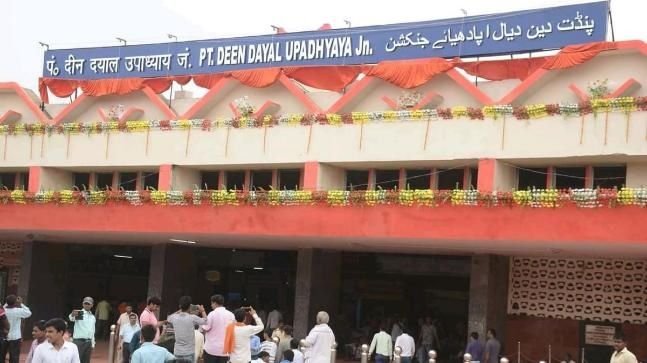
The Green Railway Station certification received by Pandit Deen Dayal Upadhyaya Station in 2020 was an important achievement, but the true value of certification lies in what happens after the certificate is issued. A rating can confirm the performance of a station at a particular point in time. Continuous improvement ensures that the achievement remains meaningful as technology, passenger expectations and environmental challenges change.
For DDU Station, this distinction is particularly important. The station is a large and continuously operating railway facility. Its infrastructure is used every day, its systems require regular maintenance and its environmental performance can change as equipment ages, passenger traffic changes and new technologies become available.
Certification should therefore be viewed as a starting point for a continuing cycle of improvement.
The Green Railway Station rating system provides a useful framework for this approach. Its focus on energy, water, waste, renewable energy, green cover, passenger amenities and facility management creates multiple opportunities for future development.
The first step in continuous improvement is measurement.
An organisation cannot improve what it does not understand. Energy consumption, water use, waste generation and facility performance can be monitored over time. Once reliable information is available, management can identify unusual consumption, recurring maintenance problems and areas where efficiency can be increased.
For a railway station, data can become an important management resource.
Suppose electricity consumption rises unexpectedly. Monitoring can help identify whether the increase is related to equipment failure, operational changes, increased passenger activity or inefficient systems. Similarly, unusual water consumption may indicate leakage or problems in plumbing infrastructure.
Early identification can prevent small problems from becoming expensive or environmentally damaging.
Maintenance is therefore an important part of sustainability.
A green building or railway station is not automatically sustainable forever. Equipment requires servicing, infrastructure deteriorates and systems can become less efficient. Regular inspection and preventive maintenance help preserve the performance achieved during certification.
This principle applies particularly to energy systems.
Lighting equipment can become less efficient over time. Electrical components may require replacement. Control systems may need updating. New technologies may provide better performance than older installations.
Continuous improvement means being prepared to replace or upgrade systems when the benefits justify the investment.
Water infrastructure requires the same approach.
Pipes, taps, tanks and sanitary equipment need regular inspection. Leakage can waste significant quantities of water over time. Efficient fixtures can reduce consumption without affecting passenger service. Maintenance teams can therefore play a major role in keeping water management effective.
Waste management also requires constant attention.
A system may work well during one period and deteriorate later if collection schedules change, equipment is damaged or employee practices become inconsistent. Passenger behaviour can also influence performance.
Continuous improvement therefore requires monitoring not only infrastructure but also human behaviour.
Training and awareness can help maintain standards.
Employees need to understand the purpose of environmental measures and how their daily work affects performance. New employees may require orientation, while existing staff may benefit from periodic training and reminders.
Passenger awareness is equally important.
Clear signage, appropriately placed waste bins and public information can encourage responsible behaviour. When environmental practices are easy to understand and convenient to follow, passengers are more likely to participate.
The certification period itself provides an important lesson.
The station’s certification was issued on 18 December 2020 and was valid through 18 December 2023. The end of this period creates a natural opportunity for review. Instead of treating the expiry as the conclusion of the environmental journey, it can be treated as a checkpoint.
Management can compare performance before and after certification.
Which improvements produced the greatest benefits? Which practices were difficult to maintain? Which areas still require investment? Have passenger expectations changed? What new technologies have become available?
These questions can form the basis of a new improvement programme.
The next stage can also involve setting higher targets.
If a station has already achieved a particular level of energy efficiency, the next objective might be further reduction in consumption. If waste segregation has been established, the next goal could be improved recycling or processing. If water-saving systems are already operating, monitoring could be strengthened to identify additional opportunities.
This is the logic of continual improvement.
It prevents organisations from becoming satisfied with past achievements.
For Pandit Deen Dayal Upadhyaya Station, this philosophy is particularly relevant because the station’s role continues to evolve. Passenger requirements are changing, railway technology is advancing and environmental challenges are becoming more prominent.
Modern railway infrastructure increasingly has access to technologies that were less common when the station received its 2020 rating.
Digital energy monitoring, smart controls, improved lighting technologies, renewable-energy systems and more sophisticated waste-management solutions can provide new opportunities.
The station can also benefit from improved data management.
When environmental information is collected systematically, management can establish performance trends rather than relying on occasional observations. Trends can reveal whether improvements are sustained or whether performance is gradually declining.
This creates a more professional approach to facility management.
Continuous improvement also has a financial dimension.
Energy and water efficiency can reduce unnecessary operating costs. Preventive maintenance can reduce expensive repairs. Better waste management can improve operational organisation. Investment in efficient technology may therefore create long-term value even when the initial expenditure is significant.
Environmental sustainability and financial responsibility can consequently support one another.
There is also a reputational benefit.
A station that receives certification and then continues to improve demonstrates stronger institutional commitment than one that treats certification as a one-time publicity event.
For a major public institution such as Indian Railways, this distinction matters.
Passengers increasingly expect public organisations to demonstrate responsible use of resources. Maintaining environmental standards can strengthen public confidence and contribute to a modern image of railway infrastructure.
The experience of DDU Station also offers a broader lesson for other railway stations.
Certification provides a structured way to begin. Measurement provides information. Management provides direction. Employees provide implementation. Passengers provide participation. Review provides learning. New targets provide momentum.
Together, these elements create a continuous improvement cycle.
The station’s 2020 Silver rating, with a reported score of 51 out of 100, should therefore be understood as a baseline rather than a final destination.
The achievement established what could be accomplished.
The next challenge is to determine what can be accomplished beyond that level.
The future of the station’s green journey will depend on its ability to combine its historical role with modern environmental expectations. It can continue serving as a major transportation hub while improving how it consumes resources, manages facilities and serves passengers.
Continuous improvement does not require abandoning what has already been achieved. It requires building on it.
The certification opened the door.
Measurement can identify the next opportunity.
Management can turn that opportunity into action.
Employees can make the action part of everyday operations.
Passengers can participate through responsible use of facilities.
And future assessments can confirm whether progress has been achieved.
This is how a certificate becomes more than a document.
It becomes part of an ongoing management culture.
For Pandit Deen Dayal Upadhyaya Station, the most important chapter after certification is therefore not about preserving a past achievement. It is about creating a future in which environmental performance becomes a permanent part of railway operations.
The 2020 certification marked one point in the journey.
Continuous improvement keeps the journey moving forward.
#WasteManagement
Chapter 10: The Future Vision and Lasting Legacy of Pandit Deen Dayal Upadhyaya Station
The story of Pandit Deen Dayal Upadhyaya Station is a story of transformation. From its historic role as a major railway junction to its recognition as a Green Railway Station in 2020, the station has experienced a journey in which traditional railway operations have increasingly been connected with modern environmental priorities.
The Green Railway Station certification was an important milestone, but it should not be considered the final chapter. The most meaningful legacy of certification is the opportunity it creates for continued improvement.
Pandit Deen Dayal Upadhyaya Station is part of East Central Railway and serves an important transportation function in Uttar Pradesh. Its strategic location and long history mean that it will continue to play an important role in passenger movement and railway operations.
As the railway network develops, the expectations placed upon stations will also increase.
Passengers will expect better facilities, cleaner surroundings, improved accessibility, reliable information and greater comfort. At the same time, environmental concerns will become increasingly important. Energy efficiency, water conservation, waste reduction and renewable energy will no longer be viewed as optional improvements. They will increasingly become normal elements of responsible infrastructure management.
The station’s green certification provides a foundation for responding to these expectations.
The 2020 Green Railway Station rating demonstrated that environmental principles could be incorporated into an existing and operational railway facility. The station achieved a Silver rating, with contemporary reporting stating that it scored 51 out of 100 points. The certification record identifies 18 December 2020 as the issue date and 18 December 2023 as the validity endpoint.
The achievement established a benchmark.
Future development can build on that benchmark by examining where further improvement is possible.
One important opportunity is energy management. Modern technologies can provide better efficiency while maintaining passenger safety and comfort. Improved lighting systems, automated controls, energy monitoring and renewable-energy solutions can help stations reduce unnecessary consumption.
The objective should not simply be to install new technology. Technology must be combined with proper maintenance and monitoring.
A highly efficient system can lose its effectiveness if equipment is not maintained or if operating procedures are not followed. Future sustainability therefore needs to combine infrastructure investment with employee training and management discipline.
Water management offers another area of opportunity.
As water becomes increasingly valuable, railway stations can strengthen conservation through efficient fixtures, leakage monitoring, reuse opportunities where appropriate and better operational controls. The goal should be to provide reliable water services while reducing unnecessary consumption.
Waste management will remain equally important.
The large volume of people moving through a railway station means that waste will continue to be generated. Future systems can focus increasingly on segregation, recycling, responsible disposal and reduction at source.
Passenger participation will be essential.
A station cannot achieve its full environmental potential through management action alone. Passengers also influence waste generation and disposal, water use and the cleanliness of public areas.
This makes awareness an important part of the future vision.
Clear communication can encourage people to use facilities responsibly. Signs, digital displays, announcements and well-designed waste-collection points can make environmental responsibility easier for passengers.
A sustainable railway station is therefore a partnership between the organisation and the public.
Another important area for future development is data.
Modern facility management can increasingly rely on real-time information. Energy and water consumption can be monitored, maintenance issues can be identified earlier and performance can be compared over time. Data can help management move from reactive maintenance to preventive and predictive approaches.
This can improve both sustainability and operational reliability.
The station’s future growth should therefore be measured broadly.
Physical infrastructure remains important, but institutional capability is equally valuable. A station that can monitor its performance, train its employees, maintain its systems and respond to changing passenger expectations is better prepared for the future.
This represents a different definition of growth from the conventional business model.
Pandit Deen Dayal Upadhyaya Station is not a private company whose success is measured primarily through profit. Its growth is reflected in public service, operational reliability, passenger satisfaction, environmental responsibility and efficient management of public resources.
The Green Railway Station certification contributed to this form of institutional growth.
It also demonstrated the value of collaboration.
The Indian Green Building Council’s Green Railway Stations framework, the Environment Directorate of Indian Railways, East Central Railway, station management, employees and certification professionals all form part of the broader ecosystem that made the achievement possible.
This collaborative model can continue to support future improvements.
The station can also serve as an example for other railway facilities.
Its experience demonstrates that environmental certification can be applied to an established railway station operating under real-world conditions. Sustainability does not require waiting for a completely new building. Existing infrastructure can be assessed, improved and managed more responsibly.
This is an important lesson for India’s broader infrastructure development.
Millions of people interact with public buildings every day. When these buildings become more efficient and environmentally responsible, the benefits can extend beyond the individual facility.
Railway stations are particularly powerful examples because they are highly visible public spaces.
A green station can demonstrate responsible infrastructure to thousands of passengers every day. It can show that environmental responsibility is compatible with modern transportation and public service.
The lasting legacy of Pandit Deen Dayal Upadhyaya Station’s 2020 certification should therefore be measured by its influence on future thinking.
The certificate itself belongs to a specific period. The lessons behind it can continue indefinitely.
The station’s future should be based on several principles: measure performance, conserve resources, maintain infrastructure, improve passenger facilities, use technology responsibly, involve employees and encourage public participation.
These principles can create a continuous cycle of improvement.
The story also reminds us that sustainability is not a destination. Environmental conditions change, technologies develop and expectations evolve. A successful station must therefore remain adaptable.
Pandit Deen Dayal Upadhyaya Station has already demonstrated that a historic railway facility can embrace modern environmental priorities.
Its next challenge is to go further.
The journey that began with green assessment and culminated in the 2020 Silver rating can continue through stronger environmental management, better resource efficiency and improved passenger service.
Ultimately, the greatest achievement is not the certificate displayed on a wall.
It is the possibility that thousands of passengers can enter the station and experience a cleaner, better-managed and more responsible public facility.
It is the possibility that employees can take pride in maintaining infrastructure that serves both people and the environment.
It is the possibility that future railway development can combine operational excellence with sustainability.
And it is the possibility that one important station can become an example of how India’s vast public infrastructure network can evolve.
Pandit Deen Dayal Upadhyaya Station has a long history behind it.
The Green Railway Station certification became one milestone in that history.
The future now offers another opportunity: to transform that milestone into a lasting culture of continuous improvement.
The journey does not end with certification.
It continues with every efficiently used unit of energy, every conserved litre of water, every properly managed piece of waste, every well-maintained facility and every passenger who experiences the benefits of a greener railway station.
That is the real legacy of the transformation.
And that is the future vision for Pandit Deen Dayal Upadhyaya Station.
#ContinuousImprovement
#PanditDeenDayalUpadhyayaJunction #DDUStation #RailwayStationExcellence #IndianRailwayInfrastructure #RailwayDevelopment
Take the Next Step Today
Don’t wait to enhance your business’s quality and efficiency. Partner with Mayu Group India and experience the transformation that comes with expert consultancy and training. Contact us today to learn more about how we can help you achieve your business goals. Reach out via phone at +91-9322728183, visit our website at www.mayugroup.in, or email us at investor@mayugroup.in Let us be your guide on the journey to excellence and innovation.